Thermoplastic Carbon Fiber Composite Materials

Still deciding? Get samples of $ !
Order Sample

Product Description

Basic Information
Model NO.
CF-12
Performance
High-Strength Type
State
Filament
Mechanical Property
High-Performance Type
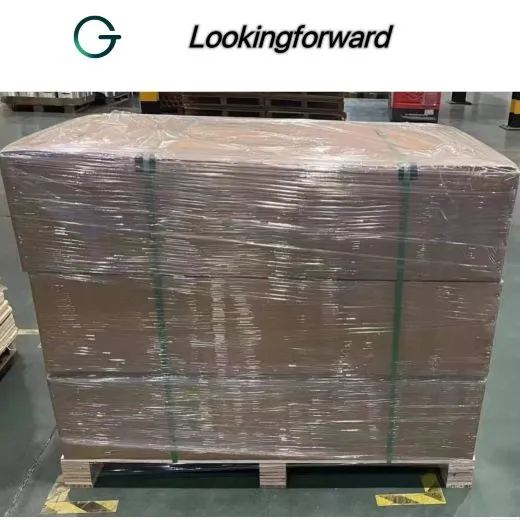
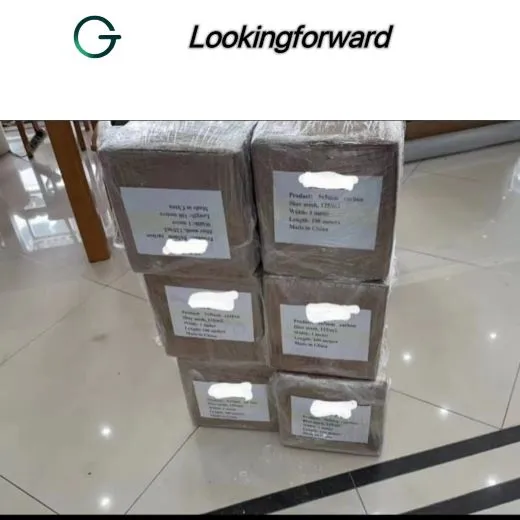
Transport Package
Carton and Pallet
Specification
Customized
Trademark
LK
HS Code
6815120000
Production Capacity
10000m2/Month
Packaging & Delivery
Package Size
40.00cm * 40.00cm * 110.00cm
Package Gross Weight
10.000kg
Product Description
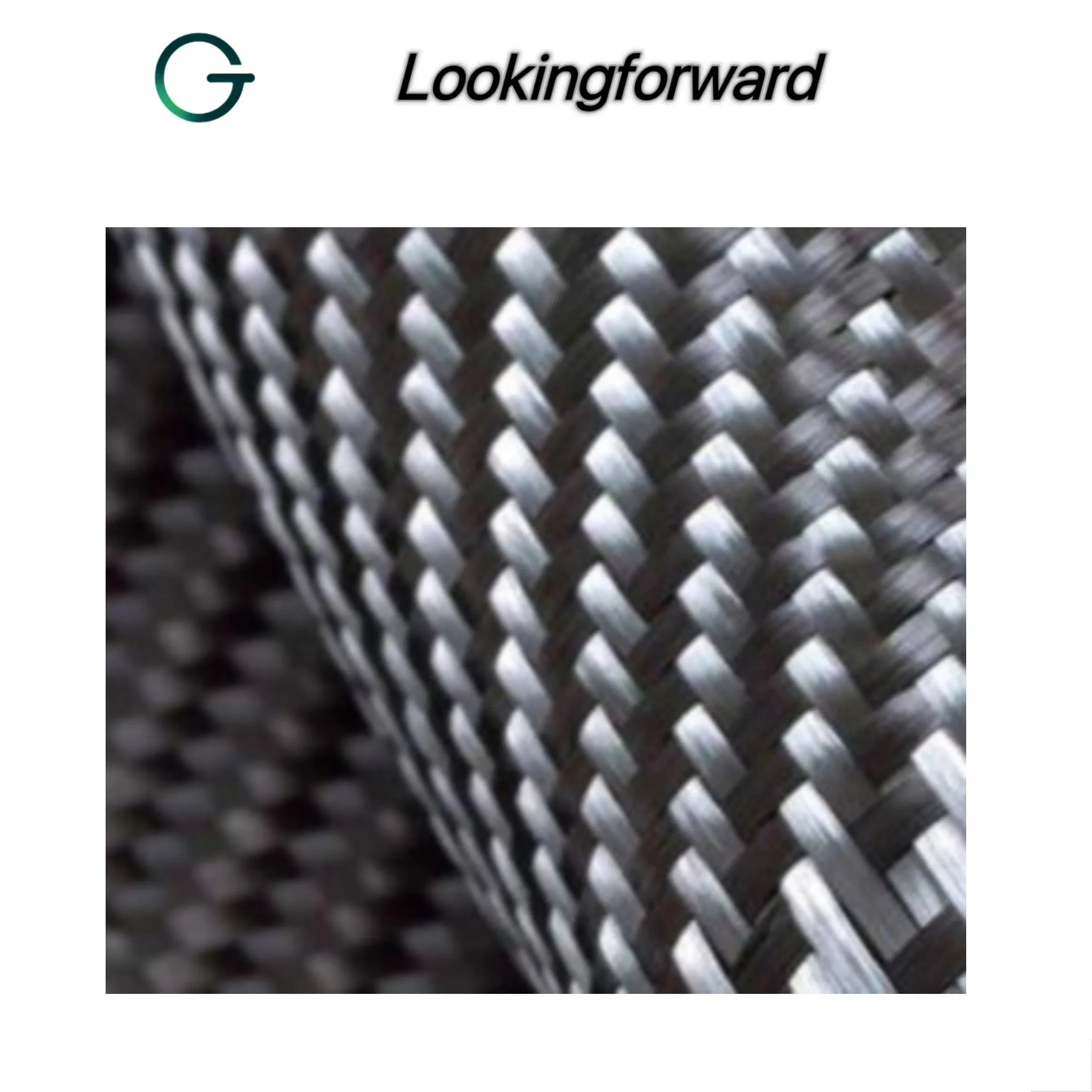
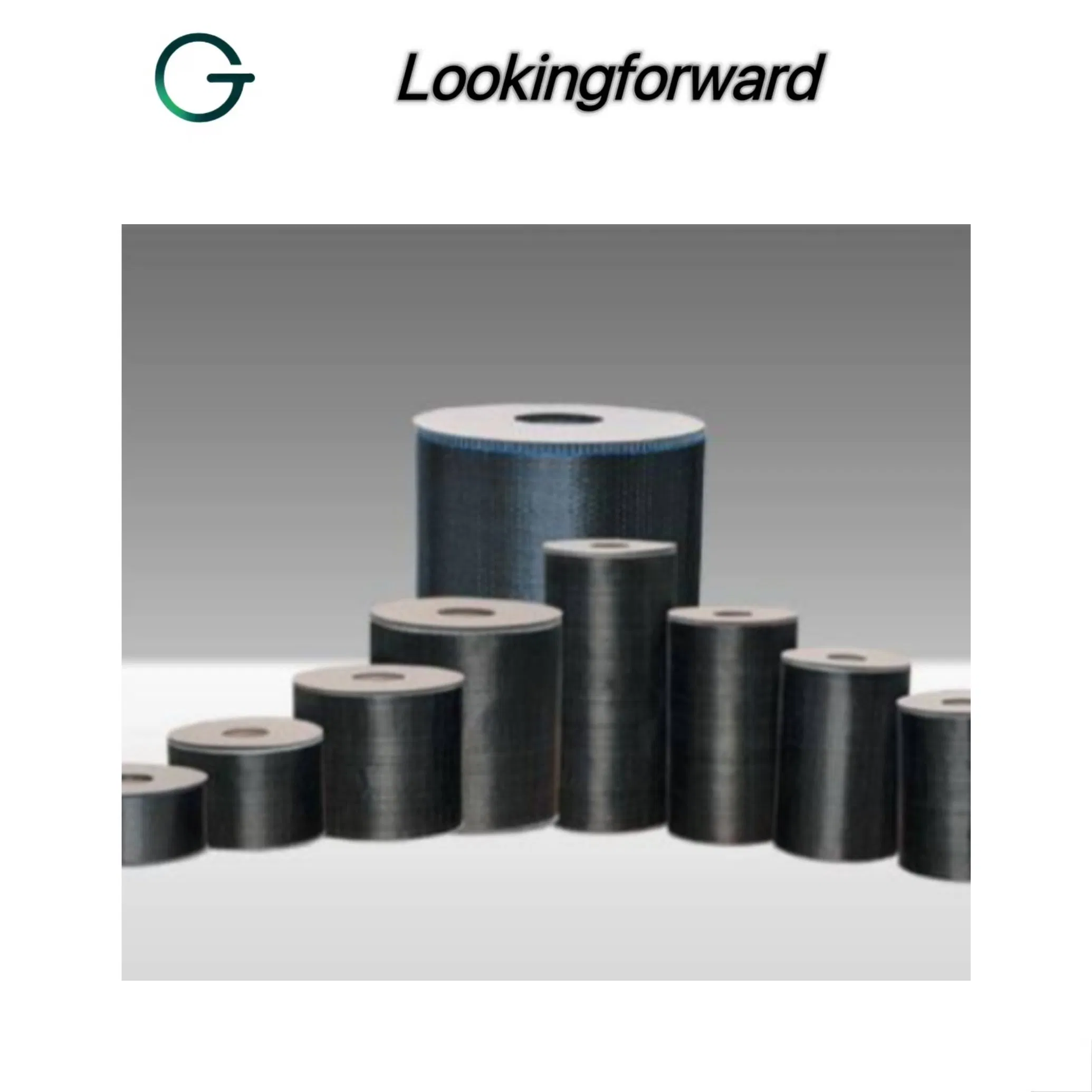
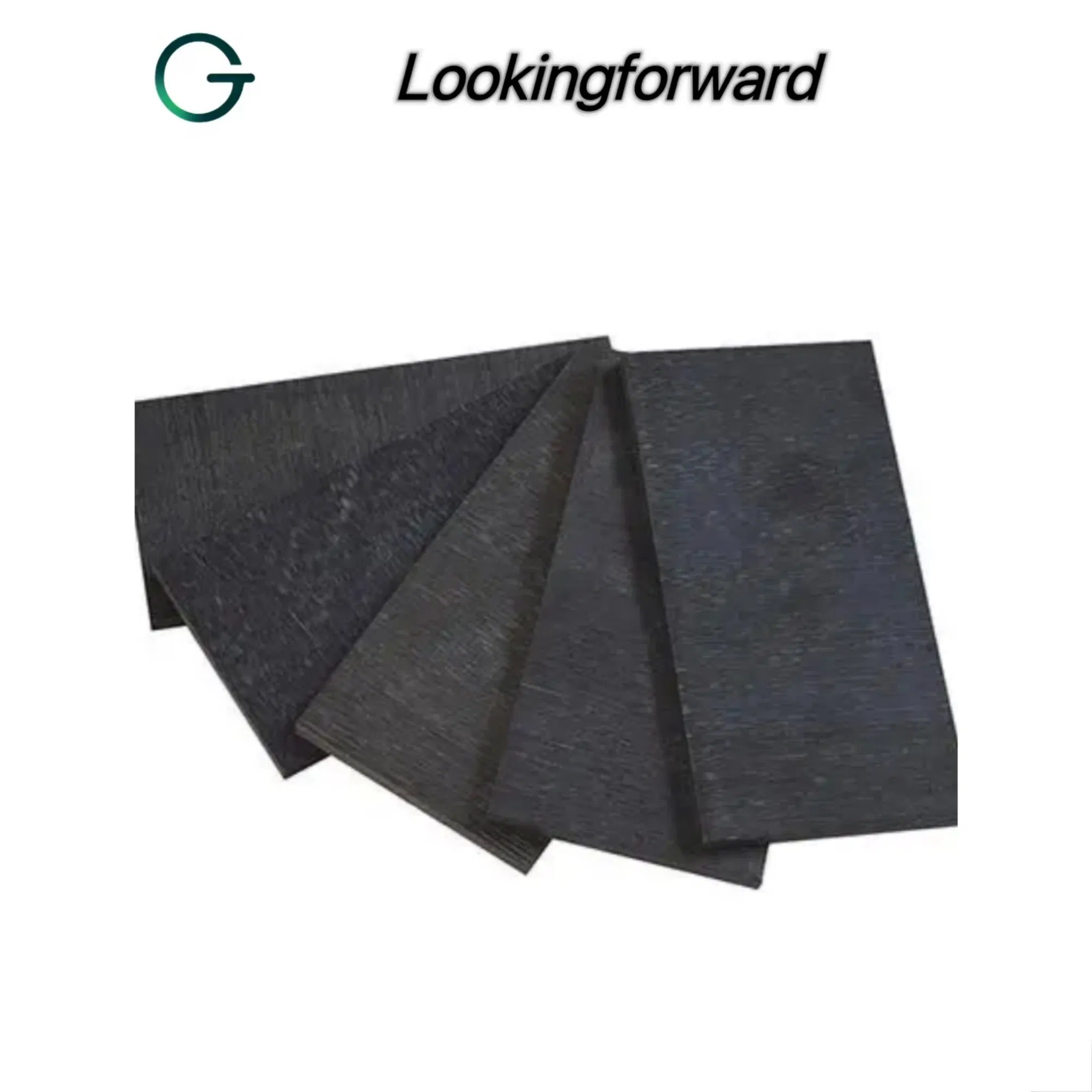
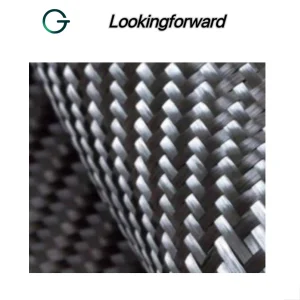
Carbon fiber thermoplastic composite is a composite material with carbon fiber as reinforcement material and thermoplastic resin as matrix. From the perspective of carbon fiber reinforcement, it can be divided into long cut carbon fiber (LCF) reinforced thermoplastic composite, short cut carbon fiber (SCF) reinforced thermoplastic composite and continuous carbon fiber (CCF) reinforced thermoplastic composite.
Long cut carbon fiber and short cut carbon fiber mainly refers to the application length of carbon fiber materials, generally between a few millimeters to a few centimeters, common specifications include 6mm, 12mm, 20mm, 30mm, and 50mm. While shorter lengths distribute more uniformly, the mechanical properties of short or long fiber reinforced composites are significantly lower than those of continuous carbon fiber reinforced thermoplastic composites.
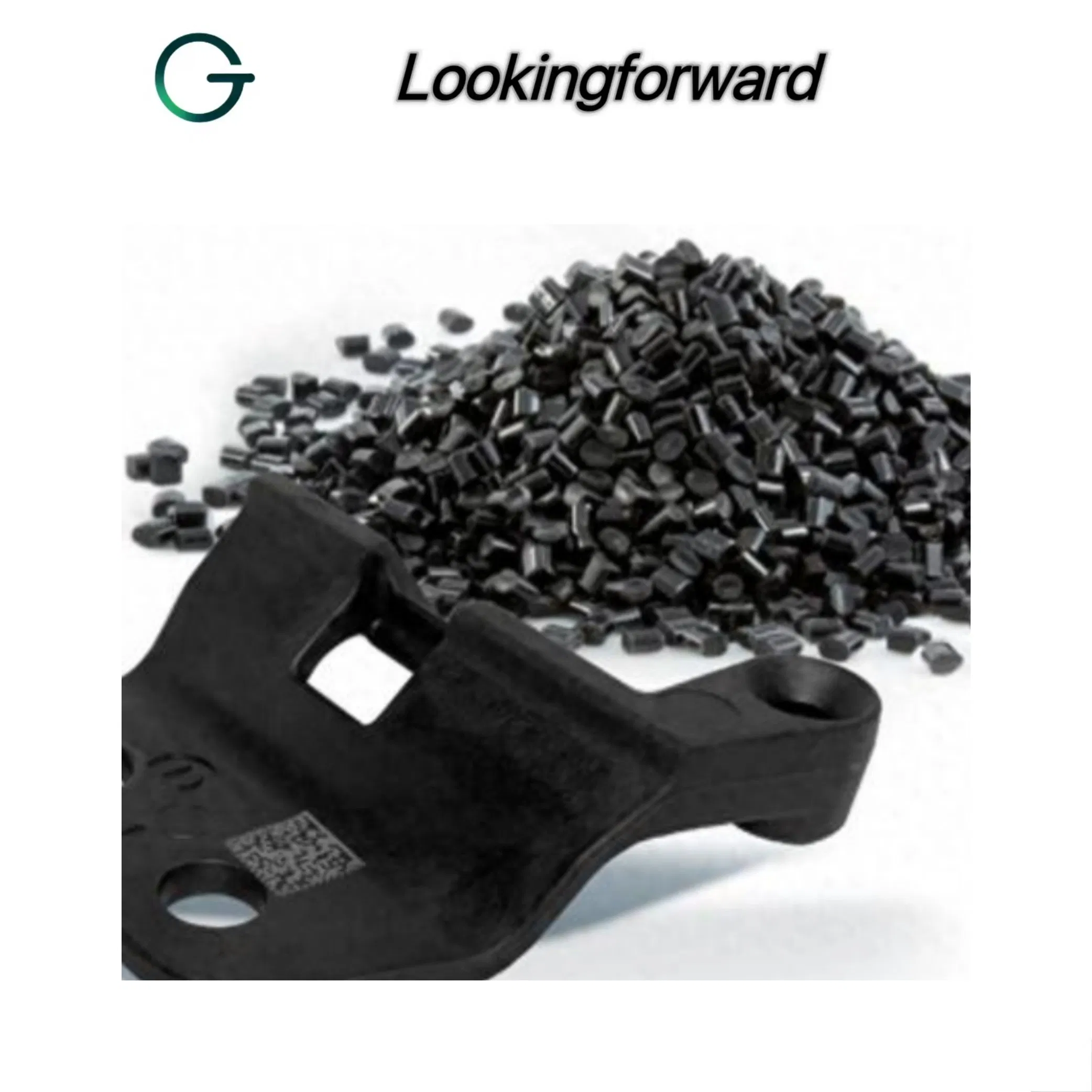
Commonly used matrix resins include high-end thermoplastic resins such as Polyether ether ketone (PEEK), PPS, Polyimide (PI), and Polyether imide (PAI). This "strong combination" approach optimizes material properties for demanding environments like aerospace and precision equipment.
Main Products
Carbon fiber reinforced nylon 66
Carbon fiber enhanced PPS
Textile sword wheel special material
Textile 93 and 74 special materials
Textile pulley support material
Textile gamma plate special material
Textile pointer guide plate material
Textile carpet rapier special material
Textile wear strip special material
Pump piston special material
Marine high pressure cylinder material
Special material for rod coupling
Advantages
Performance: Characterized by high strength and stiffness, small creep, high thermal stability, and a small coefficient of linear expansion. It offers friction and wear reduction without damaging wear parts, along with excellent damping characteristics.
Manufacturing: Can be molded via extrusion or injection under rapid molding cycles. Products exhibit high elongation at break, low water absorption, and are easy to repair or weld.
Sustainability: Materials are reusable; waste and corner residuals can be recycled. They can replace traditional metals like aluminum alloy, significantly reducing product weight.
Typical Uses
Used in commercial aircraft, automotive lightweighting, petroleum/Marine industries, wind power generation, high-end machinery equipment, textile industry, and daily office supplies.
Thermoplastic Carbon Fiber Composite Materials
Shipping Information
Restrictions: This product is not classed as dangerous goods for transport and can be shipped to all destinations without restriction.
Package Size: There are no package size restrictions or surcharges for this product.
Thermoplastic Carbon Fiber Application
Carbon Fiber Composite Materials
Frequently Asked Questions
1. What are the three main types of carbon fiber reinforcement?
They are categorized into Long Cut Carbon Fiber (LCF), Short Cut Carbon Fiber (SCF), and Continuous Carbon Fiber (CCF).
2. Which resins are commonly used as the matrix for these composites?
High-end resins like PEEK, PPS, Polyimide (PI), and Polyether imide (PAI) are typically used for high-performance applications.
3. Can thermoplastic carbon fiber composites be recycled?
Yes, unlike thermoset materials, these thermoplastic composites can be reused, and waste or residual materials can be fully recycled.
4. What makes these materials suitable for weight reduction?
They provide high strength and stiffness while being significantly lighter than traditional metals like aluminum alloy.
5. Are there any special shipping requirements?
No, the products are not classified as dangerous goods and can be shipped globally without special restrictions or surcharges.
6. How is the manufacturing cycle for these materials?
The manufacturing cycle is short because the materials support rapid molding processes like injection and extrusion under heat and pressure.

Related Products