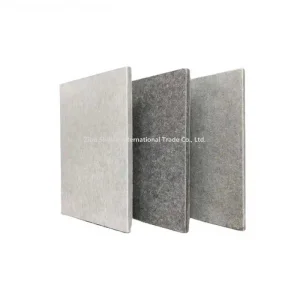
◈ Product Description
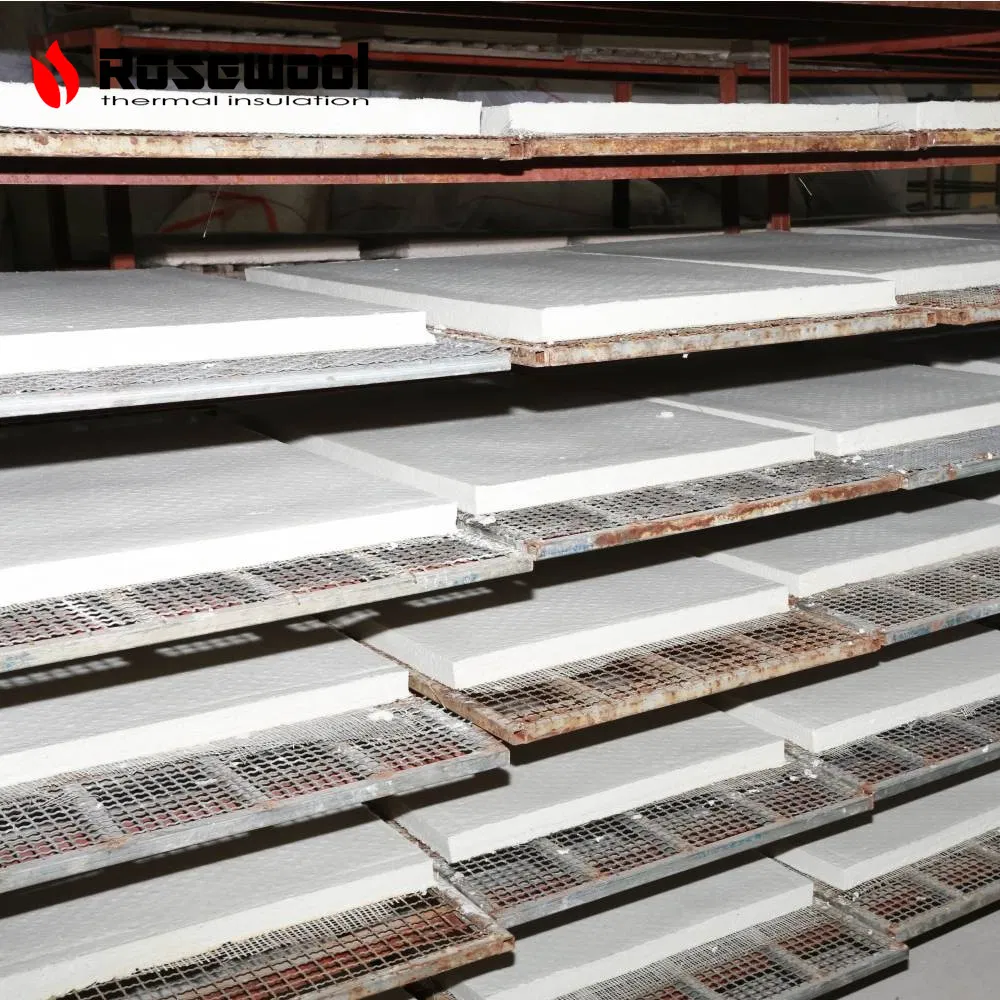
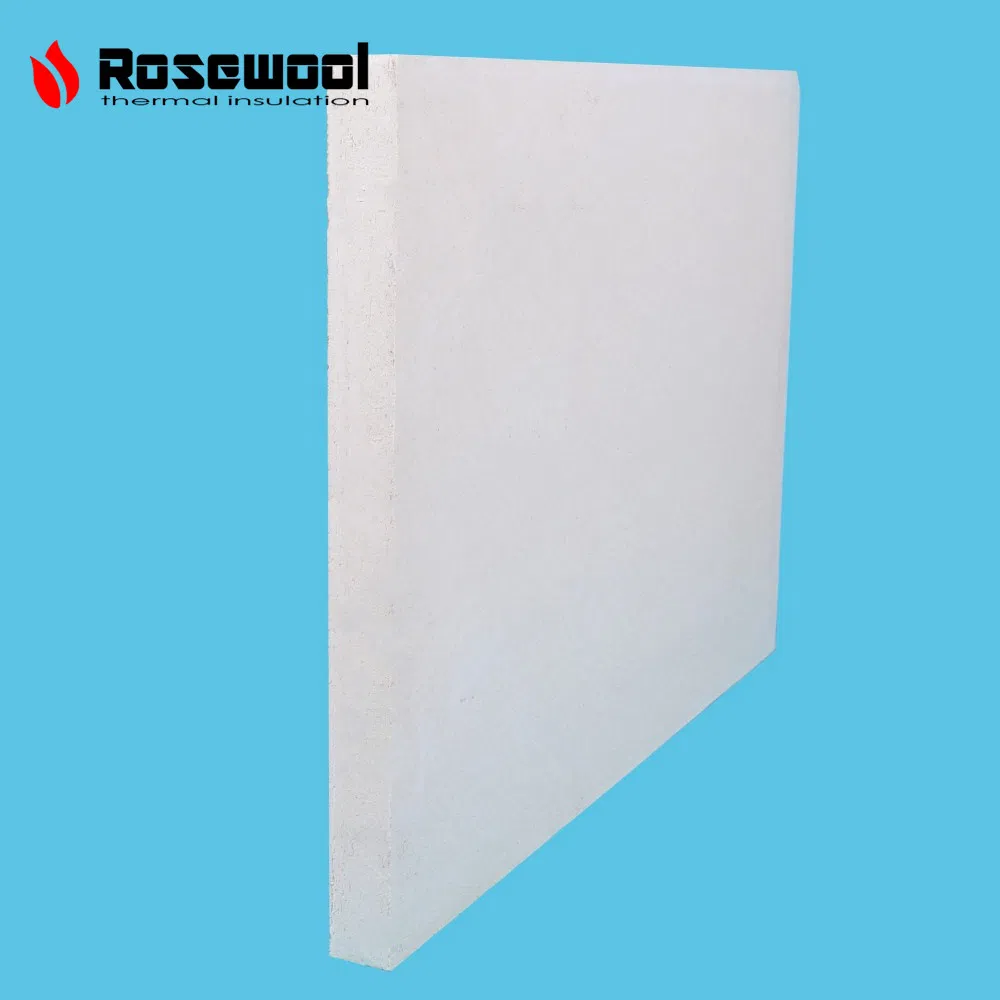
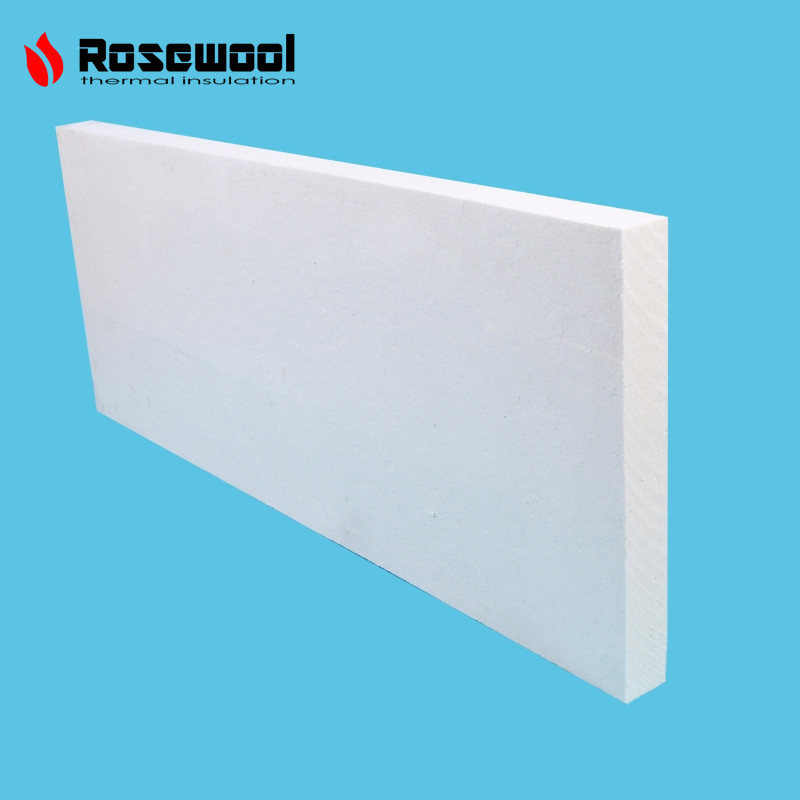
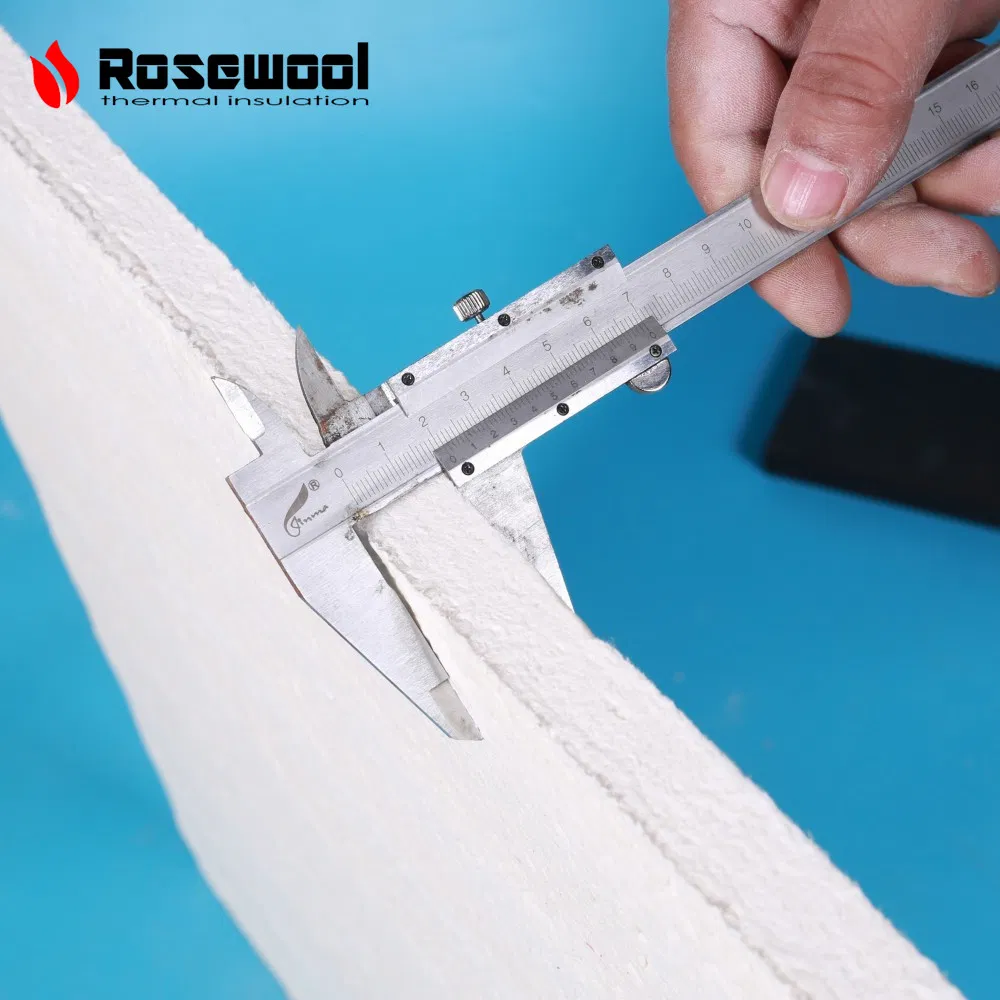
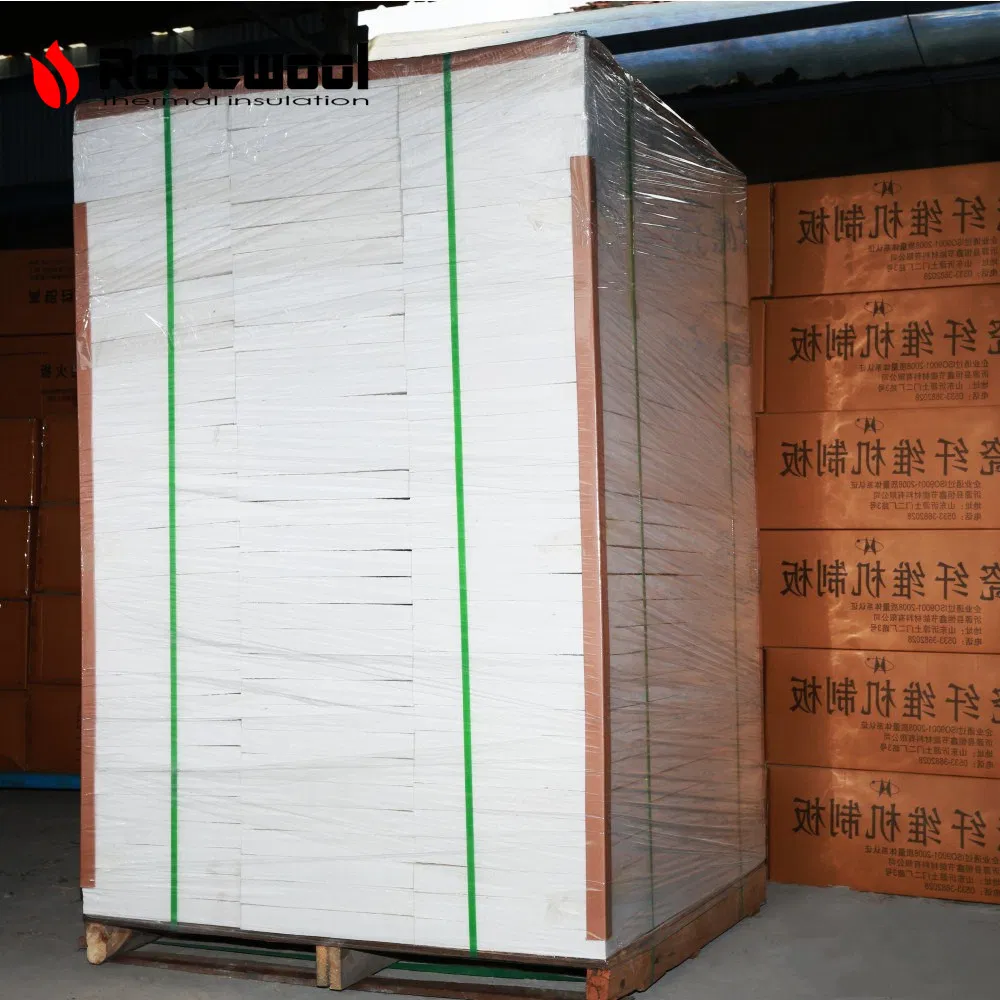
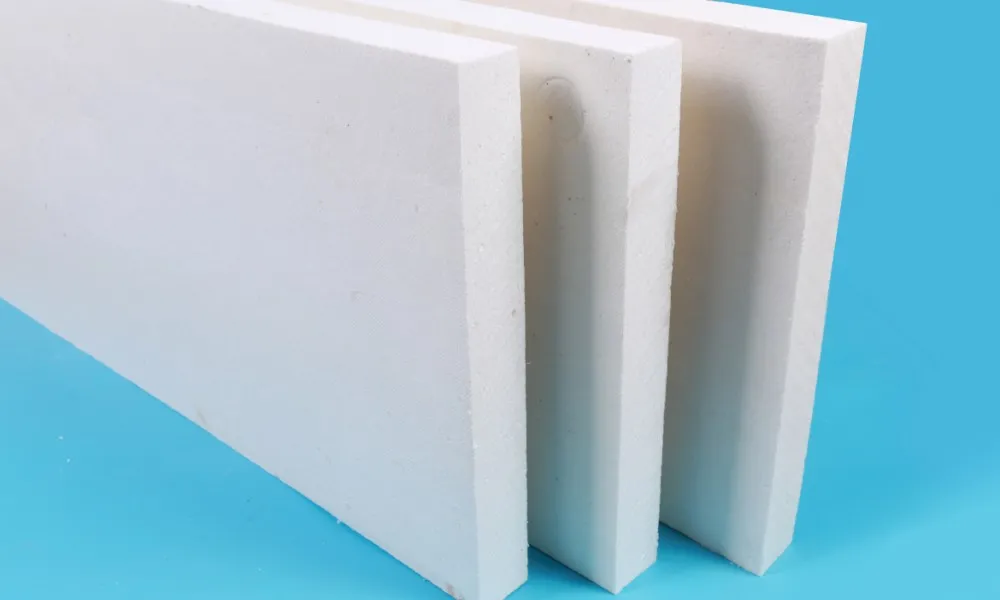
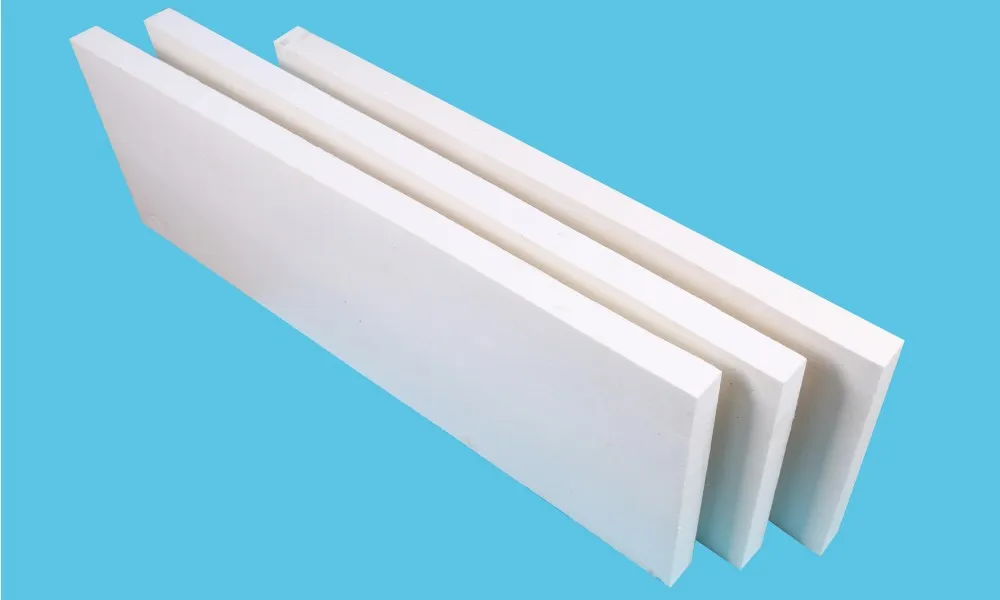
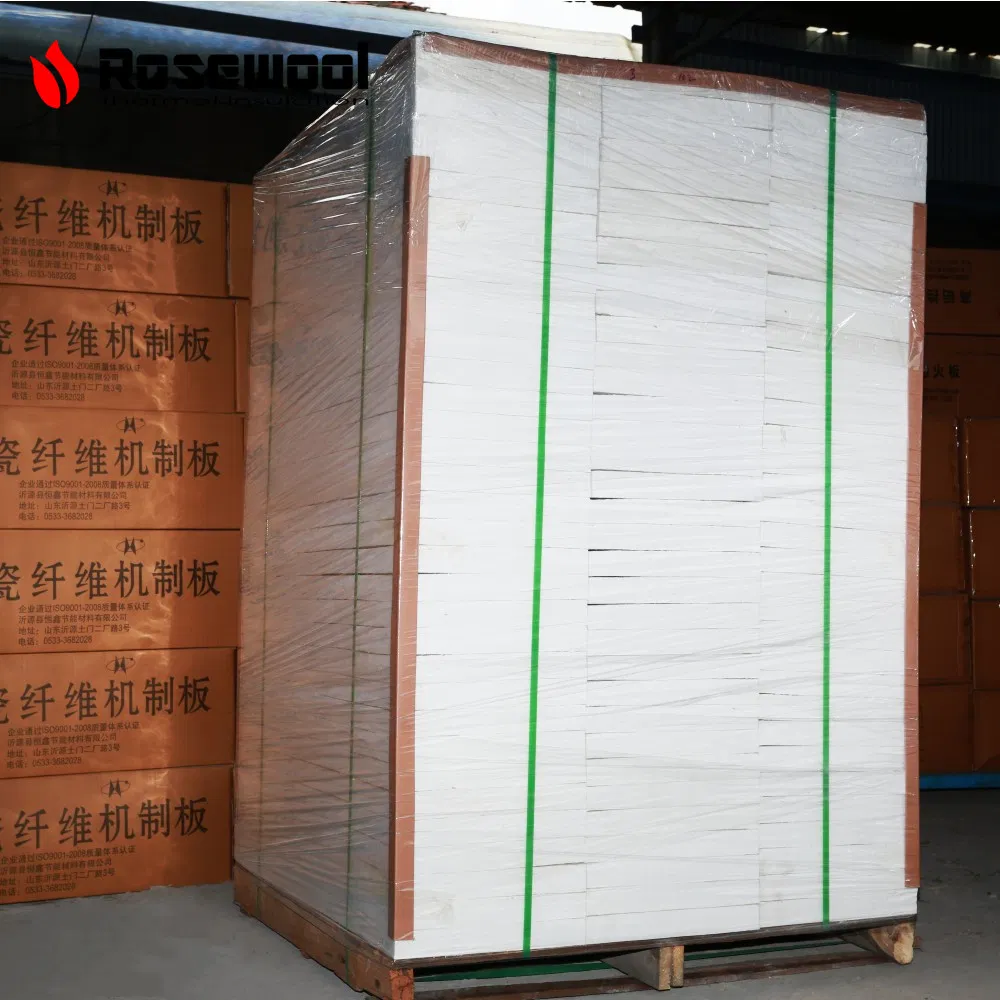
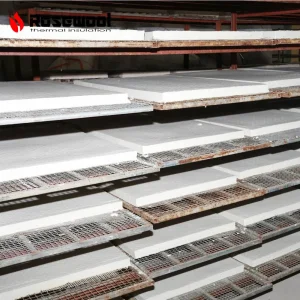
Ceramic fiber board is manufactured from ceramic fiber cotton through a vacuum forming or dry process, followed by refining and machining. It features excellent rigidity, flexibility, and high intensity. Designed to resist wind erosion and thermal expansion, it is lightweight and easy to install. The material can be cut or bent as needed, making it a highly efficient solution for kilns, furnaces, piping, and other thermal insulation equipment.
◈ Key Features
✓ Excellent thermal stability
✓ High resistance to burning
✓ Low thermal conductivity
✓ Low heat storage
✓ Superior mechanism strength
✓ Low shrinkage rate
✓ Good fiber springiness
✓ Easy fabrication and installation
◈ Industrial Applications
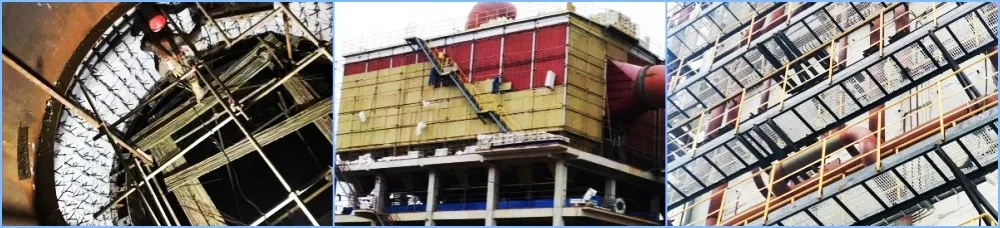
▶ Glass tempering furnaces & pottery kilns
▶ Wall liners for high-temperature reactions
▶ Fireproof plates for furnace doors and roofs
▶ Insulation for pizza ovens and chimneys
▶ Boiler and heater combustion chambers
▶ Aviation and precision industrial equipment
◈ Frequently Asked Questions
1. Is the ceramic fiber board 100% asbestos-free?
Yes, our ceramic fiber boards are 100% non-asbestos, making them safe and environmentally friendly for all industrial applications.
2. What is the maximum temperature these boards can withstand?
Depending on the specific grade (COM, ST, HP, HA, etc.), the classification temperature ranges from 1100°C (1983°F) up to 1430°C (2600°F).
3. Can the boards be customized for specific shapes?
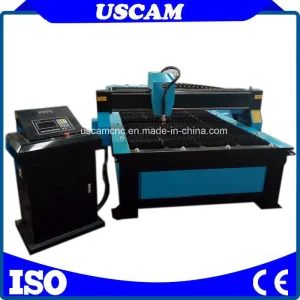
Yes, the boards have good rigidity but are easy to machine. They can be cut or bent to fit specific furnace designs or equipment requirements.
4. What are the typical delivery times for an order?
Standard delivery usually takes about 10-20 days after the contract or order confirmation, depending on the quantity and specifications.
5. What makes your fiber board suitable for glass tempering furnaces?
It offers excellent thermal stability, low thermal conductivity, and resistance to high-velocity air, which are critical for maintaining consistent temperatures in glass tempering processes.
6. What densities are available?
The standard density ranges between 260-320 kg/m³ (16-20 lb/ft³), providing a perfect balance between lightweight handling and thermal efficiency.
 Cellar Aluminum