Industrial Aluminum Engineering & Global Sourcing Hub

Automotive Aluminium Panel Materials Factory & Supplier in Paraguay

Request Material Consultation & Quote

Featured Automotive Aluminum & Composite Solutions

Precision-engineered interior modification materials, structurally reinforced sheets, and advanced thermal management alloys designed for industrial assembly plants in South America.

The Strategic Role of Automotive Aluminum in Modern Transportation

The global automotive industry is undergoing a structural paradigm shift towards lightweighting, carbon emission reduction, and enhanced structural rigidity. For manufacturing sectors within South America—particularly in Paraguay—high-performance aluminum panel materials have evolved from optional premium selections to mandatory base engineering requirements. This shift is driven by both global environmental mandates and regional industrial initiatives looking to establish Mercosur as a robust assembly hub.

Paraguay's Industrial Ecosystem & the Automotive Sector

Under the favorable regulatory framework of the Maquila Regime (Ley de Maquila), Paraguay has positioned itself as an attractive, low-tax manufacturing platform in South America. The country acts as a key industrial gateway to neighboring automotive superpowers like Brazil and Argentina. Paraguay’s automotive sector, traditionally centered on aftermarket modifications, bus body manufacturing, and utility trailer fabrication, is rapidly transitioning toward high-yield component assembly, including lightweight structural panels, heat shields, and battery casings for electric transport.

Access to affordable electrical energy from the Itaipú and Yacyretá hydroelectric dams gives Paraguayan processors a unique operational advantage. However, the local industry remains highly dependent on importing raw, high-grade metallurgical components—specifically refined 5xxx, 6xxx, and 3xxx series aluminum sheets. Establishing reliable supply corridors from optimized manufacturing hubs like China is vital for local manufacturers to maintain cost competitiveness and meet quality specifications like IATF 16949.

Global Metal Material Context & Lightweighting Mathematics

In global engineering terms, replacing traditional mild steel with automotive-grade aluminum panels translates directly to a 40% reduction in structural weight without compromising crash-safety capabilities. For Electric Vehicle (EV) fleets, a 10% weight reduction extends vehicle driving range by approximately 6-8%. This makes structural aluminum alloys, such as those produced by Dongguan Cellar Aluminum Co., Ltd., critical to achieving range targets.

Alloy Grade Yield Strength (MPa) Elongation (%) Primary Automotive Applications
3003 Series 140 - 180 > 12% Radiator cores, heat exchangers, fluid lines
5052 Series 190 - 230 > 18% Fuel tanks, side panels, internal structural brackets
5083 Series 270 - 310 > 15% Heavy transport floor plates, high-strength marine panels
6061 / 6082 290 - 330 > 10% Chassis structural framing, collision beams, EV battery boxes

China's Factory Efficiency & Supply Chain Integration

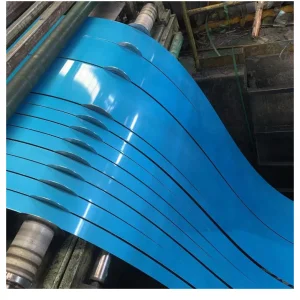
Dongguan Cellar Aluminum Co., Ltd. represents China's highly optimized, precision-driven manufacturing model. Based in Dongguan—the manufacturing heart of Southern China—our facilities integrate continuous casting, cold rolling, precision slitting, and advanced surface coating lines into a single, cohesive processing environment. This vertical integration dramatically reduces manufacturing lead times and guarantees consistent chemical compositions across high-volume batches.

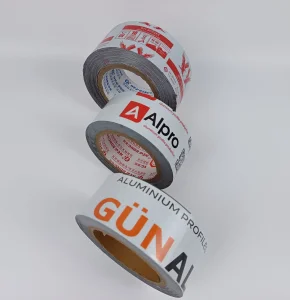
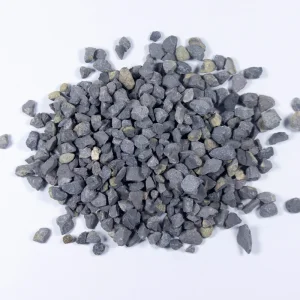
Furthermore, China's vast industrial network provides unparalleled access to raw processing minerals, such as calcined bauxite, and protective packaging materials, like heavy-duty PE films. These factors help shield supply chains from raw material price volatility, allowing us to offer cost-effective, high-grade metals to overseas manufacturers, particularly in Paraguay's competitive assembly sectors.
Engineering Metrics & Performance Indicators

How lightweight aluminum composites and high-purity alloy plates redefine vehicle efficiency, insulation parameters, and structural lifespan in subtropical regions.

-40%
Vehicle Weight Reduction
85%+
Al2O3 Bauxite Refractory Purity
100%
Recyclability & Circular Life
<0.05%
Surface Defect Margin (QA)

Localized Applications in Paraguay's Transit Ecosystem

In Paraguay, the demand for automotive aluminum is driven by three distinct sub-sectors. First, local vehicle bodybuilding companies in cities like Asunción, Luque, and Ciudad del Este rely heavily on lightweight aluminum alloys for public transport buses. Minimizing body weight directly lowers diesel consumption and limits drivetrain wear across heavy urban routes.

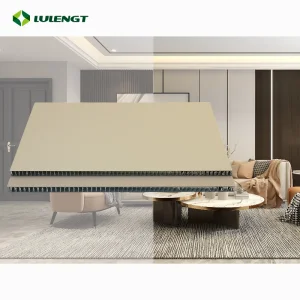
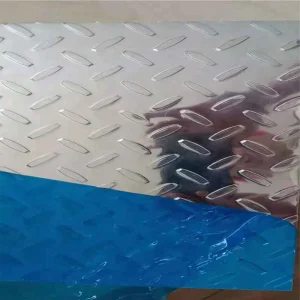
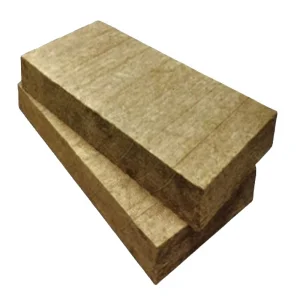
Second, the agricultural logistics sector requires specialized materials for freight transport. Refrigerated trailers constructed using moisture-proof honeycomb cores and mirror-finished aluminum sheets provide exceptional thermal insulation, preventing structural degradation from condensation. This is essential for protecting agricultural exports on long transport corridors through the Mercosur region.

Third, the emerging electrical motorcycle and three-wheeler assembly plants in Paraguay are looking to aluminum alloys to reduce chassis weight. By utilizing high-conductivity aluminum plates, thermal dissipation systems, and lightweight fiberglass composites for interior partitions, regional manufacturers can achieve optimized power-to-weight ratios.

Future Technology Trends: Decarbonization and the Circular Economy

The automotive industry is committed to achieving net-zero manufacturing carbon footprints. Low-carbon primary aluminum, refined using renewable energy, and closed-loop scrap recycling systems are becoming industry standards. Dongguan Cellar Aluminum Co., Ltd. actively supports these sustainability goals. We refine and process scrap metal into high-performance panels, enabling automotive buyers to reduce Scope 3 emissions without sacrificing mechanical strength.

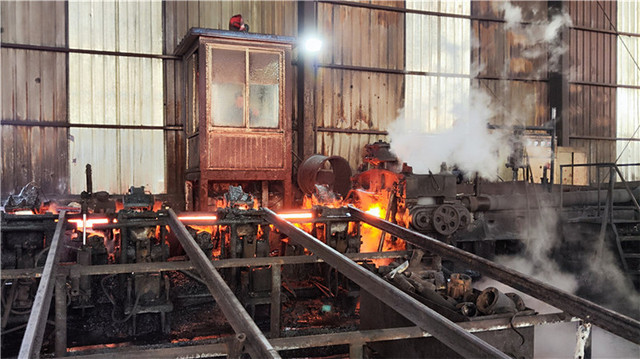
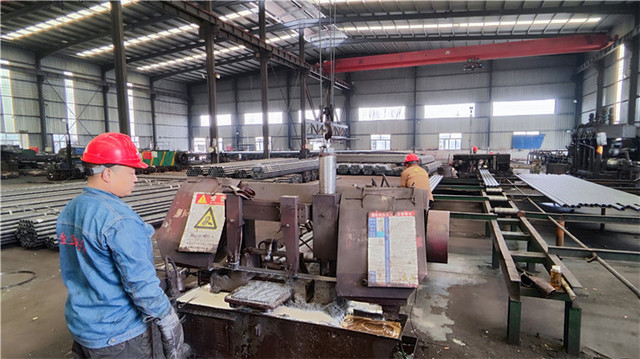
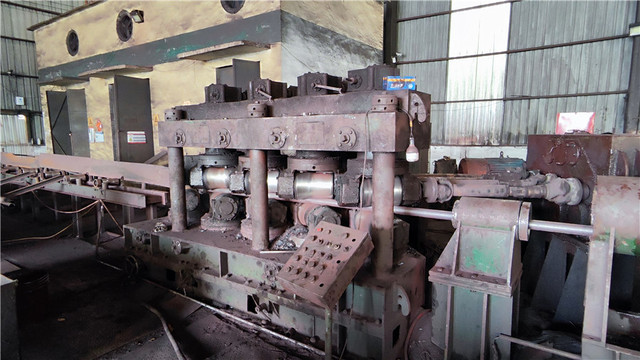
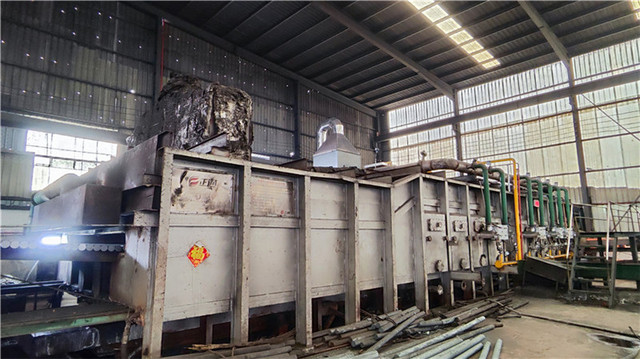
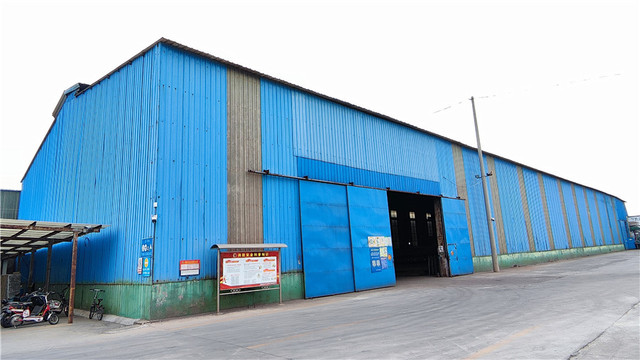
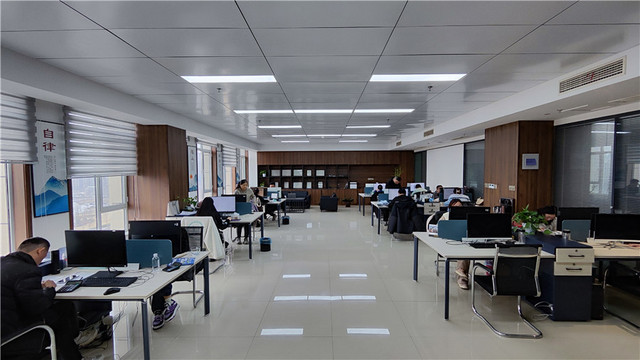
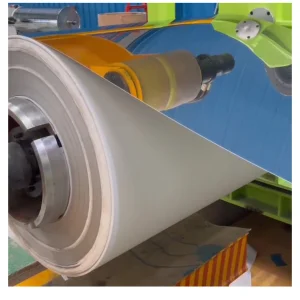
Advanced Rolling Mills & Quality Control

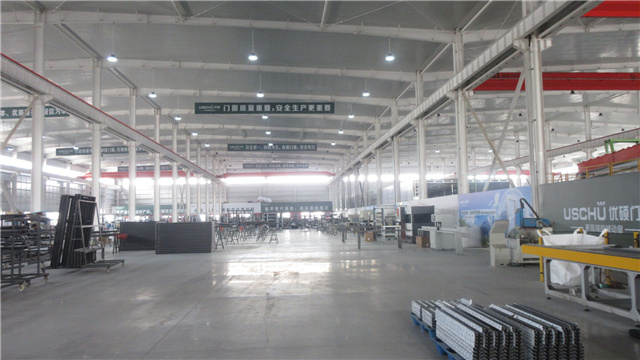
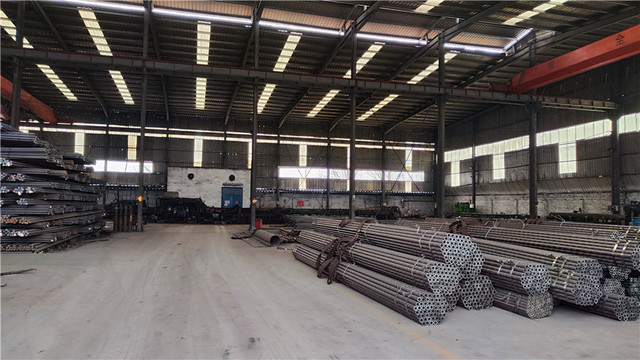
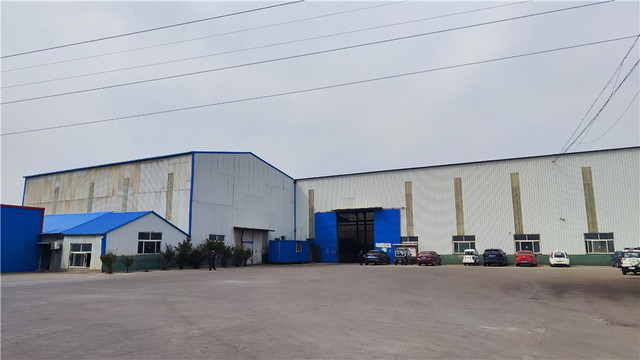
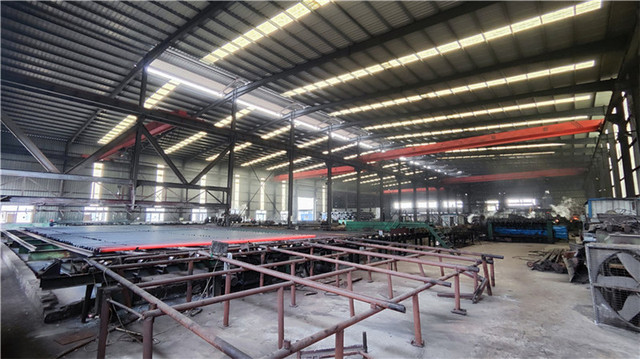
A visual showcase of Dongguan Cellar Aluminum's processing facilities, heavy precision rolling lines, and inventory control centers.

Automotive Aluminum Sourcing FAQ

Key information regarding material options, custom sizes, international shipping logistics, and compliance for the Paraguayan and Latin American markets.

Q: Which aluminum alloys are recommended for structural automotive panels?

A: The 5052 and 5083 series are highly recommended for structural and body panel applications due to their exceptional yield strength, weldability, and resistance to environmental corrosion. For outer cosmetic skins, 6xxx series alloys are typically preferred due to their superior dent resistance after thermal paint curing cycles.

Q: How do you prevent surface scratches and damage during shipping to Paraguay?

A: Every sheet is layered with high-durability PE packing film, designed to withstand maritime transit. We then secure the materials on reinforced wooden pallets wrapped in waterproof barriers to prevent seawater vapor exposure and micro-abrasions during transit.

Q: Does Cellar Aluminum provide IATF 16949-compliant material test certificates?

A: Yes, we provide full traceability documents, including Mill Test Certificates (MTC) to EN 10204 3.1 standards, chemical composition breakdowns, and mechanical testing results (tensile and yield strengths) with every batch.

Q: What is the typical production lead time for custom thickness orders?

A: Standard specifications (0.5mm to 3.0mm thicknesses in common width configurations) are processed and shipped within 15 to 20 days. Custom alloy runs, specialized dimensions, or complex structural laminations require 25 to 35 days from deposit confirmation.

Accelerate Your Production Line Performance

Direct mill pricing, consistent material properties, and robust logistics solutions for industrial buyers across Paraguay and the wider Mercosur region.

Send Inquiry Now