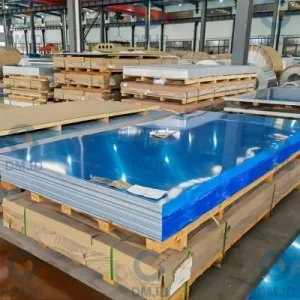
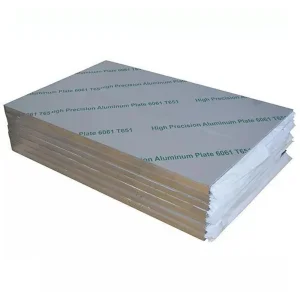
Engineered to strict aerospace specifications, these selected high-strength structural sheets represent the core materials imported to Khartoum and Port Sudan industrial zones.
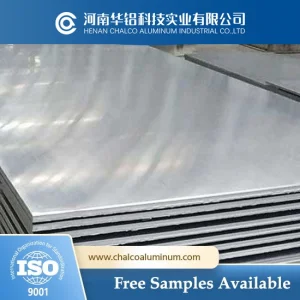
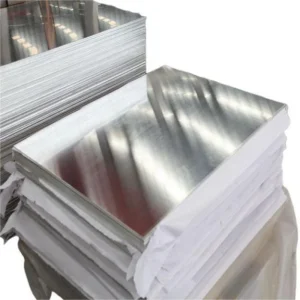
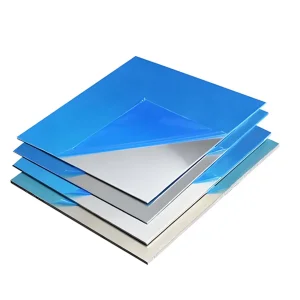
Sudan's geographical positioning along the Red Sea, coupled with its evolving industrial hubs in Khartoum, Omdurman, and Port Sudan, has triggered a significant paradigm shift in metal alloy demand. Historically dependent on general-purpose mild steels and basic aluminum castings, Sudanese industrial infrastructure, heavy transportation, marine logistics, and maintenance installations are rapidly transitioning towards high-performance, lightweight, and corrosion-resistant alloys. Among these, aircraft-grade aluminum sheets have emerged as a critical supply requirement.
"Sudan's industrial roadmap increasingly values strength-to-weight optimization. From the rehabilitation of regional transport fleets along international highway networks to specialized maritime maintenance components in the Port Sudan naval shipyards, high-strength aluminum alloys (specifically the 7xxx and 6xxx series) represent a technology leap forward."
Aviation maintenance, repair, and overhaul (MRO) sectors at Khartoum International Airport and secondary air bases demand strict material conformance. Repairing structural skins, fuselage panels, and specialized cargo containers requires certified alloy tracking. Concurrently, regional defense manufacturing and agricultural aviation sectors (sprayer aircraft fleets supporting massive irrigation schemes like the Gezira Scheme) require continuous access to high-fatigue-resistance plates. To support these growing operations, Sudanese procurement agencies look to specialized Chinese manufacturing centers like Dongguan Cellar Aluminum Co., Ltd. for certified mill test sheets and precision custom cutting.
Formulated to resist stress corrosion cracking (SCC) under Red Sea maritime exposure and the extreme heat profile of central Sudan.
All materials are traceable to primary smelter origins with full Mill Test Certificates and strict compliance audits.
High-yield stress thresholds (up to 500 MPa for 7075-T6) suitable for high-vibration aircraft skins and heavy-duty logistics rigs.
Advanced stress-relieved plates (T651) minimizing material warp during complex structural components routing.
In aerospace metallurgy, selecting the correct chemical composition and thermal treatment temper is paramount. For Sudanese engineers and industrial sourcing officers, distinguishing between the characteristics of 2xxx (copper-based), 5xxx (magnesium-based), 6xxx (magnesium-silicon based), and 7xxx (zinc-based) alloys ensures optimal field performance and mitigates catastrophic failure. The matrix below outlines the properties of key aerospace grades distributed to the East African region.
| Alloy Grade | Standard Temper | Tensile Strength (Typical) | Yield Strength (Typical) | Elongation at Break | Primary Application in Sudan |
|---|---|---|---|---|---|
| 7075 | T6 / T651 | 572 MPa | 503 MPa | 11% | High-stress structural frames, aircraft brackets, military transport armor repairs. |
| 6061 | T6 / T651 | 310 MPa | 276 MPa | 12% | General aircraft fuselage sections, marine decks, automotive chassis, freezer lining. |
| 2A12 / 2024 | T4 / T351 | 470 MPa | 325 MPa | 20% | Aviation structural skins under high tension, high-speed rail systems, military hardware. |
| 5083 | H116 / H321 | 345 MPa | 220 MPa | 16% | Red Sea marine vessels, aircraft cargo container panels, bulk storage tank systems. |
The excellent performance of aircraft-grade materials stems from controlled heat treatment processes. During solution heat treatment, the alloying elements (such as copper and magnesium in 2A12, or zinc and magnesium in 7075) are dissolved into a solid solution. Quenching traps these elements, followed by artificial aging (the T6 temper process) or natural aging to create uniform precipitation. For parts requiring machining, T651 stretching is applied. This controlled stretching relieves the residual internal stress built up during quenching, ensuring that when the sheet is cut in a Sudanese workshop, it does not twist or distort.
We provide complete material traceability, anti-corrosion marine packaging, and customs clearance documents for all custom specifications.
From a regional cutting plant in 2011 to a leading global supplier, Cellar Aluminum processes high-quality industrial and aerospace metals under international compliance standards.
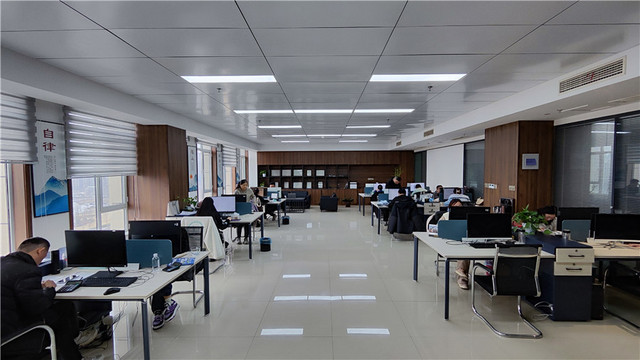
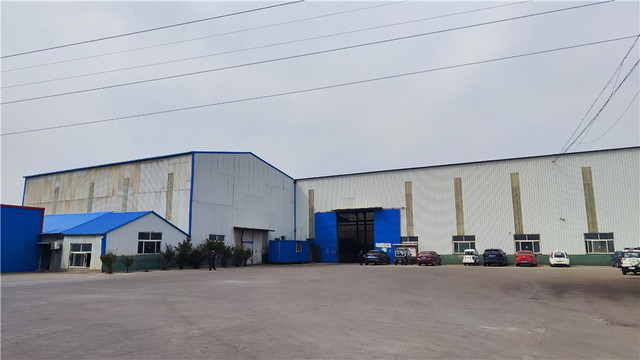
Dongguan Cellar Aluminum Co., Ltd. is a professional manufacturer specializing in aluminum material processing and supply, positioned as a Aluminium Plate Manufacturer | Aluminium Sheet & Industrial Metal Material Supplier. The company focuses on providing high-quality aluminum products widely used in construction, transportation, machinery manufacturing, packaging, electronics, and industrial engineering sectors.
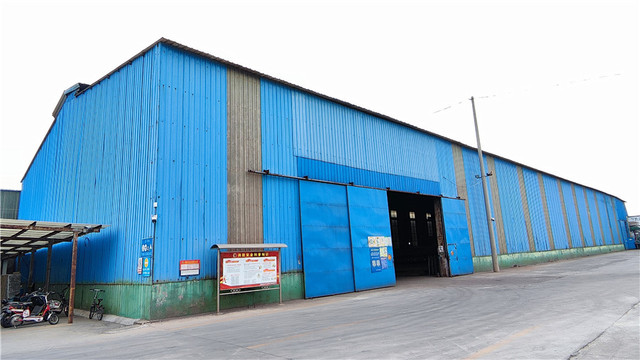
Established in 2011 in Dongguan, China, Cellar Aluminum began as a small aluminum processing workshop focused on basic sheet cutting and surface finishing services. With the rapid growth of industrial demand for lightweight and corrosion-resistant materials, the company expanded into large-scale production of aluminum plates, sheets, and tread plate solutions. By 2016, it had developed advanced capabilities in rolling, cutting, anodizing, and precision surface treatment.
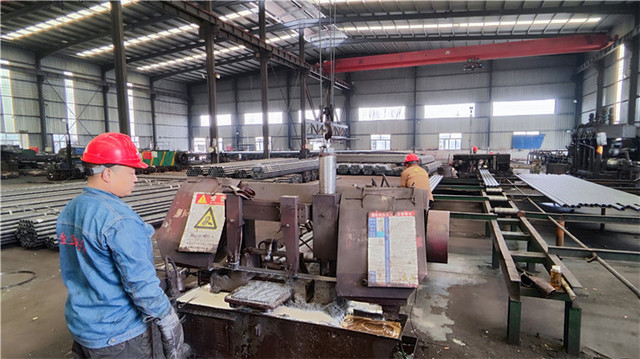
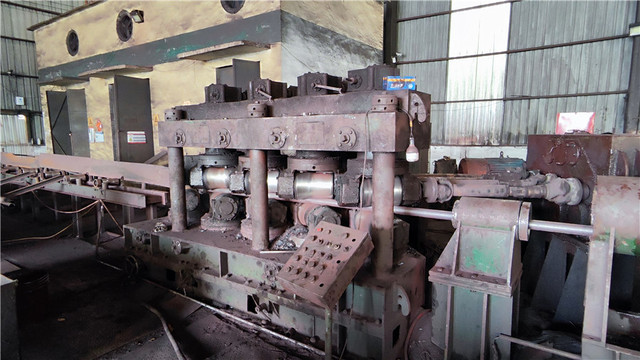
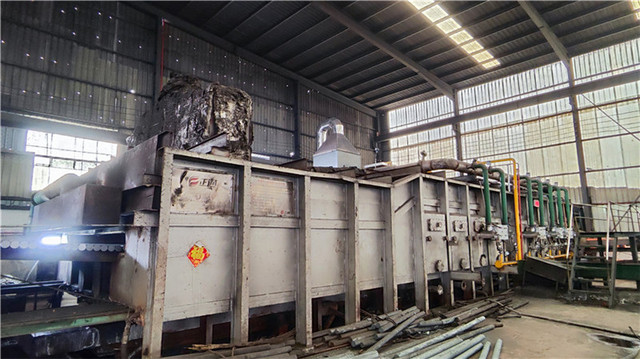
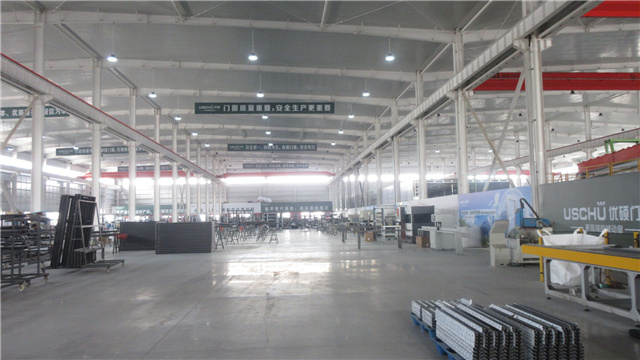
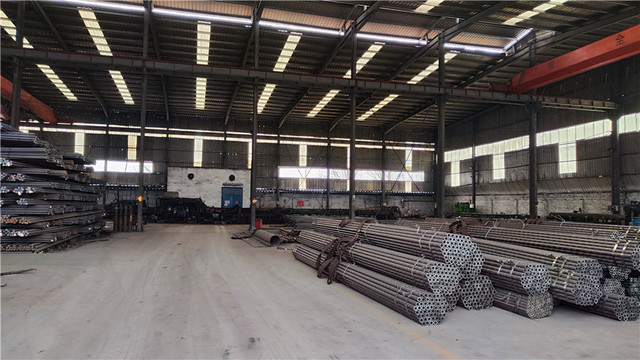
Today, Dongguan Cellar Aluminum Co., Ltd. operates modern production facilities equipped with automated rolling lines, precision cutting systems, and advanced surface treatment technologies. The company emphasizes strict quality control, stable material performance, and customized specifications to meet diverse industrial requirements. With a strong export network across Southeast Asia, the Middle East, Africa, and South America, Cellar Aluminum continues to deliver reliable and cost-effective aluminum solutions.
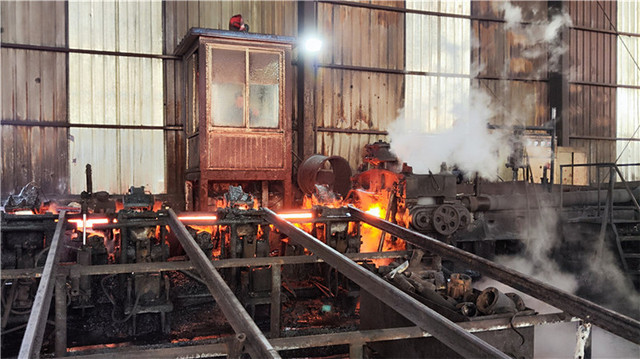
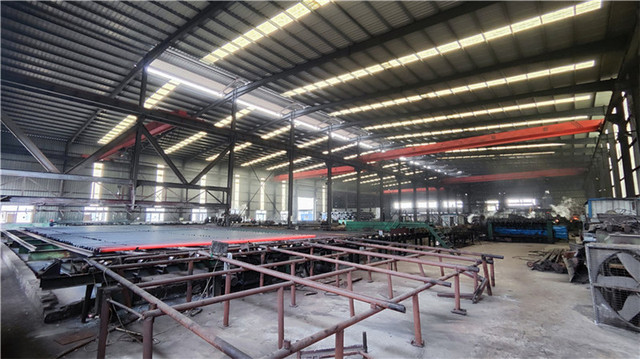
Procuring raw metal plates for East African markets often presents logistical and bureaucratic challenges. At Cellar Aluminum, we have optimized our supply chains to ensure predictable transit and hassle-free customs clearance for our Sudan-based clients. Shipping primarily through international sea lanes originating from Shenzhen or Nansha ports directly to Port Sudan (SDPZU), we manage the entire export documentation process.
Sheets are interlaid with moisture-absorbing neutral tissue, shrink-wrapped in protective plastic barriers, reinforced with heavy-duty desiccants, and banded to solid fumigated wooden pallets to prevent atmospheric corrosion during the sea transit.
We coordinate third-party pre-shipment inspections (SGS, Intertek, or Cotecna) as required by Sudanese import regulations, delivering all Certificates of Conformity (CoC) and complete chemical-physical analysis sheets directly to your customs brokers.
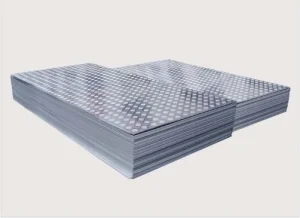
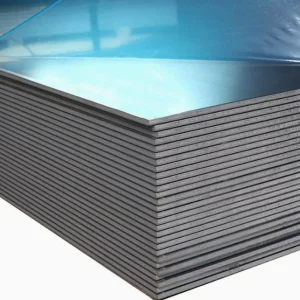
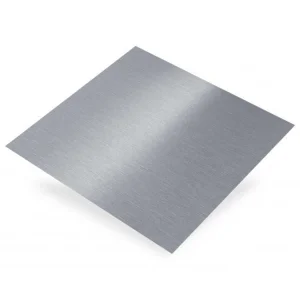
Explore our extensive range of high-strength alloys available for order. All dimensions and tempers can be customized to fit your specific engineering requirements in Sudan.
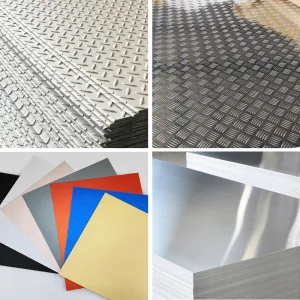
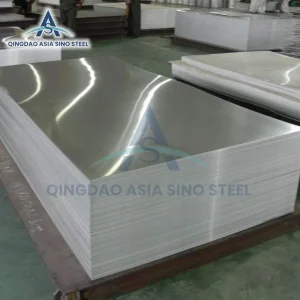
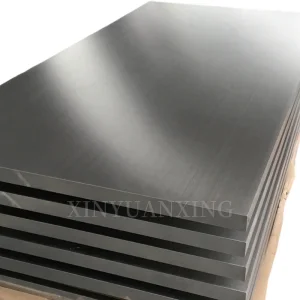
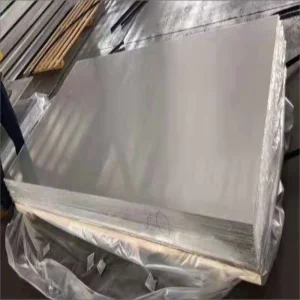
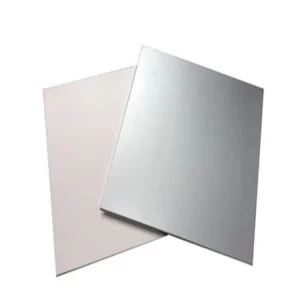
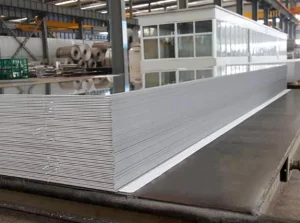
Answers to key engineering, logistical, and technical compliance questions asked by metal importers in Khartoum and Port Sudan.
7075 is alloyed primarily with zinc, delivering high yield strengths comparable to certain grades of structural steel but at one-third the weight density. The T651 temper indicates the material has been solution heat-treated, aged, and stress-relieved via controlled stretching. This mechanical stretching prevents the sheet from bowing or warping during aggressive high-speed milling in machine shops in Khartoum, saving production time and avoiding geometric defects.
We use multi-layer ocean-barrier packaging. The aluminum sheets are dry-packed with continuous surface interleaving to prevent friction marking. The stack is wrapped in thick, anti-condensation plastic film containing active silica-gel desiccant packs. The bundle is sealed and secured onto reinforced, fumigated ISPM-15 compliant wooden pallets with steel strap bands, ensuring the cargo arrives at Port Sudan completely dry and free from oxidation.
Yes. Every delivery is accompanied by an official Mill Test Certificate (MTC) conforming to the EN 10204 3.1 standard. This report lists the precise chemical composition (percentage of Zinc, Magnesium, Copper, Iron, etc.), mechanical test outcomes (Yield strength, Ultimate Tensile Strength, Elongation rate), and heat treatment history, ensuring 100% material traceability.
Not always. While 6061-T6 offers higher mechanical strength, 5083 has superior resistance to saltwater and general chemical exposure, making it the standard choice for marine hulls and structural elements at the Red Sea coast. However, 6061-T651 is preferred for high-stress structural joints and landing gear brackets where higher shear and tensile limits are mandatory.
Factory production and custom cutting generally require 7 to 15 days, depending on order size and custom parameters. Sea shipping from Nansha or Shenzhen to Port Sudan takes approximately 25 to 35 days under normal ocean freight schedules. We provide full port coordinates and container tracking info throughout transit.
Contact our sales engineers today to receive detailed technical specifications, material catalogs, and custom pricing quotes for Sudan.
Send Inquiry Now Cellar Aluminum