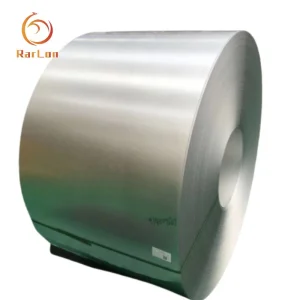
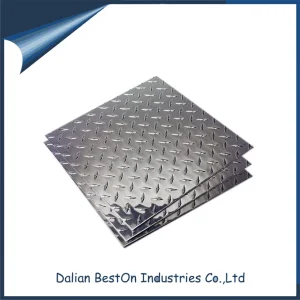
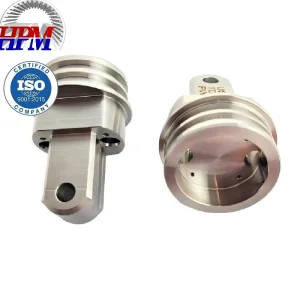
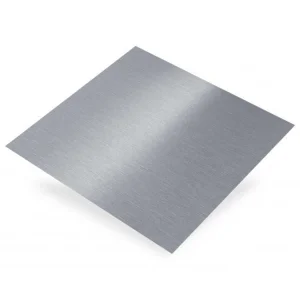
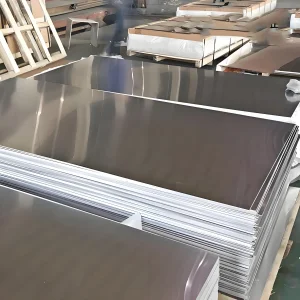
Explore our core manufacturing inventory, heavy-duty industrial components, and surface-treated alloy systems designed for global trade.
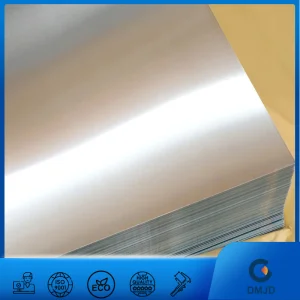
Expanded aluminium mesh sheets are engineered through a continuous slitting and stretching process that transforms solid aluminium coils or plates into a lightweight, structural, open-mesh material. Unlike perforated metals, expanded metal is manufactured without material loss, making it a highly sustainable option for modern industrial design and eco-conscious construction projects.
By slitting and stretching the metal in a single step, the fibers of the aluminium sheet are naturally cold-worked, resulting in an increased strength-to-weight ratio. The resulting diamonds, hexagons, or custom polygonal patterns provide inherent stability. Each strand and bond act as a structural beam, distributing loads across a multidimensional matrix.
From an engineering perspective, this process maintains the electrical and thermal conductivity of the raw alloy while introducing directional air, light, and sound permeability. For OEM/ODM procurement managers, selecting the right expansion pattern determines not only the visual aesthetic but also critical parameters like wind load tolerance, shear resistance, and electromagnetic shielding efficiency.
SWD (Short Way of Design): The length of the short diagonal of the diamond shape, measured from bond center to bond center.
LWD (Long Way of Design): The length of the long diagonal of the diamond shape, determining structural load spanning.
Strand Width & Thickness: Controls the visual opacity and overall physical load performance. Strand thickness matches the raw material sheet thickness.
Tailoring chemical compositions, geometric tolerances, and surface treatments to match high-demand industrial application requirements.
We source and process premium raw materials including 1050/1060 (high chemical purity/conductivity), 3003 (high workability & corrosion resistance), 5052 (marine-grade structural stability), and 6061-T6 (high-strength structural applications).
To withstand extreme weather or architectural exposure, we offer customized finishing options: dynamic architectural powder coating, PVDF fluorocarbon coatings for exterior cladding, precise anodization, and specialized electrophoretic coatings.
From simple mesh stretching to comprehensive OEM component assembly. Our post-processing capabilities include micro-slitting, panel tension leveling, geometric pattern shaping, edge-framing, profile bending, and precision automated TIG/laser welding.
| Alloy Series | Common Tempers | Tensile Strength (MPa) | Corrosion Resistance | Primary Industrial Use Cases |
|---|---|---|---|---|
| 1000 Series (e.g., 1050/1060) | O, H14, H24 | 65 - 125 | Excellent | Chemical filtration, battery grid electrodes, decorative interior panels |
| 3000 Series (e.g., 3003) | O, H14, H24 | 110 - 190 | Very High | General HVAC filters, ceiling grills, decorative light fixtures |
| 5000 Series (e.g., 5052/5083) | H32, H34, O | 190 - 290 | Outstanding (Marine) | Offshore platform walkways, marine structural grates, heavy vehicle grilles |
| 6000 Series (e.g., 6061) | T4, T6, T651 | 120 - 310 | Good / High Structural | Aerospace EMI shielding, structural walkways, security barrier fencing |
How local production clusters, automated machinery, and dynamic processing logistics reduce operational overhead for global buyers.
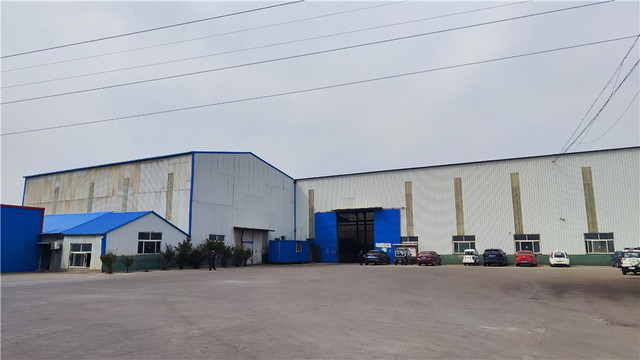
Established in 2011 in Dongguan, China, Dongguan Cellar Aluminum Co., Ltd. has evolved from a specialized regional aluminum workshop into an internationally recognized industrial supplier of aluminum plates, sheets, and processed metal materials. Our facility leverages the integrated industrial networks of the Pearl River Delta, ensuring stable and reliable supply channels for raw aluminum coils, surface finish treatments, and high-precision tooling.
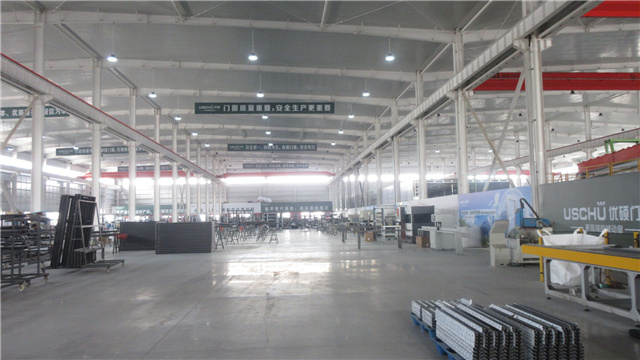
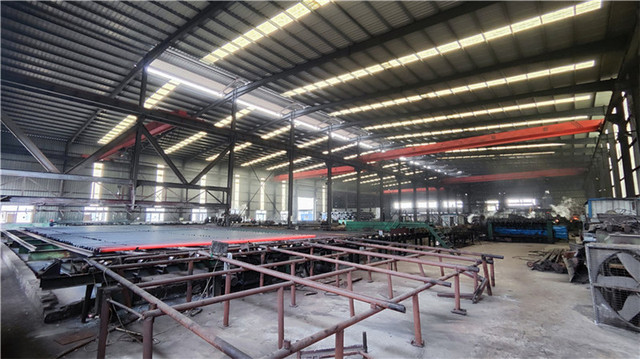
Our facility houses automated heavy-duty expanding machinery, high-speed slitting systems, precision tension levelers, and advanced surface coating lines. This enables us to maintain tight tolerances and exceptional flatness on heavy-duty sheet orders. Our proximity to major shipping ports like Shenzhen and Guangzhou guarantees rapid logistics handling for international shipments.
Inception in Dongguan focusing on basic custom sheet cutting and precision surface processing.
Acquisition of heavy-duty expanding presses and installation of automated anodizing and powder coating systems.
Serving infrastructure, defense, EV manufacturing, and aerospace clients across Southeast Asia, Europe, the Middle East, and the Americas.
Our capability to transition seamlessly from rapid prototyping to high-volume production runs is a core asset. Custom tooling design allows for the production of tailored aperture geometries that maximize open area ratios while retaining structural integrity.
Unlike perforated sheets that can waste up to 70% of raw materials during punching, our expander tooling slits and stretches the metal to its final form with zero material waste. This efficiency translates directly into cost savings, particularly for premium alloys like 5052 and 6061-T6.
How engineered expanded metal systems resolve technical challenges across high-performance industries.
Modern commercial buildings utilize expanded aluminum cladding systems for acoustic dampening, solar glare reduction, and natural ventilation. The three-dimensional pattern of expanded metal provides solar shading, blockading steep angle direct sunlight during summer months, which reduces building HVAC thermal loads.
From industrial gas scrubbers to high-efficiency air filtration systems, micro-expanded mesh layers serve as pleated support structures or primary media. Chemically resistant aluminum alloys perform reliably in moist, acidic, or basic environments, maintaining precise aperture layouts under high pressure.
In aerospace carbon-fiber composite components, lightweight expanded copper or aluminum mesh is embedded into the outer layers. This forms a continuous Faraday cage across the aircraft fuselage, dispersing electrical currents from lightning strikes and shielding sensitive avionics from electromagnetic interference (EMI).
As the electric vehicle market grows, safety is a key priority. Expanded aluminum meshes are increasingly used as fire-barrier linings, heat-dissipation plates, and mechanical shields. They protect underbody battery enclosures from road debris while allowing critical gas venting during potential thermal runaway events.
How we align our manufacturing outputs with global engineering specifications to ensure reliability in critical applications.
For international buyers and engineering houses, material compliance is essential. We produce mesh products to meet international standards such as ASTM F1267 (Standard Specification for Metal, Expanded, Steel), alongside EN, DIN, and ISO protocols. Every batch undergoes rigorous quality assurance inspections to verify structural parameters and surface treatment durability.
Our quality control processes include dimensional analysis using digital vision systems to verify SWD and LWD tolerances, tensile strength tests to confirm temper specifications, and coating thickness verification using magnetic induction or eddy-current instruments. For exterior cladding applications, we perform accelerated environmental simulation tests, such as salt spray tests (ASTM B117), to guarantee weatherability.
With every shipment, we provide comprehensive QA packages including:
Clear, technical answers to common queries regarding expanded metal mesh manufacturing, tolerances, and procurement.
Expanded aluminum mesh is typically more cost-effective because it is produced by slitting and stretching rather than punching out holes, resulting in zero raw material waste. Structurally, because the bonds and strands form a continuous piece of metal without welds or seams, it distributes stress more evenly. Perforated metal, however, offers more precise control over custom circular shapes and open-area percentages.
For outdoor and coastal environments, we recommend PVDF (Polyvinylidene Fluoride) coatings or Class I Anodizing (thickness > 18 microns). PVDF coatings provide excellent resistance against UV radiation, acid rain, and chalking, maintaining color integrity for over 20 years. Anodizing preserves the metallic aesthetic of the aluminum while creating a hard, corrosion-resistant oxide layer.
Yes. Our OEM/ODM capabilities include manufacturing micro-expanded mesh with an SWD starting down to 0.5mm and strand thicknesses as thin as 0.05mm. These ultra-precise profiles are widely used in chemical filtration, hydrogen fuel cells, and medical device enclosures.
Standard manufacturing dimensional tolerances are ±10% on SWD/LWD dimensions and ±10% on strand width. For custom precision engineering runs, we can achieve tolerances down to ±1.5% using specialized tension leveling and precision laser trimming lines.
To provide an accurate quote, we require: 1) Alloy Grade and Temper; 2) Sheet Thickness; 3) Strand Width; 4) SWD and LWD dimensions; 5) Total width/length of the panel; 6) Flat or raised finish; 7) Required surface treatments (e.g., mill finish, powder coating, anodized); and 8) Order quantity.
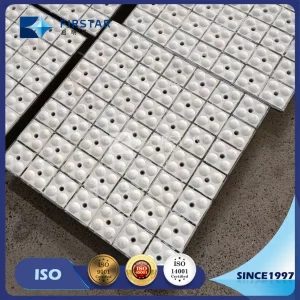
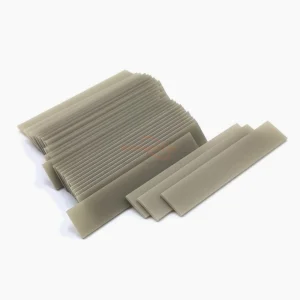
Review our secondary manufacturing lines, precision ceramic insulation substrates, and structural building panels.
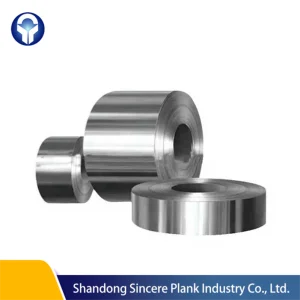
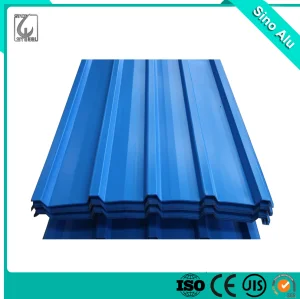
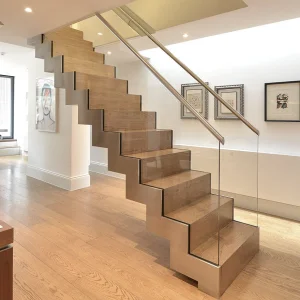
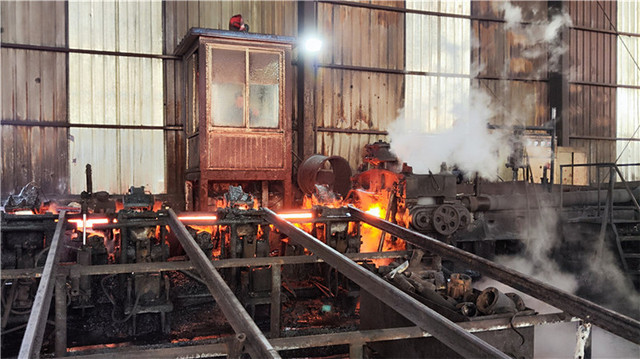
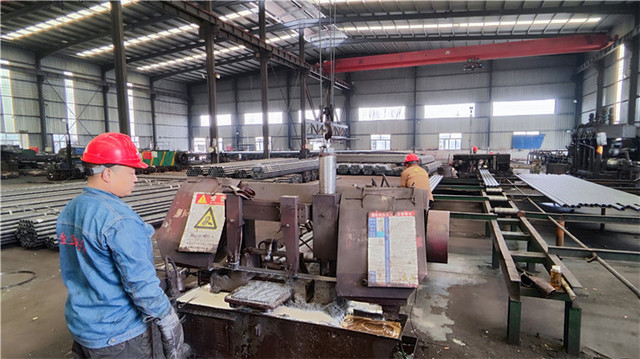
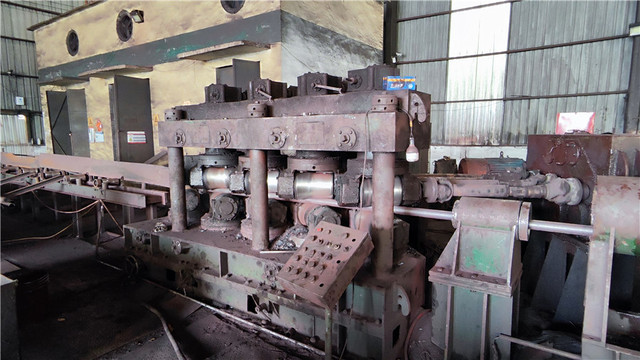
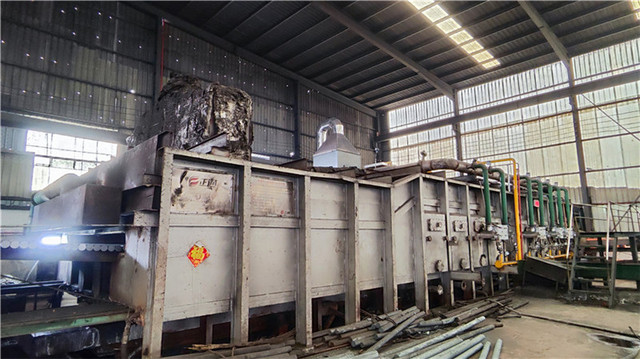
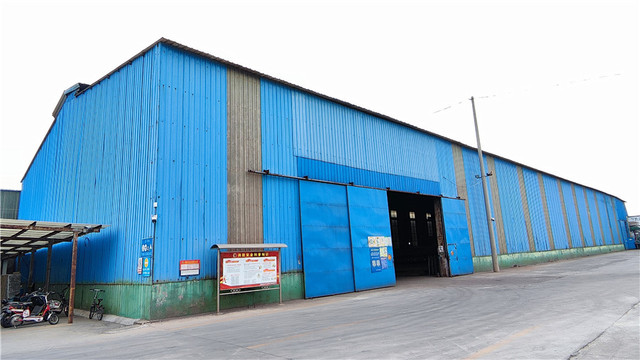
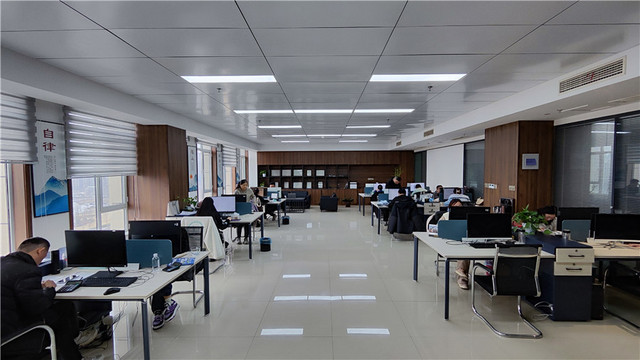
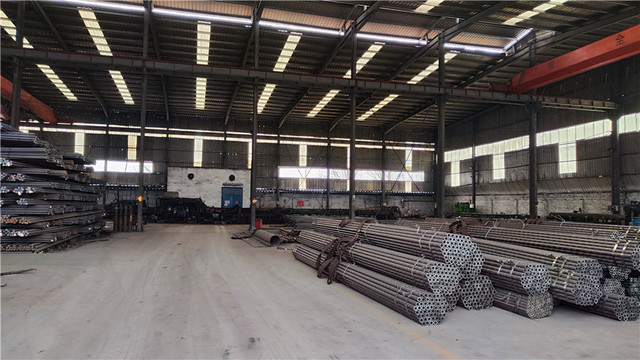
A visual tour of the Dongguan Cellar Aluminum manufacturing floors, rolling units, inventory storage, and inspection yards.
 Cellar Aluminum