Direct supply of high-performance alloy structures, refractory components, and custom-fabricated metal solutions matching stringent international standards.
In the pursuit of decarbonization, lightweight design, and thermal optimization, industrial designers are switching from heavy iron derivatives to advanced precision aluminium alloys.
Aluminium tube fabrication is at the nexus of modern engineering breakthroughs. Across sectors like automotive, HVAC/R, aerospace, power generation, and fluid logistics, the need for high-strength, thin-walled, and highly formable tubing systems has experienced a massive shift. Alloys like the 6000-series (structural and thermal strength), 3000-series (corrosion and heat transfer resilience), and 5000-series (marine and chemical stability) have become the default choices for high-performance projects globally.
The rise of Electric Vehicles (EVs) has specifically fueled unprecedented demand for battery cooling plates and liquid-cooling manifold piping. Similarly, global green building regulations are forcing architectural and HVAC system designers to deploy highly recyclability-friendly material options. Engineered aluminum profile fabrications achieve up to a 50% weight reduction compared to conventional copper or steel installations, while offering custom complex cross-sections through direct extrusion.
Rapid expansion in EV heat dissipation manifolds, battery housing braces, and high-conductivity crash management elements.
Adoption of micro-channel aluminum tubes, boosting heat transfer performance while saving refrigerant charge capacity.
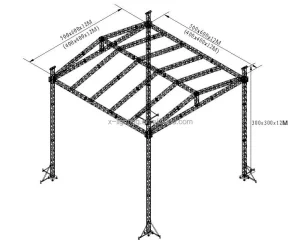
Lightweight space frames, exhibition stage structures, and outdoor building facade systems built for high-wind loads.
Our systematic engineering pipelines ensure design accuracy, structural uniformity, and batch-to-batch predictability from bauxite processing to final surface coating.
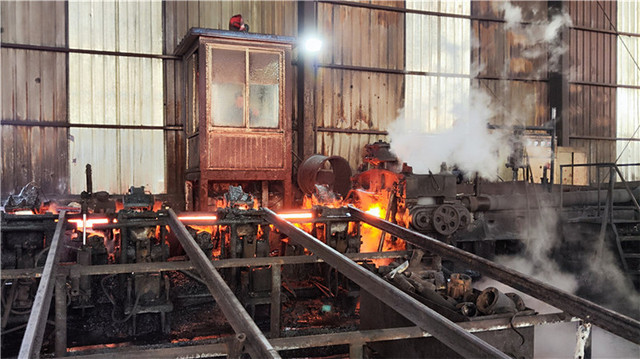
Optimized aluminum alloy billets (such as 6063, 6061, 3003) are heated and forced through customized dies to achieve structural geometries with uniform wall thickness control.
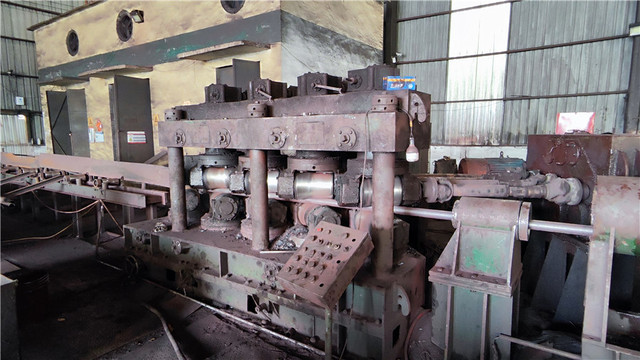
Automatic mandrel-supported bending preventing wrinkles and cross-sectional collapse, achieving ultra-precise bend angles down to +/- 0.5 degrees.
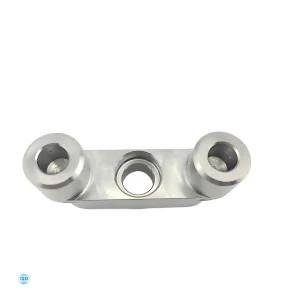
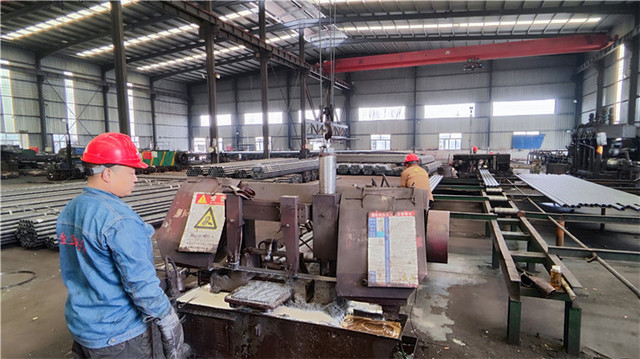
Rotary draw, swaging, expanding, and robotic milling of side ports, slots, and threads to match complex fluid connection requirements.
State-of-the-art MIG/TIG and clean Laser Welding systems guaranteeing high joint-strength and leak-proof characteristics under continuous pressure cycles.
Anodizing (Type II & III), hard coat finishing, sandblasting, and PVDF liquid/powder painting for enhanced corrosion resistance and aesthetics.
Thin-walled tubes are highly prone to buckling during bending. By using advanced internal hydraulic support (Hydroforming) and precision-aligned synthetic mandrels, we ensure smooth interior surfaces. This is critical for HVAC refrigerants and automotive coolant circuits, where flow restriction or pressure drop must be kept to a bare minimum.
Bridging the gap between raw extrusion profiles and localized regional mechanical setups across North America, Europe, and Asia.
Custom 6005A-T6 structural support tubes designed for utility-scale solar tracker systems. Engineered to withstand high coastal humidity and regional wind gusts up to 140mph.
Liquid cold plates and multiport extruded tubes matching strict REACH directives. Optimized for electric utility vehicles, ensuring thermal stability across European highway networks.
High-density marine-grade 3003 condenser tubing assemblies deployed in urban coastal buildings. Offering maximum salt-spray life cycle and optimized thermodynamic heat recovery rates.
Dongguan Cellar Aluminum Co., Ltd. sits in the world's most integrated industrial cluster, offering unmatched rapid tooling, design iteration, and logistics advantages.
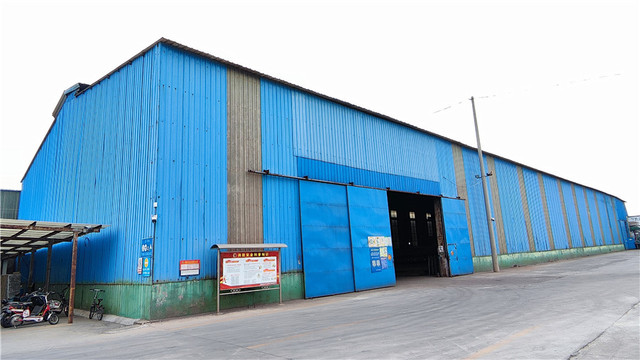
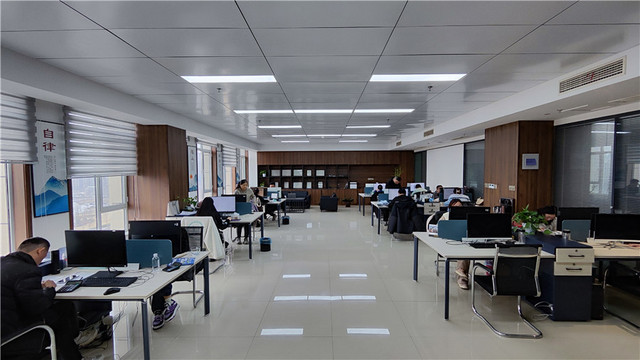
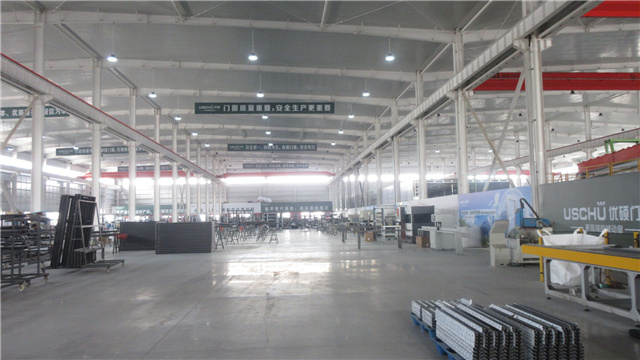
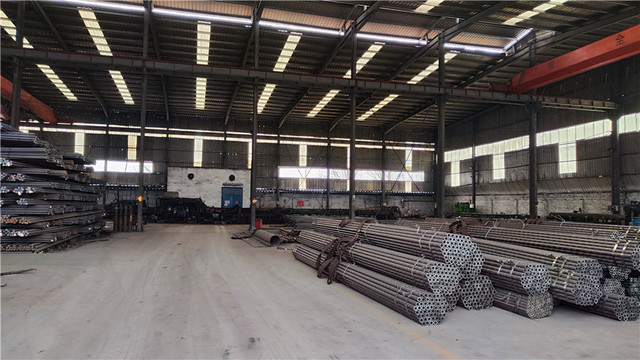
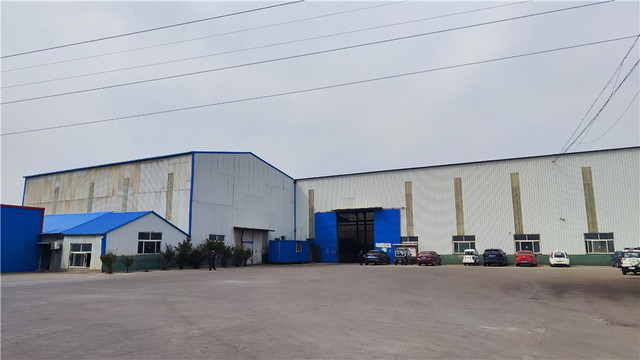
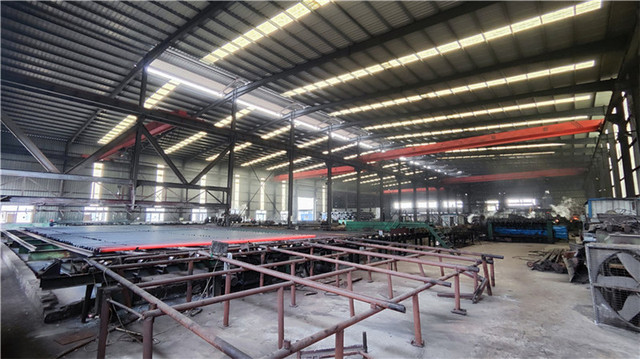
Located in the heart of Dongguan's manufacturing corridor, Dongguan Cellar Aluminum Co., Ltd. leverages a highly organized ecosystem of auxiliary metal processing factories. From bauxite refining raw supply stability to local surface treatment centers, our raw material lead time is up to 40% shorter than overseas competitors. Under one roof, we execute mold design, prototype development, precision extrusion, multi-axis CNC bending, secondary machining, and strict quality control.
Our localized industrial cluster dramatically reduces domestic logistics overheads. By using regional automated rolling mills and nearby deep-water ports (Shenzhen and Guangzhou), we offer seamless global logistics setups. Our engineers collaborate directly with customers on structural design modifications, producing first-article prototypes in as little as 5 to 7 business days.
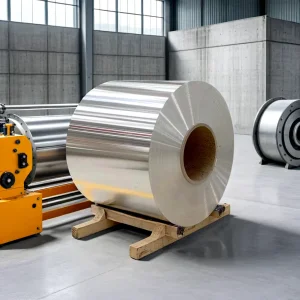
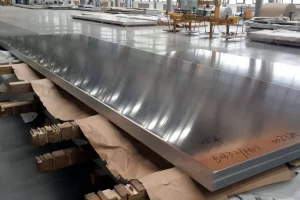
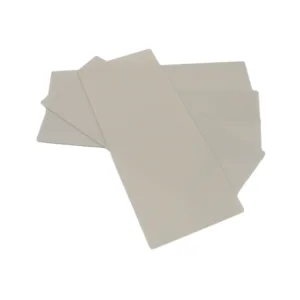
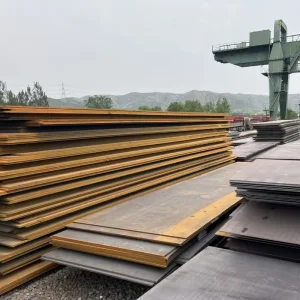
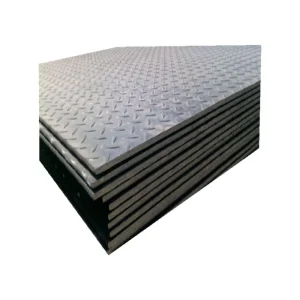
Dongguan Cellar Aluminum Co., Ltd. is a professional manufacturer specializing in aluminum material processing and supply, positioned as a Aluminium Plate Manufacturer | Aluminium Sheet & Industrial Metal Material Supplier. The company focuses on providing high-quality aluminum products widely used in construction, transportation, machinery manufacturing, packaging, electronics, and industrial engineering sectors.
Established in 2011 in Dongguan, China, Cellar Aluminum began as a small aluminum processing workshop focused on basic sheet cutting and surface finishing services. With the rapid growth of industrial demand for lightweight and corrosion-resistant materials, the company expanded into large-scale production of aluminum plates, sheets, and tread plate solutions. By 2016, it had developed advanced capabilities in rolling, cutting, anodizing, and precision surface treatment.
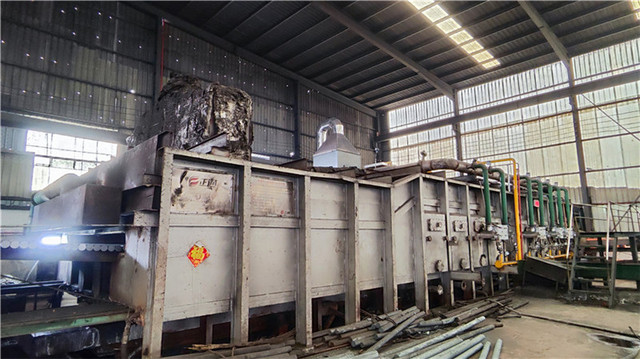
Today, Dongguan Cellar Aluminum Co., Ltd. operates modern production facilities equipped with automated rolling lines, precision cutting systems, and advanced surface treatment technologies. The company emphasizes strict quality control, stable material performance, and customized specifications to meet diverse industrial requirements.
With a strong export network across Southeast Asia, the Middle East, Europe, and South America, Cellar Aluminum continues to deliver reliable and cost-effective aluminum solutions. Committed to innovation, sustainability, and material performance enhancement, the company plays an active role in supporting global industrial manufacturing and modern infrastructure development.
Ensuring smooth project validation and qualification cycles in strict accordance with ASTM, EN, and IATF standards.
We provide full chemical composition traceability and mechanical performance certification for every custom fabrication batch. Our testing lab features advanced optical spectrometers, eddy current inspection systems, hydro-testing pumps, and tensile test machinery. This level of quality assurance is why our global clients confidently specify our parts in high-liability products.
| Alloy Group | Standard Specification | Key Mechanical Properties | Primary Applications |
|---|---|---|---|
| 3000 Series (e.g. 3003) | ASTM B210 / EN 573 | Tensile Strength: 110-190 MPa, High Ductility | EV Battery Coolant Loops, HVAC Condensers, Heat Exchangers |
| 5000 Series (e.g. 5052) | ASTM B210 / EN 755 | Tensile Strength: 190-260 MPa, Excellent Corrosion Resistance | Marine Structural Piping, Hydraulic Systems, Outdoor Architectural Fittings |
| 6000 Series (e.g. 6061/6063) | ASTM B221 / EN 12020 | Tensile Strength: 150-310 MPa, Premium Surface Finish | Structural Frames, Solar Mounting Rigs, CNC Custom End Pieces |
Find quick technical answers on engineering tolerances, minimum bending radii, wall thickness configurations, and customization options.
Browse our wider range of sheet materials, heavy-duty composites, and automated production machinery.
 Cellar Aluminum