High-specification structural materials, industrial components, and thermal barrier systems optimized for strict technical compliance.
In modern structural engineering and precision component manufacturing, procurement managers and sourcing leads face a critical challenge: securing high-tolerance, burr-free, and dimensionally stable aluminum profiles at scale. The global supply chain demands highly customizable OEM aluminium profile cutting services that bypass secondary manufacturing bottlenecks. From high-speed rail systems to industrial automation gantries, the accuracy of the initial cross-sectional cut directly governs downstream assembly speed, mechanical strength, and fatigue resistance of structural nodes.
Purchasing decisions for custom extruded profiles are no longer based purely on per-ton material costs. Sophisticated global enterprises evaluate manufacturers across a strict matrix of technical and structural metrics:
As structural materials transition toward lighter weight configurations to comply with global carbon-reduction policies, precision aluminum extrusions are steadily replacing traditional steel framing. Sourcing teams look to OEMs capable of managing complex alloy formulations, including specialized 6000-series (structural/architectural) and 7000-series (aerospace/military) tempers, while maintaining exact angular tolerances down to ±0.05 degrees.
Industrial structural assemblies often require specialized secondary operations post-cutting. A robust aluminum OEM provider delivers comprehensive processing solutions spanning CNC milling, high-capacity punching, double-mitre cutting, and deep-drawn surface profiling. When integrated at the sourcing level, these services streamline construction projects and manufacturing throughput.
Structural chassis elements, weight-saving engine components, and crash-management systems utilizing light, high-strength T6 tempered alloys.
Mounting rails, tracking frames, and structural supports engineered for high wind load performance and superior atmospheric corrosion resistance.
Ultra-precise linear guide rails, modular framing components, and robotic arm elements demanding extremely low dimensional tolerances.
Furthermore, our manufacturing processes prioritize custom tolerances across complex geometries. By controlling factors such as tool wear, thermal expansions, and blade vibration, we supply cut-to-length profiles that eliminate the need for costly post-arrival machining.
Established in 2011 in Dongguan, China, Dongguan Cellar Aluminum Co., Ltd. has evolved from a specialized aluminum processing workshop into a premier global manufacturer and exporter. The company's strategic position as an Aluminium Plate Manufacturer | Aluminium Sheet & Industrial Metal Material Supplier enables it to supply reliable metal resources across major engineering sectors worldwide.
In 2011, the facility focused on localized cutting, material sorting, and essential surface leveling. Recognizing the global pivot towards high-strength, lightweight materials, the company expanded its footprint in 2016. By integrating state-of-the-art multi-axis rolling lines, precision computer-controlled sawing lines, and modern chemical finishing bays, we established a consistent, repeatable manufacturing standard for global clients.
Today, Dongguan Cellar Aluminum operates production centers equipped with automated rolling machinery, precision multi-blade saws, and extensive metal-slitting plants. Our dedication to material traceabilities, certified chemical compositions, and dimensional validation has positioned the brand as a key supplier for infrastructure, consumer electronics, industrial manufacturing, and marine applications.
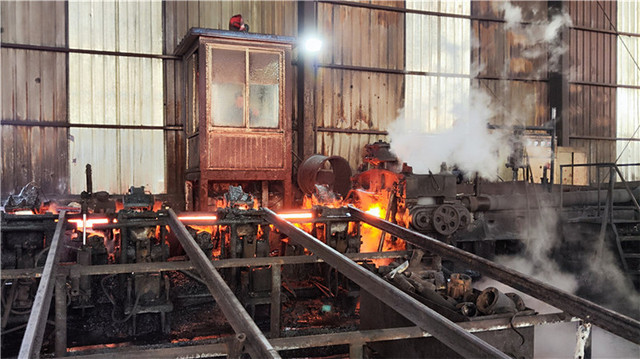
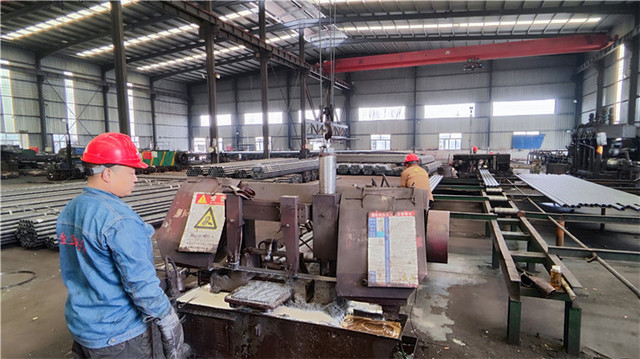
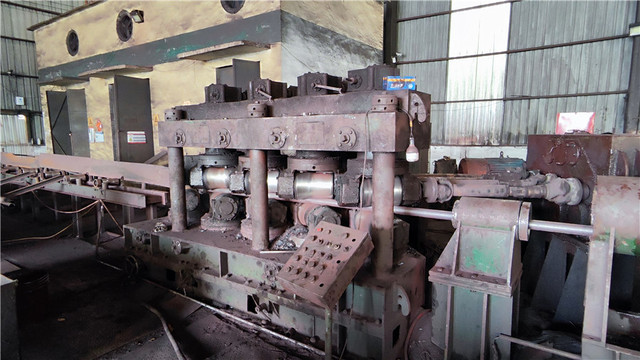
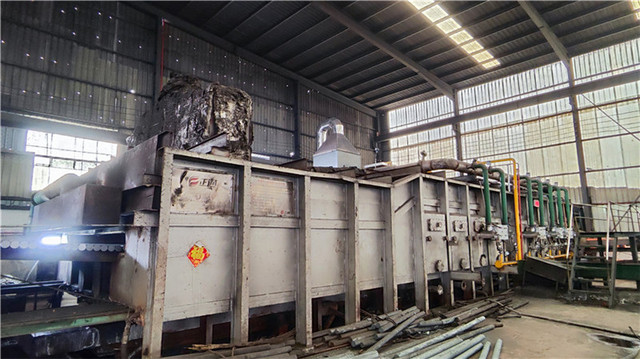
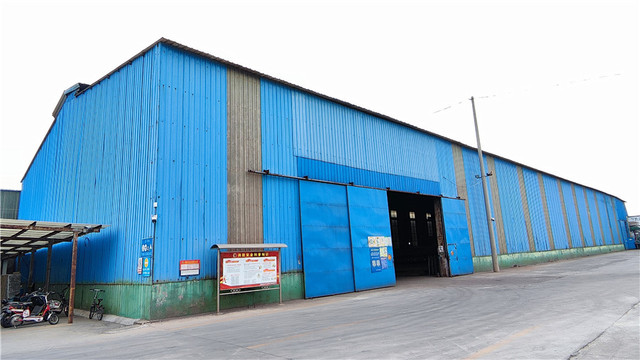
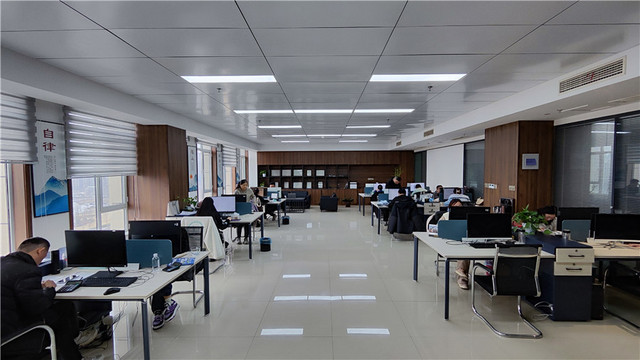
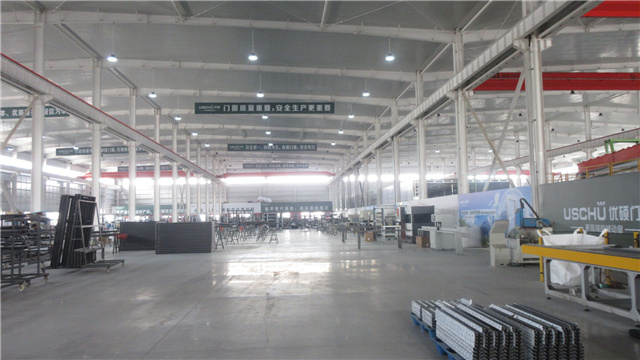
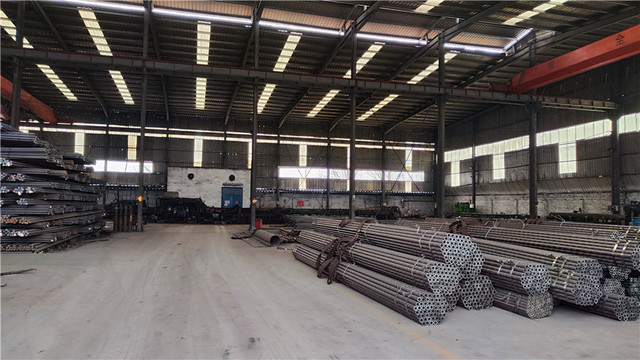
The cutting profile accuracy of aluminum alloy shapes relies on managing thermal deformation. Unlike carbon steels, aluminum exhibits a high coefficient of thermal expansion, making it highly susceptible to heat buildup. To maintain narrow dimensional envelopes, we implement three critical processing methodologies:
For standard cross-cuts, we utilize high-rpm circular sawing machines with carbide-tipped circular blades. The teeth geometries are optimized based on the extrusion cross-section, ensuring minimal kerf loss. A continuous stream of high-grade cooling lubricants prevents edge welding and ensures smooth surface finishes along the cut boundaries.
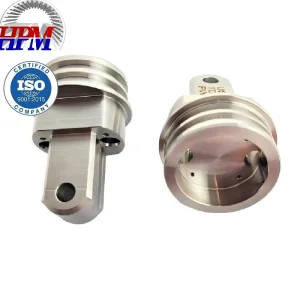
When custom shapes require miter cuts, angled windows, or fastener holes, we use 3-axis, 4-axis, or 5-axis CNC machining centers. These systems carry out drilling, tapping, profiling, and cutting under a unified coordinate setup, eliminating errors caused by manual handling and component re-fixturing.
Post-machining, cut sections often require surface protection. Our integrated finishing lines support standard deburring, sandblasting, and anodizing to provide enhanced corrosion resistance. This is particularly critical for structural applications exposed to outdoor or marine environments.
Securing international industrial projects requires strict adherence to global engineering codes. Our manufacturing facilities are operated in compliance with ISO 9001 and environmental protection standards. Every batch of raw aluminum billet undergoes spectral analysis to verify alloy chemistry before extrusion and cutting.
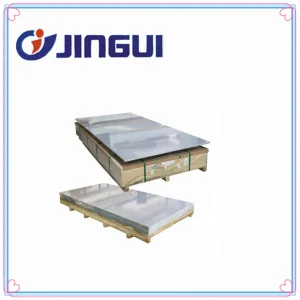
Additionally, our logistics networks are optimized to handle international bulk shipments safely. By utilizing moisture-barrier packaging, customized wooden cradles, and surface-interleaving protection, we ensure that high-finish profiles reach destinations across Europe, the Americas, and Southeast Asia without surface damage or oxidation.
Expert responses addressing common procurement, technical, and quality concerns regarding aluminum profile cutting and machining.
High-strength sheets, composite panel solutions, non-standard components, and functional metals for industrial applications.
 Cellar Aluminum