Premium metal sheets, alloys, and composite building panels sourced directly for global engineering, railway, marine, and construction sectors.
Analyzing alloy design parameters, grain recrystallization thresholds, and mechanical stress resilience for HVACR and thermal management systems.
Aluminium fin stock represents the thermodynamic backbone of modern commercial heat exchangers, HVAC evaporators, and automotive cooling circuits. Due to the high heat conductivity of pure aluminium (~205 W/m·K at 293 K) combined with structural weight savings, its specification directly determines energy conversion efficiency and service life.
Industrial heat exchangers demand a delicate equilibrium between metallurgical strength, corrosion resistance, and formability. Fin stock materials must withstand intensive mechanical manipulation—including drawing, bending, collar formation, and lancing—without sustaining surface fracturing or micro-tears. The core choice of alloy family governs these parameters:
Characterized by high iron and silicon contents, these alloys are cold-rolled into ultra-thin foil gauges (sub-0.1mm) with excellent sag resistance and high tensile strength after brazing cycles.
Providing optimal corrosion resistance and higher mechanical properties. Formulations like 3003 and 3102 are widely deployed in severe outdoor condenser units and industrial evaporators.
Unalloyed grades such as 1100 and 1050 yield the highest thermal and electrical conductivity values, suitable for operations where raw heat transfer is prioritized over mechanical yield limits.
For clad fin applications (essential in automotive radiator assemblies), the core alloy is typically sandwiched between layer claddings of lower-melting-point Al-Si alloys (4xxx series). During vacuum or controlled atmosphere brazing (CAB) at approximately 600°C, the cladding melts to form a secure metallic joint with the refrigerant tube while the core maintains its structural form.
A reference table mapping alloy chemistries to mechanical, thermal, and application environments.
| Alloy Family | Common Tempers | Tensile Strength (MPa) | Thermal Conductivity (W/m·K) | Primary Industrial Applications |
|---|---|---|---|---|
| Alloy 1100 | O, H14, H24 | 90 - 145 | 218 - 222 | Residential HVAC, electrical heat sinks, standard low-pressure evaporators |
| Alloy 3003 | H14, H22, O | 110 - 180 | 193 - 200 | Automotive heat exchangers, heavy industrial boilers, coastal air conditioning units |
| Alloy 8011 | H18, H22, O | 125 - 195 | 180 - 190 | Ultra-thin radiator fins, precision micro-channel heat exchangers (MCHX) |
| Alloy 8006 | O, H24 | 130 - 185 | 175 - 185 | High-drawing-depth fin profiles, deep-draw mechanical forming setups |
How specialized aluminium fin stock materials resolve critical thermal challenges in automotive engineering, green energy, and construction.
In modern engineering, the deployment of aluminium fin stock extends across three major global industrial sectors:
The push for lighter electric vehicles (EVs) requires advanced liquid cooling plates and micro-channel condensers. Fin stock must guarantee excellent corrosion prevention to counter galvanic action in chassis-mounted locations, utilizing specialized sacrificial anodes or zinc-diffusion layers.
Large-scale HVAC installations in urban commercial complexes demand durability against atmospheric pollutants. Pre-coated hydrophilic and hydrophobic aluminium fin stocks prevent condensation bridging, ensuring energy efficiency in high-humidity zones.
In power plants, petrochemical units, and cryogenics, massive finned air cooling systems transfer heat under high load. Alloys used here are selected for creep resistance at high temperatures and compatibility with industrial washdown cycles.
The operational framework of Dongguan Cellar Aluminum Co., Ltd. and its advanced material processing infrastructure.
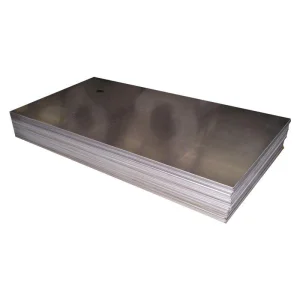
Dongguan Cellar Aluminum Co., Ltd. is a professional manufacturer specializing in aluminum material processing and supply, positioned as an Aluminium Plate Manufacturer | Aluminium Sheet & Industrial Metal Material Supplier. The company focuses on providing high-quality aluminum products widely used in construction, transportation, machinery manufacturing, packaging, electronics, and industrial engineering sectors.
Established in 2011 in Dongguan, China, Cellar Aluminum began as a small aluminum processing workshop focused on basic sheet cutting and surface finishing services. With the rapid growth of industrial demand for lightweight and corrosion-resistant materials, the company expanded into large-scale production of aluminum plates, sheets, and tread plate solutions. By 2016, it had developed advanced capabilities in rolling, cutting, anodizing, and precision surface treatment.
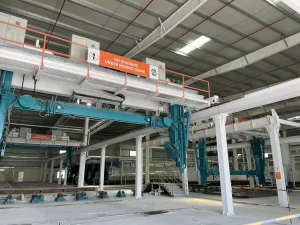
Today, Dongguan Cellar Aluminum Co., Ltd. operates modern production facilities equipped with automated rolling lines, precision cutting systems, and advanced surface treatment technologies. The company emphasizes strict quality control, stable material performance, and customized specifications to meet diverse industrial requirements. With a strong export network across Southeast Asia, the Middle East, Europe, and South America, Cellar Aluminum continues to deliver reliable and cost-effective aluminum solutions. Committed to innovation, sustainability, and material performance enhancement, the company plays an active role in supporting global industrial manufacturing and modern infrastructure development.
To support high-precision, continuous-feed fin stamping dies, our Factory 4.0 facilities utilize automated tension levelers and precision slitting systems. Modern stamping operations run at rates up to 300 strokes per minute, meaning even micro-scale gauge variations can cause tool breakage or structural distortion. By utilizing closed-loop digital thickness controls, gauge tolerances are kept within ±0.002 mm, minimizing downstream machinery downtime for global OEMs.
Anticipating next-generation thickness reduction, advanced coating materials, and sustainable recycling paths.
The future of heat exchanger design points toward higher thermal integration density and reduced material weight. Key research and development pathways include:
Driven by automotive lightweighting, thin-gauge foil technology is approaching 45-50 microns. Achieving this requires refined recrystallization textures during hot and cold rolling to prevent pinholes and edge cracking.
Next-gen coatings use organic-inorganic hybrid matrices that prevent corrosion and fungal growth in moist HVAC environments, keeping the surface pressure drop low over years of operational cycling.
By optimizing Mn and Fe solute concentrations in the aluminum matrix, new alloys deliver high post-braze strength while maintaining ductility for complex fin designs (like louvered and offset strip models).
Addressing international quality standards, supply chain risk management, and import-export compliance frameworks.
Global industrial sourcing managers look for reliable performance and regulatory compliance when choosing an aluminum supplier. To ensure consistent quality across international borders, our operations comply with globally recognized material specifications:
Our international export services include seaworthy export packaging (heavy-duty wooden pallets, rust-preventing desiccants, and robust steel strapping) to protect coils from high humidity and physical shock during long ocean transits.
Technical answers to common questions about sourcing, fabricating, and processing aluminium fin stock.
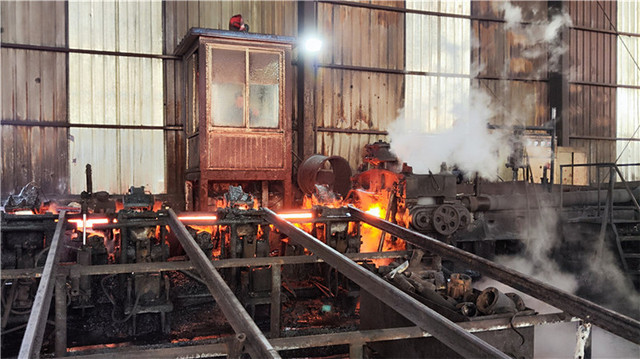
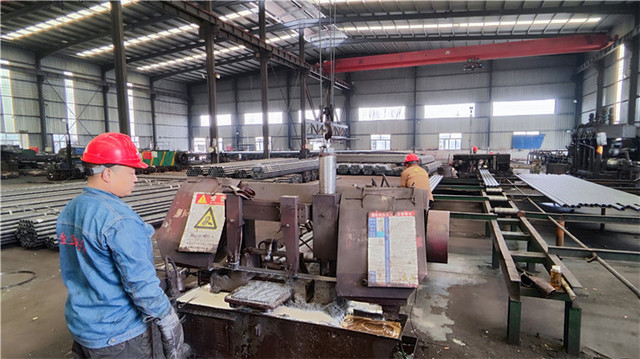
A visual overview of our industrial processing workshops, advanced rolling mills, and quality control systems in Dongguan, China.
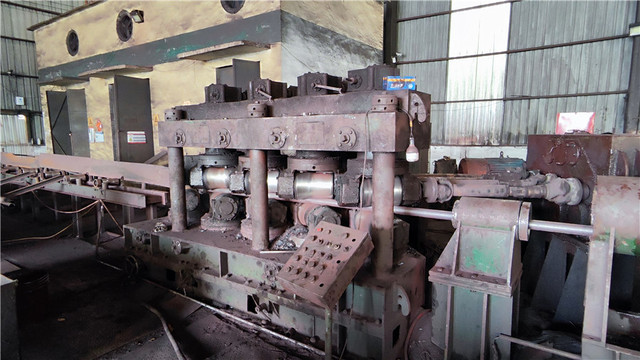
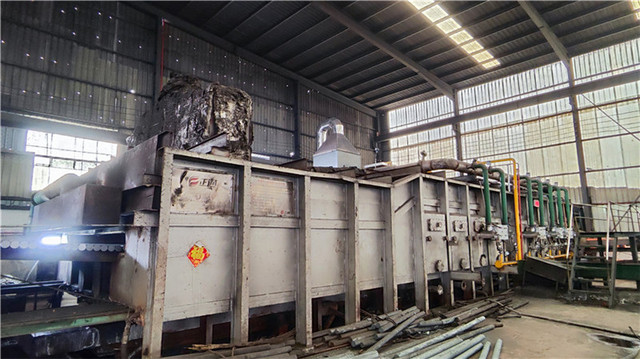
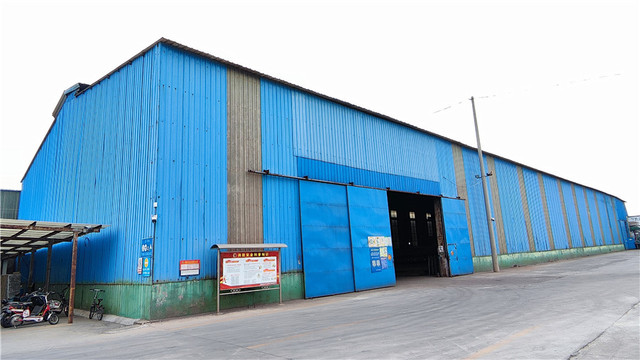
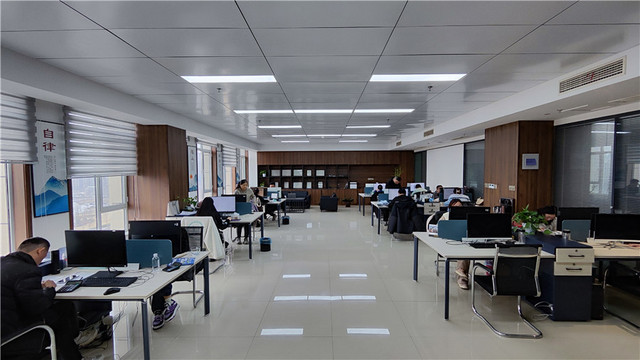
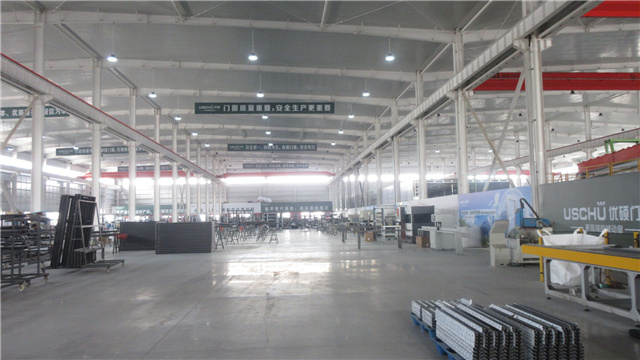
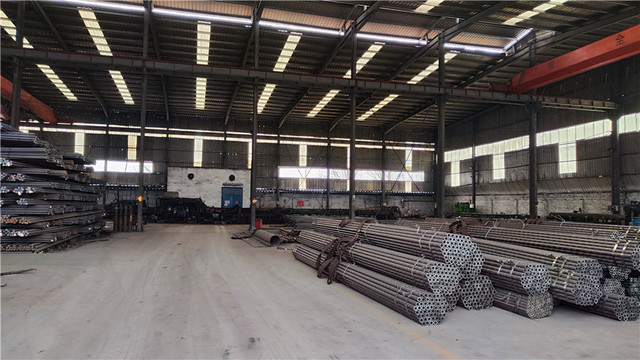
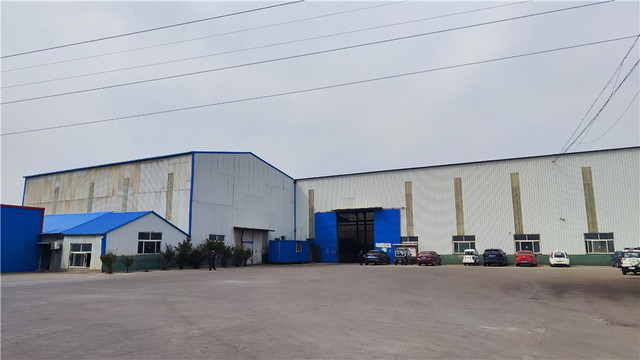
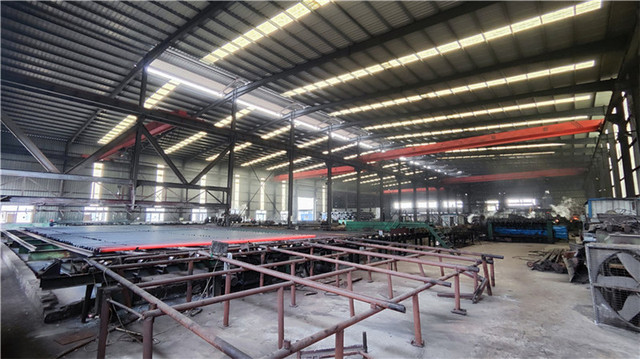
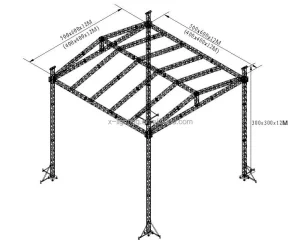
A selection of advanced composite materials, non-ferrous alloys, high-performance structural elements, and process tools.
 Cellar Aluminum