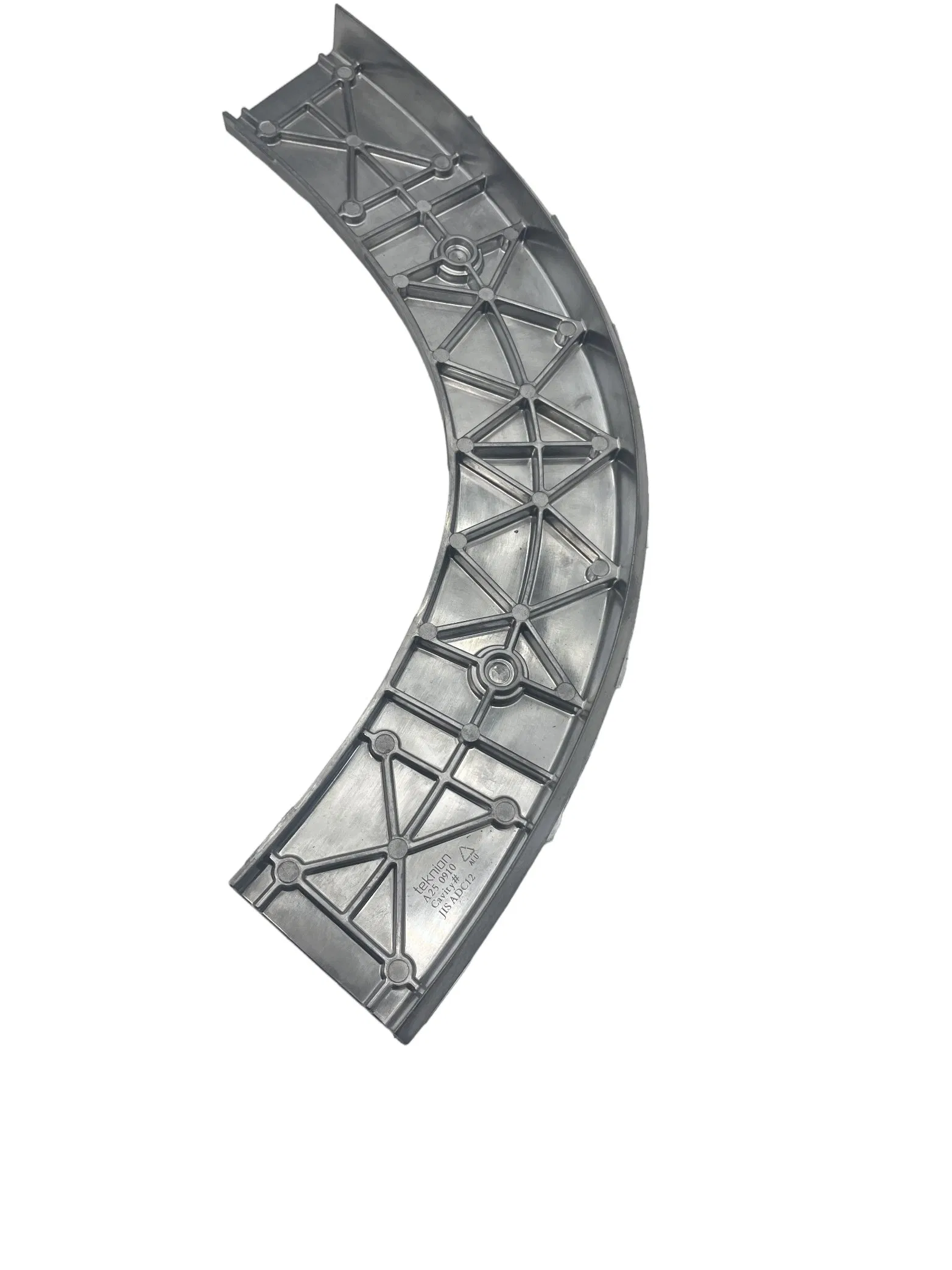
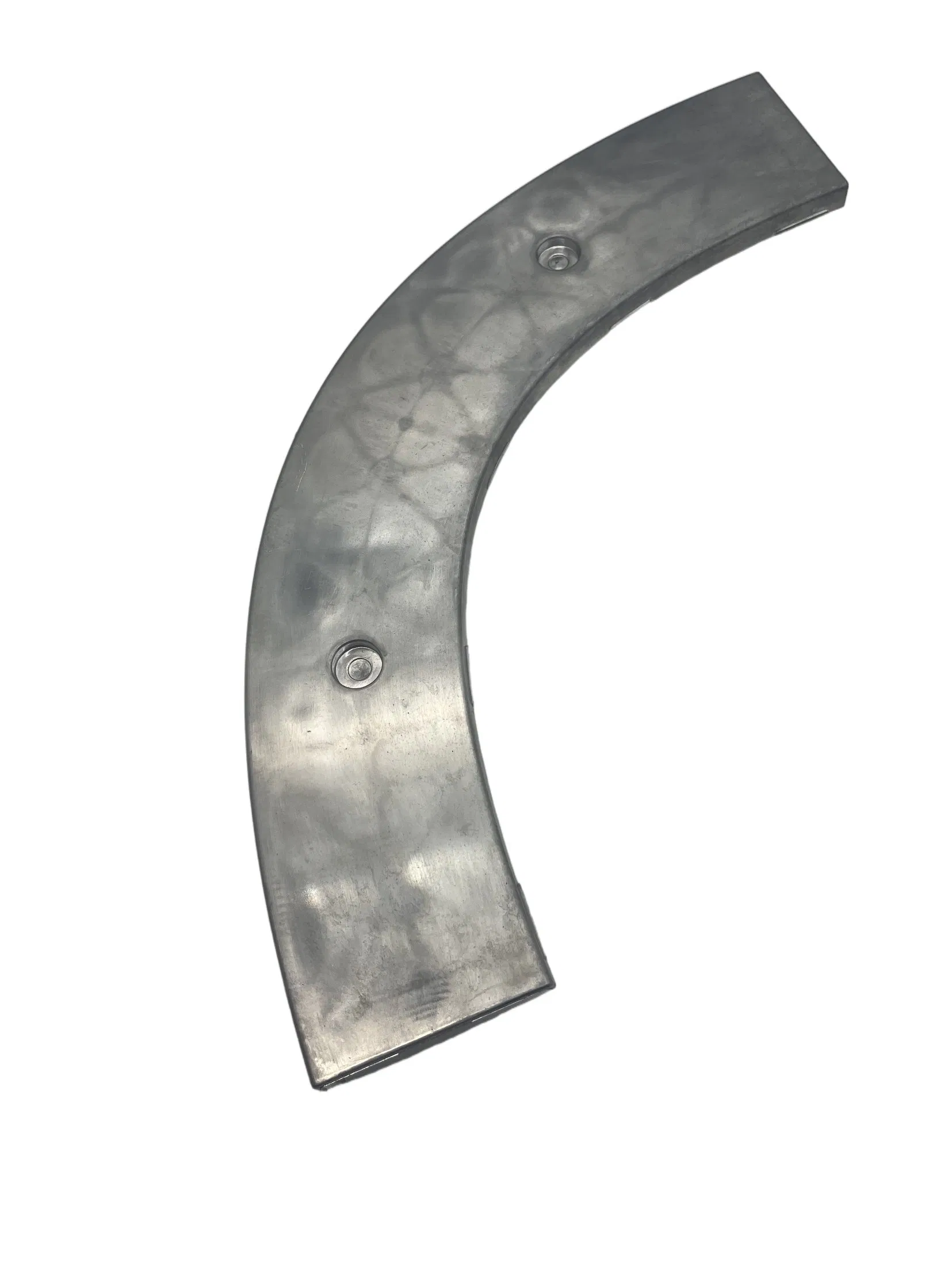
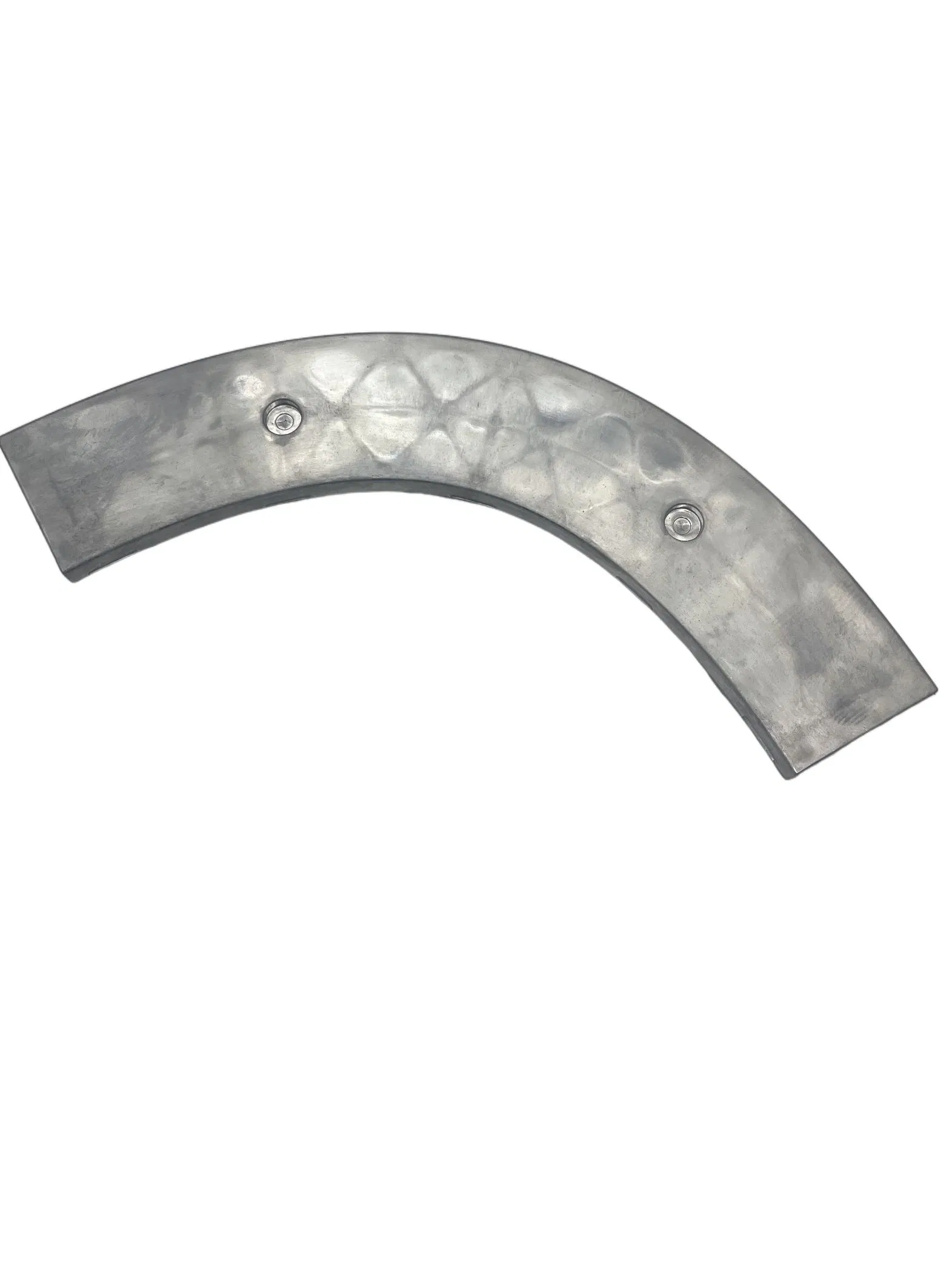
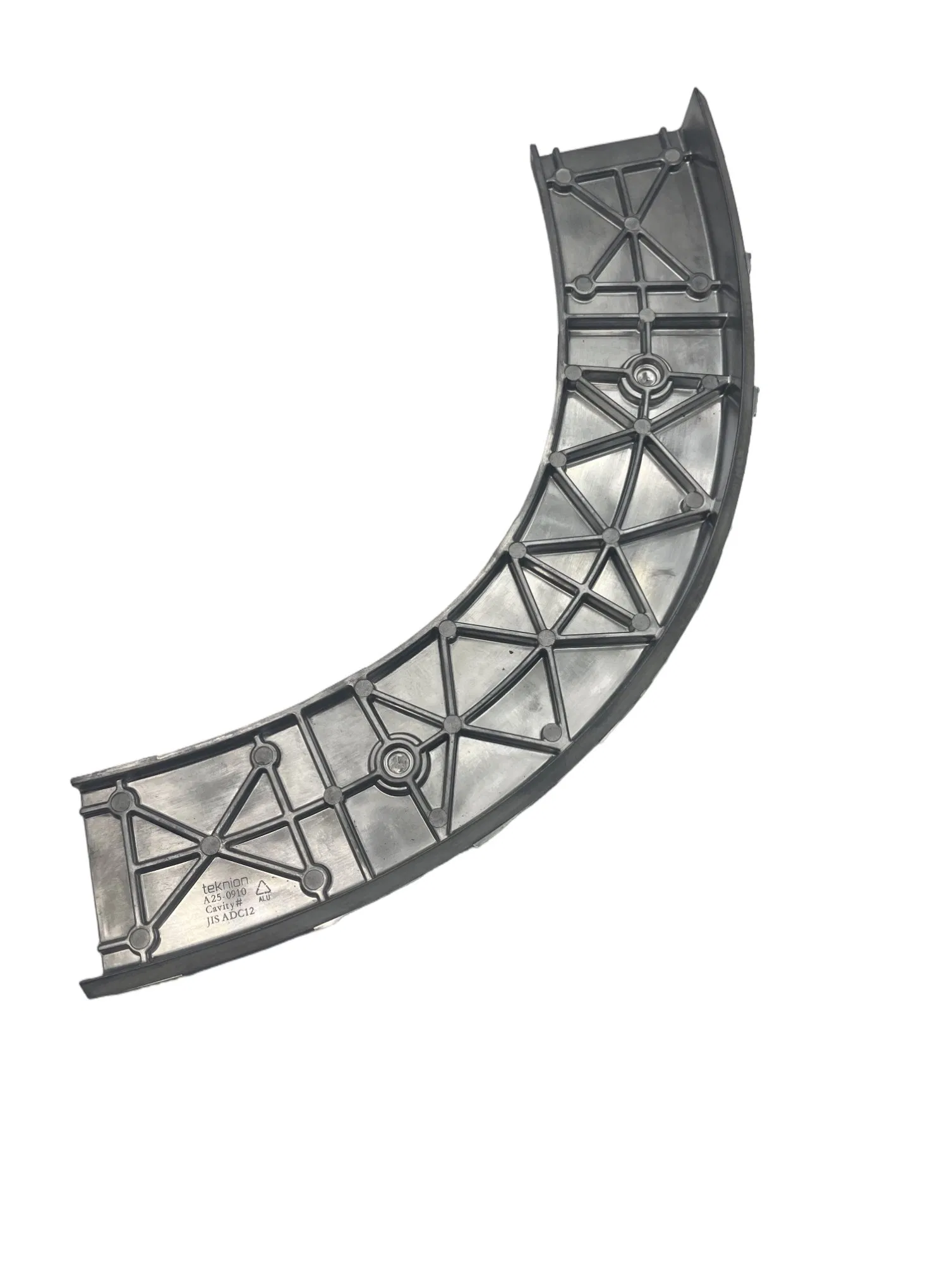
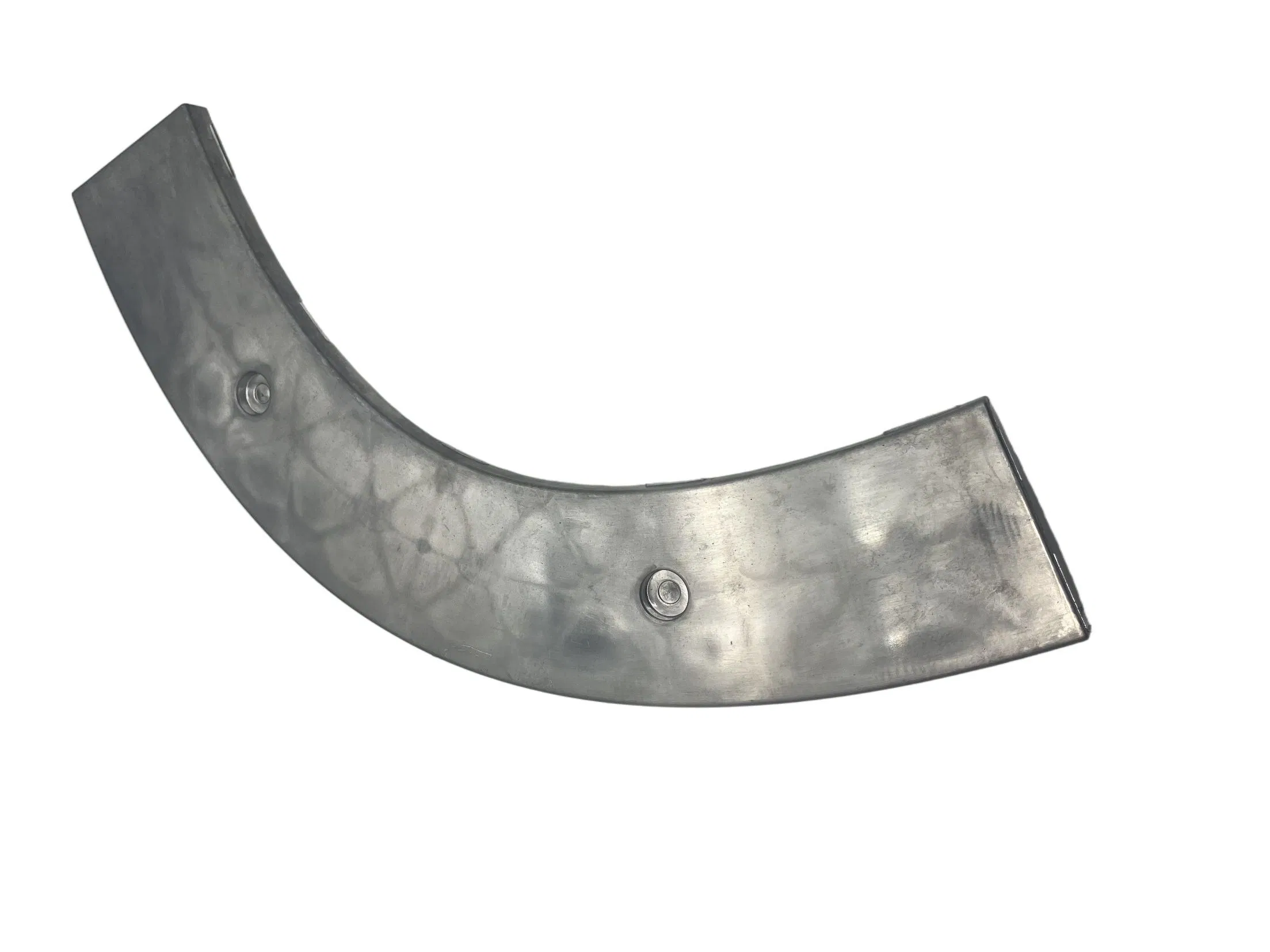
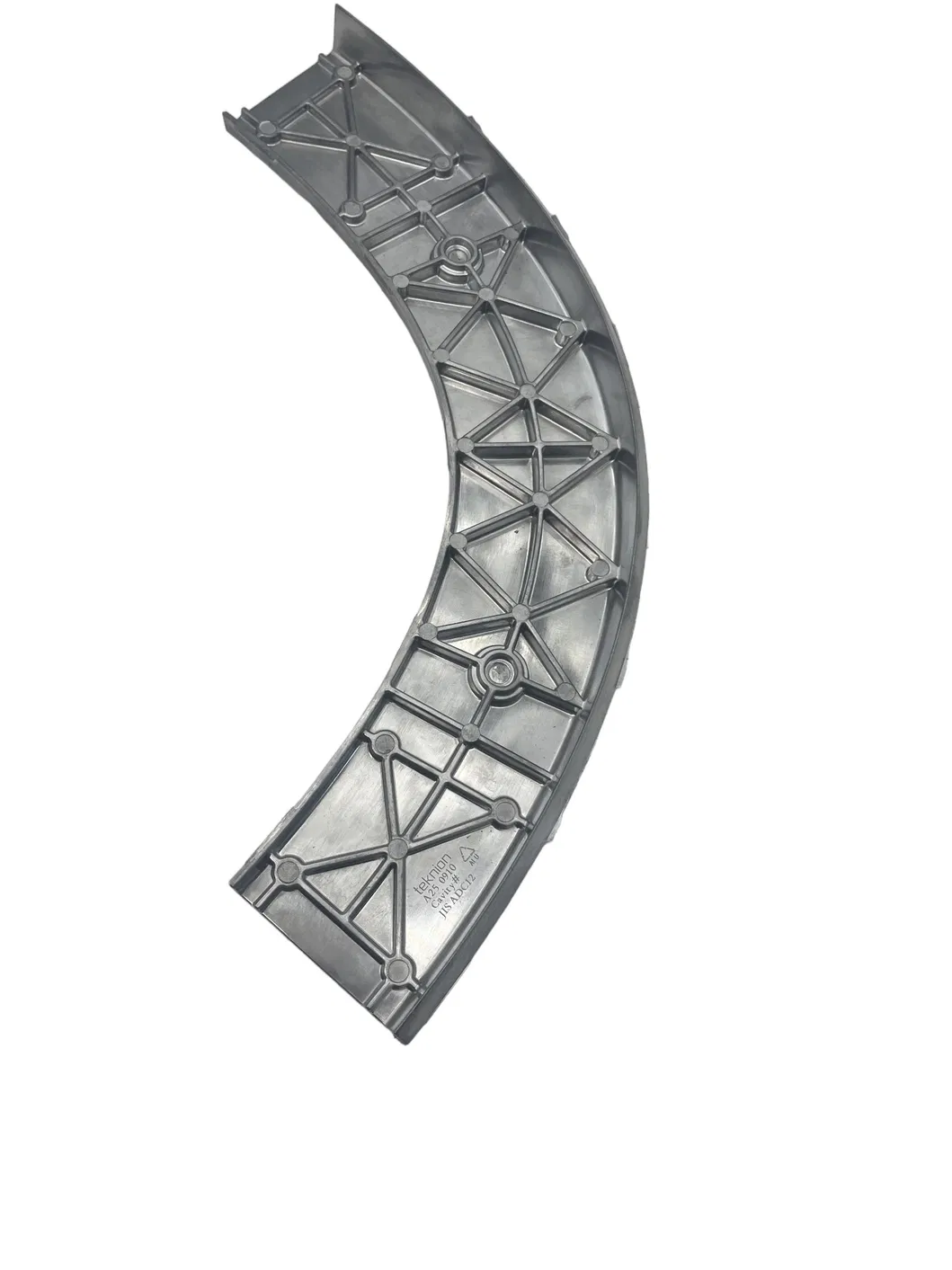
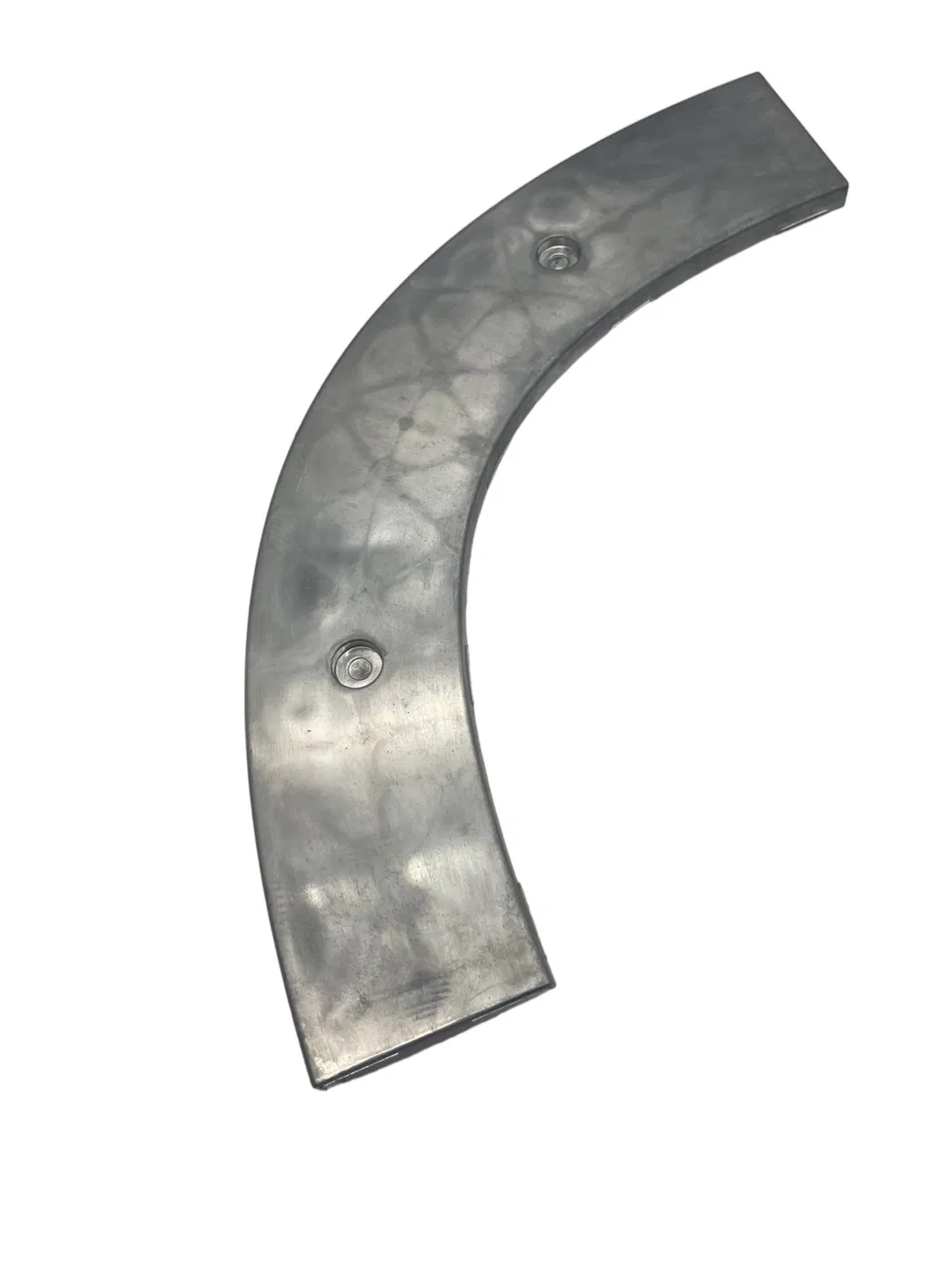
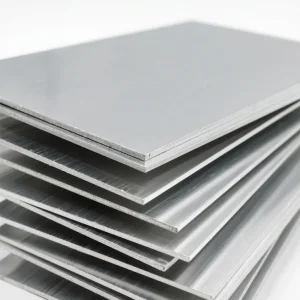
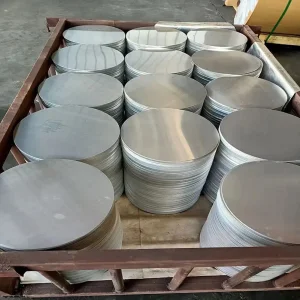
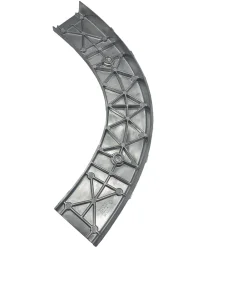
The Front Bumper Deflector / Front Bumper Lower Skirt / Water Tank Lower Guard Plastic Plate

Still deciding? Get samples of $ !
Request Sample

Product Description

Basic Specifications

Application
Machinery Parts
Machining
CNC Machining
Material
Aluminum
Surface Preparation
Polishing
Structure
Horizontal Pressure Chamber
Tolerance Grade
5
Surface Quality
Level 1
Certification
CE, RoHS, ISO 9001:2000, ISO 9001:2008
Standard Precision
±0.1mm Per 25mm
High Precision
±0.05mm Per 25mm
Surface Finish
Ra 0.8-3.2μm
Capacity
50,000 units

Aluminum Die Casting Technical Specifications

Aluminum Die Casting Technical Specifications

1. Common Aluminum Alloy Grades

Alloy Grade Primary Composition (%) Key Properties Typical Applications
ADC12Al-Si(10-12), Cu(1.5-3.5)Excellent fluidity, good castabilityAutomotive parts, housings
A380Al-Si(7.5-9.5), Cu(3-4)High strength, heat resistanceEngine components, structural parts
A360Al-Si(9-10), Mg(0.4-0.6)Superior corrosion resistanceMarine equipment, outdoor components
AlSi9Cu3(Fe)Al-Si(8-11), Cu(2-4)High hardness, wear resistanceGears, bearing housings

2. Mechanical Properties

Parameter ADC12 A380 A360
Tensile Strength (MPa)230-280320-350290-320
Yield Strength (MPa)140-170160-190150-180
Elongation (%)1-32-43-5
Hardness (HB)70-9080-10075-95

3. Process Parameters & Dimensional Tolerances

Parameter Range Description
Injection Pressure50-150 MPaHigh pressure mold filling
Melt Temperature660-720°CAluminum melting point ~660°C
Mold Temperature150-250°CAffects surface finish
Cooling Time5-30 secDepends on wall thickness
  • Standard Tolerance: ±0.1mm per 25mm
  • Precision Tolerance: ±0.05mm per 25mm (for high-tolerance parts)

4. Surface & Structural Properties

  • Surface Finish: Ra 1.6-3.2μm (as-cast), Ra 0.8μm (with machining)
  • Porosity: <3% (by volume, X-ray inspected)
  • Wall Thickness: Minimum 1.5mm (recommended for structural integrity)

5. Post-Processing & Quality Standards

  • Machining: Excellent machinability (up to 80% of steel's cutting speed)
  • Plating/Coating: Anodizing (5-25μm), powder coating, or chromate conversion
  • Heat Treatment: T5/T6 tempering available for enhanced strength
  • Standards: ASTM B85, DIN EN 1706, JIS H 5302
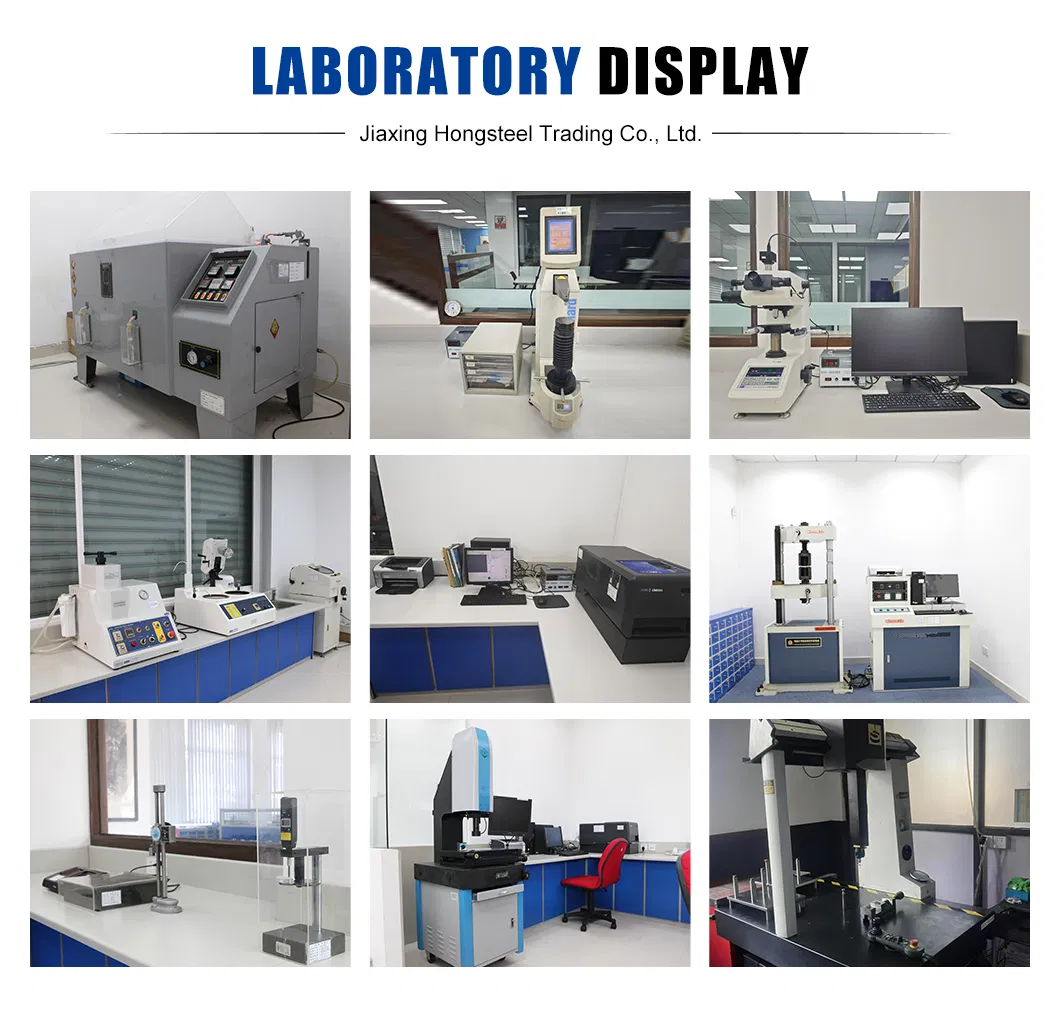
  • Testing: X-ray (porosity), CMM (dimensional), salt spray (corrosion)
🚗

Product Range & Applications

Product Highlight: Bumper & Water Tank Protection

The front bumper deflector / front bumper lower skirt / water tank lower guard plastic plate plays a crucial role in guiding airflow, protecting the lower part of the front bumper and related components. It assists in reducing air resistance and protects vital parts like the water tank.

Bumper Deflector View 1
Bumper Deflector View 2

Broad Material & Process Range

Materials:
  • Aluminum alloy (A380, ADC12, ADC10, 6061)
  • Zinc alloy (ZAMAK3, ZAMAK5)
  • Brass alloy (Si9Cu3, Cuzn-37)
  • Iron (Nodular Iron, Ductile Iron)
Processes:
  • Die casting & Gravity casting
  • Sand casting & Stamping casting
  • Extrusion profile & Pressing casting
  • Precision CNC Machining
🖼

Product Gallery

Product Showcase 1 Product Showcase 2 Product Showcase 3
Detailed View 1
Detailed View 2
Detailed View 3
Final Product Inspection

Frequently Asked Questions

Q1: What aluminum alloy grades are commonly used for machinery parts? We utilize various grades including ADC12 for excellent fluidity, A380 for high strength and heat resistance, and A360 for superior corrosion resistance in marine or outdoor applications.
Q2: What is the achievable dimensional tolerance for high-precision parts? Standard tolerances are ±0.1mm per 25mm, while for high-tolerance requirements, we can achieve precision up to ±0.05mm per 25mm.
Q3: What types of surface finishes do you provide? We offer a wide range of finishes including polishing, E-coating, powder coating, anodizing (5-25μm), and painting to meet various aesthetic and functional needs.
Q4: What is the minimum wall thickness recommended for structural integrity? For aluminum die casting, a minimum wall thickness of 1.5mm is recommended to ensure structural integrity and proper mold filling.
Q5: How is the quality of the castings inspected for internal defects? We ensure high quality through X-ray inspection to maintain porosity levels below 3% by volume, as well as CMM for dimensional accuracy and salt spray testing for corrosion resistance.
Q6: What certifications do your production processes follow? Our processes and products comply with international standards including CE, RoHS, ISO 9001:2000, and ISO 9001:2008, ensuring global quality compliance.

Related Products