High Strength Aluminium Structural Plates Factories & Exporter for Latvia

Providing premium structural alloys designed for Latvia's harsh maritime logistics, infrastructural frameworks, and modern architectural projects aligned with Eurocode 9 requirements.

Core Structural Products for Latvian Civil Engineering

Engineered for extreme load-bearing capacity, corrosion resistance in northern maritime environments, and compliance with EU EN-AW safety codes.

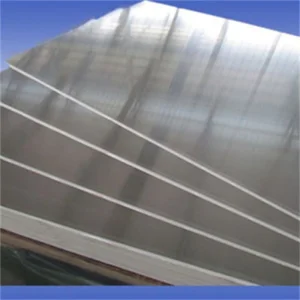
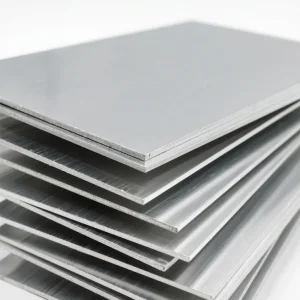
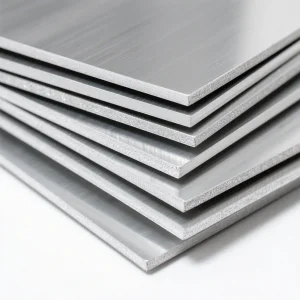
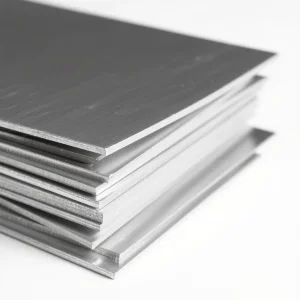
High Strength Aluminum Plate for Building Construction
Civil Construction

High Strength Aluminum Plate for Structural Support in Building Construction (Latvia Infrastructure Grade)

Learn More →
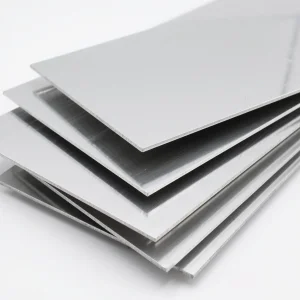
Premium Aluminum Plate Structural Precision
Precision Engineering

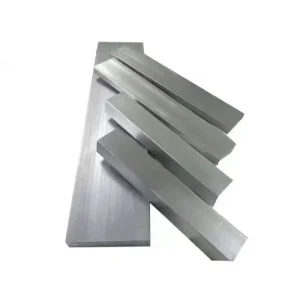
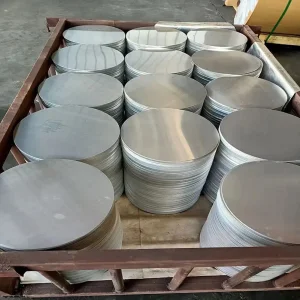
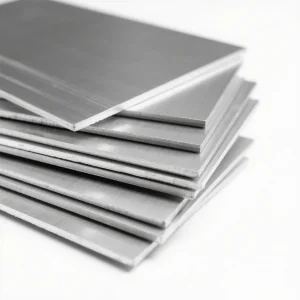
Premium High Strength Aluminum Plate for Structural Precision (Baltic Industrial Standards)

Learn More →
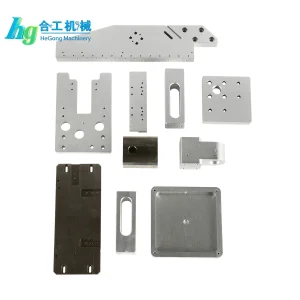
6061 T6 Aluminum Plate High Strength
Aerospace & Machinery

6061 T6 Aluminum Plate High-Strength Hard Aluminum Plate Structural Parts/Molds/Aerospace High-Precision

Learn More →
High Strength Patterned Aluminum Plate Design
Industrial Flooring

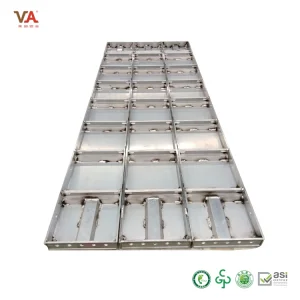
High Strength Patterned Aluminum Plate Reinforced Design Structural Use (Safety Step Latvia)

Learn More →

The Latvian Industrial Landscape: A Demand for Premium Structural Materials

Latvia, dynamically positioned as a crucial transit corridor and industrial hub of the Baltic region, is experiencing a profound transition in modern infrastructure development. With major regional initiatives such as the Rail Baltica project, the modernization of free ports in Riga, Ventspils, and Liepāja, and an accelerated transition toward green architecture, the choice of raw materials has shifted away from heavy carbon-intensive steels to sustainable, high-strength-to-weight ratio solutions. Among these, high-strength aluminium structural plates have emerged as the standard for high-performance structural engineering.

Historically, the Baltic construction and machinery sectors relied heavily on traditional carbon steels. However, the geographic context of Latvia—characterized by damp, saline coastal air, freezing high-latitude winters, and strict European Union directives regarding energy efficiency and carbon emissions—demands materials that exhibit excellent structural integrity, superior thermal stability, and high corrosion resistance. High-strength aluminium alloys, particularly the Al-Mg-Si (6xxx series) and Al-Zn-Mg-Cu (7xxx series), fit these stringent parameters, allowing developers to design structures that are up to 50% lighter than structural steel counterparts while guaranteeing long lifespans without high maintenance costs.

50%
Structural Weight Reduction
EN-AW
Fully Compliant Alloys
100%
Recyclability Rate
Riga/Ventspils
Direct Port Logistics

Material Science: High-Strength Aluminium Structural Plate Classifications

Understanding the microstructural mechanics of various alloy systems is critical for selecting the correct material for heavy engineering. Each alloy group yields different tensile capabilities, weldability indices, and fatigue threshold limits under dynamic loads.

1. The 6xxx Series: Structural Versatility (6061-T6, 6082-T6)

Magnesium and silicon are the primary alloying elements in the 6xxx series, which forms Mg₂Si precipitates during artificial aging (T6 temper). For structural applications in Latvia, 6082-T6 is highly sought after. Often referred to as a "structural alloy," 6082 is widely recognized for its high impact resistance and suitability for highly stressed applications, such as bridges, cranes, roof trusses, and transport equipment. It is highly weldable and maintains high corrosion resistance, making it suitable for Baltic marine environments.

2. The 7xxx Series: Ultra-High Yield Performance (7075-T6)

Zinc is the primary alloying element in the 7xxx series, with magnesium and copper added to achieve high strength. In 7075-T6, the fine dispersion of Zn-Mg-Cu precipitates produces yield strengths exceeding 500 MPa, comparable to many high-strength structural steels. It is primary used in high-stress machine parts, aerospace structures, defense equipment, and heavy tooling dies in Riga's manufacturing clusters. While less weldable and more prone to stress corrosion cracking compared to the 6xxx series, proper surface finishing and structural design mitigate these limitations.

3. The 5xxx Series: Exceptional Marine Endurance (5083-H111/H116/H321)

Aluminium-magnesium alloys offer excellent weldability, fatigue strength, and extreme resistance to seawater and marine atmospheres. 5083 is the industry standard for marine structures, shipbuilding hulls, chemical tankers, and pressure vessels. It excels at cryogenic temperatures, making it a key component for gas storage and infrastructure projects in Baltic ports.
Comparative Technical Specifications

Key mechanical properties of primary structural aluminium plates exported to Baltic industrial partners.

Alloy & Temper Tensile Strength (MPa) Yield Strength (MPa) Elongation (%) Brinell Hardness (HB) Best Use Cases (Latvian Market)
5083-H116 / H321 275 - 350 125 - 200 12% - 16% 75 Shipbuilding, Port Cranks, Cryogenic Tanks
6061-T6 290 - 310 240 - 275 8% - 10% 95 General Construction, Piping, Rail cars
6082-T6 295 - 340 250 - 280 8% - 10% 95 Bridges, Roof Trusses, Rail Baltica Infrastructure
7075-T6 530 - 570 460 - 500 5% - 8% 150 Aerospace Parts, Heavy Machinery Molds, Tooling

Trusted Global Manufacturing Partner: Dongguan Cellar Aluminum Co., Ltd.

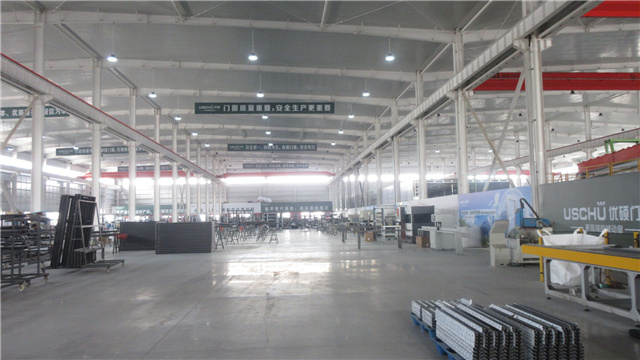
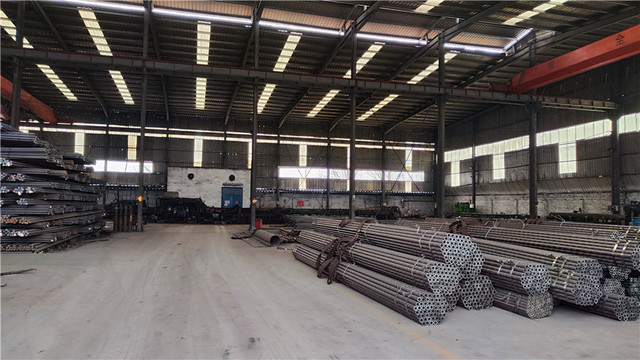
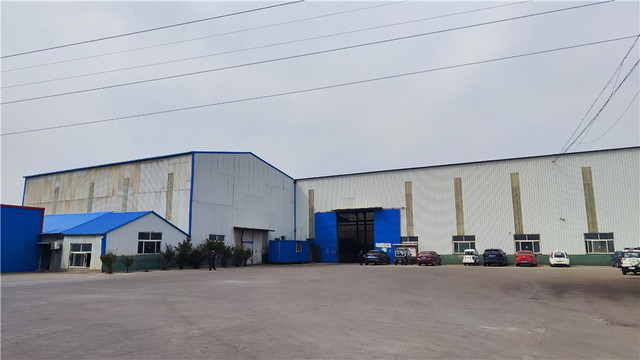
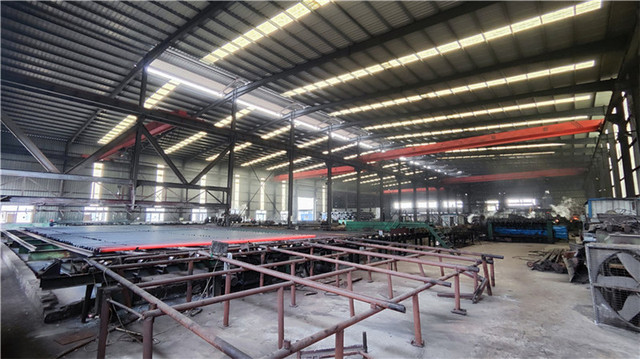
Dongguan Cellar Aluminum Co., Ltd. is a professional manufacturer specializing in aluminum material processing and supply, positioned as a Aluminium Plate Manufacturer | Aluminium Sheet & Industrial Metal Material Supplier. The company focuses on providing high-quality aluminum products widely used in construction, transportation, machinery manufacturing, packaging, electronics, and industrial engineering sectors.

Established in 2011 in Dongguan, China, Cellar Aluminum began as a small aluminum processing workshop focused on basic sheet cutting and surface finishing services. With the rapid growth of industrial demand for lightweight and corrosion-resistant materials, the company expanded into large-scale production of aluminum plates, sheets, and tread plate solutions. By 2016, it had developed advanced capabilities in rolling, cutting, anodizing, and precision surface treatment.

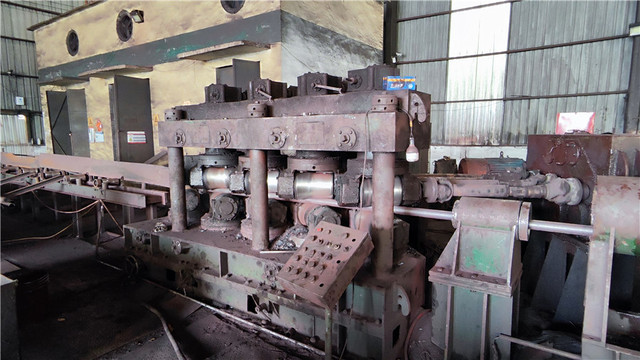
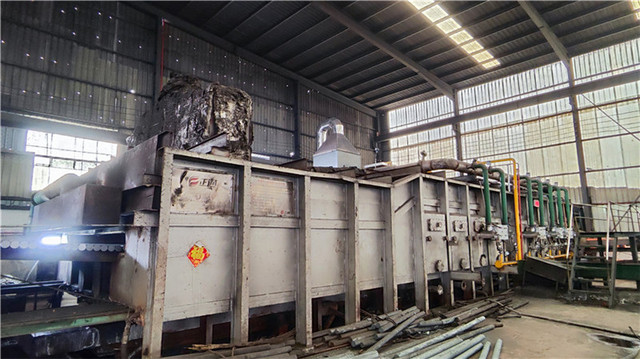
Today, Dongguan Cellar Aluminum Co., Ltd. operates modern production facilities equipped with automated rolling lines, precision cutting systems, and advanced surface treatment technologies. The company emphasizes strict quality control, stable material performance, and customized specifications to meet diverse industrial requirements.

With a strong export network across Southeast Asia, the Middle East, Europe, and South America, Cellar Aluminum continues to deliver reliable and cost-effective aluminum solutions. Committed to innovation, sustainability, and material performance enhancement, the company plays an active role in supporting global industrial manufacturing and modern infrastructure development.

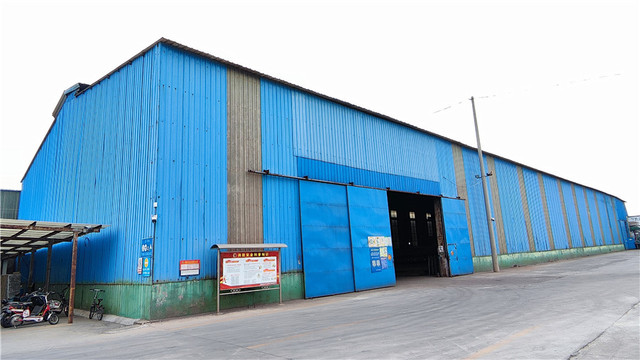
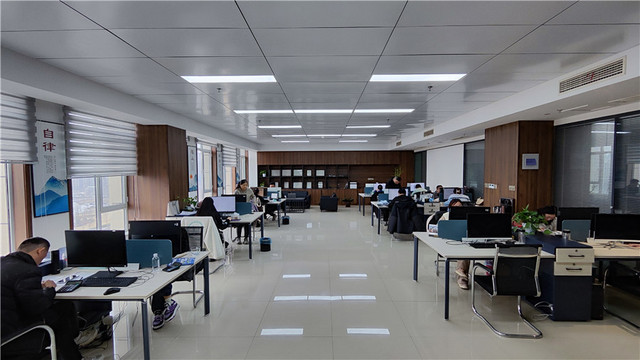
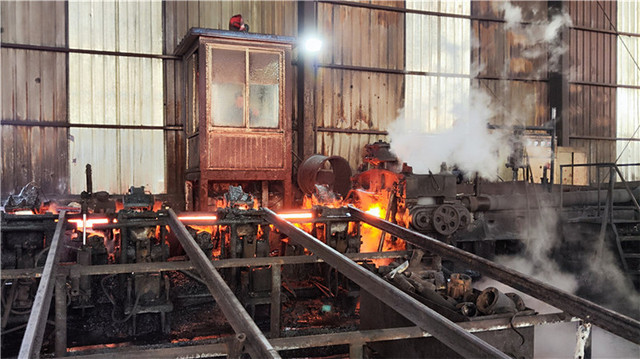
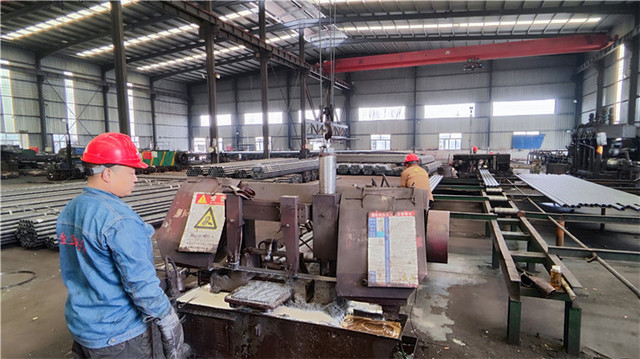
Dongguan Cellar Aluminum Facility 1 Dongguan Cellar Aluminum Facility 2 Dongguan Cellar Aluminum Facility 3 Dongguan Cellar Aluminum Facility 4
Dongguan Cellar Aluminum Facility 5 Dongguan Cellar Aluminum Facility 6 Dongguan Cellar Aluminum Facility 7 Dongguan Cellar Aluminum Facility 8
Dongguan Cellar Aluminum Facility 9 Dongguan Cellar Aluminum Facility 10 Dongguan Cellar Aluminum Facility 11
Cellar ISO 9001 Facility

Macro Industry Solutions: Bridging Baltic Needs with Global Export Capacity

Our export pipeline to Latvia is specifically tailored to meet the dynamic infrastructural and logistics goals of Northern Europe. By developing specialized alloys and custom plate sizes, we provide dedicated solutions across critical industrial sectors:

Transportation & Rail Transit Infrastructure

As Latvia develops the core corridors for Rail Baltica, the need for lightweight rolling stock is critical. Our 6082-T6 and 6061-T6 plates are used in transit car frames, high-speed train structural chassis, and station overhead walkways, ensuring safe structural load distributions and reduced wear on rail beds.

Maritime Engineering & Baltic Sea Logistics

Shipbuilding yards and port installations along the Latvian coastline require materials that resist saline corrosion. Our marine-grade 5083 and 6061 alloy plates resist stress-corrosion cracking and marine biofouling, making them ideal for high-speed catamaran hulls, offshore support structures, and harbor cranes.

Green Architectural Design & Building Envelopes

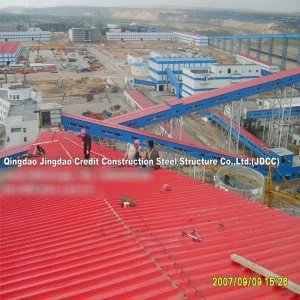
Aligned with the EU Green Deal, Latvian commercial builders use aluminium's high heat reflectivity and long life cycles. Applications include structural load-bearing roof systems, soundproof sandwich plates, and custom-formed structural facades in urban redevelopment projects.

Local Compliance, Supply Chain Management, and EU Quality Standards

Importing structural metals into the European Union requires strict compliance with standard validation processes. As a verified exporter, Dongguan Cellar Aluminum ensures that all shipments bound for Latvia conform to crucial European norms:

  • EN AW Designation Standards: All chemical elements are tracked and verified against EN 573-3 specifications.
  • European CE Marking: Material testing guarantees compliance with structural product standards under EN 15088 for construction.
  • Mill Test Certification (MTC 3.1): Each plate batch is shipped with mill documentation indicating yield strength, tensile limits, elongation, and ultrasonic crack detection reports (ASTM B594 / EN 10204).
  • Customized Logistics Solutions: We coordinate direct ocean transport from southern Chinese ports (Shenzhen/Guangzhou) to the Riga Free Port, offering flexible incoterms (CIF, FOB, and DDP) to reduce local customs friction.

Future Outlook: Structural Aluminum Trends in Northern Europe

The industrial landscape in Northern Europe is increasingly dominated by sustainable and recycled materials. As the EU phase-in of the Carbon Border Adjustment Mechanism (CBAM) progresses, tracking the embedded carbon footprint of exported metal becomes essential. Dongguan Cellar Aluminum is actively investing in low-carbon smelting processes and utilizing green energy options to reduce our environmental impact, ensuring our Latvian partners maintain compliance with local environmental guidelines.

Furthermore, research into micro-alloying (such as adding Scandium or Zirconium) is expanding structural performance horizons, allowing thinner plate gauges to handle loads that once required thick structural steel. This trend towards ultra-lightweight design continues to grow in automotive, aerospace, and energy infrastructure sectors throughout the Baltics.

Technical FAQ & Semantic Query Support

Critical industrial answers for Latvian engineers, procurement departments, and fabricators.

Q1: How do 6082-T6 and 6061-T6 plates differ when used in cold, high-latitude conditions like Latvia's winter?

Both alloys perform well in sub-zero temperatures, maintaining their ductility and impact resistance without experiencing low-temperature brittleness, which is common in carbon steels. However, 6082-T6 features higher manganese content, providing slightly higher tensile and yield strength than 6061-T6, making it the preferred choice for structural designs subjected to severe Baltic wind and snow loads.

Q2: What surface treatment is recommended to protect structural plates from marine environments along the Latvian coastline?

For typical coastal environments, anodizing is highly recommended. It creates an oxide protective layer that prevents galvanic and pitting corrosion. For submerged marine structures or ship hulls, marine-grade alloys such as 5083 are naturally resistant without additional treatment, although marine paints can be applied if necessary.

Q3: How does Dongguan Cellar Aluminum ensure compliance with European Union product safety regulations?

We provide complete material traceability, including EN 10204 3.1 Mill Test Certificates (MTC) detailing chemical composition and mechanical properties. Our structural plates conform to EN 15088 and CE standards, ensuring smooth customs processing and acceptance by European engineering inspectors.

Q4: What is the typical transit duration for shipping large-format aluminum plates from Shenzhen to Riga?

Standard ocean freight transit from Southern Chinese hubs to the Port of Riga ranges between 35 to 45 days. We also offer rail transport options via the New Silk Road corridors for urgent project requirements, reducing transit times to approximately 20 to 25 days.

Comprehensive Catalog: High-Strength Metal Alloys for Latvia

Explore our full line of specialized structural plates, coils, and industrial protection products.

High Strength Aluminum Plate 6061 6082 Marine
Marine Grade

High Strength Aluminum Plate 6061 6082 for Marine Structural Components (Riga Port Grade)

View Product →
High Strength Aluminum Plate 7075 T6
Tooling & Mold

High Strength Aluminum Plate 7075 T6 for Structural Engineering Applications

View Product →
High Strength Welded Aluminum Plate
Heavy Industry

High - Strength Welded Aluminum Plate for Heavy - Duty Industrial Structural Applications

View Product →
High Strength Steel Alloy Plate
Multi-Material Supply

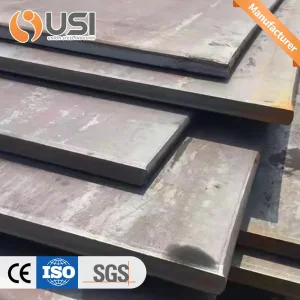
High-Strength Steel & Alloy Plate – ASTM A572, A516, En10025 S355nl, Stainless / Galvanized / Aluminum Sheet & Coil for Structural Use

View Product →
High Strength Aluminum Plate 5083 6061
Marine Engineering

High Strength Aluminum Plate 5083 6061 for Marine Engineering Solutions (Ventspils Shipping)

View Product →
Front Bumper Deflector Plastic Plate
Logistics Fleet Parts

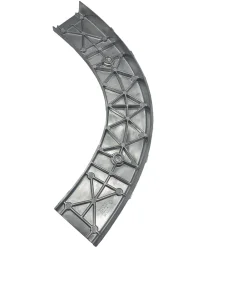
The Front Bumper Deflector / Front Bumper Lower Skirt / Water Tank Lower Guard Plastic Plate (Machinery Protection)

View Product →
Rock Wool Panels Al Mg Mn Alloy Plate
Industrial Insulated Wall

Rock Wool Panel /Rock Wool Sandwich Panels /Al-Mg-Mn Alloy Plate for Cold Storage Structural Insulation

View Product →
High Strength Aluminum Plate 6082 7075
Automotive & Aero

High Strength Aluminum Plate 6082 7075 for Automotive and Aerospace (High Stress Grade)

View Product →
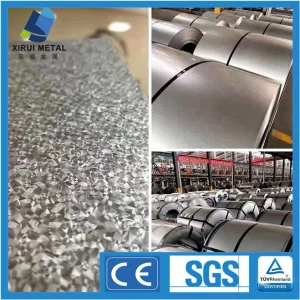
High Quality Gl Steel Coil
Galvanized Steel

High Quality Gl Steel Coil Aluminum Zinc Plate (Rust-Proof Corrugated Panel Grade)

View Product →
High Strength Aluminum Plate Marine Use
Maritime Alloys

High Strength Aluminum Plate 1050 1060 1100 for Marine Use

View Product →
High Strength 6061 Plate
General Industrial

High-Strength 6061 Plate for Structural and Industrial Use

View Product →
High Strength Aluminum Plate Marine Applications
Marine Engineering

High Strength Aluminum Plate 1050 1060 1100 7075 for Marine Applications

View Product →