Advanced heat-resistant and high-performance thermal insulation components for critical industrial settings.
Antigua and Barbuda's unique location in the Leeward Islands presents specific challenges and opportunities for thermal engineering. The nation's maritime environment, characterised by high ambient humidity and salinity, demands structural components that resist both corrosion and extreme heat. As the region expands its local light manufacturing, marine transport repair networks, and energy production facilities, the requirement for high-performance heat-resistant aluminium plate materials and advanced thermal insulation has reached a critical peak.
Key economic drivers such as the St. John’s port modernisation, domestic power generation hubs, and the expanding tourism infrastructure (requiring energy-efficient HVAC insulation systems) require direct access to high-grade industrial metals and refractory components. Specifically, marine-grade heat shields and insulation boards are vital to safeguard vessel engines, generators, and heavy process equipment from thermal degradation.
By integrating alloy engineering with high-temp refractory insulation, projects in Antigua can achieve optimal performance, reduced maintenance down-time, and lowered operational costs under intense tropical conditions.
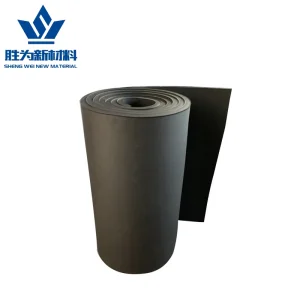
Reducing energy consumption in Caribbean industrial processing and cooling through advanced high-R-value aluminum composite shields.
Ensuring longevity in harsh saline environments by utilising anodised aluminum plates paired with bio-soluble insulating textiles.
Your Trusted Global Partner for Heavy-Duty Aluminum Alloys & Refractory Materials
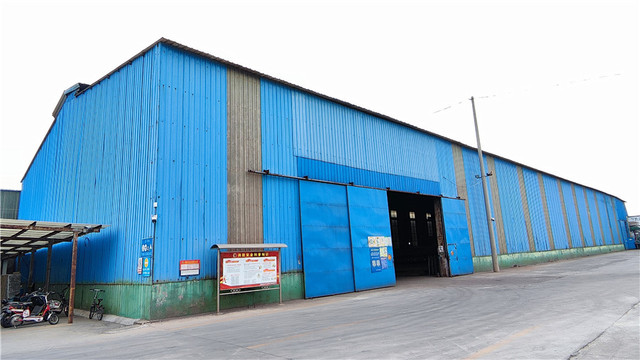
Dongguan Cellar Aluminum Co., Ltd. is a leading manufacturer specializing in aluminum material processing and supply. Positioned as a premier Aluminium Plate Manufacturer | Aluminium Sheet & Industrial Metal Material Supplier, our operations have evolved to serve the most rigorous industrial requirements globally. The company focuses on providing high-quality aluminum products widely used in construction, marine systems, transportation, machinery manufacturing, packaging, electronics, and high-temperature industrial engineering sectors.
Established in 2011 in Dongguan, China—the global hub of modern manufacturing—Cellar Aluminum began as a small aluminum processing workshop focused on basic sheet cutting and surface finishing services. With the rapid growth of industrial demand for lightweight, high-strength, and corrosion-resistant materials, the company expanded into large-scale production of aluminum plates, sheets, and tread plate solutions. By 2016, we had developed advanced capabilities in rolling, precision cutting, anodizing, and custom surface treatment.
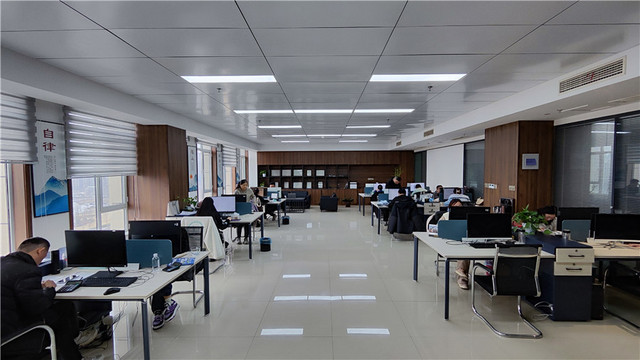
Today, our modern production facilities are equipped with automated cold-rolling lines, precision CNC cutting systems, and advanced surface treatment technologies. We maintain strict quality control, stable material performance, and highly customized specifications to meet diverse international engineering demands, offering direct factory shipping routes to Caribbean terminals including the Port of St. John's, Antigua.
To support major project procurements in Antigua and Barbuda, Dongguan Cellar Aluminum provides not just raw metal sheets, but also integrated macro-level heat insulation solutions. By coupling structural aluminum plates with high-temperature refractory textiles and boards, we deliver dual-purpose protection: structural integrity and thermal isolating efficiency.
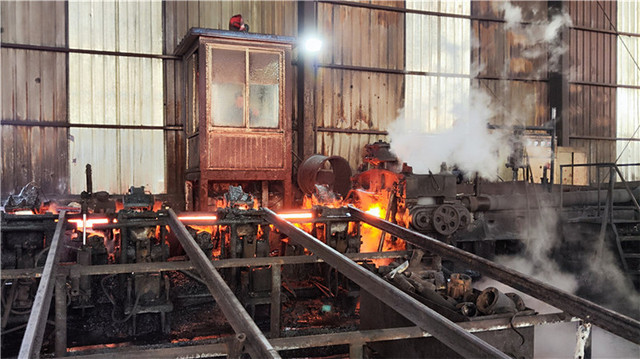
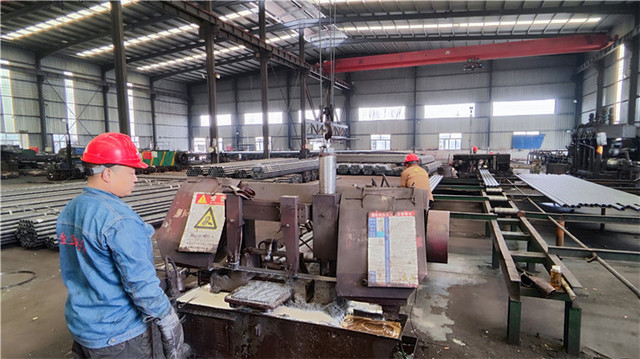
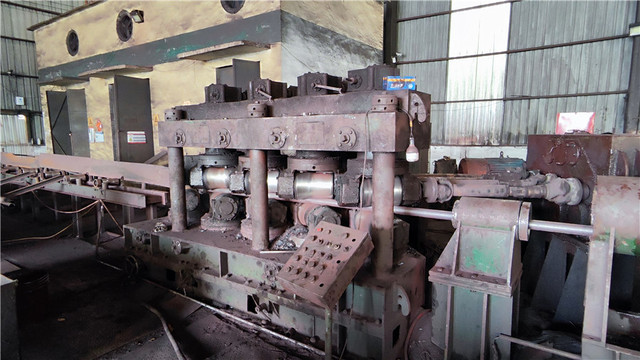
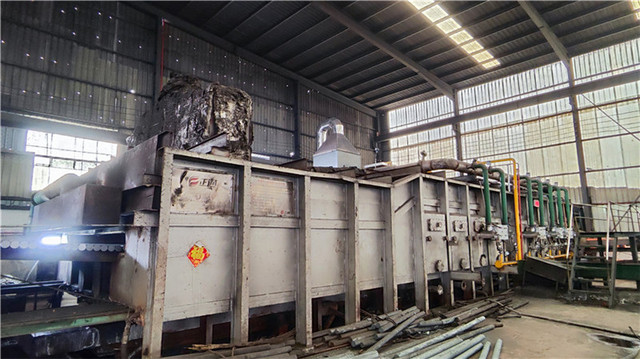
Modern engineering projects rarely require metal alone. High-temperature environments—whether inside a power plant generator, a cruise ship engine room, or a tropical food manufacturing plant—require a hybrid approach where structural aluminum plates (such as the 1000, 3000, and 5000 series) interface with refractory insulation to block heat transfer and protect nearby components.
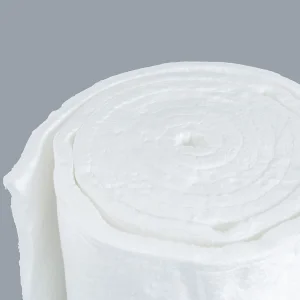
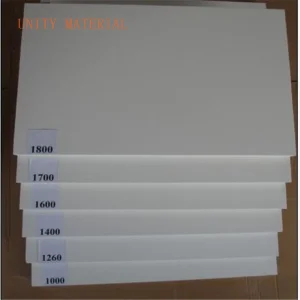
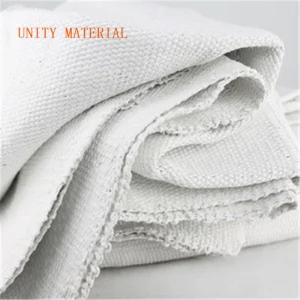
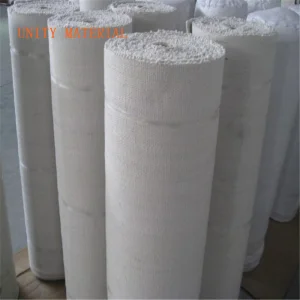
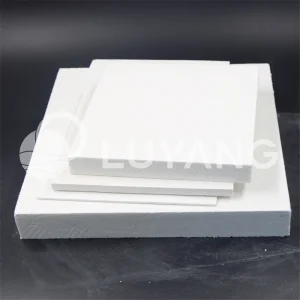
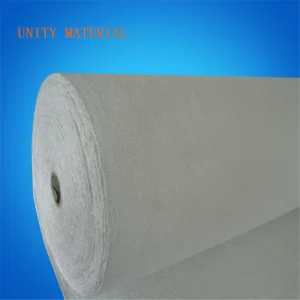
For instance, in Antigua’s marine maintenance facilities, standard aluminum is prone to accelerated thermal degradation if exposed to engine exhaust without proper thermal barriers. By combining Dongguan Cellar Aluminum's structural plates with high-temperature refractory bio-soluble fiber cloths or polycrystalline wool boards, engineers can design lightweight thermal shields that exhibit minimal thermal expansion and exceptional longevity.
| Material Type | Primary Application | Max Temperature Resistance | Key Features for Antigua Market |
|---|---|---|---|
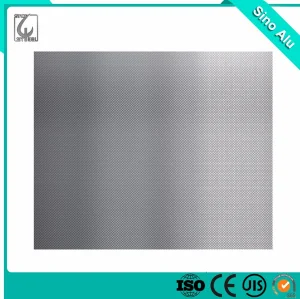
| A1050 / 1060 / 1100 Plates | Reflector sheets, electrical insulation casings, building panels | Up to 150°C (structural) | 99.5%+ purity, high electrical conductivity, supreme corrosion resistance. |
| A3003 / 3105 Alloys | Chemical hardware, marine cabins, structural panels | Up to 200°C (structural) | High corrosion resistance, excellent formability, manganese alloyed. |
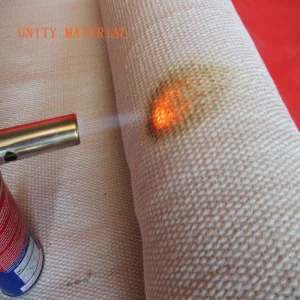
| Refractory Bio Soluble Fiber | Thermal gaskets, engine wrapping, furnace doors | 1260°C | Low bio-persistence, eco-friendly, excellent flexibility under vibration. |
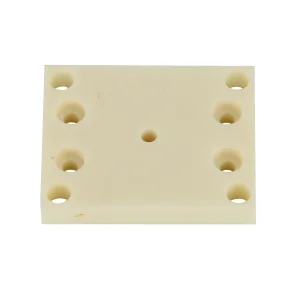
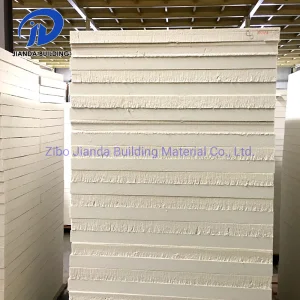
| Polycrystalline Alumina Board | Industrial kiln lining, marine fire walls, engine shielding | 1600°C | Ultra-low thermal conductivity, dimensionally stable at extreme heat. |
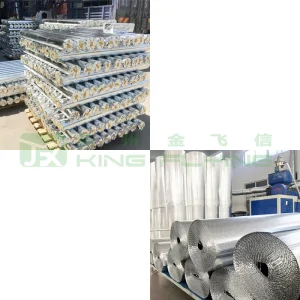
B2B procurement agents targeting Caribbean deployments seek materials that satisfy strict global specifications. All products exported by Dongguan Cellar Aluminum Co., Ltd. undergo structural analysis, dimensional validation, and surface purity tests. We ensure our materials conform to international standards such as ASTM, EN, and ISO. When shipping to Antigua, our packaging is specially configured with moisture-resistant barrier foils and sturdy wooden bracing to prevent salt air corrosion and mechanical deformation during the long transoceanic voyage.
Expert insights on material selection, heat resistance properties, and procurement procedures for Antigua and Barbuda.
Coastal tropical environments contain high concentrations of airborne sodium chloride (salt) combined with elevated relative humidity. High temperatures accelerate chemical reactions, including galvanic and pitting corrosion. Standard structural metals degrade rapidly under these conditions. Selecting specialized alloys like the A3003 series, or pairing pure A1050 plates with protective coatings and ceramic fiber backing, ensures the system maintains structural stability without suffering from premature stress-corrosion cracking.
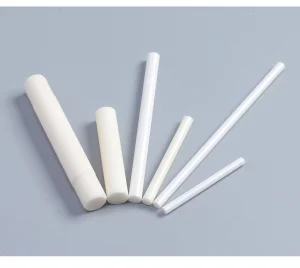
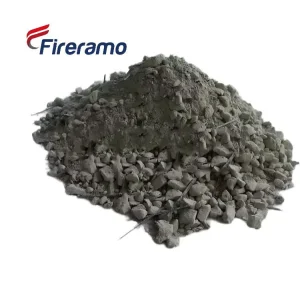
Aluminum alloys typically have a melting point around 660°C and begin to lose structural tensile strength above 150°C to 200°C. Therefore, they are used as the structural casing or outer heat-reflective barrier. To handle higher temperatures (up to 1260°C or 1600°C), ceramic refractory fibers, bio-soluble fabrics, or polycrystalline boards are layered on the hot face of the system. The aluminum plate acts as the structural support and high-reflectivity heat shield on the cold face.
We pack our aluminum plates and heat-resistant insulation products in IPPC-compliant wooden cases. The sheets are separated by neutral moisture-proof paper or film, covered with heavy-duty PE plastic sheeting, and fitted with desiccant packs. This multi-layer defensive wrapping prevents water ingress and salt fog reaction during ocean transit, ensuring that the materials arrive at your site in St. John's in pristine condition.
All raw metal deliveries are accompanied by Mill Test Certificates (MTC) conforming to EN 10204 3.1, detailing chemical composition and mechanical properties. Our high-temperature refractory blankets, bio-soluble cloths, and polycrystalline boards undergo rigorous testing for thermal conductivity, density, and safety compliance, meeting REACH and RoHS standards.
Full suite of thermal protection solutions designed for commercial marine, manufacturing, and energy infrastructure projects.
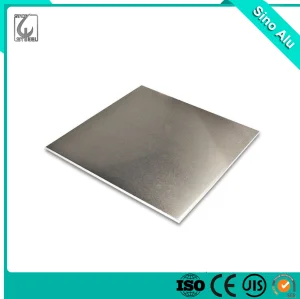
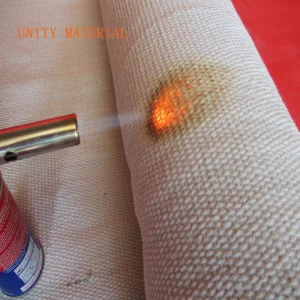
Our engineers provide detailed material selections, R-value calculations, and corrosion resistance configurations adapted specifically to marine and industrial conditions in Antigua and Barbuda.
Send Inquiry Now Cellar Aluminum