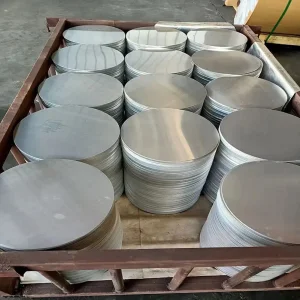
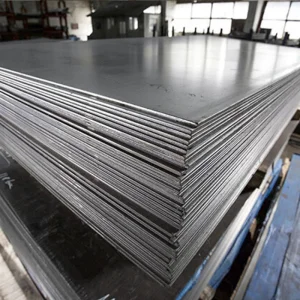
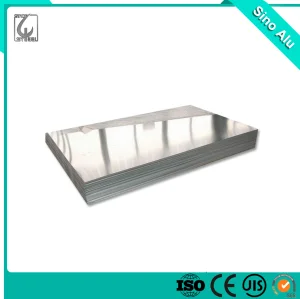
Explore the initial volume of our customizable manufacturing portfolio. From high-integrity architectural cladding to rugged, non-standard structural stamping plates, each item exemplifies the rigorous tolerances and material purities required for world-class infrastructure.
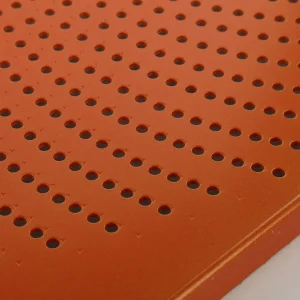
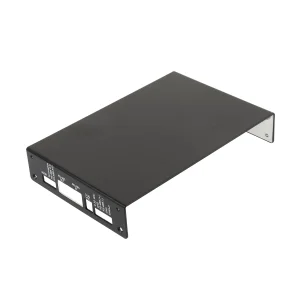
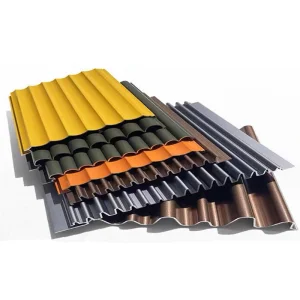
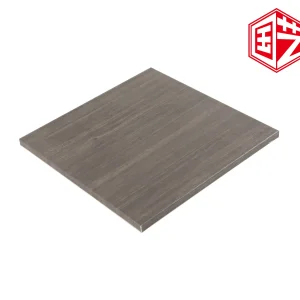
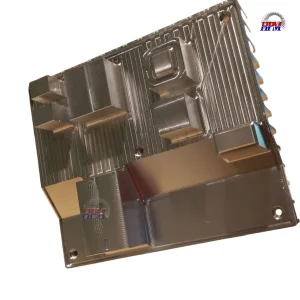
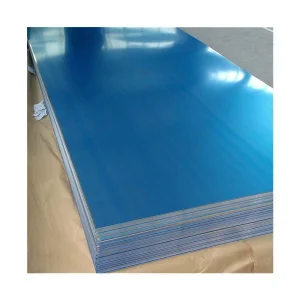
In the contemporary materials science domain, the classification of light gauge aluminium sheets generally refers to metallic sheets with thicknesses spanning from 0.2mm to 6.0mm. Possessing high strength-to-weight ratios, supreme formability, and natural corrosion resistance, these materials occupy a pivotal role in global supply chains. As carbon neutral targets tighten across continents, light gauge sheet manufacturing has transitioned from a basic commodity service to a highly technical domain, where metallurgical composition, surface condition, and structural tolerances dictate performance.
From the production zones of Asia-Pacific to the high-end industrial centers of Europe and North America, the global demand is driven by the structural requirement to lightweight automotive vehicles, optimize thermal insulation in green buildings, and engineer high-precision enclosures for consumer electronics. As an industry-leading OEM factory and global exporter, Dongguan Cellar Aluminum Co., Ltd. plays a vital role in providing access to high-grade alloys that bridge the gap between raw rolled sheet performance and the intricate needs of structural fabrication.
Exporting to Southeast Asia, Europe, South America, and the Middle East, our facilities comply with diverse geopolitical standardizations (ASTM, EN, JIS) to ensure frictionless custom clearances and structural certifications.
We source ultra-clean primary ingots. Precise control over alloying elements such as Magnesium (Mg) and Silicon (Si) prevents micro-void formation and improves deep-drawing performance during fabrication.
Operating with certified quality management systems. Our mill tests, certificate of conformance reports, and metallurgical inspection reports verify the structural integrity of every coil and sheet dispatched.
Selecting the appropriate alloy family and temper condition is essential to balance mechanical strength, corrosion resistance, and post-machining workability. Below is a professional breakdown of common light gauge alloys manufactured in our plant:
| Alloy Series | Common Tempers | Tensile Strength (MPa) | Corrosion Resistance | Primary Industrial Applications |
|---|---|---|---|---|
| 1000 Series (1050, 1060, 1100) | O, H14, H18, H24 | 70 - 150 | Outstanding (Chemical/Acidic) | Chemical processing vessels, electrical busbars, thermal reflective shields, roof tiles. |
| 3000 Series (3003, 3105) | O, H14, H24, H111 | 110 - 200 | Excellent (Atmospheric) | Building facades, acoustic ceiling tiles, heat exchangers, food packaging, chest freezers. |
| 5000 Series (5052, 5083, 5754) | H32, H34, H111, O | 190 - 340 | Superb (Marine / Saline) | Boat hulls, pressure vessels, vehicle chassis elements, industrial hydraulic tanks. |
| 6000 Series (6061, 6082) | T4, T6, T651 | 260 - 310 | Very Good | Structural engineering frames, heavy-duty CNC machined components, subsea enclosures. |
| 7000 Series (7075) | T6, T651 | 480 - 570 | Moderate | Aerospace structures, high-stress mold toolmaking, specialized precision military fixtures. |
Modern light gauge processing requires extremely tight flatnesses and minimal gauge deviation. Our cold rolling mills employ automatic gauge control (AGC) utilizing non-contact isotope thickness gauges, maintaining tolerances within ±0.01mm. This eliminates planar anisotropy and residual stresses, facilitating distortion-free laser cutting and press forming.
Surface imperfections can lead to catastrophic stress cracking during high-velocity stamping. Our manufacturing plant utilizes online machine-vision systems to inspect 100% of the rolled strip width. Any pinholes, roll marks, or scratch anomalies are flagged in real-time, ensuring only zero-defect surfaces progress to the packaging stage.
Environmental standards demand low-carbon footprints. By integrating hydraulic-powered primary smelting sources and utilizing closed-loop recovery of clean manufacturing scrap, we reduce the embodied carbon of our aluminum products. This supports global customers in fulfilling Scope 3 decarbonization mandates.
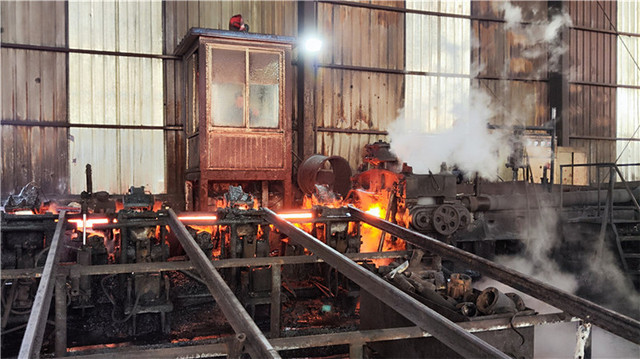
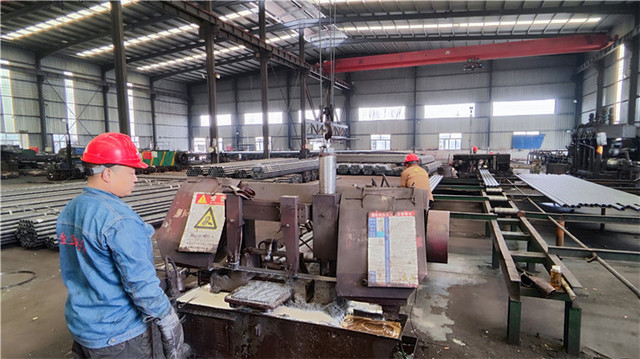
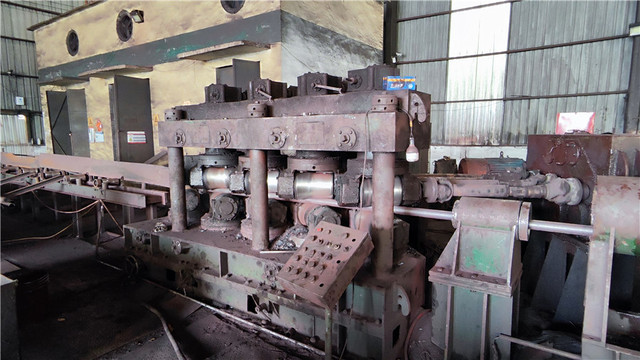
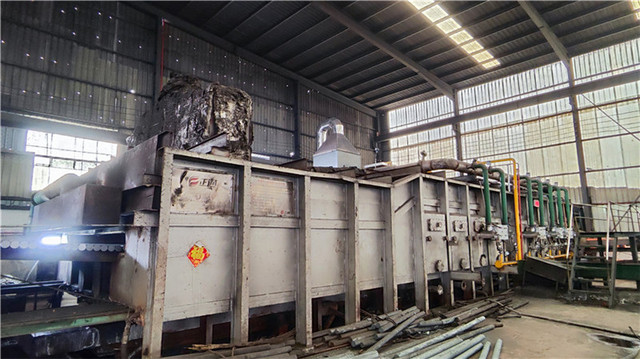
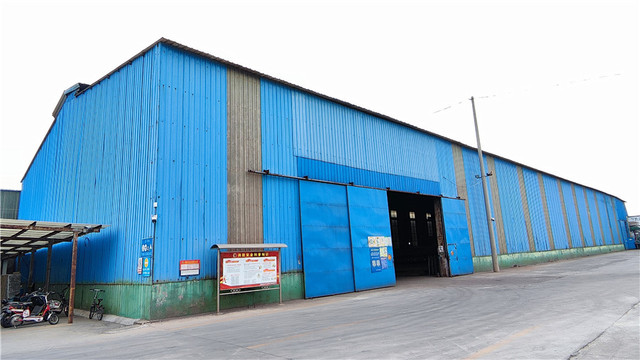
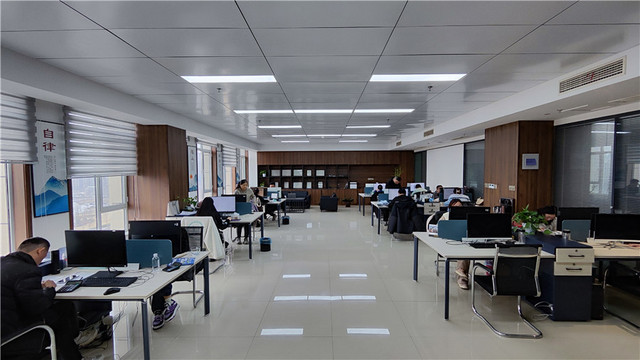
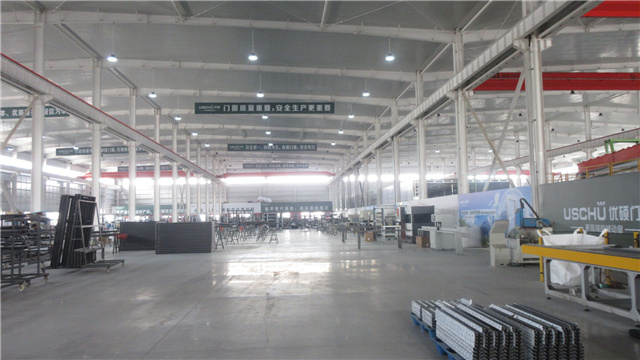
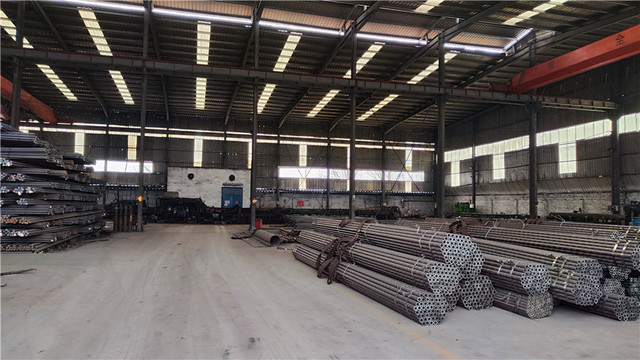
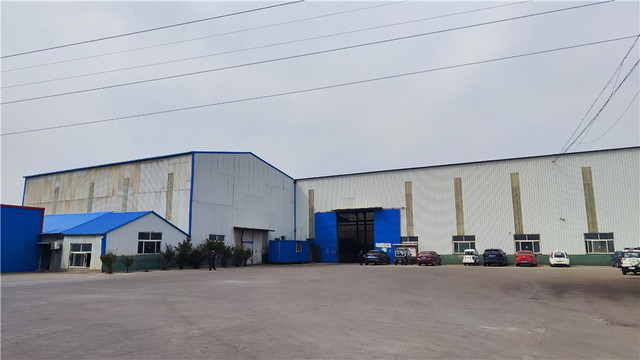
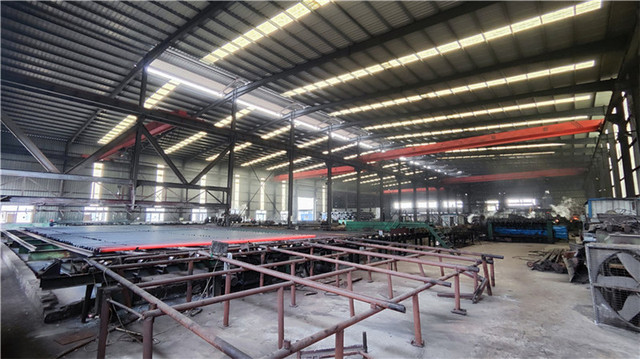
Established in 2011 in Dongguan, China, Dongguan Cellar Aluminum Co., Ltd. has evolved from a localized aluminum processing shop into a modern manufacturer specializing in advanced rolling, leveling, CNC machining, and surface finishes. Our facilities house automated rolling mills, precise slitting lines, heavy-duty CNC routing tables, and advanced anodizing lines to serve diverse industrial projects globally.
Due to its high formability and structural reliability, light gauge aluminum sheets serve as crucial components across several major industrial sectors:
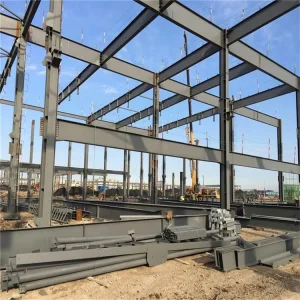
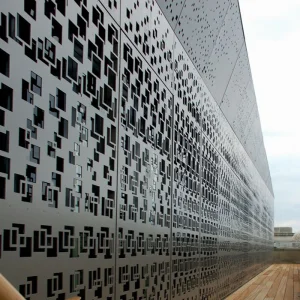
Utilizing PVDF-coated 3003 and 5052 alloys, architects create lightweight, three-dimensional facades that resist atmospheric corrosion, high wind loads, and thermal expansion, supporting modern green building certifications.
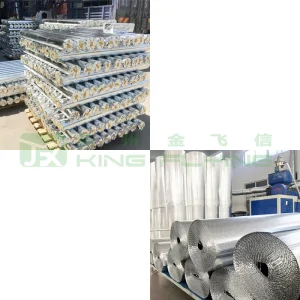
Ultra-thin aluminum bubble sheets and foils provide effective heat barrier materials. Our specialized 1000 and 3000 series foils exhibit optimal thermal reflectivity and structural elasticity, making them suitable for automotive heat shields and cryogenic isolation wraps.
Aluminum alloys 5083 and 5052 in H32 and H111 tempers deliver high structural strength and resistance to marine biofouling and chloride-induced stress corrosion. They are widely specified in commercial passenger catamarans, military patrol boats, and offshore rigs.
Addressing the core technical considerations and parameters evaluated by design engineers, quality assurance personnel, and global metal procurement officers.
Review the second volume of our comprehensive product catalog, detailing high-tensile structural grades, marine-certified alloys, and custom CNC machined components engineered for demanding process plants and fabrication assemblies.
 Cellar Aluminum