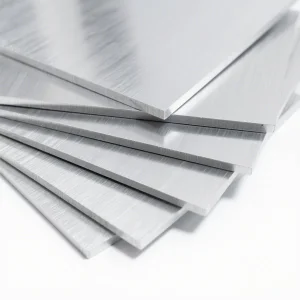
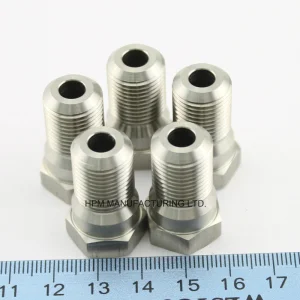
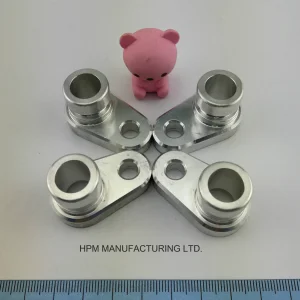
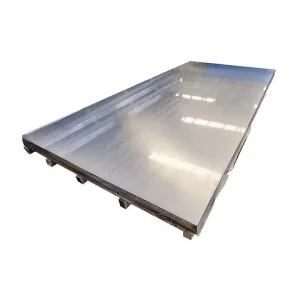
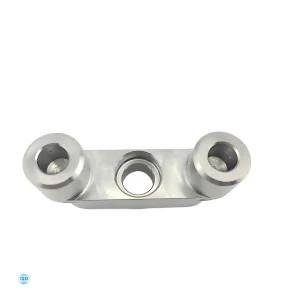
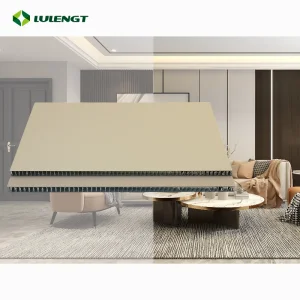
Explore our primary selection of high-yield structural plates, custom CNC milled solutions, and advanced industrial aluminum components.
Founded in 2011 in Dongguan, China, Dongguan Cellar Aluminum Co., Ltd. has established itself as an elite manufacturer and global exporter of high-grade aluminum materials and precision machined parts. Specializing in high-yield alloy processing, the company supplies critical components to construction, logistics, automotive modification, and specialized heavy machinery domains.
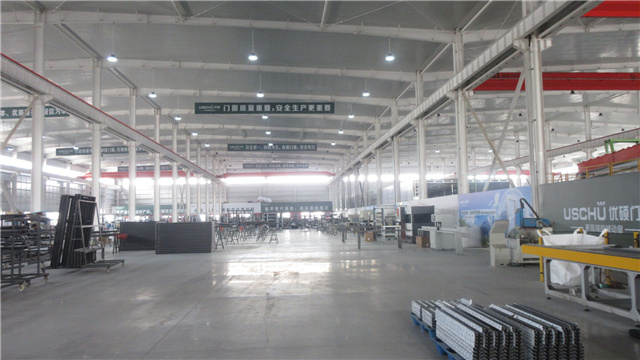
Over more than a decade of active structural refinement, Cellar Aluminum upgraded its operations from a localized custom workshop to a state-of-the-art facility featuring automated rolling mills, advanced heat treatment ovens, and multi-axis CNC machining configurations. Today, our engineering focus integrates structural lightness with maximum pressure tolerance, offering the global market an optimized alternative to traditional steel elements.
Our aluminum components utilize premium raw materials (from AA1050/AA1100 to AA6061-T6), assuring consistent yield strengths and high corrosion-resistance ratings under demanding conditions.
Why modern aerospace, marine, and mobile construction sectors are pivoting from cast iron to lightweight aluminum alloys.
Aluminum's thermal conductivity is up to three times higher than structural steel. In high-frequency hydraulic installations, this rapid thermal dissipation reduces seal degradation and extends fluid longevity.
Substituting steel hydraulic cylinder housings with 6061-T6 aluminum offers weight savings of up to 60%. This shift dramatically increases operational efficiency in boom lifts, excavators, and aerospace actuators.
Anodized aluminum forms a natural oxide film that resists corrosion. In offshore drilling rigs or municipal washdown areas, it prevents oxidization and material pitting without requiring heavy paint treatments.
Hydraulic actuators have historically relied on heavy cast iron due to pressure limitations. However, with the integration of precision CNC milling and optimized alloys such as 6061-T6, modern aluminum cylinders comfortably manage continuous operating pressures up to 3000 PSI (207 bar). Furthermore, the reduction in weight lowers structural momentum, minimizing mechanical wear on support joints and hydraulic motor units. This translates to substantial energy conservation in mobile industrial vehicles and robotics.
Designing reliable components for hydraulic applications requires a thorough understanding of mechanical material traits. The table below represents a comparative evaluation of the materials we process for our international client base:
| Material Designation | Tensile Strength (MPa) | Yield Strength (MPa) | Elongation (%) | Primary Industrial Use Case |
|---|---|---|---|---|
| 6061-T6 Aluminum Alloy | ≥ 310 | ≥ 276 | 12 - 17% | Cylinder heads, structural pistons, and manifold blocks. |
| AA3003 (Manganese Alloy) | ≥ 110 | ≥ 40 | 20 - 30% | Corrosive fluid reservoirs and protective heat exchangers. |
| AA1050/1060 (Pure Aluminum) | 60 - 95 | ≥ 35 | 30 - 35% | Sealing rings, gaskets, and lightweight industrial panels. |
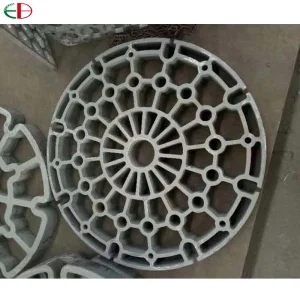
| ASTM A297 (Lost Foam Cast) | ≥ 450 | ≥ 240 | ≥ 8% | High-temperature industrial furnace baskets & structural frames. |
To ensure high performance under dynamic hydraulic loads, Cellar Aluminum utilizes precise finishing procedures. By using advanced CNC tools, we can achieve tolerances of up to ±0.02 mm, preventing fluid bypass in dual-acting cylinders. For components that undergo friction, we provide specialized hard anodizing (MIL-A-8625 Type III). This process increases surface hardness up to 60-65 Rockwell C, reducing wear from repeated piston movement.
Sourcing metal products globally requires a high degree of transparency and compliance with regulatory standards. At Dongguan Cellar Aluminum Co., Ltd., we assure quality control through comprehensive material tracing and pressure verification methods.
Every shipment is accompanied by Mill Test Certificates (MTC) matching EN 10204 3.1 standards. This guarantees that chemical composition and mechanical properties comply with strict technical specifications. Our operations align with ISO 9001:2015 principles, ensuring that your parts meet local safety rules in Europe, the Americas, and the Asia-Pacific region.
Additionally, we work with third-party testing organizations (like SGS or TÜV) to perform radiographic and ultrasonic checks on heavy-duty structural parts, confirming the absence of internal casting defects.
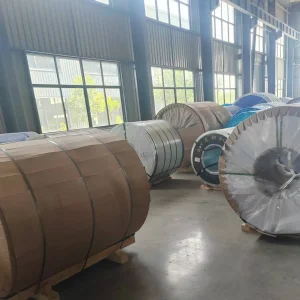
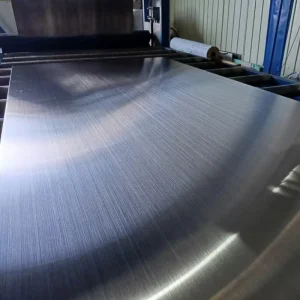
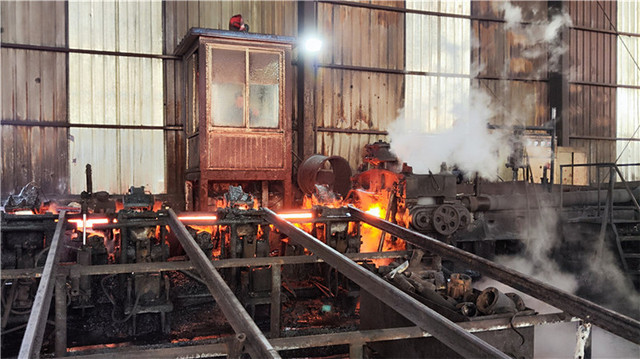
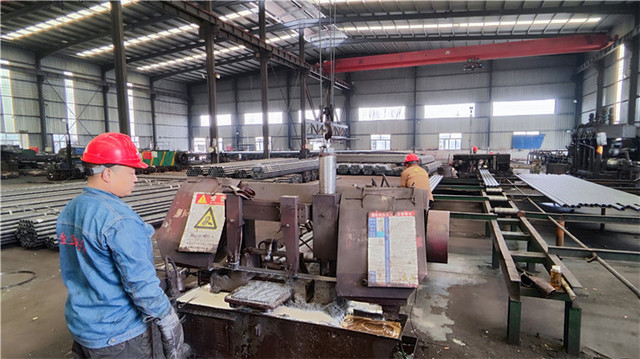
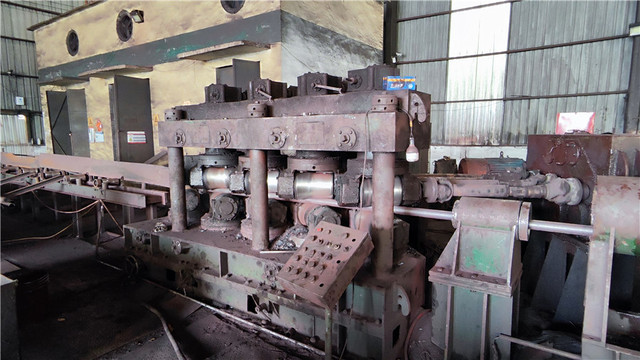
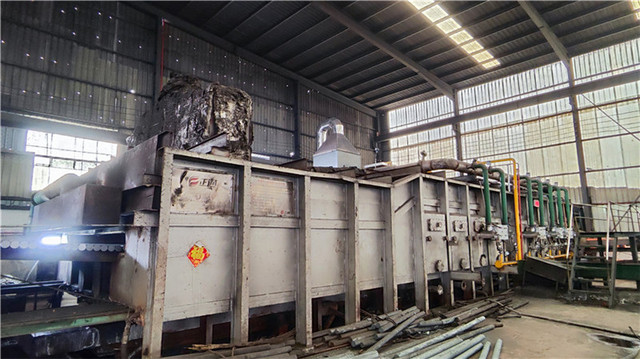
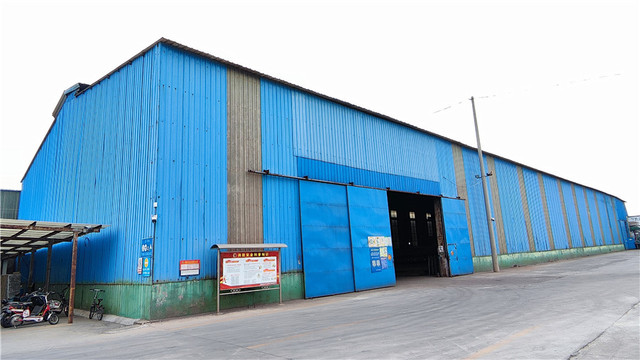
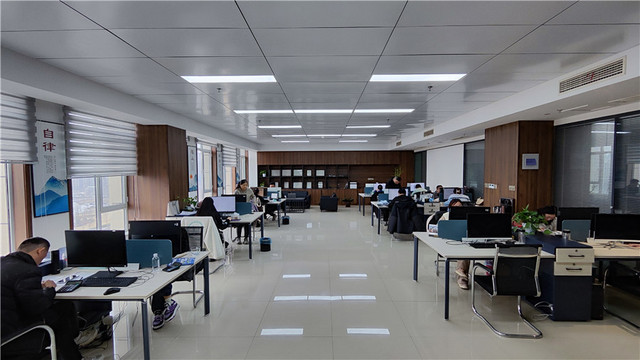
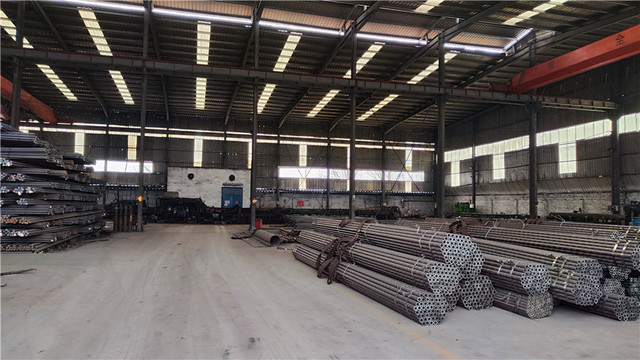
A look into Dongguan Cellar Aluminum's processing capabilities, machinery, and material warehouses.
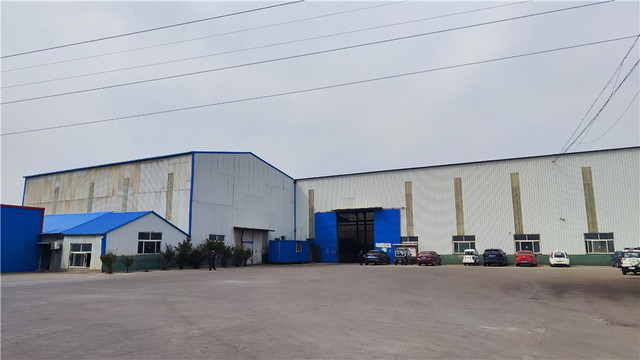
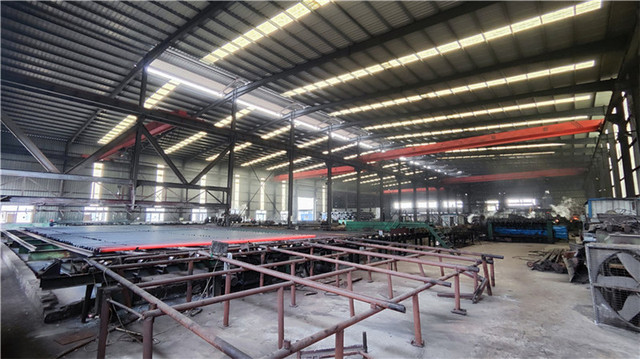
As heavy industry shifts toward carbon neutrality and automated control, hydraulic components must also adapt. Cellar Aluminum is investing in key technological updates to prepare for future demands:
Modern smart hydraulic cylinders require built-in displacement sensors. Our engineering team is refining deep-hole CNC boring techniques to create sensor channels directly within the 6061-T6 cylinder walls, protecting sensitive electronic components from harsh external conditions.
We are phasing out traditional chromate-based conversion coatings and replacing them with modern trivalent chromium (Cr3+) and titanium-zirconium passivation systems. These options meet strict REACH environmental rules while offering high salt-spray resistance.
Using our expertise in SPC and honeycomb core systems, we are exploring composite metal solutions. By layering thin, high-tensile aluminum over low-density honeycomb cores, we aim to reduce the weight of non-pressurized fluid components by an additional 25%.
Answers to key engineering and procurement questions regarding aluminum hydraulic cylinder parts and industrial components.
6061-T6 offers an optimal balance of tensile strength (≥310 MPa), yield strength (≥276 MPa), and excellent machinability. It responds exceptionally well to hard anodization, producing a wear-resistant surface that can withstand the friction of dynamic hydraulic seals under high pressure.
Yes, our precision-manufactured and heat-treated aluminum components are designed for continuous operating pressures up to 3000 PSI. For higher pressure levels, we optimize the cylinder wall thickness and use finite element analysis (FEA) to verify the safety margins.
We use multi-axis CNC machines and automated manufacturing lines that maintain tolerances within ±0.02 mm. Every production batch is inspected with coordinate measuring machines (CMM) and undergoes pressure test protocols before dispatch.
For standard profiles and sheets, the processing time is 7 to 15 days. For complex OEM CNC machined components requiring custom tooling and hard anodization, lead times range between 20 and 30 days, depending on batch volume.
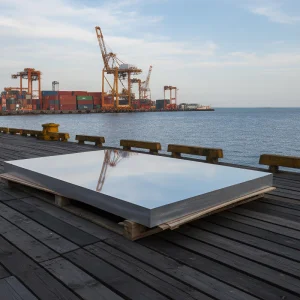
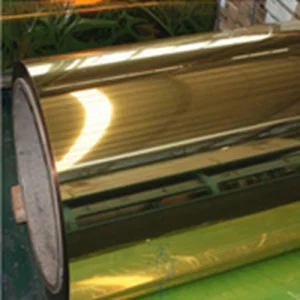
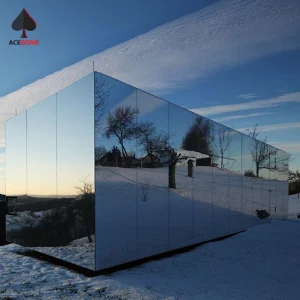
Additional heavy structural panels, mirror coils, and cast steel furnace configurations.
 Cellar Aluminum