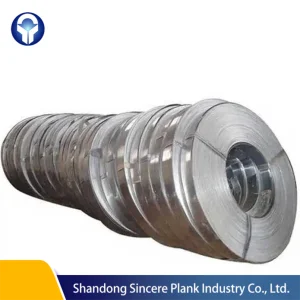
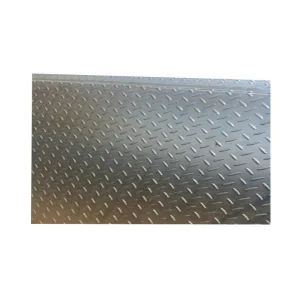
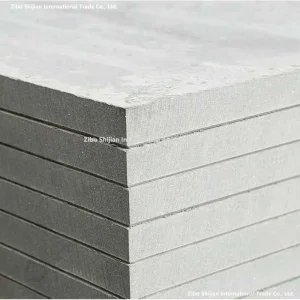
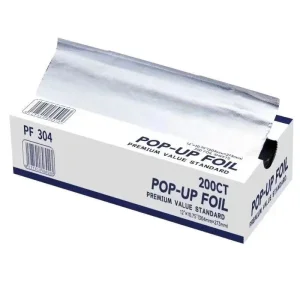
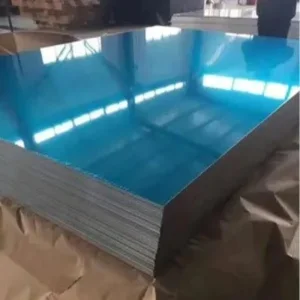
Discover our initial selection of CE certified structural components, marine-grade sheets, and packaging materials manufactured under strict quality audits.
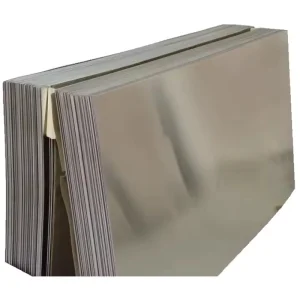
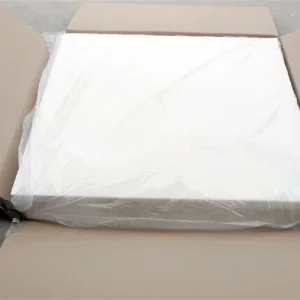
The global demand for high-precision aluminium parts has experienced exponential growth over the past decade. Driven by the aggressive pursuit of lightweighting in transport sectors, structural integrity in modern architectural projects, and thermodynamic efficiency in microelectronics, precision-engineered aluminum serves as a core material across vital industries. The global industrial shift towards reducing carbon footprints has made aluminium alloys (especially 5000, 6000, and 7000 series) the prime choice for replacing heavier steel assemblies.
Structural integrity meets extreme weight reduction. Highly optimized 6061-T6 plates and aerospace-grade extrusions ensure components endure flight loads, dynamic stress variations, and thermal extremes without structural degradation.
Weight reduction directly correlates to electric vehicle battery range. Precision aluminum heat sinks, battery enclosures, and suspension knuckles are critical to modern EV platforms requiring high thermal conductivity.
Combating aggressive saltwater corrosion requires specialized marine-grade alloys such as 5052, 5754, and 5083. Precision-milled hulls, decks, and marine structures deliver exceptional mechanical longevity.
For global engineering departments and procurement agencies, procuring CE Certified components is no longer an optional compliance checklist—it is an absolute indicator of product safety, dimensional stability, and material traceability. Under the European Union’s Construction Products Regulation (CPR) and machinery directives, CE marking ensures that critical structural plates, ladders, cladding panels, and custom-machined blocks fulfill rigorous mechanical load-bearing thresholds and environmental safety requirements.
A decade-long transition from a specialized sheet-cutting workshop to an internationally trusted precision aluminum fabricator and supplier.
Established in 2011 in Dongguan, China—the manufacturing heartland of the Pearl River Delta—Dongguan Cellar Aluminum Co., Ltd. emerged as a dedicated aluminum material processor. Initially focusing on foundational sheet-cutting and basic surface anodizing services, the enterprise recognized a growing trend toward high-precision structural alloys. Through consistent technological reinvestment and rigorous workforce training, the company upgraded its workshop facilities to include multi-axis CNC machines, continuous rolling mills, and modern quality assurance laboratories.
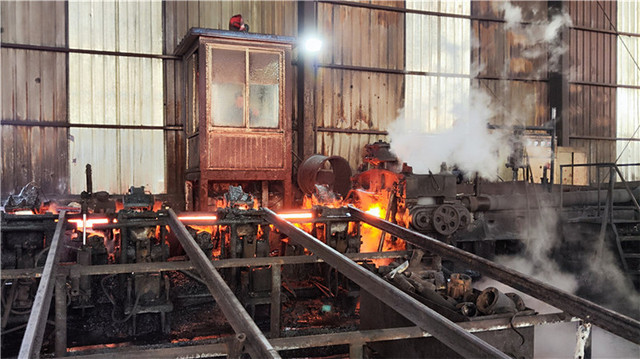
Today, the company acts as a comprehensive Aluminium Plate Manufacturer and Industrial Metal Material Supplier. Operating with advanced automated rolling lines, automated high-tolerance saws, and modern anodizing tanks, Dongguan Cellar Aluminum Co., Ltd. provides optimized material solutions spanning industrial packaging, structural architectural facade panels, refractory backings, and high-strength plate stock. The manufacturing site serves a global footprint, exporting high-precision products across Southeast Asia, the Middle East, Europe, and South America.
Take an inside look at our state-of-the-art production lines, showcasing the automated milling systems, sheet extrusion equipment, and quality control departments that guarantee the dimensional tolerance of our precision aluminium catalog.
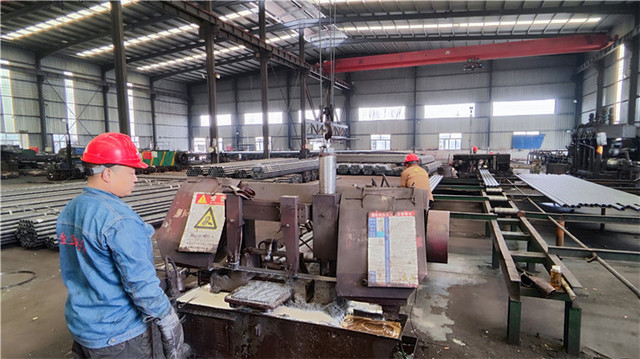
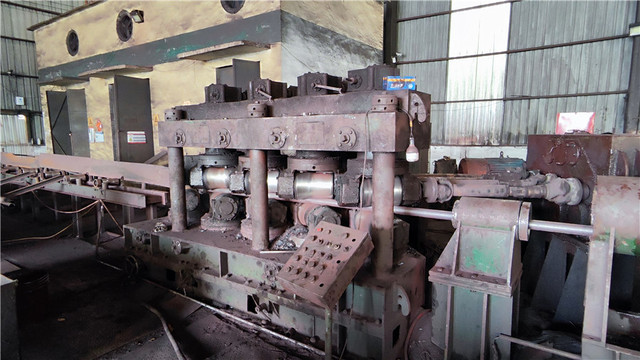
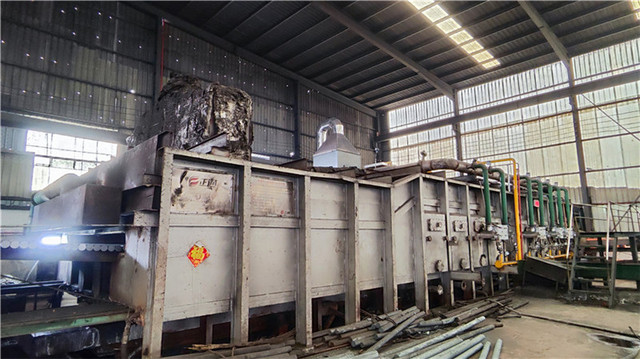
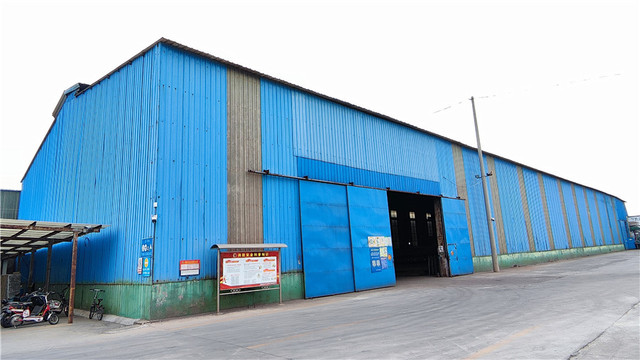
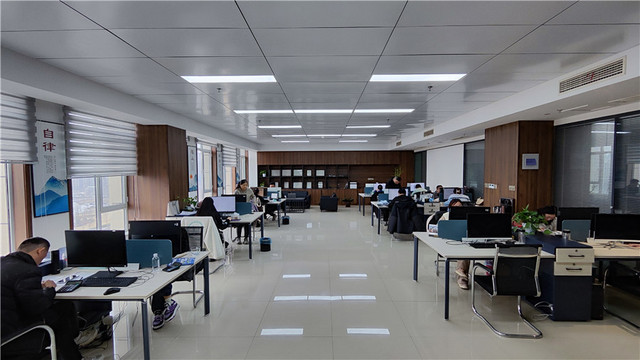
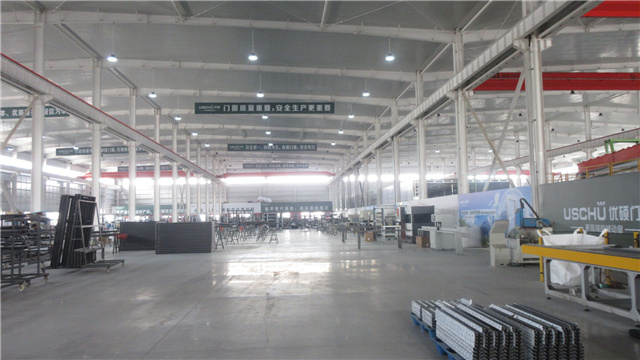
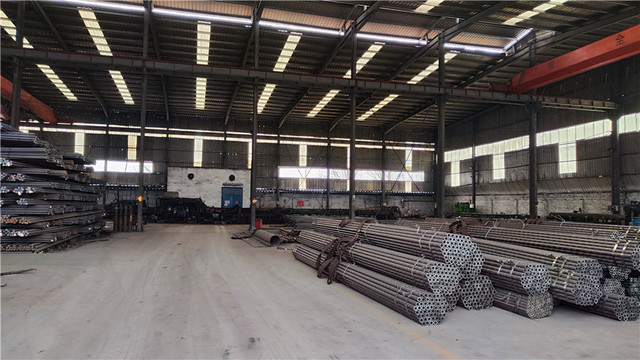
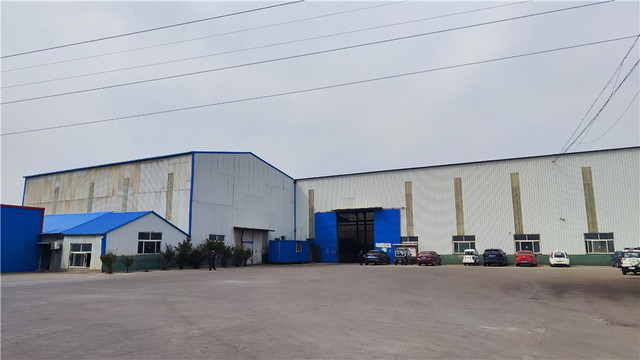
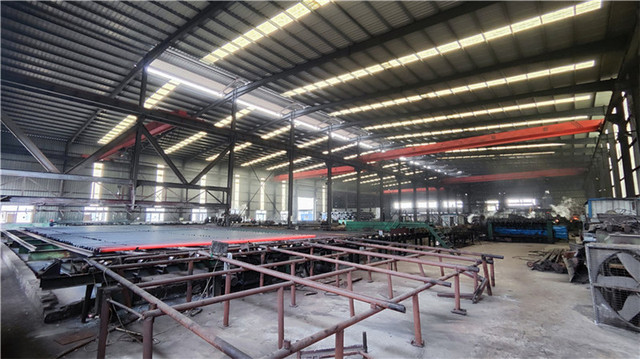
Analyzing the strategic advantages of sourcing precision-machined aluminum products from the South China manufacturing cluster.
Sourcing precision aluminum components from Chinese manufacturers offers critical supply chain advantages. The Pearl River Delta, specifically Dongguan, features a highly concentrated ecosystem of raw ingot suppliers, extrusion facilities, heat treatment specialists, and surface finish providers. This dense industrial cluster eliminates long transit times between intermediate steps, enabling manufacturers to transition from structural raw plates to CNC-machined, anodized components in days rather than weeks.
Leveraging high-speed tooling setups and integrated CAM systems, our factory can deliver complex geometry samples for engineering verification quickly, accelerating your time-to-market.
By keeping processes like precision rolling, multi-axis milling, surface treatment, and packaging verification under one roof, we eliminate intermediate shipping costs and cross-supplier quality issues.
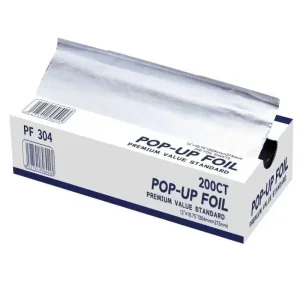
Whether you require a limited run of custom jig templates or millions of precut packaging foil sheets, our automated rolling mills scale output with consistent mechanical properties.
Furthermore, the logistical infrastructure in Guangdong simplifies international trade. Proximity to major deep-water container ports in Shenzhen, Guangzhou, and Hong Kong ensures rapid oceanic and air shipping routes, enabling predictable lead times for critical structural materials worldwide.
From structural aerospace components in North America to marine fabrications in Europe, high-precision aluminium parts adapt to diverse regulatory and engineering requirements.
In highly regulated aerospace applications, high-strength 6061-T6 aluminum plates are utilized for structural wing ribs, fuselage components, and precision tooling molds. Designers select these plates for their excellent strength-to-weight ratio, structural stability, and reliable machining characteristics under tight tolerances. The CE compliance guarantees chemical composition limits, ensuring that the critical structural elements won’t fail under load stress.
Coastal and maritime environments expose equipment to severe degradation. Utilizing marine-grade 5052, 5754, or 5083 aluminum sheets prevents galvanic corrosion. These alloys are ideal for building ship hulls, deck cabins, and custom-milled offshore structures, providing durability without the heavy weight of steel counterparts.
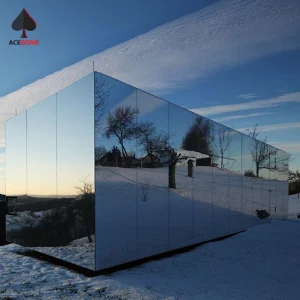
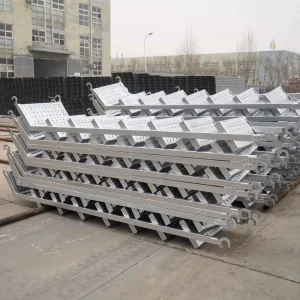
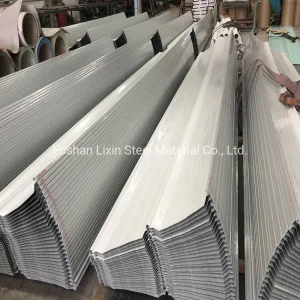
Architects worldwide specify mirror aluminum sheets and cladding panels to construct iconic building facades. These panels require flat surfaces, weatherproofing, and solar reflection characteristics. Paired with lightweight scaffolding step structures, they provide civil projects with safe, durable installation solutions that comply with global safety codes.
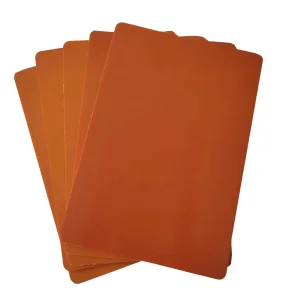
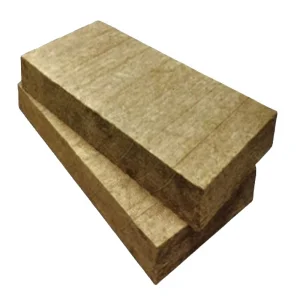
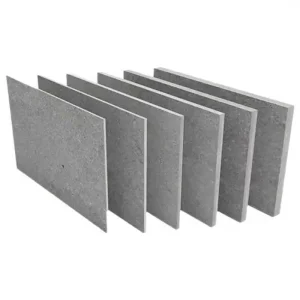
High-precision manufacturing often requires composite material integrations. For instance, combining aluminum structural mounting frames with Bakelite laminate sheets or fireproof calcium silicate panels creates insulated electrical housings and thermal barriers. These hybrid systems are used in transformer panels, switchgears, and smelting furnaces where high voltage and extreme heat are present.
As industrial demands shift towards green manufacturing and smarter supply chains, the precision aluminum processing field is undergoing several key transformations:
To eliminate multiple clamping cycles and geometric errors, manufacturers are adopting 5-axis CNC machining. This enables complex aerospace and automotive components to be milled in a single setup, achieving tighter tolerances.
Environmental standards are driving the demand for green aluminum. Suppliers are increasing the percentage of post-consumer recycled metal in their formulations, reducing carbon emissions while maintaining structural performance.
Modern applications require specialized coatings. New eco-friendly, hexavalent chromium-free chemical conversions and hard-anodizing methods improve wear and corrosion resistance without compromising electrical conductivity.
How international procurement managers mitigate risks, confirm alloy chemistry, and ensure quality consistency.
Procuring custom aluminum components internationally requires balancing cost, quality, and compliance. To prevent project delays, purchasing departments should follow key sourcing best practices:
Technical and commercial answers to help clarify your high-precision manufacturing, material sourcing, and compliance needs.
5000-series alloys (like 5052, 5083) are alloyed primarily with magnesium, offering exceptional corrosion resistance in marine environments, excellent weldability, and moderate strength. 6000-series alloys (like 6061) are alloyed with silicon and magnesium, making them heat-treatable to achieve higher tensile and yield strengths. 6000-series alloys are ideal for precision structural components and machined components due to their superior machining characteristics.
We maintain trace records for every production batch. From raw ingot receipt to rolling, heat treatment, CNC milling, and surface coating, each step is logged in our ERP system. We provide full Mill Test Certificates (MTC) and CE compliance documentation with our shipments, verifying that the delivered products match the ordered specification.
Our standard machining processes conform to ISO 2768-m (medium). For critical aerospace, medical, and electronic applications, we can achieve tolerances down to ±0.01 mm (10 microns) depending on the geometry and raw material temper. Tolerances are confirmed during design review before production begins.
CE certification confirms that construction products (such as cladding sheets and ladders) meet EU health, safety, and environmental standards. It certifies the structural load-bearing capacity and material consistency required for high-altitude installation, ensuring the safety of workers and building occupants.
Yes. We offer a comprehensive suite of surface treatment processes, including clear and color anodizing, hard anodizing (Type III), chemical conversion coatings, powder coating, sandblasting, and mechanical mirror polishing. These treatments are tailored to meet specific requirements for wear resistance, electrical insulation, and aesthetics.
Browse our selection of electrical insulation sheets, fireproof wall boards, structured frames, and custom foils designed for heavy industrial applications.
 Cellar Aluminum