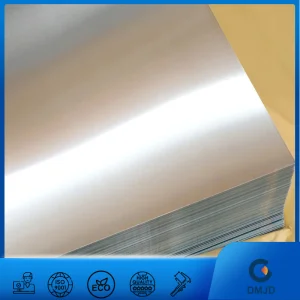
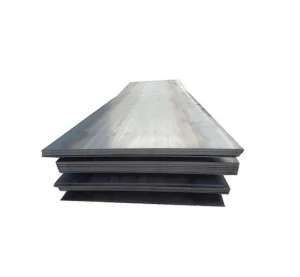
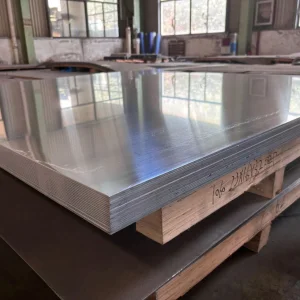
The global automotive industry is undergoing a paradigm shift towards lightweighting, driven by stringent carbon emission regulations and the rapid expansion of the Electric Vehicle (EV) market. At the heart of this transformation is the Aluminium Wheel Rim. Unlike traditional steel wheels, aluminium alloy wheels offer a superior strength-to-weight ratio, significantly reducing unsprung mass, which enhances vehicle handling, acceleration, and fuel efficiency.
As a leading China Aluminium Wheel Rim Materials Factory, we observe that the market is no longer just about "casting." High-end performance vehicles and heavy-duty commercial trucks are increasingly demanding Forged Aluminium Alloys (6061-T6) and specialized 7000-series alloys for extreme durability. China has become the global epicenter for this supply chain, combining advanced metallurgical science with massive economies of scale.
Weight Reduction vs Steel
Recyclability Rate
EV Range Enhancement
Certified Quality Control
Utilizing high-purity A00 aluminum ingots. For wheel rims, we primarily focus on 6061 (Magnesium-Silicon) for its excellent structural integrity and A356.2 for premium cast wheels, ensuring low porosity and high fatigue resistance.
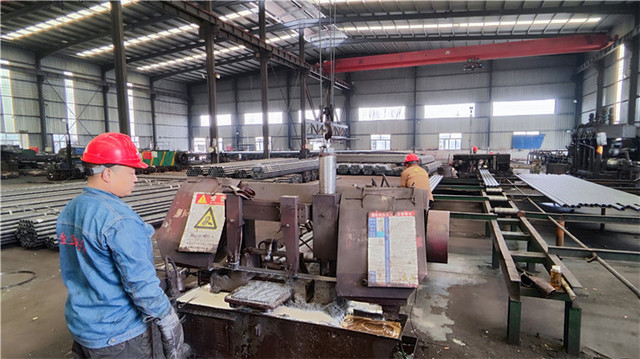
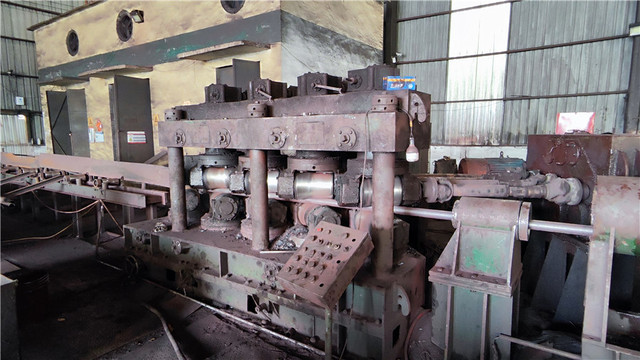
Our facility employs 10,000-ton forging presses to refine the grain structure of the metal. This "closed-die forging" process eliminates internal cavities, making the wheel significantly stronger than its cast counterparts.
A critical phase where the material undergoes solution heat treatment followed by artificial aging. This optimizes the precipitate distribution within the alloy, reaching the peak hardness and yield strength required for road safety.
Utilizing multi-axis CNC milling to achieve aerospace-level tolerances. This ensures perfect wheel balance, reducing vibration at high speeds and extending the lifespan of the vehicle's suspension system.
Beyond aesthetics, our anodizing and powder coating processes provide a corrosion-resistant barrier. This is vital for localized application in coastal regions or areas where road salt is used in winter.
Every batch undergoes X-ray flaw detection and dynamic balancing tests. We integrate AI vision systems to detect micro-cracks invisible to the human eye, ensuring 100% reliability.
In the era of Electric Vehicles (EVs), every kilogram matters. An EV's battery pack adds substantial weight; to compensate and maintain range, manufacturers must reduce weight elsewhere. Aluminium wheel rims are the "low-hanging fruit" for OEM Growth Strategies.
Localized Application Scenarios:
• Nordic Regions: Focus on cold-brittleness resistance and anti-corrosive coatings for salt-heavy roads.
• Middle East: High thermal conductivity materials to dissipate heat from brakes in extreme desert climates.
• Southeast Asia: Cost-effective, high-strength cast alloys for the burgeoning urban commuter market.
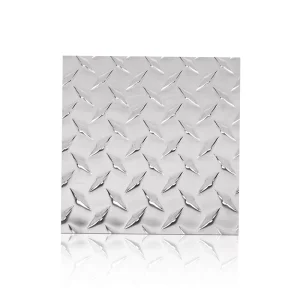
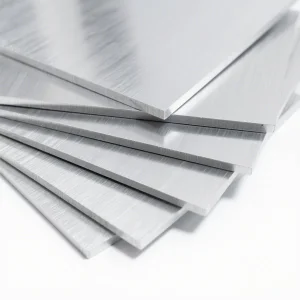
Dongguan Cellar Aluminum Co., Ltd. is a professional manufacturer specializing in aluminum material processing and supply, positioned as a Aluminium Plate Manufacturer | Aluminium Sheet & Industrial Metal Material Supplier. The company focuses on providing high-quality aluminum products widely used in construction, transportation, machinery manufacturing, packaging, electronics, and industrial engineering sectors.
Established in 2011 in Dongguan, China, Cellar Aluminum began as a small aluminum processing workshop focused on basic sheet cutting and surface finishing services. With the rapid growth of industrial demand for lightweight and corrosion-resistant materials, the company expanded into large-scale production of aluminum plates, sheets, and tread plate solutions. By 2016, it had developed advanced capabilities in rolling, cutting, anodizing, and precision surface treatment.
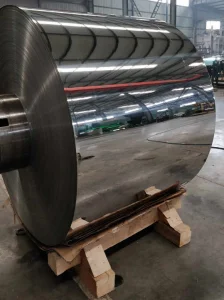
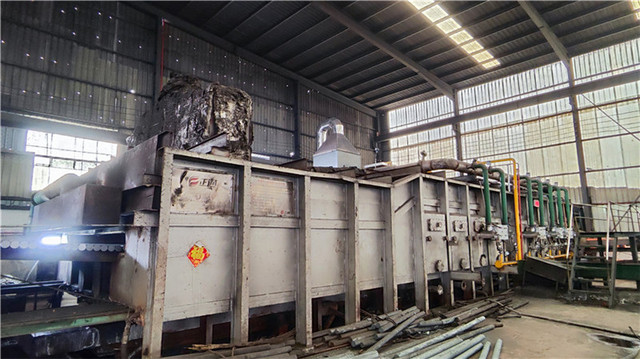
Today, Dongguan Cellar Aluminum Co., Ltd. operates modern production facilities equipped with automated rolling lines, precision cutting systems, and advanced surface treatment technologies. The company emphasizes strict quality control, stable material performance, and customized specifications to meet diverse industrial requirements.
With a strong export network across Southeast Asia, the Middle East, Europe, and South America, Cellar Aluminum continues to deliver reliable and cost-effective aluminum solutions. Committed to innovation, sustainability, and material performance enhancement, the company plays an active role in supporting global industrial manufacturing and modern infrastructure development.
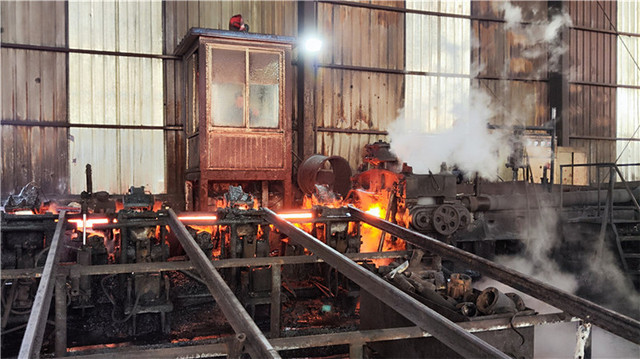
The next decade of Aluminium Wheel Rim manufacturing will be defined by "Green Aluminium." This involves using renewable energy sources (hydro or solar) for the electrolysis process and increasing the ratio of recycled aluminium (post-consumer scrap) without compromising mechanical properties.
We are currently piloting Macro Industry Solutions that integrate Blockchain technology for supply chain transparency. This allows our global partners to trace the carbon footprint of every wheel rim material from the mine to the final product, meeting the rigorous ESG (Environmental, Social, and Governance) requirements of the modern era.
A: 6061 is a wrought alloy typically used for forged wheels, offering higher tensile strength and elongation. A356 is a casting alloy with excellent fluidity and weldability, making it the industry standard for high-quality cast wheels. Forging provides better grain flow for performance, while casting offers more complex design freedom at a lower price point.
A: We utilize SPECTRO optical emission spectrometers to verify chemical composition before every pour. Furthermore, our T6 heat treatment is monitored by automated temperature-sensing probes that provide real-time data logs, ensuring every batch meets the required hardness (HB/Brinell) specifications.
A: Absolutely. For heavy-duty applications, we recommend 7075-T6 alloy, which offers a yield strength nearly double that of 6061. This is ideal for off-road military vehicles where impact resistance and load-bearing capacity are non-negotiable.
A: Being located in Dongguan, the "World's Factory," we have proximity to major ports like Shenzhen and Guangzhou. Standard material orders take 15-25 days for production, with sea freight varying by destination (e.g., 12 days to SE Asia, 35 days to Europe/South America).
 Cellar Aluminum