Cellar Aluminum
1. Executive Summary & Corporate Development Roadmap
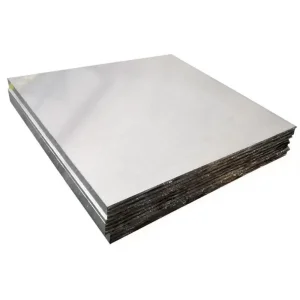
In the context of the modern global industrial revolution, high-strength structural lightweight materials represent the absolute vanguard of transport, infrastructure, and heavy manufacturing evolution. Dongguan Cellar Aluminum Co., Ltd., established in 2011 in Dongguan, China, has transitioned from a specialized regional sheet-processing workshop into a globally recognized benchmark manufacturer of structural aluminum plates, specialized clad materials, and weldable aluminum structural plates.
By focusing heavily on advanced thermal rolling technologies, precision alloy chemistry optimization, and state-of-the-art joint integrity engineering, our company addresses the critical technical needs of structural engineers, commercial builders, and procurement officers globally. Over more than a decade of research, development, and capacity scaling, we have engineered dedicated lines producing high-weldability 5xxx (Al-Mg) and 6xxx (Al-Mg-Si) aluminum plates, high-temperature cladding interfaces, and specialty aerospace and automotive alloy systems.
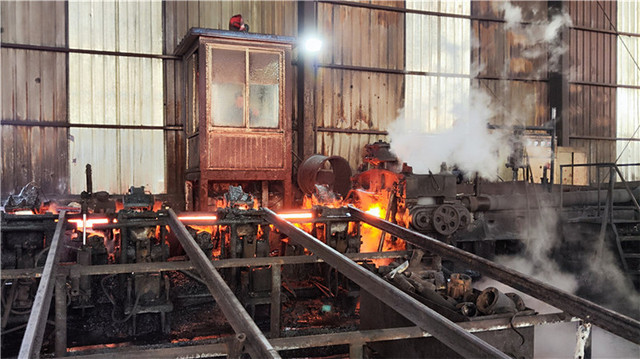
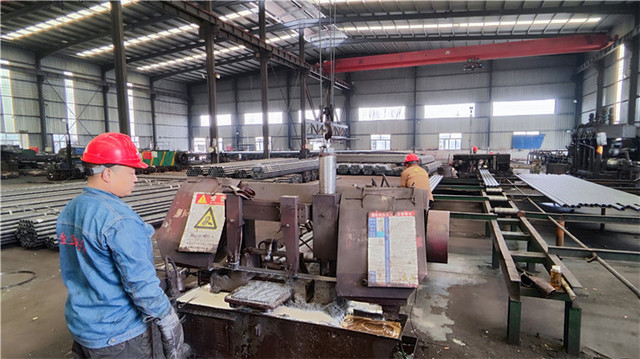
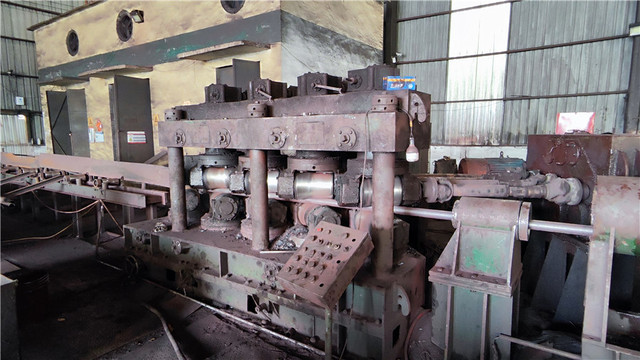
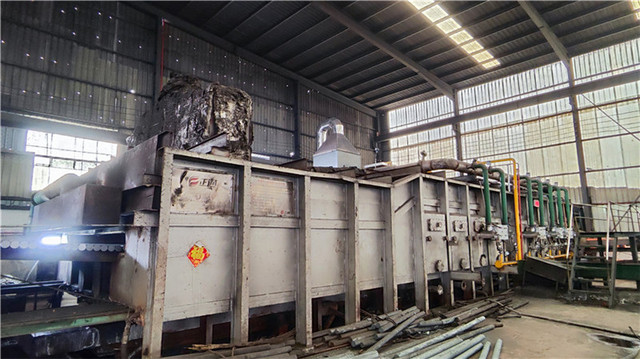
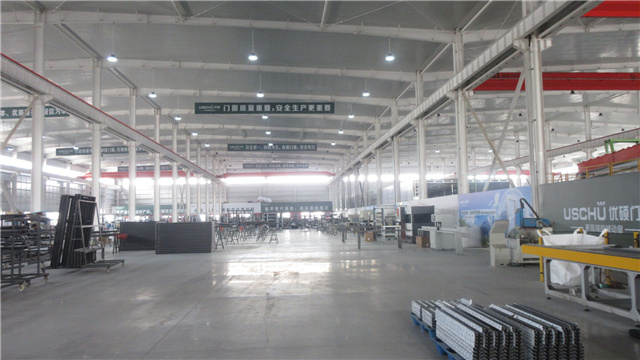
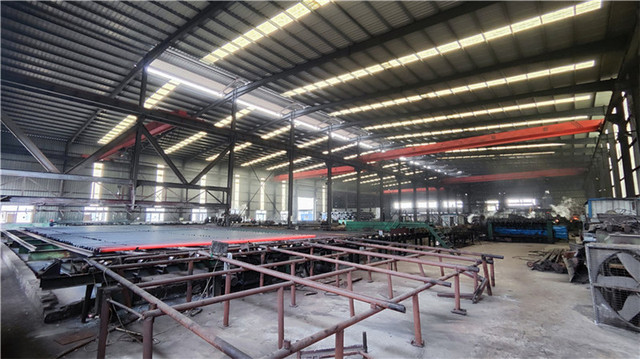
Our core manufacturing facilities house automated hot and cold rolling mills, continuous annealing furnaces, precision tension levelers, and automated ultrasonic non-destructive testing (NDT) units. This technical suite allows us to ship high-integrity plates that serve as the foundational substrates for complex industrial welding, structural fabrication, and high-stress mechanical assembly applications worldwide.
2. Macro-Industrial Solutions: The Science of High-Integrity Welded Joints
Welding aluminum alloys requires an in-depth understanding of material science. Unlike ferrous alloys, aluminum exhibits high thermal conductivity, low structural emissivity, and a high affinity for hydrogen dissolution. This can lead to solidification cracking, heat-affected zone (HAZ) softening, and mechanical porosity if not managed properly.
Alloy Cleanliness
Strict controls over alkali metal inclusions (sodium, calcium) and gas porosity during casting ensure defect-free welds under high-energy arc and laser conditions.
Grain Refinement
Micro-alloying with titanium, boron, and zirconium refines the weld metal microstructure, suppressing hot cracking and strengthening the fusion boundary.
Oxide Management
Precisely controlled surface prep, combined with custom chemical passivation, yields a stable, thin oxide layer that requires less cleaning current during TIG/MIG welding.
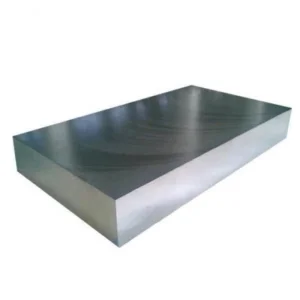
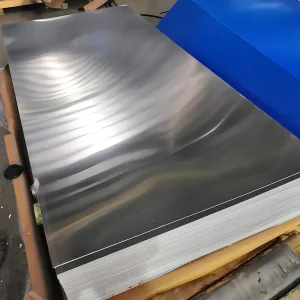
Dongguan Cellar Aluminum's product lines address these challenges directly. Our Special Vehicle Use High Strength 6061 T6 Alloy Aluminum Sheet is formulated with tightly controlled magnesium and silicon ratios. This mitigates the risk of liquation cracking within the partially melted zone (PMZ).
For heavy structural elements, our metallurgical focus ensures that the Heat Affected Zone (HAZ) retains its mechanical properties after welding. This is achieved by utilizing precise thermal homogenization techniques during rolling. By optimizing the distribution of hardening precipitates (such as $\beta''$ ($Mg_2Si$) phases in 6xxx series), we provide metal fabricators with a more forgiving welding window. This reduces post-weld distortion and minimizes strength loss across the welded joint.
3. Global Commercial & Industrial Status: Market Challenges and Solutions
The global industrial market faces significant supply chain changes. Stricter environmental mandates and the rise of electric vehicles (EVs) have driven demand for lightweight materials. In industries like marine engineering, logistics, and rail transit, replacing steel with weldable aluminum plates is a key path to reducing carbon emissions and improving fuel efficiency.
However, global logistics face issues with variable lead times and fluctuating metal prices. Procurement managers require consistent material chemistry across bulk orders. Many face challenges with material batches that weld differently due to minor variations in trace element concentrations.
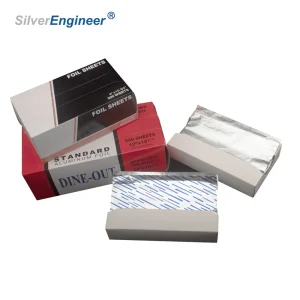
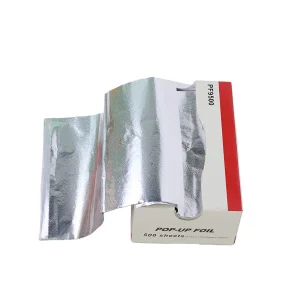
Dongguan Cellar Aluminum mitigates these global challenges by employing advanced automated spectral analysis and charge-level chemical sorting on every melt. Whether supplying Plain T6 Tempered Marine Grade Plate 6061 Aluminum Sheet Plate for deep-sea vessels or food-grade foil sheets, we ensure each batch matches the exact technical specification of the project.
4. Localization Support & Compliance Assurance: Navigating International Standards
Exporting to markets in North America, the European Union, Southeast Asia, and the Middle East requires strict adherence to regional standards. Our products comply with ASTM B209, EN 485, JIS H4000, and GB/T 3880 specifications. For marine applications, our 5xxx and 6xxx series plates conform to the classification requirements of societies such as DNV-GL, ABS, and Lloyd’s Register.
We recognize that compliance extends beyond documentation. It involves delivering localized engineering support. We provide detailed mill test certificates (MTC) with full chemical analysis, mechanical property breakdowns, and grain size distributions.
Our support teams collaborate with localized welding engineers globally to select the correct filler metals. For instance, pairing our 6061-T6 plates with ER5356 or ER4043 wire requires careful consideration of joint service temperatures and post-weld anodizing requirements. We provide this technical consultation for every major structural project.
5. Localized Application Scenarios: Where Our Products Excel
Our products are designed for diverse, demanding environments. The integration of high-grade raw aluminum plates with advanced mechanical components is essential for reliable industrial operations.
A. Heavy-Duty Transportation & Industrial Mobility
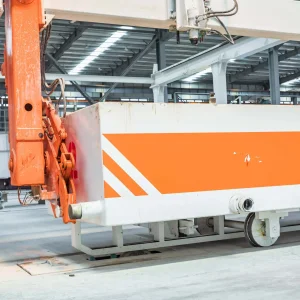
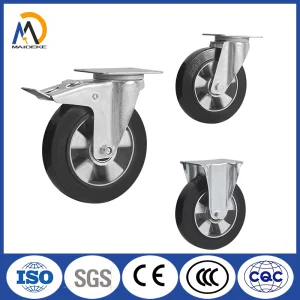
In modern logistics centers and automated production plants, structural integrity is key. Our Heavy-Duty Aluminum Core Rubber Casters utilize high-strength cast-and-welded aluminum cores. These structures absorb dynamic impacts under heavy loads, providing corrosion resistance and weight savings compared to traditional cast-iron cores.
B. Marine Structures & Environmental Isolation
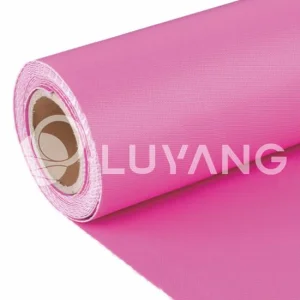
Marine environments present harsh combinations of chloride corrosion and mechanical stress. Our Luyang Fiberglass China Glass Fiber Cloth Marine Cladding Materials with Aluminum Foil offers a dual-layer solution: high-strength composite protection and a thermal radiation barrier. When welded or mechanical fastened to marine bulkheads, it provides fire safety and environmental insulation.
C. High-Load Municipal Infrastructure
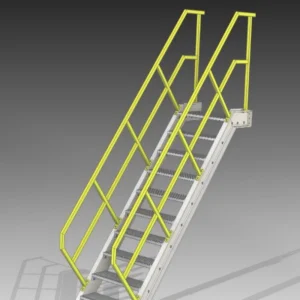
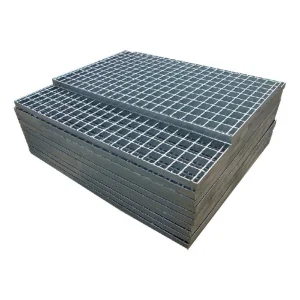
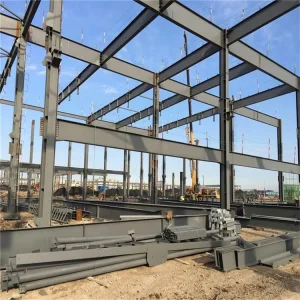
Our Municipal Road Rainwater Grates and Platform Tread Steel Grating systems are engineered for high structural load capacity. Used in municipal roads, industrial walk-paths, and drainage systems, they offer long-term durability and resistance to dynamic vehicle loading.
D. Advanced Architectural Cladding
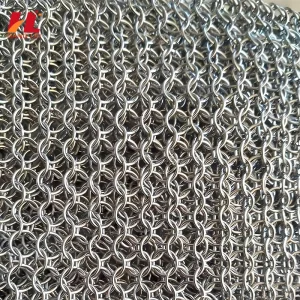
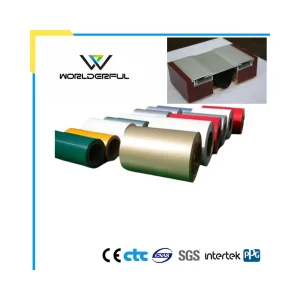
Architectural panels must withstand high wind loads and atmospheric corrosion. Our Coated Aluminum Aluminium Corrugated Cladding System and Innovative Woven Aluminum Mesh Panel System combine aesthetic appeal with structural durability. These systems are used in commercial facades, decorative screens, and weather-proof exterior walls.
6. Technical Roadmap & Future Outlook: Friction Stir Welding and Beyond
The future of aluminum fabrication lies in solid-state joining technologies. As a forward-looking manufacturer, Dongguan Cellar Aluminum is optimizing our aluminum plate processing to support Friction Stir Welding (FSW). Unlike fusion welding, FSW joins plates below their melting point, eliminating porosity, hot cracking, and HAZ strength reduction.
To support high-speed FSW, we have refined the surface cleanliness, flatness tolerance, and metallurgical homogeneity of our thick structural plates. Our development roadmap includes:
- Micro-alloying Optimization: Utilizing scandium and zirconium additions to create thermally stable $\mathrm{Al_3(Sc, Zr)}$ dispersoids, preserving strength even in the heat-affected zone.
- Hybrid Laser-MIG Prep: Structuring plate edges with custom beveling and laser cleaning to streamline automated high-speed hybrid welding setups.
- Eco-conscious Metallurgy: Expanding the use of low-carbon, recycled aluminum alloys processed with renewable energy sources to meet global green building certifications.
7. Production Facility & Metallurgical Operations Showcase
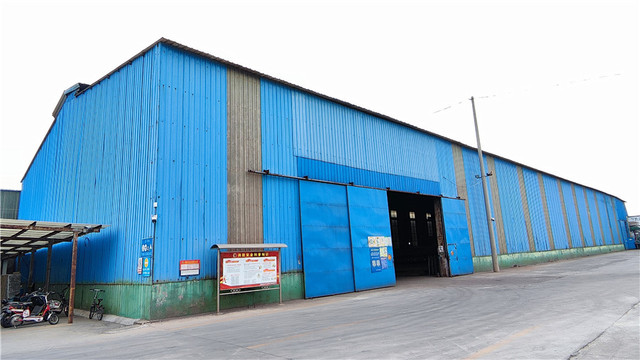
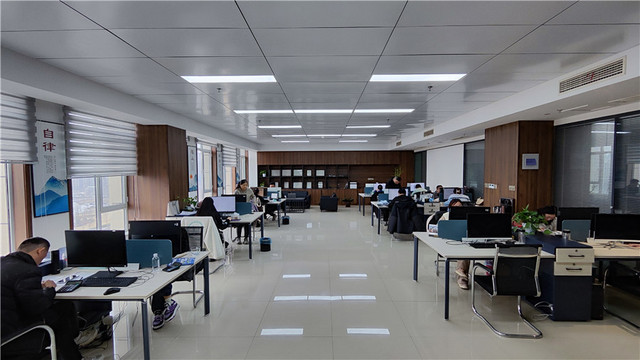
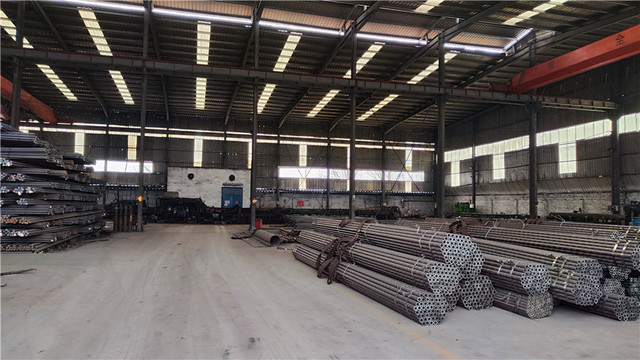
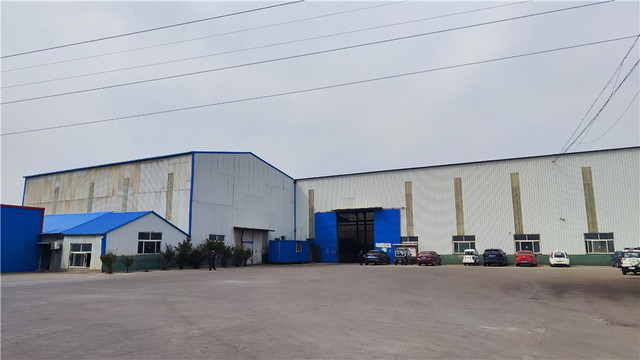
A visual overview of our advanced rolling lines, surface finish processing, quality control testing, and global distribution logistics.