In modern structural design and advanced manufacturing, the transition toward lightweight, high-strength metals has placed aluminum alloys at the forefront of engineering innovation. As industries from aerospace to automotive seek to minimize energy footprint while maximizing structural integrity, the precision fabrication of aluminum components has evolved. Traditional stamping and CNC milling, while effective for legacy operations, often fall short when addressing rapid prototyping, complex geometries, and minimizing the Heat-Affected Zone (HAZ).
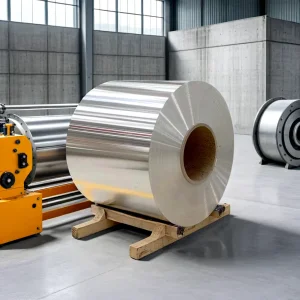
Dongguan Cellar Aluminum Co., Ltd. has established itself as an industry-leading Aluminium Plate Manufacturer and Industrial Metal Material Supplier. Founded in 2011 in Dongguan, China, our company initially operated as a specialized metal-cutting and surface-finishing workshop. Driven by the global shift towards high-tolerance components, we scaled operations rapidly. By 2016, we integrated state-of-the-art multi-axis fiber laser cutting systems and continuous-rolling mills, providing global OEMs and tier-1 suppliers with customizable, burr-free laser-cut components that require minimal post-processing.
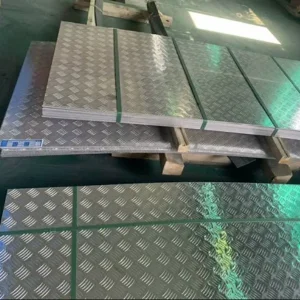
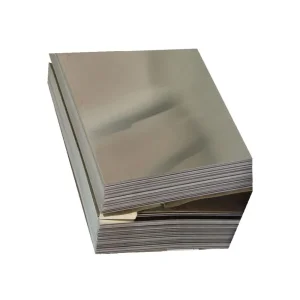
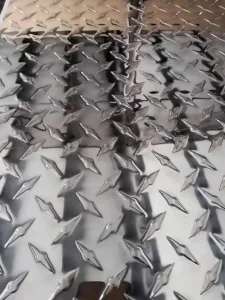
Laser cutting aluminum presents distinct physical challenges. Due to the high reflectivity and thermal conductivity of aluminum, standard CO2 lasers often suffer from back-reflection, which can compromise equipment integrity and lead to rough, dross-heavy edge profiles. Our facilities leverage high-power Fiber Lasers configured with customized wavelength modulations and nitrogen-assist gas configurations. This prevents oxidation, suppresses micro-cracking at the cut margin, and achieves clean, dimensionally accurate profiles on difficult alloys, including the high-strength copper-bearing 2A12-T4 series, marine-grade 5052/5083 plates, and architectural mirror-finish sheets.
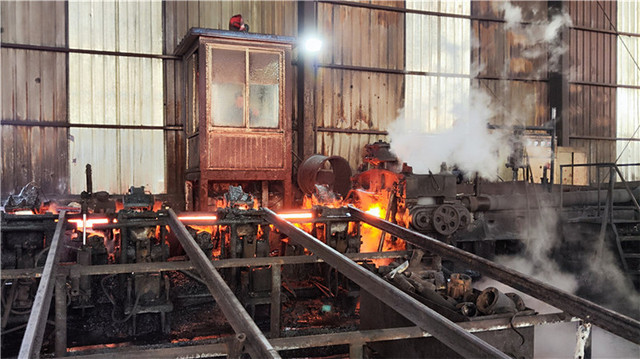
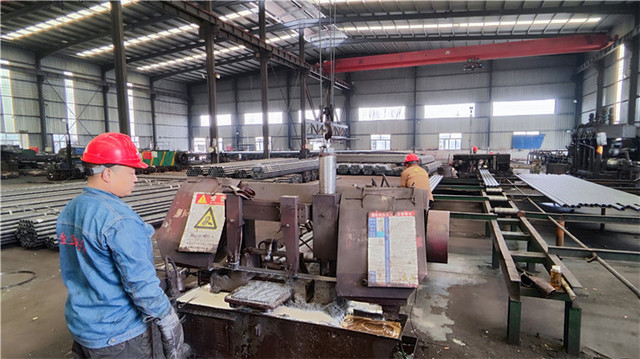
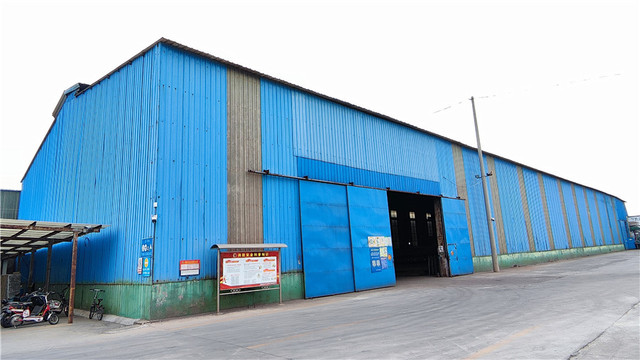
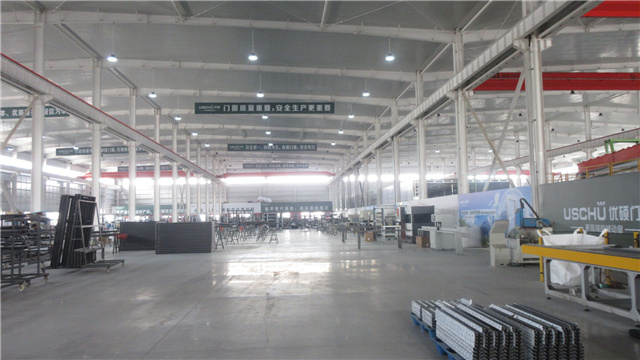
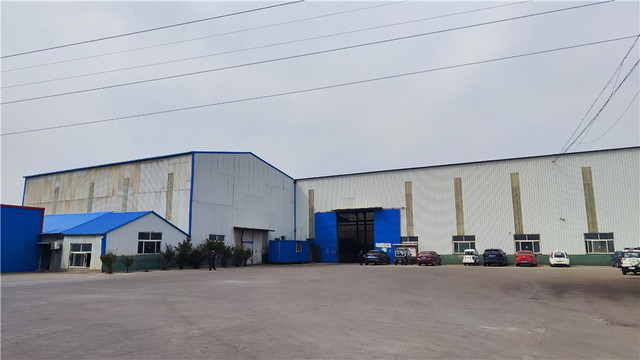
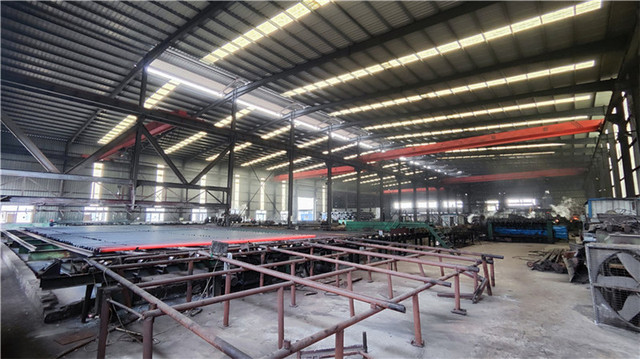
Our manufacturing facility in Dongguan is structured to handle high-mix, high-volume production schedules. By implementing smart factory protocols, we synchronize raw material inventory, CAD/CAM nesting algorithms, laser-cutting paths, and downstream surface processing under a unified Manufacturing Execution System (MES). This integration drastically minimizes scrap rates, improves yield, and guarantees material traceability from raw billet to the final laser-cut part.
Through dynamic CAD nesting, we utilize nesting optimization software to fit geometries closely together on a single aluminum sheet. This reduces material scrap rates down to less than 8.5%, compared to the 15-20% typical of traditional stamping processes. These material savings are directly passed on to our global procurement partners, giving them a significant cost-per-part advantage.
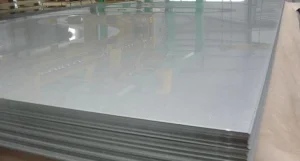
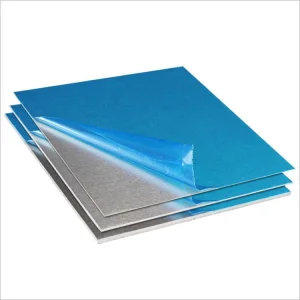
Furthermore, our advanced rolling mills and automatic levelling machines guarantee that all incoming sheets satisfy strict flatness tolerances before they reach the laser bed. For components like mirror-finish aluminum sheets, we apply protective PVC films before cutting to prevent surface scratches, ensuring pristine cosmetics upon delivery.
As global manufacturers shift toward lightweighting and fast product lifecycles, the technological requirements for laser cutting continue to advance. Our technical roadmap focuses on three primary pillars of technological evolution:
We are upgrading our cutting arrays to 20kW and 30kW fiber lasers. This enables clean, single-pass cuts through aluminum plates up to 50mm thick, replacing high-cost mechanical routing or abrasive waterjet processes while preserving tight dimensional tolerances.
By implementing real-time beam shaping and coaxial optical temperature monitoring, our systems adjust the focal spot size dynamically based on alloy reflectivity, dramatically reducing kerf width and eliminating the formation of micro-burrs.
Integrating machine-learning visual inspection units directly onto the laser cutting head allows our systems to analyze the cut front in real-time, detecting deviations in roughness or micro-dross and self-correcting feed rates on the fly.
By looking forward and continually investing in automated loading and unloading systems, we aim to offer fully unattended "lights-out" manufacturing. This operational capability will allow us to support high-volume runs for global electronics, automotive casing components, and energy storage frame systems with shortened lead times.
Aluminum laser-cut components serve as structural and functional building blocks across multiple industrial verticals. Depending on the environment, we supply tailored aluminum grades that meet the corresponding mechanical stress, weight, and corrosion resistance profiles.
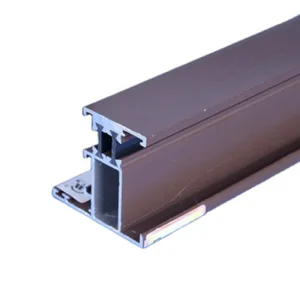
With the rise of Electric Vehicles (EVs), weight reduction directly translates to increased battery range. We process high-strength structural sheets and profiles to produce EV battery enclosures, chassis reinforcement brackets, and cooling system mounting frames. Our laser-cut 5052-H32 sheets offer excellent formability and vibration resistance, ensuring structural stability under dynamic loads.
For demanding structural environments, we offer high-grade 2A12-T4 aluminum plates. This copper-alloyed grade features high tensile strength and fatigue resistance. Utilizing our precision fiber laser cutters, we fabricate detailed internal structural brackets, aerospace instrument panels, and specialized machine frames without inducing thermal micro-fissures along the cut path.
Marine and offshore environments require materials that resist saltwater corrosion. We supply laser-cut components made from marine-grade 5052 and 5083-H111 plates. Typical applications include hull structures, marine brackets, and gangways. These components retain high yield strength and structural integrity after welding and extended exposure to corrosive marine environments.
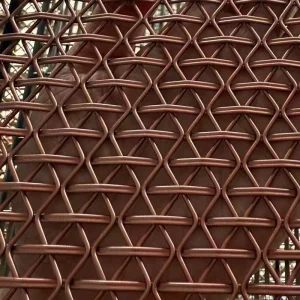
Modern architecture leverages decorative metal panels for aesthetics and durability. We specialize in cutting expanded honeycomb metal mesh sheets, mirror-finish cladding panels, and custom-perforated sunscreens. Our clean-cutting technology leaves clean edges that do not damage the protective oxide layer or PVC film, ensuring easy anodizing, powder coating, or polishing post-cut.
Dongguan Cellar Aluminum Co., Ltd. serves a global customer base. We understand that international supply chains demand compliance with regional manufacturing standards and strict quality control measures.
Evaluating international suppliers requires examining more than just price-per-kilogram rates. Procurement teams must audit technical capacities, lead times, quality management systems (QMS), and financial health to minimize supply chain disruptions.
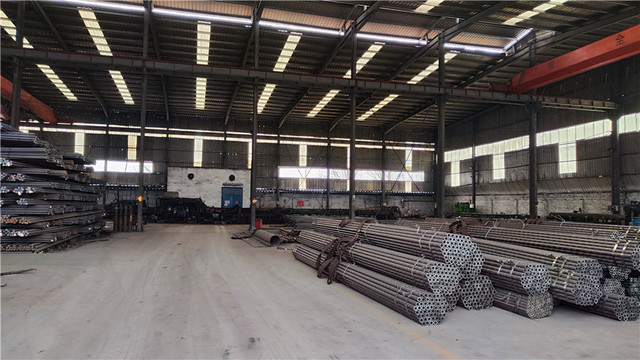
By partnering with Dongguan Cellar Aluminum Co., Ltd., global enterprises gain access to a vertically integrated supply chain. We maintain partnerships with major raw aluminum smelters, ensuring stable material access even during volatile market conditions. Our internal production capacities range from heavy rolling and surface anodizing to precision CNC laser fabrication, ensuring we control lead times and maintain tight quality standards across every step of your project.
 Cellar Aluminum