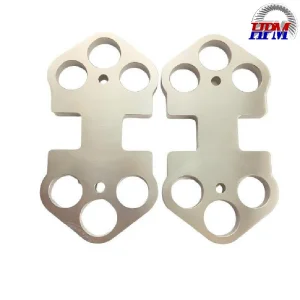
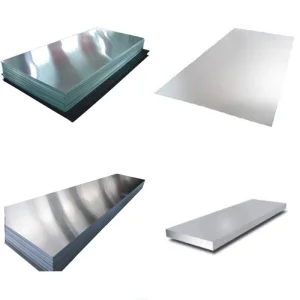
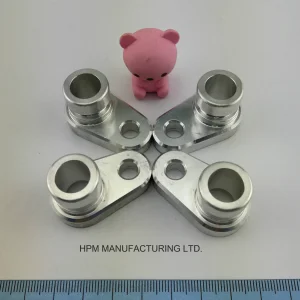
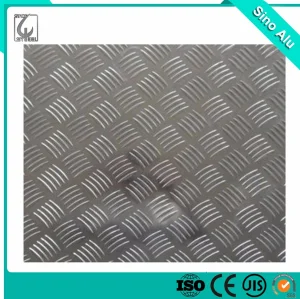
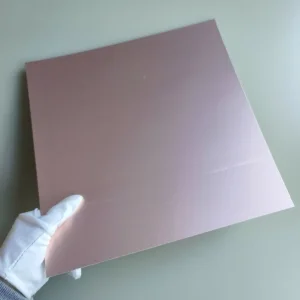
With over a decade of dedication to metallurgical excellence, Dongguan Cellar Aluminum Co., Ltd. has evolved from a localized processing hub into an internationally certified supplier of high-precision aluminum alloys, foils, sheets, and custom CNC components. Our manufacturing infrastructure implements strict quality checks under international standards (ISO, ASTM, EN, and AMS), catering to sectors demands such as construction, marine, aerospace, food processing, and microelectronics.
Through state-of-the-art continuous rolling mill configurations, advanced chemical vapor deposition (CVD), anodizing surfaces, and high-tolerance CNC processing, we resolve structural barrier, lightweighting, and heat distribution challenges across complex supply networks globally.
Our high-performance production facilities in Dongguan are equipped with multi-axis CNC machines, heavy plate slitting lines, and specialized surface treatment plants designed to maintain tight tolerances and pristine aesthetics.
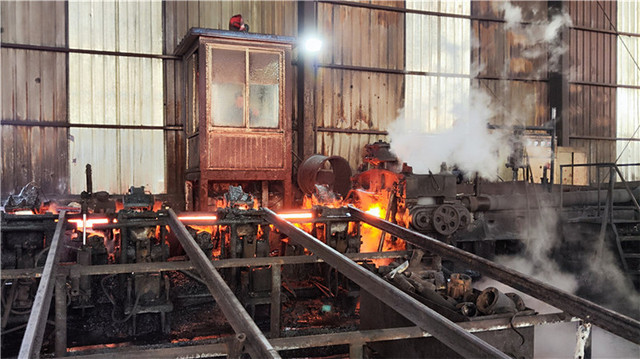
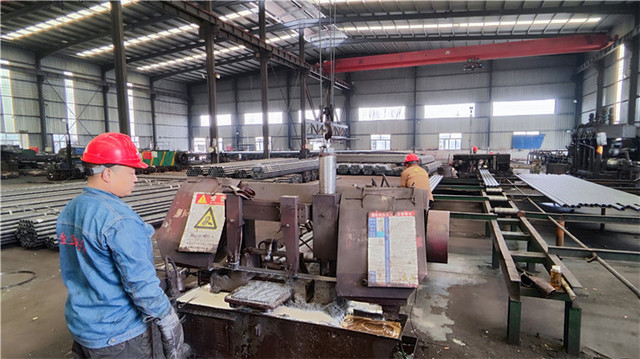
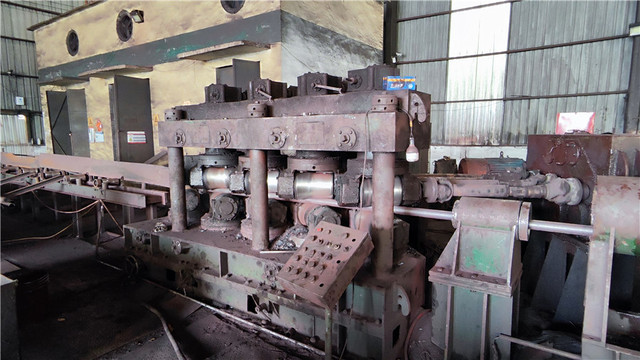
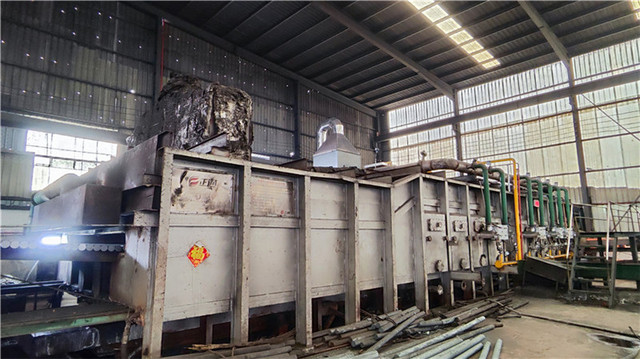
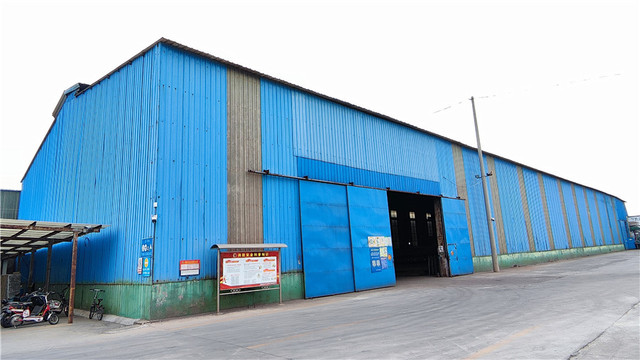
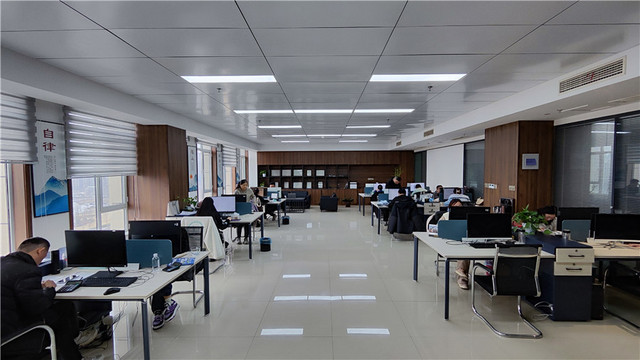
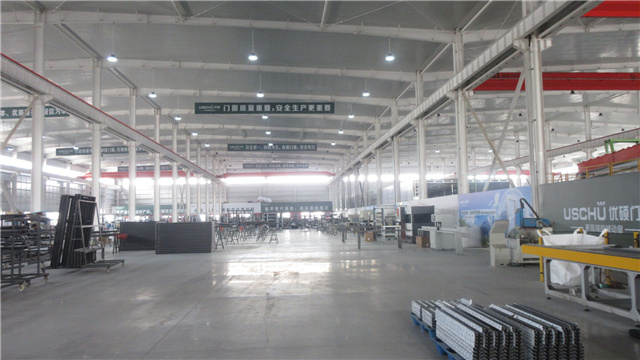
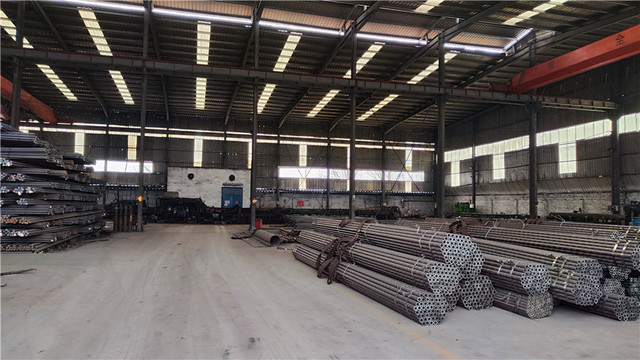
The Pearl River Delta's integrated industrial cluster enables Dongguan Cellar Aluminum to achieve rapid raw material sourcing. By utilizing direct pipelines from premium bauxite smelters and domestic high-grade ingot processing parks, we guarantee continuous production cycles even during peak market volatility.
Our logistics framework maintains digital inventory counts, ensuring customized orders move quickly from casting and rolling to container loading at Shenzhen or Guangzhou ports.
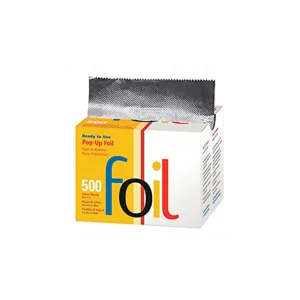
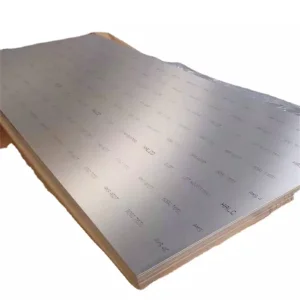
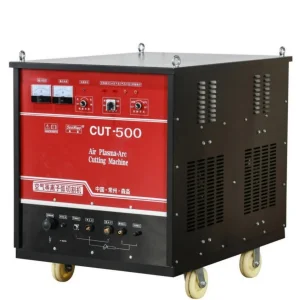
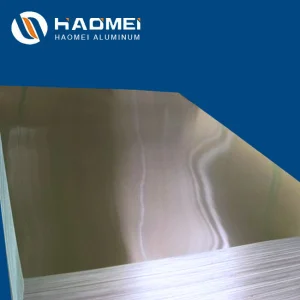
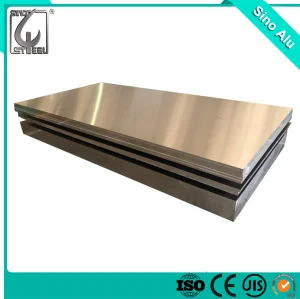
We implement automated high-speed CNC routing, plasma precision cutting, and multi-spindle drilling lines. From structural grade plates (like the 6061 T6 and 2A12 alloys) down to light food service pop-up foil rolls, each batch undergoes strict geometric verification, ensuring compliance with specified industrial prints.
Precision calibration of element ratios (Si, Fe, Cu, Mn, Mg) across diverse series (1000 to 8000 series):
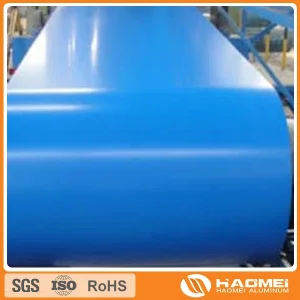
High-integrity protective coating and aesthetic modification layers applied to dynamic runs:
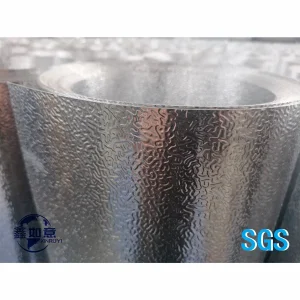
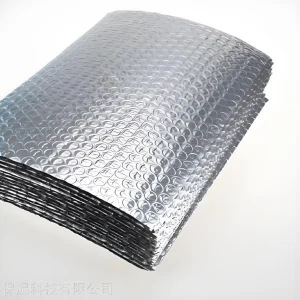
Multi-layer composites designed for infrastructure insulation and heat dissipation:
Focused on structural slitting, precision profile sizing, and 1000-series alloy roll processing for packaging bases in Guangdong regional sectors.
Upgraded to multi-axis CNC systems, offering tailor-made high-performance marine plates (5083, 5754), aerospace components, and food-grade foil assemblies.
Integrating closed-loop scrap recovery systems, thin-foil capabilities down to 6 microns, and expanding support for composite layers to meet strict ESG mandates.
Aluminium packing and material solutions provide crucial performance advantages across modern engineering sectors. Below is a detailed mapping of structural alloys, packaging barrier specifications, and thermal properties:
| Alloy Family / Product Class | Key Properties & Barrier Levels | Primary Industrial Applications |
|---|---|---|
| 1xxx Series (1050, 1060 Foil) | Purity >99.5%, high thermal transfer, superior flex forming. | Catering services, food preservation container packaging, thin-barrier foils. |
| 2xxx Series (2A12, AMS 4008) | High strength-to-weight ratio, structural fatigue resistance. | Aerospace structural casings, defense housings, high-stress load plates. |
| 5xxx Series (5083, 5754, 5A05) | Excellent corrosion resistance in saline environments. | Marine vessels, pressure vessels, chemical packaging containers. |
| 6xxx Series (6061 T6, 6082) | Exceptional weldability, heat-treatable, high load strength. | Heavy-duty structural frames, CNC engineered parts, transit systems. |
| Composite Insulation Panels | High thermal reflection, radiant barrier structure. | HVAC systems, cold-chain transport packaging, warehouse insulation. |
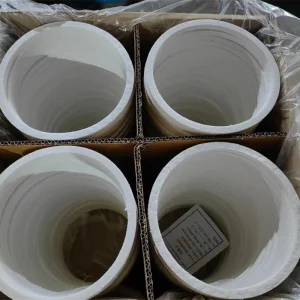
| Silicon Refractory Boards | Temperature resistance up to 1600°C–1800°C. | High-temp kiln lining, laboratory furnaces, metallurgical insulation. |
High-purity aluminum alloys yield thin foil configurations that act as complete barriers against oxygen, moisture, and light. Unlike plastics, aluminum preserves organic structures without taste migration or chemical leeching. Our pop-up catering foils represent the peak of hygienic consumer and industrial kitchen packaging.
From reflective bubble insulation to FR4 copper clad laminates for automotive circuits, our materials provide structural heat barriers and thermal conductive paths. This combination is essential for optimizing power storage modules and high-speed circuit designs.
Every manufacturing run at Dongguan Cellar Aluminum is logged, analyzed, and tracked. Mill Test Certificates (MTC) matching the exact chemical composition (Si, Fe, Cu, Mn, Mg, Cr, Zn, Ti) are issued with every shipment.
We operate fully calibrated spectrometers and tensile strength measuring rigs on-site to ensure consistency and reliability.
Our materials meet international chemical, food safety, and structural design standards:
Governs high-stress aerospace, marine, and engineering plates to ensure performance under extreme load fatigue.
Guarantees zero dangerous heavy-metal migration, ensuring safety for culinary packaging and medical containers.
Verifies the absence of hazardous elements (lead, mercury, hexavalent chromium) in industrial materials.
Our operational guideline for manufacturing, continuous improvement, and customer service workflows.
 Cellar Aluminum