Pioneering lightweight, anti-corrosive, and high-strength metal systems designed for global construction and manufacturing standards.
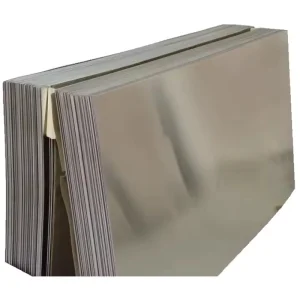
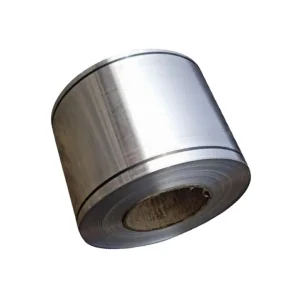
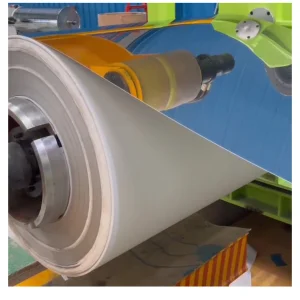
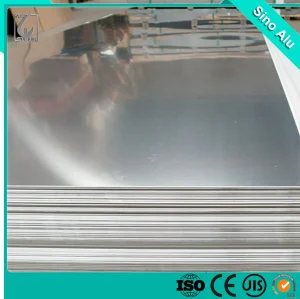
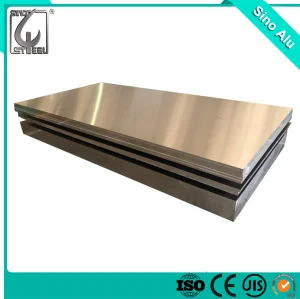
Dongguan Cellar Aluminum Co., Ltd. is a professional manufacturer specializing in aluminum material processing and supply, positioned as a Aluminium Plate Manufacturer | Aluminium Sheet & Industrial Metal Material Supplier. The company focuses on providing high-quality aluminum products widely used in construction, transportation, machinery manufacturing, packaging, electronics, and industrial engineering sectors.
Established in 2011 in Dongguan, China, Cellar Aluminum began as a small aluminum processing workshop focused on basic sheet cutting and surface finishing services. With the rapid growth of industrial demand for lightweight and corrosion-resistant materials, the company expanded into large-scale production of aluminum plates, sheets, and tread plate solutions. By 2016, it had developed advanced capabilities in rolling, cutting, anodizing, and precision surface treatment.
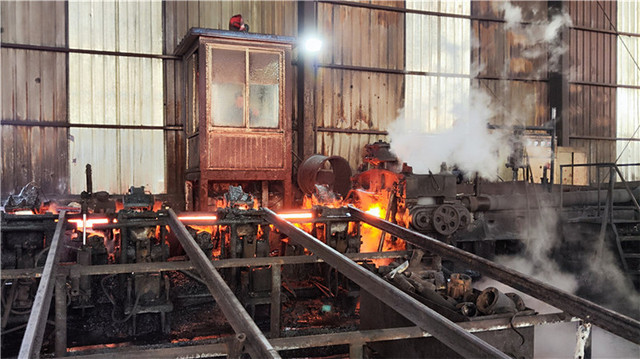
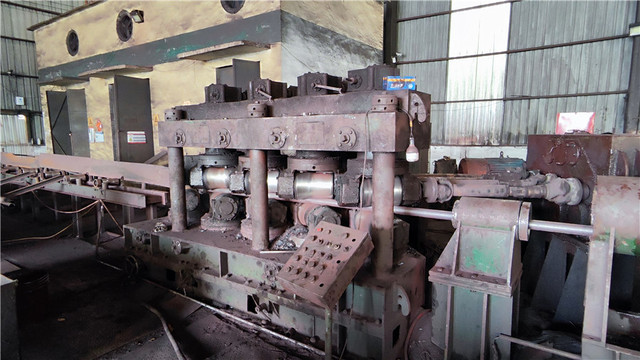
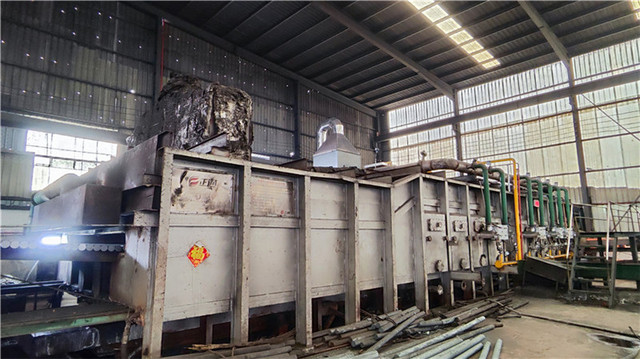
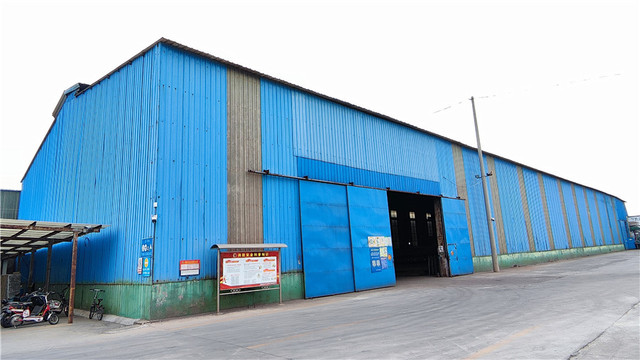
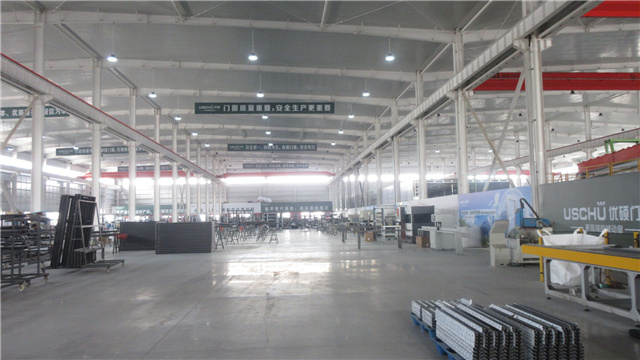
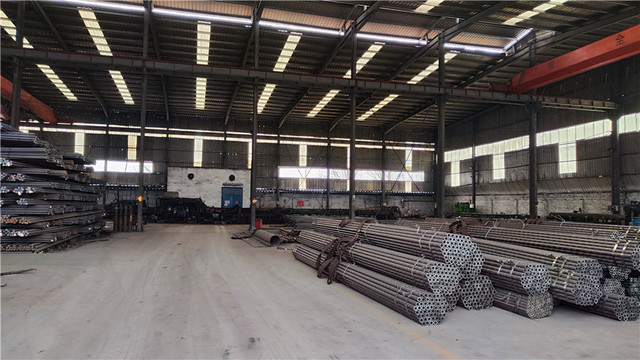
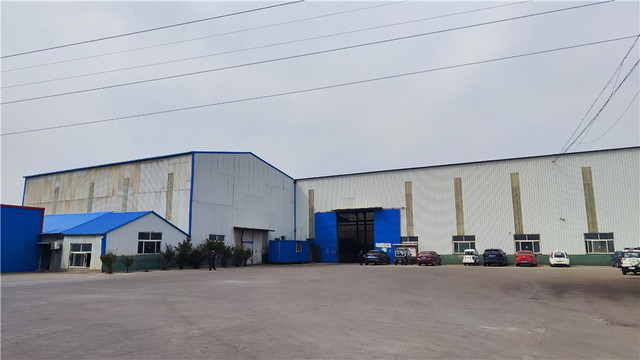
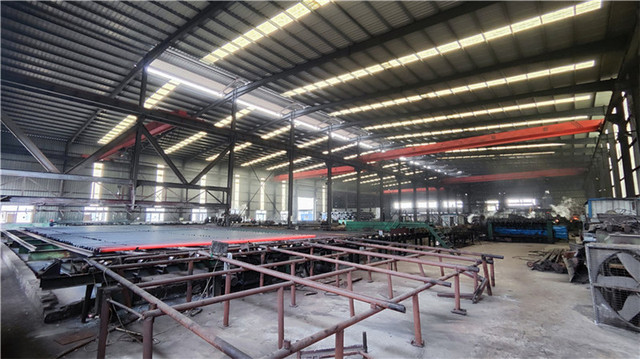
Today, Dongguan Cellar Aluminum Co., Ltd. operates modern production facilities equipped with automated rolling lines, precision cutting systems, and advanced surface treatment technologies. The company emphasizes strict quality control, stable material performance, and customized specifications to meet diverse industrial requirements.
With a strong export network across Southeast Asia, the Middle East, Europe, and South America, Cellar Aluminum continues to deliver reliable and cost-effective aluminum solutions. Committed to innovation, sustainability, and material performance enhancement, the company plays an active role in supporting global industrial manufacturing and modern infrastructure development.

Analyzing structural shifts and materials selection trends across international engineering markets.
How advanced extrusion technologies and precision mechanical locking ensure long-term structural integrity.
We design and manufacture using structural-grade 6061-T6, 6063-T6, and marine-proven 5083/5086 series alloys. The T6 temper provides optimal tensile strength (minimum 290 MPa) and yield strength (minimum 240 MPa), ensuring deflection limits conform strictly to L/360 span regulations.
Our production lines feature automated hydraulic swaging machinery and press-locking systems that mechanically lock crossbars into bearing bars. This eliminates thermal stresses associated with welding, avoiding localized mechanical weakness and ensuring uniform structural strength.
From standard mill finishes to architectural-grade anodization (Class I, up to 25 microns thick) and PVDF/powder coatings, our surfaces withstand continuous exposure to acidic atmospheric moisture, saline marine spray, and aggressive industrial chemical spills.
Tailoring structural aluminum designs to meet diverse climatic and operational challenges globally.
Driving structural innovation through next-generation materials science and smart manufacturing.
Integrating micro-sensors directly within the aluminum hollow sections of the bearing bars. These strain gauges monitor real-time load distribution, vibration patterns, and deflection thresholds, providing predictive maintenance alerts for heavy industrial walkways.
We are working to source primary aluminum smelted using hydropower. This initiative aims to reduce the carbon footprint of our grating products by over 60%, helping global developers achieve LEED and BREEAM certifications.
Using computer-aided finite element analysis (FEA), we are redesigning bar profiles to reduce material usage in low-stress zones. This optimization lowers weight while maintaining the structural load limits required by industry standards.
How localized raw material ecosystems and integrated logistics minimize lead times and global cost pressures.
Upholding strict international compliance frameworks to guarantee safety and performance.
Tested to comply with ASTM B221 (Aluminum-Alloy Extruded Bars, Rods, Wire, Profiles, and Tubes) and ASTM B209 (Aluminum and Aluminum-Alloy Sheet and Plate). Structural deflection calculations conform with NAAMM (National Association of Architectural Metal Manufacturers) MBG 532 guidelines.
Designed to meet ISO 14122 regulations for permanent access platforms, walkways, and stairs. Our designs are engineered to support required pedestrian loads while preventing tools and small debris from falling through, complying with the 20mm ball fall test requirement.
Addressing key engineering and procurement questions from structural designers and buyers.
Aluminum grating is much lighter—about 60% less than steel—which reduces shipping costs and the structural load of supporting frameworks. It naturally resists atmospheric corrosion, making expensive hot-dip galvanizing unnecessary, and does not spark, making it ideal for hazardous, explosive environments.
We primarily use 6061-T6 and 6063-T6. 6061-T6 offers high mechanical strength and structural reliability, making it the standard choice for load-bearing walkways. 6063-T6 provides excellent corrosion resistance and a smoother surface, which is preferred for architectural facades and decorative elements.
Swaged grating uses high hydraulic pressure to expand and lock structural crossbars into pre-punched bearing bars. Press-locked grating forces rectangular crossbars directly into slotted bearing bars under extreme pressure. Both methods avoid welding, preventing localized heat stress and distortion.
Our grating bearing bars can be manufactured with a custom-milled, slip-resistant serrated edge. This design provides dependable grip even in wet, oily, or icy environments, meeting the R11 and R12 requirements of European safety standards (DIN 51130).
We offer mill finishes, clear or color anodization (Class I, up to 25 microns thick), and durable powder/PVDF coatings. Anodizing thickens the natural oxide layer, providing long-term resistance to salt spray and corrosive chemicals.
Yes. Our OEM/ODM service includes custom fabrication. We use advanced CNC cutting tables to shape gratings around pipes, support columns, and machinery foundations, delivering pre-cut panels that install quickly and easily on-site.
Every production batch undergoes strict quality checks. We test tensile strength, inspect anodizing layer thickness, check dimensional tolerances, and run deflection load tests to ensure our products meet specifications before shipment.
Lead times depend on the project size and customization needs, but generally range between 20 and 35 days from technical drawing approval to dispatch. Our location in Dongguan near key ports ensures efficient shipping logistics to destinations worldwide.
Complementary high-strength materials and metal systems designed for global builders.
 Cellar Aluminum