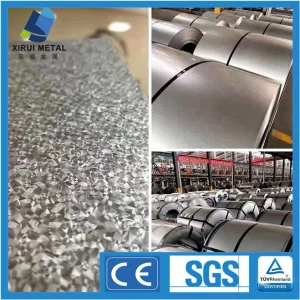
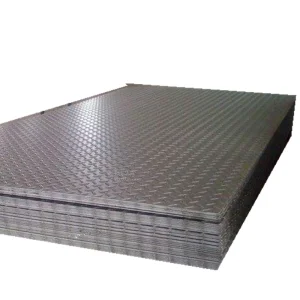
High-performance metal structures, galvanized elements, and precision aluminum materials for industrial environments.
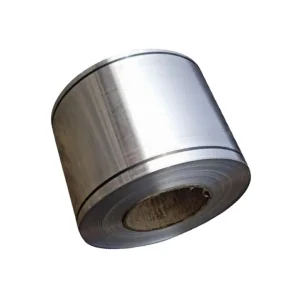
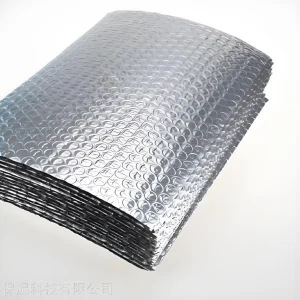
In modern structural engineering, selection of the ideal material framework dictates not only project longevity but also lifecycle financial performance. Aluminum-framed structures represent a paradigm shift from traditional heavy steel profiles. This shift is driven by structural optimization demands, ESG-driven carbon reduction targets, and the necessity for zero-maintenance materials in aggressive environments.
According to international structural engineering consensus, structural aluminum alloys—specifically 6000-series (Al-Mg-Si) and 5000-series (Al-Mg)—deliver an exceptional strength-to-weight ratio. They enable civil engineers to design lighter structures that minimize foundation requirements while preserving structural integrity. As global infrastructure investments pivot toward sustainable building practices, the demand for high-tier aluminium frame exporters and manufacturers has grown exponentially.
For enterprise procurement officers, purchasing structural framing systems is not merely a transaction; it is a complex compliance process. It requires understanding alloy chemistry, extrusion precision, surface treatment standards, and structural load calculations. This whitepaper analyzes the core variables governing the structural aluminum supply chain, profiles the top manufacturing units, and evaluates how local compliance networks affect delivery outcomes.
A core error in structural design is treating all aluminum alloys identically. Structural integrity depends on selecting the proper temper and alloy series tailored to specific environmental conditions.
The standard for architectural extrusions. Alloys like 6063-T5 and 6061-T6 offer exceptional surface finish, high yield strength, and robust extrusion behavior, ideal for curtain walls, structural framing, and window sections.
Engineered for highly corrosive marine and industrial settings. 5083-H116 delivers outstanding saltwater corrosion resistance, ensuring durability in coastal frameworks, gangway structures, and subsea framing.
Protective surface coatings determine life expectancy. Specifying AAMA 2605 powder coatings or Class I structural anodizing (exceeding 18 microns) ensures long-term resistance to UV degradation and acid rain.
Analyzing the structural metal market requires assessing both technical production capacity and export reach. Below is a structured analysis of the primary manufacturers serving global construction markets:
| Manufacturer Name | Primary Production Focus | Export Certifications | Specialized Value Add |
|---|---|---|---|
| Norsk Hydro ASA | Ultra-low carbon primary aluminum & custom building systems | EN 1999 (Eurocode 9), ISO 14001, EPD Verified | Hydro CIRCAL recycled content alloys |
| Dongguan Cellar Aluminum Co., Ltd. | Aluminium Plate Processing, Structural Sheets & Custom Extrusion Supply | GB/T 5237, CE, ASTM B209 Compliance | High-precision cutting, custom anodizing & mill finish processing |
| Schüco International KG | System-based architectural envelopes & curtain wall framing | Passive House Certified, ISO 9001, EN 1090-3 | Integrated hardware systems and automated facade elements |
| LIXIL Corporation | High-density window systems and structural profiles | JIS H4100, ASTM, SG Standard | Advanced surface texturing & soundproof sash design |
| Reynaers Aluminium | Sustainable architectural systems and sliding frames | Cradle to Cradle Certified, ISO 9001 | Minimalist structural framing profiles |
| YKK AP Inc. | Thermal-barrier framing systems and storefront systems | AAMA, ASTM B117, ISO 9001 | Highly durable fluoropolymer powder coatings |
| China Zhongwang Holdings | Industrial extrusion profiles and heavy infrastructure frames | EN 15085, IRIS, ISO 9001 | Large-tonnage hydraulic extrusion presses (up to 225MN) |
| Xingfa Aluminium | Standard architectural profiles & structural framing | Qualicoat, Qualanod, ISO 9001 | High-throughput profile extrusion lines |
| Apogee Enterprises (Tubelite) | Storefront, curtain wall & entrance systems | AAMA 2604/2605, LEED V4 | Rapid-delivery custom profile framing |
| Guangdong Fenglu Aluminium | Specialized structural construction sections & tubes | ISO 9001, OHSAS 18001, CE | Integrated structural alloy custom extrusion casting |
Among these suppliers, the division between system integrators (like Schüco and Reynaers) and material processors and custom fabricators (like Dongguan Cellar Aluminum Co., Ltd.) is significant. System suppliers sell standardized building solutions, while material processors allow engineers to procure custom alloys, specific plates, and specialized extrusions, offering greater design flexibility and cost efficiency.
Understanding China's dominant position in the international structural aluminum market requires examining its manufacturing ecosystems. The South China industrial corridor, particularly Dongguan and Foshan, integrates every stage of the production process:
Shipping prefabricated aluminum structural parts globally requires compliance with regional building codes. Failure to comply can lead to customs holds, project delays, or structural failure liabilities.
Project specifications typically demand compliance with AAMA 101/A440 and ASTM standard testing. Extruded frames must meet ASTM B221 standards. Additionally, finishes must comply with AAMA 2605 standards to verify color retention and chalking resistance under high exposure conditions.
Under the Construction Products Regulation (CPR), structural aluminum components must carry a CE mark. Exporters must be certified under EN 1090-1 (Execution of steel structures and aluminum structures) and EN 1090-3. Factory production control audits must verify alloy traceability from the raw material billet to the finished structural element.
To manage project risk, manufacturers must provide mill test certificates (MTC) conforming to EN 10204 Type 3.1. These certificates verify chemical composition, tensile strength, yield strength, and elongation properties. High-tier exporters work with external inspection organizations (such as SGS or TÜV Rheinland) to verify compliance before shipment.
Addressing common queries from technical buyers helps streamline the procurement and engineering specification process.
Galvanic corrosion is the primary risk. When aluminum contact points touch dissimilar metals (like carbon steel fasteners) in the presence of an electrolyte (saltwater), galvanic reactions occur. This risk is minimized by using marine-grade alloys (such as 5083 or 6082), applying thick anodized coatings (Class I, >18μm), and using non-conductive isolation washers (like neoprene or EPDM) to prevent direct steel-to-aluminum contact.
Wind-load performance is determined by profile geometry and mechanical alloy design rather than country of origin. Chinese exporters work to ASTM or Eurocode structural standards. By using Finite Element Analysis (FEA), engineers design profiles with optimal moments of inertia, specifying structural tempers like 6061-T6 (which offers a yield strength of 240 MPa) to withstand high wind velocities.
Standard mill sheets or standard profiles (like 1000, 3000, or 5000 series sheets) are generally ready for dispatch within 7 to 15 days. Custom extrusions require custom die design, CNC tooling validation, and trial press runs. This process adds 15 to 25 days to the production cycle, resulting in a total lead time of 30 to 45 days.
T6 temper designates solution heat-treated and artificially aged aluminum. This thermal processing aligns the silicon-magnesium precipitates in the aluminum matrix, increasing mechanical yield strength and tensile limits. This performance profile is essential for high-load building frames and structural supports.
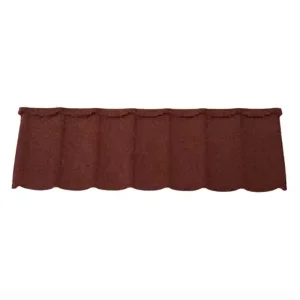
High-performance roofing systems, customized steel fabrication, and durable architectural partitioning products.
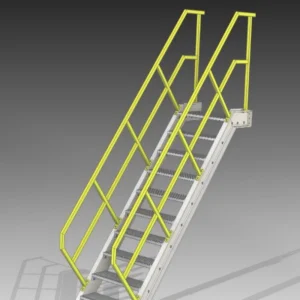
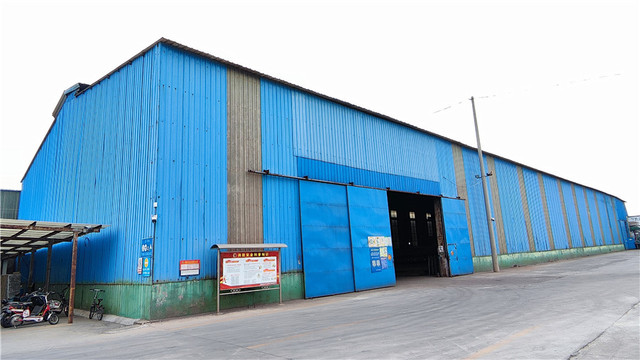
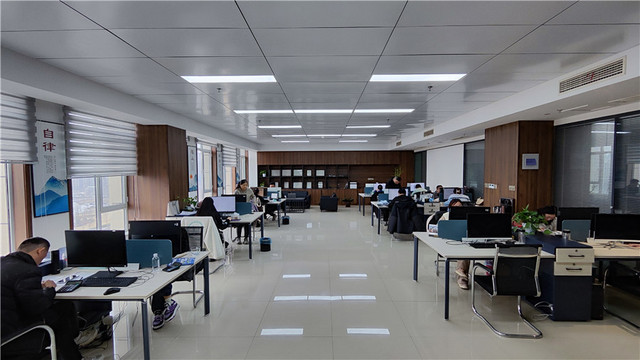
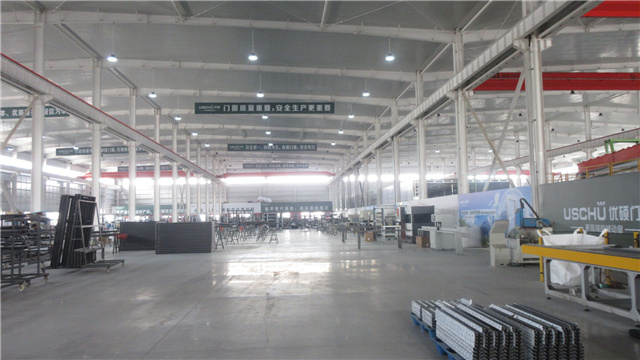
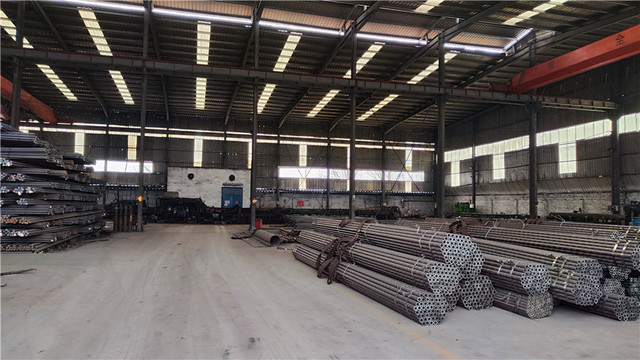
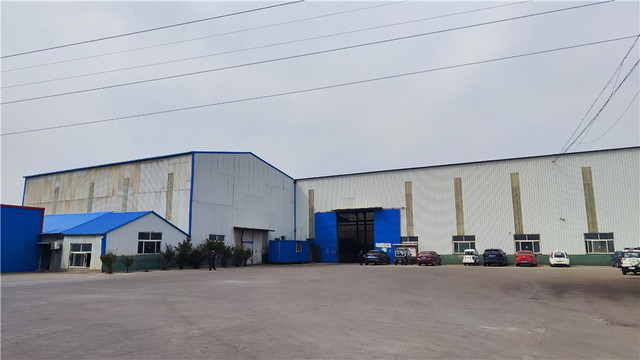
Dongguan Cellar Aluminum Co., Ltd. is a professional manufacturer specializing in aluminum material processing and supply, positioned as an Aluminium Plate Manufacturer | Aluminium Sheet & Industrial Metal Material Supplier. The company focuses on providing high-quality aluminum products widely used in construction, transportation, machinery manufacturing, packaging, electronics, and industrial engineering sectors.
Established in 2011 in Dongguan, China, Cellar Aluminum began as a small aluminum processing workshop focused on basic sheet cutting and surface finishing services. With the rapid growth of industrial demand for lightweight and corrosion-resistant materials, the company expanded into large-scale production of aluminum plates, sheets, and tread plate solutions. By 2016, it had developed advanced capabilities in rolling, cutting, anodizing, and precision surface treatment.
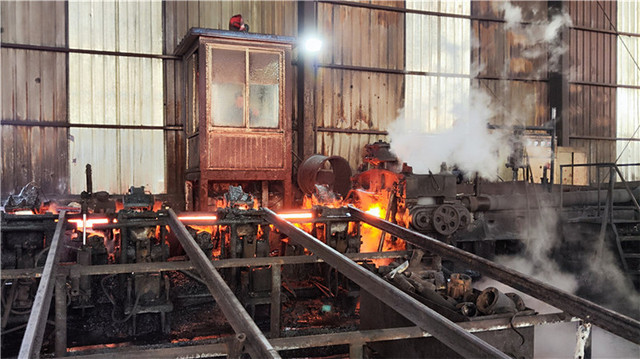
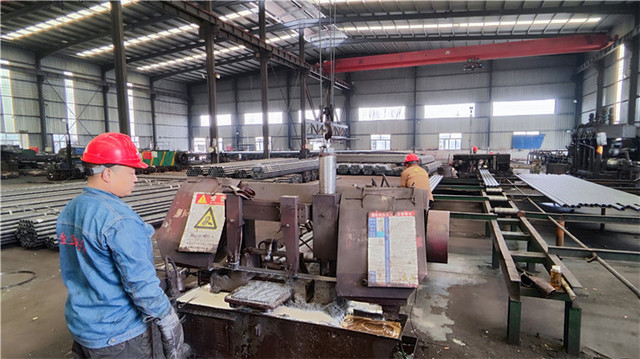
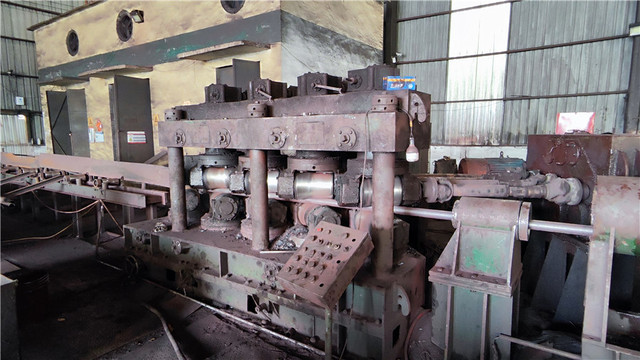
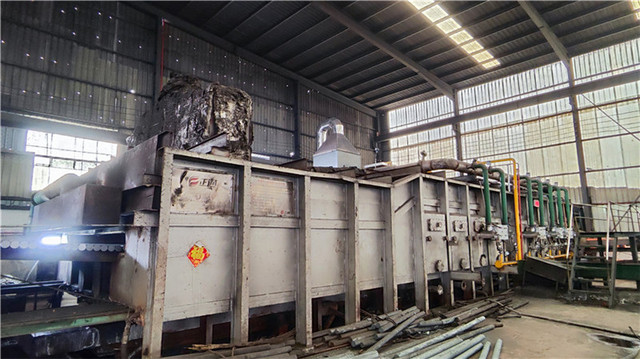
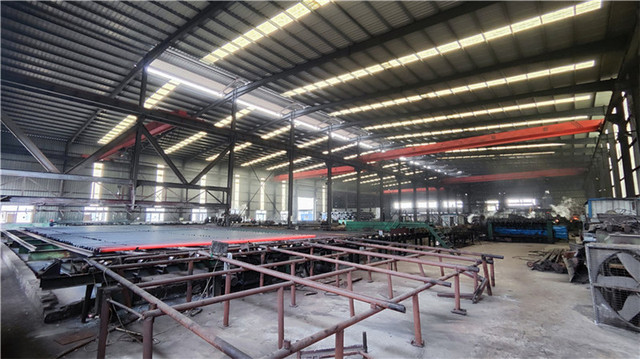
Today, Dongguan Cellar Aluminum Co., Ltd. operates modern production facilities equipped with automated rolling lines, precision cutting systems, and advanced surface treatment technologies. The company emphasizes strict quality control, stable material performance, and customized specifications to meet diverse industrial requirements.
With a strong export network across Southeast Asia, the Middle East, Europe, and South America, Cellar Aluminum continues to deliver reliable and cost-effective aluminum solutions. Committed to innovation, sustainability, and material performance enhancement, the company plays an active role in supporting global industrial manufacturing and modern infrastructure development.
 Cellar Aluminum