Engineered to meet the exact load parameters, shear stress resistance, and logistical frameworks of northern Italy's premier manufacturing corridor.
Verona, situated at the critical crossroads of the trans-European transport networks Corridor I (Brenner axis) and Corridor V (East-West axis), demands materials that meet the peak performance requirements of intermodal transit infrastructure, agricultural machinery production, food processing technology, and advanced packaging plants. Underpinning the massive logistics complex of Quadrante Europa—one of Europe's largest inland cargo hubs—is a non-negotiable demand for high-strength, low-weight structural elements that withstand relentless physical loading.
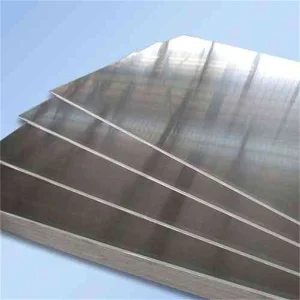
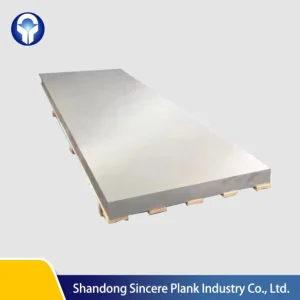
Our heavy-duty industrial aluminum plates are designed exactly for this mechanical profile. Standard steel alternatives, while structurally adequate, add deadweight that decreases payload capacities for regional freight logistics. In contrast, by using high-strength aluminum alloys like 5083, 6082-T6, and 7075, fabricators across Verona, San Giovanni Lupatoto, and Villafranca di Verona can optimize structures to achieve high fatigue resistance, exceptional corrosion immunity, and a major weight reduction.
Through our direct supply corridors, Verona's structural engineering firms and automated warehousing manufacturers gain access to raw material options tailored specifically to the regional safety codes of northern Italy.
How our advanced structural aluminum plates are utilized in high-stress, regional environments.
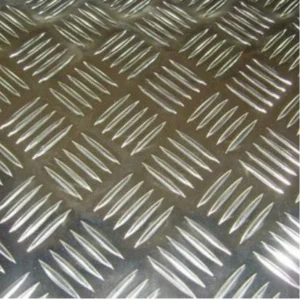
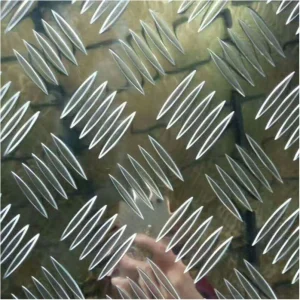
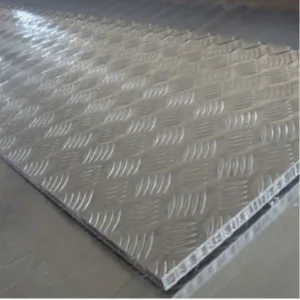
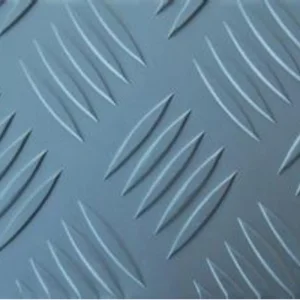
Integrating 5-bar patterned slip-resistant tread plates into custom cargo beds, ramps, and vehicle chassis running through the Brenner Pass. Reduced weight directly scales cargo limits.
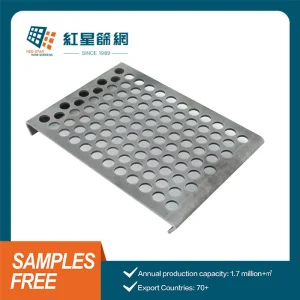
In Veneto’s world-renowned food processing industry, cleanability and corrosion resistance are essential. Anodized 1100 and 5083 series plates maintain structural properties during harsh chemical washdowns.
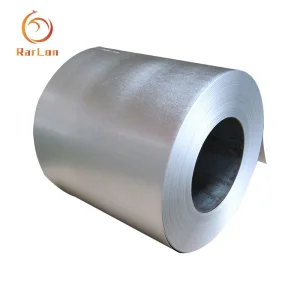
Supplying zinc-aluminum-magnesium alloy coated structural steel plates and premium aluminum composites for building industrial plant roofs and heavy-duty HVAC frameworks in Verona's sub-alpine environment.
An engineer's comparative matrix of our structural plates, designed to help you select the precise alloy for your application.
| Alloy Grade | Tempering Option | Tensile Strength (MPa) | Yield Strength (MPa) | Corrosion Resistance | Primary Industrial Use Case |
|---|---|---|---|---|---|
| Alloy 5083 | H111 / H112 / H116 | 275 – 350 | 125 – 200 | Outstanding (Marine Grade) | Marine vessels, pressure vessels, chemical tankers, and high-impact industrial flooring. |
| Alloy 6082 | T6 / T651 | 290 – 330 | 250 – 310 | Very High | High-stress structural frames, overhead cranes, agricultural equipment, and transport chassis. |
| Alloy 1100 | H14 / H24 | 110 – 165 | 95 – 150 | Excellent | Precision stamping plates, chemical processing equipment, and food industry linings. |
| DC51D+Zm / DC54D+Zm | Zinc-Al-Mg Coated | 270 – 500 | 140 – 300 | Extreme (Self-healing edge protection) | HVAC units, industrial roofing, ducting, and building framing in coastal or wet environments. |
Deformation and Tensile Behavior under Verona Climate Cycles: Northern Italy experiences significant thermal fluctuations throughout the year. Our 5000 and 6000 series aluminum plates undergo controlled homogenization during the hot-rolling process. This ensures that their thermal expansion coefficient remains stable at 23-24 × 10⁻⁶/K, preventing dimensional instability or micro-fissuring in structural joints.
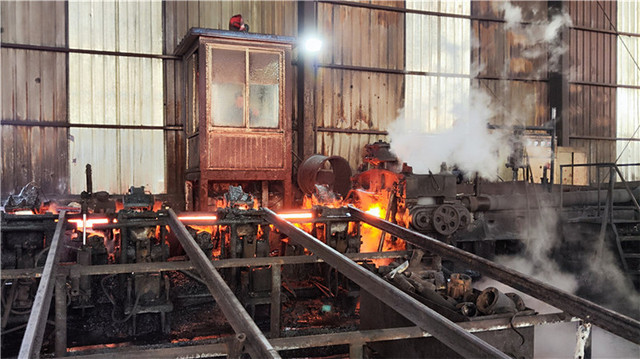
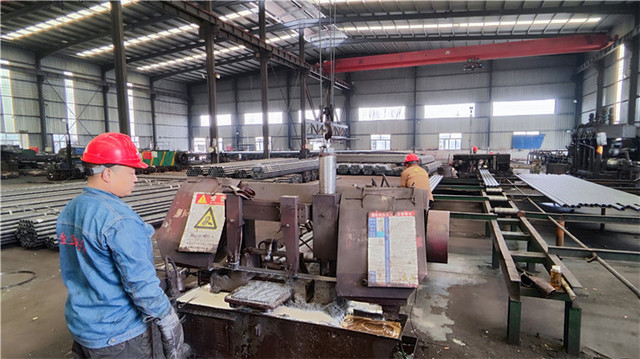
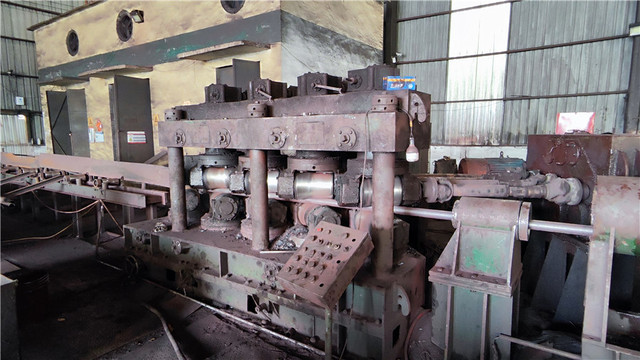
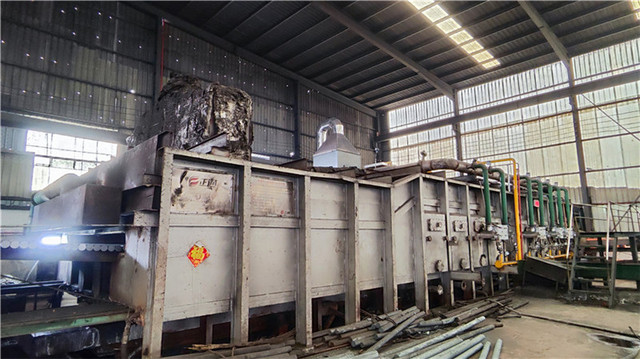
Established in 2011 in Dongguan, China, Dongguan Cellar Aluminum Co., Ltd. has grown from a specialized aluminum cutting workshop into an international manufacturer of aluminum plates, sheets, and tread plate solutions. Our manufacturing facilities are equipped with modern rolling mills, automated tension levelers, precision longitudinal shear lines, and state-of-the-art anodizing chambers.
Our global supply model relies on structural resilience and rapid response. While European sourcing channels face extended lead times due to metal shortages and high energy costs, our factory in Dongguan maintains an active hot-rolled slab stock exceeding 15,000 metric tons. This enables us to maintain stable production runs and complete orders on time.
To serve the Verona and greater Veneto market, we offer a specialized shipping framework. Orders are dispatched from the Port of Shenzhen directly to the Port of Venice or the Port of Genoa, keeping ocean transit times within 28 to 35 days. Standardized packaging with custom moisture-barrier film and heavy wooden skids protects your materials from marine humidity and physical stress during transit.
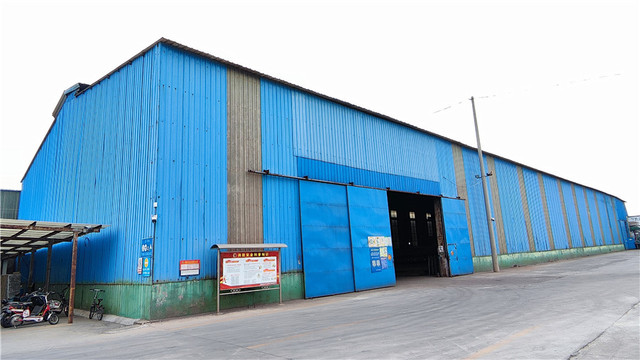
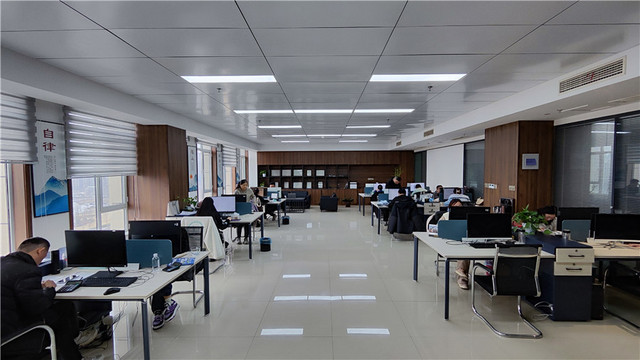
Exceeding European mechanical testing protocols and regulatory requirements.
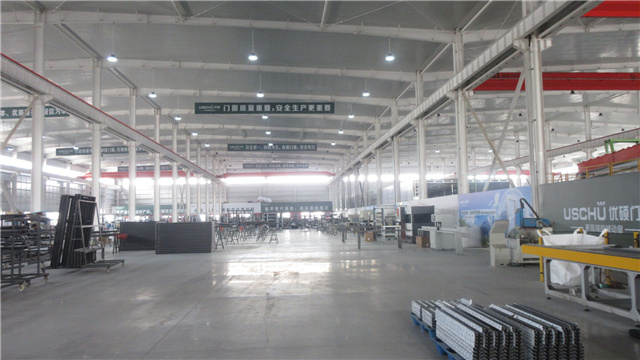
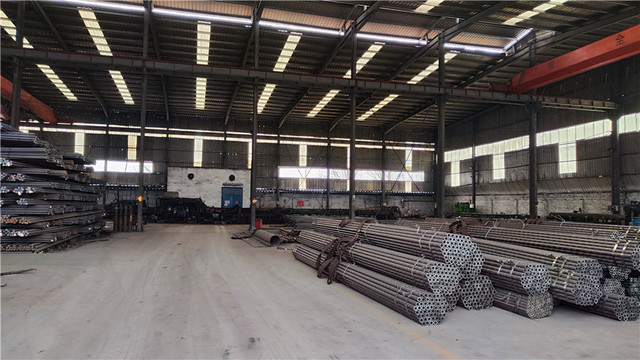
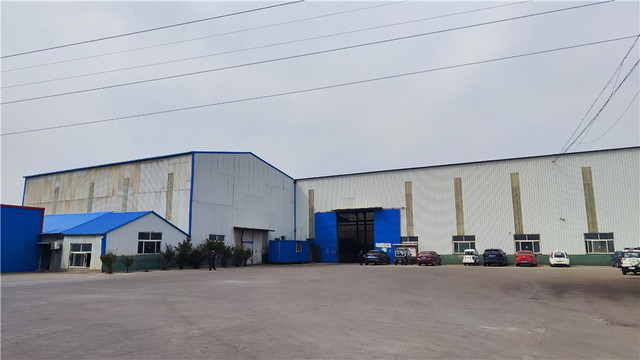
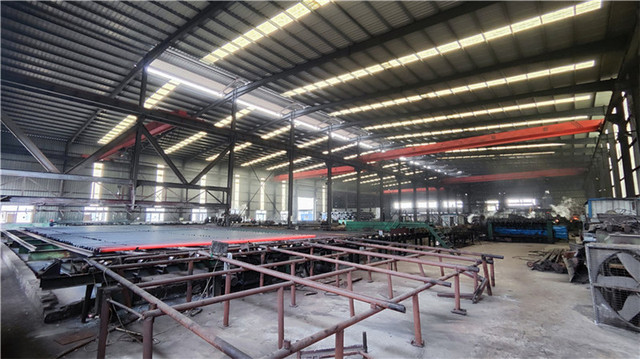
For structural integration in Italy, aluminum materials must comply with European standards. Every export batch from Dongguan Cellar Aluminum Co., Ltd. is verified through independent testing to meet EN 485 (mechanical properties and dimensional tolerances) and EN 573-3 (chemical composition standards).
Our quality control program includes ultrasonic non-destructive testing (NDT) to identify micro-voids, and Spectrochemical Analysis to verify exact alloy compositions before dispatch. Additionally, we provide full CE marking documentation and Mill Test Certificates (MTC) according to EN 10204 3.1, facilitating seamless customs clearance at Italian ports and compliance with local EU building and safety regulations.
High-durability structural solutions engineered for advanced engineering, processing machinery, and logistics applications.
Decarbonization, advanced alloying, and the next decade of structural metallurgy in Veneto.
As the European Green Deal and local Italian environmental mandates drive lower carbon footprints in structural design, the demand for sustainable raw materials is accelerating. Our R&D department is actively updating our casting techniques to incorporate higher ratios of post-consumer and industrial aluminum scrap without compromising tensile properties.
Additionally, we are developing thin-film surface treatments that reduce the need for traditional chromium-based chemical prep coats. This ensures that the aluminum plates supplied to Verona's manufacturing hubs remain highly recyclable at the end of their operational lifecycle. By optimizing the rolling and heat-treating stages, we aim to decrease energy consumption per ton of finished product, helping regional clients meet scope-3 emissions targets.
Technical answers regarding alloy performance, delivery schedules, and compliance for the Italian market.
 Cellar Aluminum