Lesotho, geographically situated at a high altitude and enveloped by South Africa, experiences unique environmental and macroeconomic conditions that shape its demand for advanced materials. With its economy closely integrated with the Southern African Development Community (SADC) and the Southern African Customs Union (SACU), the nation is executing critical infrastructure transformations, including major civil projects like the Lesotho Highlands Water Project (LHWP) Phase II, expanded textile manufacturing facilities in Maseru and Maputsoe, and remote commercial buildings in mountainous terrains.
These initiatives necessitate architectural cladding, structural components, and enclosure systems that can withstand Lesotho's severe altitude variations, high UV index, rapid thermal fluctuations, and localized acidity. Conventional metals deteriorate rapidly under these conditions, positioning anodized aluminium plates as the optimal solution due to their enhanced anodic oxide barrier layer, which prevents atmospheric corrosion, resists wear, and guarantees high aesthetic durability.
Anodized aluminium coatings provide critical defense mechanisms for Lesotho's mountain environments:
Anodizing is an electrochemical process that converts the aluminium surface into a decorative, durable, corrosion-resistant, anodic oxide finish. The microstructures of these coatings are highly controlled to optimize hardness, resistance, and color retention. Below are the core metallurgical grades and surface finishes engineered for the southern African markets.
| Alloy Grade | Anodizing Class | Anodic Film Thickness | Optimal Industrial Application | Salt Spray Performance (ASTM B117) |
|---|---|---|---|---|
| 5005 / 5052 | Class I (Architectural) | 20 - 25 µm | High-altitude external wall cladding, coastal transport, roofing systems | > 3,000 Hours (No pitting) |
| 6061 / 6082 | Class II (Structural) | 15 - 18 µm | Heavy-duty mining structures, water diversion valve frameworks, structural brackets | > 2,000 Hours |
| 1050 / 1100 | Decorative / Protective | 10 - 12 µm | Reflector plates, domestic electronics casings, indoor signage, general ductwork | > 1,000 Hours |
All anodized shipments undergo strict ISO 2932 testing. This ensures that the sealing quality of the anodic coating is complete, preventing localized pitting and atmospheric acid reactions.
We utilize non-destructive eddy-current and optical interferometry technologies to verify thickness consistency within a ±1.5 µm tolerance margin across entire batch orders.
Color uniformity for bronze, champagne, gold, and black anodized plates is maintained across production lines utilizing CIELAB color space measurements.
For large-scale infrastructure and industrial undertakings in Southern Africa, establishing a secure, cost-effective procurement loop for high-performance aluminium is paramount. Direct sourcing from experienced global exporters enables local enterprises to bypass standard distribution markups, custom-tailor dimensions to reduce job-site waste, and secure traceable material test certifications (MTCs).
Our logistical framework ensures efficient transit. Heavy industrial shipments depart from Chinese ports directly to the Port of Durban, South Africa. From Durban, plates are systematically cleared and dispatched via major rail linkages or regional freight corridors entering Lesotho through key border crossings, including Maseru Bridge or Maputsoe (Ficksburg) Bridge. Seamless integration with regional customs protocols ensures timely deliveries.
Precision manufacturing at our facilities in Dongguan, followed by strict SGS inspections.
Secured in seaworthy wooden crates. Approximate transit: 18 - 25 days.
SACU customs clearing via Maseru Bridge. Delivery straight to local project warehouses within 3 - 5 days.
For commercial high-rises and public structures in Maseru, Class I anodized plates offer a maintenance-free, self-cleaning cladding option that preserves structural integrity and surface appearance over decades.
In Lesotho's diamond mining zones (such as Letseng or Liqhobong), materials must withstand constant exposure to abrasive slurry and high humidity. Hard-anodized plates protect mechanical housing and instrument enclosures from wear.
The Lesotho Highlands Water Project relies on valves, control systems, and generator housings that demand maximum water resistance. Anodized panels provide reliable, non-reactive solutions for damp, damp-adjacent environments.
The manufacturing sector is increasingly prioritizing environmental responsibility and circular economy principles. Traditional hot-sealing systems are energy-intensive, and conventional chemical coloration runs the risk of generating significant wastewater footprint if not managed with sophisticated filtration processes.
We are advancing towards a green manufacturing cycle by implementing dry-sealing techniques, organic/inorganic non-toxic dye coloring methods, and high-efficiency water recycling loops. In addition, our manufacturing centers leverage automated monitoring algorithms to check film growth in real-time, resulting in a 20% reduction in electricity demand. This approach minimizes carbon footprint, supporting environmental conservation goals across the SADC region.
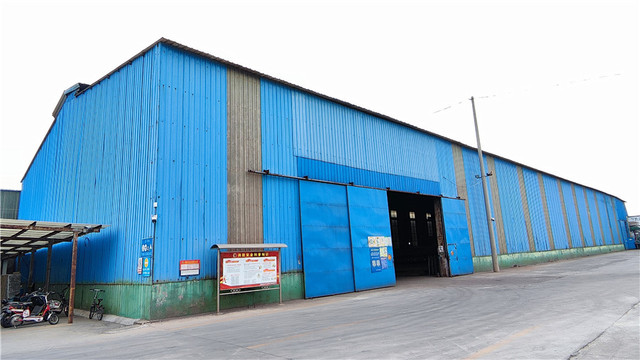
Dongguan Cellar Aluminum Co., Ltd. is a professional manufacturer specializing in aluminum material processing and supply, positioned as a Aluminium Plate Manufacturer | Aluminium Sheet & Industrial Metal Material Supplier. The company focuses on providing high-quality aluminum products widely used in construction, transportation, machinery manufacturing, packaging, electronics, and industrial engineering sectors.
Established in 2011 in Dongguan, China, Cellar Aluminum began as a small aluminum processing workshop focused on basic sheet cutting and surface finishing services. With the rapid growth of industrial demand for lightweight and corrosion-resistant materials, the company expanded into large-scale production of aluminum plates, sheets, and tread plate solutions. By 2016, it had developed advanced capabilities in rolling, cutting, anodizing, and precision surface treatment.
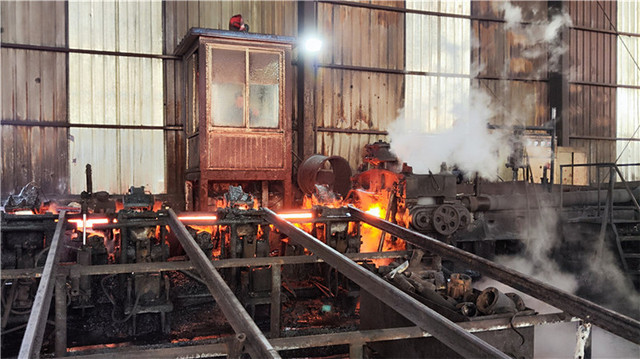
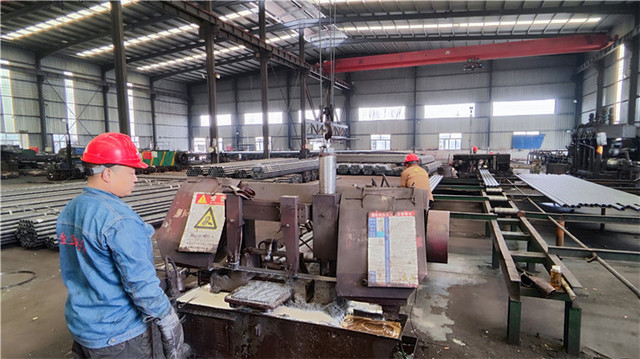
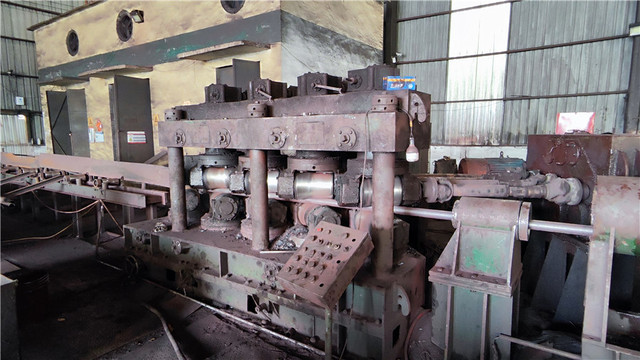
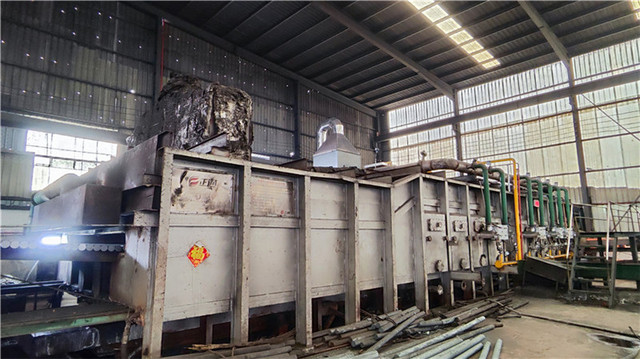
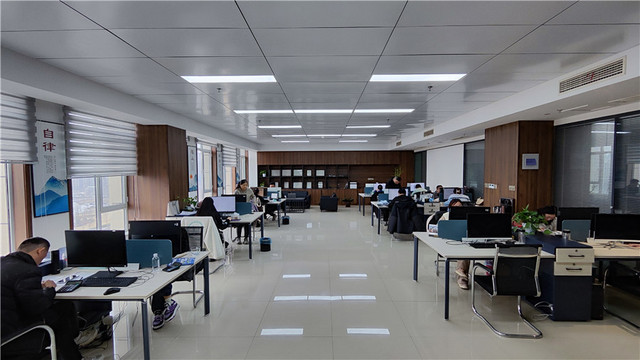
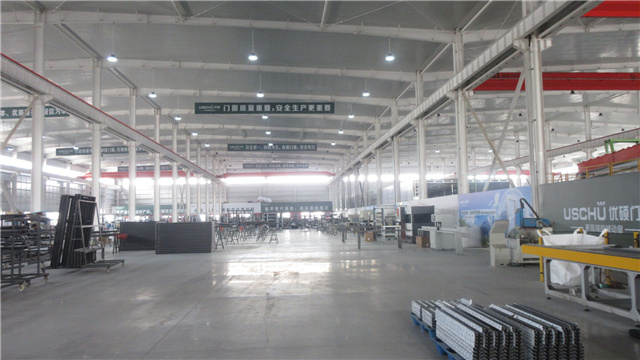
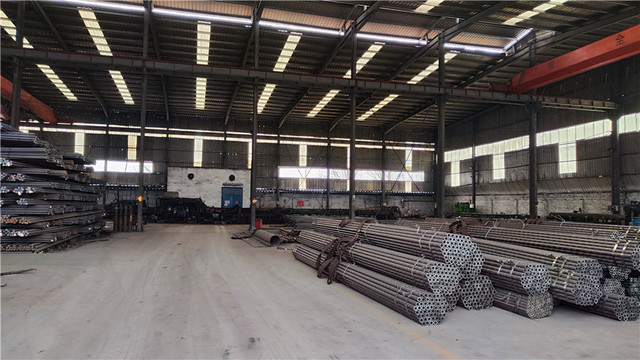
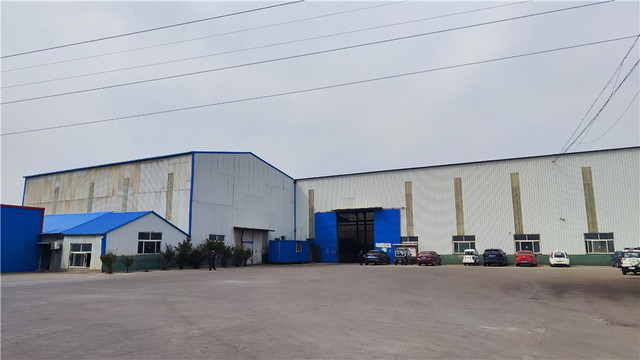
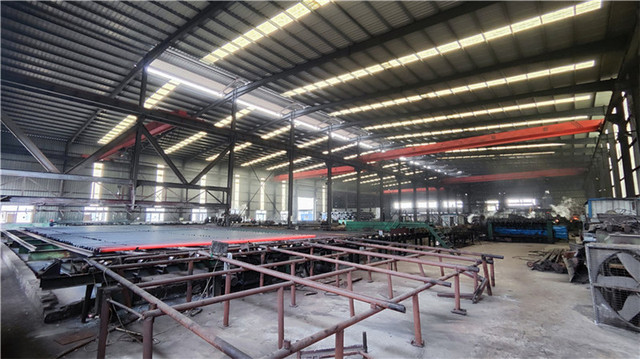
Today, Dongguan Cellar Aluminum Co., Ltd. operates modern production facilities equipped with automated rolling lines, precision cutting systems, and advanced surface treatment technologies. The company emphasizes strict quality control, stable material performance, and customized specifications to meet diverse industrial requirements.
With a strong export network across Southeast Asia, the Middle East, Europe, and South America, Cellar Aluminum continues to deliver reliable and cost-effective aluminum solutions. Committed to innovation, sustainability, and material performance enhancement, the company plays an active role in supporting global industrial manufacturing and modern infrastructure development.
Importing industrial goods into Lesotho involves compliance with the regulations set out by the Southern African Customs Union (SACU) and the Southern African Development Community (SADC). Key parameters we secure for our clients include:
We believe in establishing deep partnerships that go beyond shipping materials. For large commercial or civil projects in Lesotho, our engineering support services offer detailing and installation consultations to resolve potential challenges before site work begins.
Whether you require assistance in calculating expansion joints for extreme thermal environments, selecting specific anodized alloy tempers, or specifying surface profiles to withstand abrasive mineral dust in mining regions, our team of materials engineers is available to assist. We provide detailed installation manuals, engineering calculations, and digital fabrication designs to ensure seamless integration.
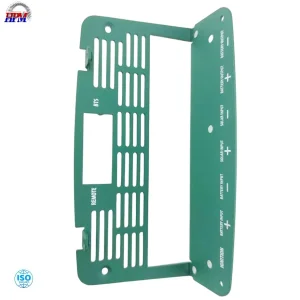
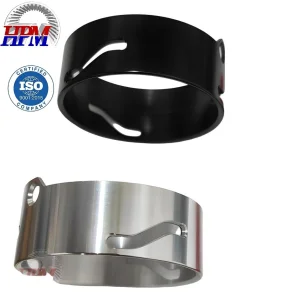
For exterior structures exposed to heavy UV radiation and thermal extremes in Lesotho (such as the Maloti Mountains), we strongly recommend a Class I anodic coating with a thickness of 20 to 25 µm (microns). Indoor or sheltered elements can utilize Class II coatings (15 µm) or decorative coatings (10 µm) safely.
All raw sheets and surface treatments comply with major international specifications, including ASTM B117 (Salt Spray Testing), Qualanod standards, AAMA 611, and ISO 9001 quality management procedures. Complete Material Test Certifications (MTC) and compliance declarations are provided with every batch before dispatch.
We ship containerized cargo to the Port of Durban, South Africa. From there, cargo is routed via truck or rail through the SACU customs network to Maseru or other local terminals. We manage all transit document packages, including EUR.1 certificates (where applicable), SADC trade certificates, bills of lading, and custom packing manifests to ensure smooth processing.
Machining anodized aluminum plates is possible, but it will expose raw, un-anodized alloy edges at the cuts. For maximum corrosion resistance in challenging environments, we strongly recommend completing all machining, cutting, drilling, and shaping *before* the electrochemical anodizing process. This ensures that the protective oxide film covers every face and edge.
Get in touch with our team of metallurgical engineers today. We provide free specification consultancy, logistical planning to Lesotho, and volume price estimates.
Send Inquiry Now Cellar Aluminum