Engineered for extreme tensile capacity, superior fatigue life, and direct alignment with international building and marine standards.
The metallurgical dynamics and structural necessity of high-grade aluminium alloy connection components in modern infrastructure engineering.
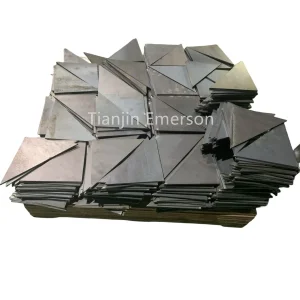
Aluminium splicing plates, also known as splice joints or connection gussets, represent critical nodes in structural frames. Unlike traditional steel plates, engineered aluminum connections provide an optimized strength-to-weight ratio. They are extensively deployed where dead-load reduction is paramount, such as high-altitude solar trackers, long-span space frames, and dynamic marine walkways. Splicing plates must absorb cyclic stress, thermal expansions, and torsional forces without structural yielding or galvanic failure.
By leveraging alloys like 6061-T6 and 5083-H112, structural engineers design connections that are highly ductile and possess high fatigue limits. Modern Finite Element Analysis (FEA) models indicate that precision-cut splicing plates can redistribute local shear stress, preventing catastrophic structural collapse at localized frame transitions.
Specifying the correct metallurgical composition is the difference between lifetime serviceability and premature micro-fracturing. Structural engineers typically opt for the 6000-series (Al-Mg-Si) due to its excellent heat-treatability and outstanding corrosion resistance, or the 5000-series (Al-Mg) when high-saline offshore resilience is needed. Silicon and magnesium content levels are strictly regulated within these alloys to control the precipitation of Mg2Si phases during aging, ensuring maximum tensile strength.
Splicing plates processed under tight factory temperature controls minimize localized stress concentration zones. This metallurgical precision prevents stress corrosion cracking (SCC) at bolt connection points under sustained load-bearing environments.
| Alloy Grade | Tensile Strength (MPa) | Yield Strength (MPa) | Elongation (%) | Primary Industrial Applications |
|---|---|---|---|---|
| 6061-T6 | ≥ 310 | ≥ 276 | 12 - 17% | Heavy-duty structural frames, machine gantry plates, crane rails. |
| 5083-H116 | ≥ 305 | ≥ 215 | 10 - 15% | Marine platforms, offshore vessel bulkheads, cryogenic tanks. |
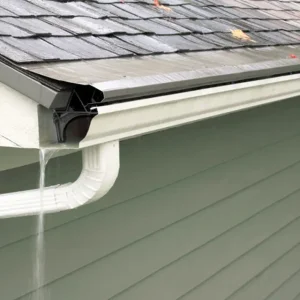
| 3003-H14 | 140 - 180 | 120 - 150 | 8 - 12% | Rainwater gutter systems, basic nameplates, solar support flashing. |
| 5052-H32 | 210 - 260 | 190 - 230 | 12 - 18% | Cabinet enclosures, solar panel fixing structures, wall cladding. |
Leading the Market in Precision Aluminium Plate Extrusion & Advanced CNC Fabrications
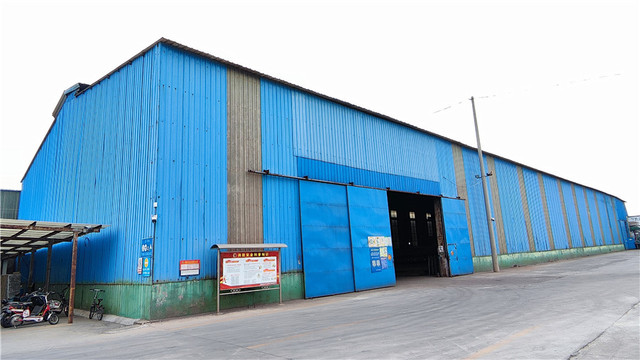
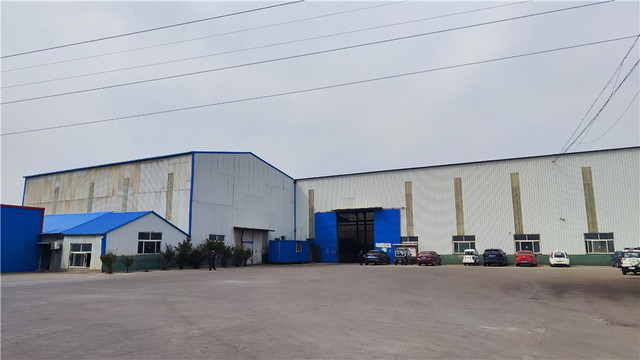
Dongguan Cellar Aluminum Co., Ltd. is a professional manufacturer specializing in aluminum material processing and supply, positioned as an Aluminium Plate Manufacturer | Aluminium Sheet & Industrial Metal Material Supplier. The company focuses on providing high-quality aluminum products widely used in construction, transportation, machinery manufacturing, packaging, electronics, and industrial engineering sectors.
Established in 2011 in Dongguan, China, Cellar Aluminum began as a small aluminum processing workshop focused on basic sheet cutting and surface finishing services. With the rapid growth of industrial demand for lightweight and corrosion-resistant materials, the company expanded into large-scale production of aluminum plates, sheets, and tread plate solutions. By 2016, it had developed advanced capabilities in rolling, cutting, anodizing, and precision surface treatment.
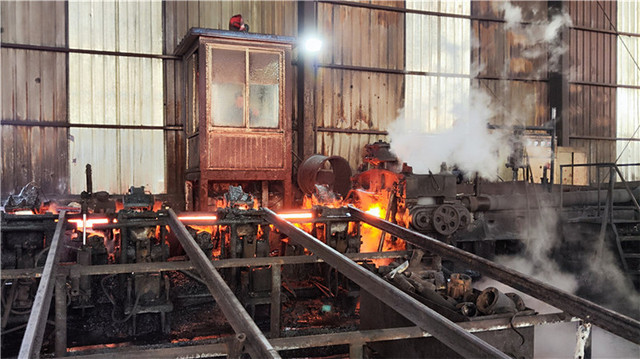
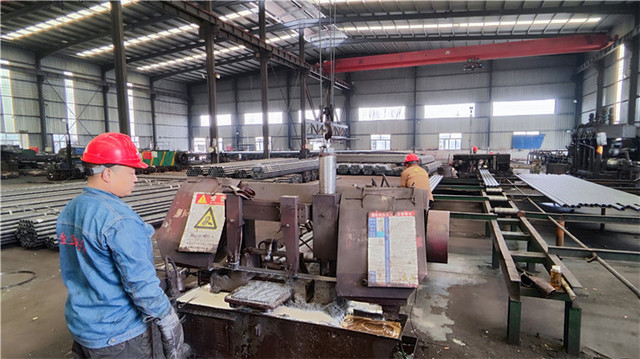
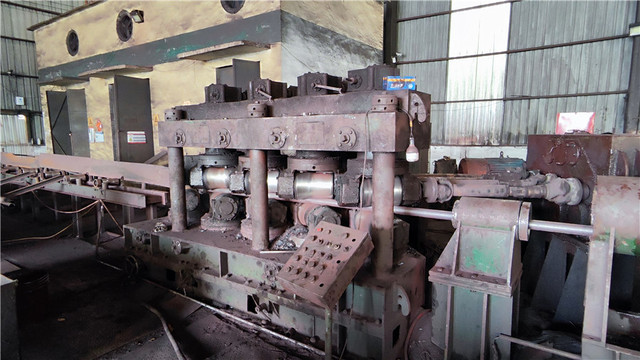
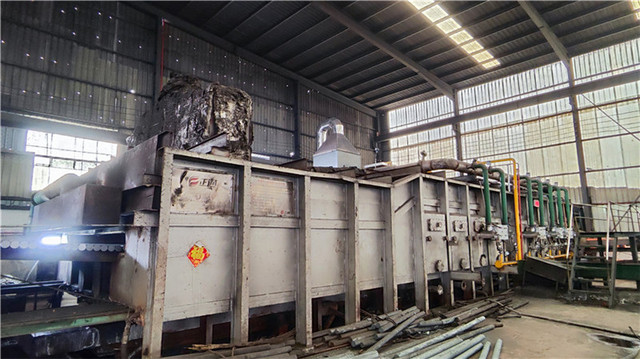
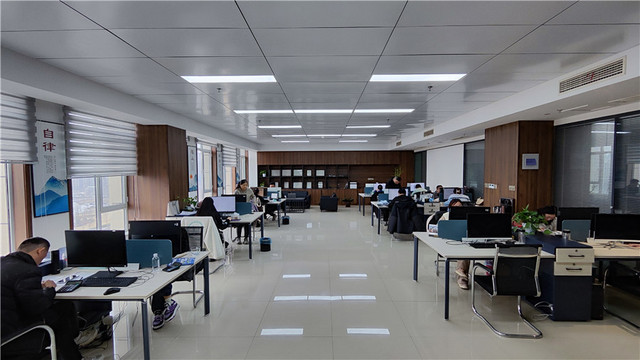
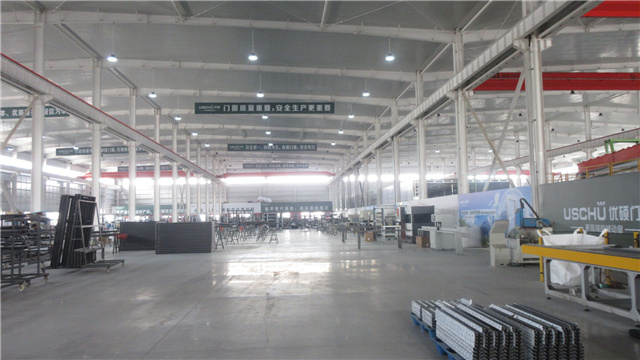
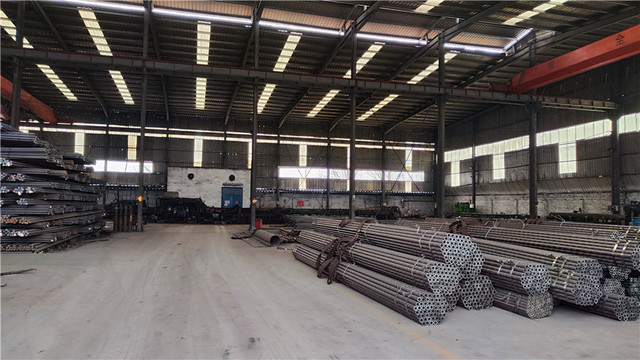
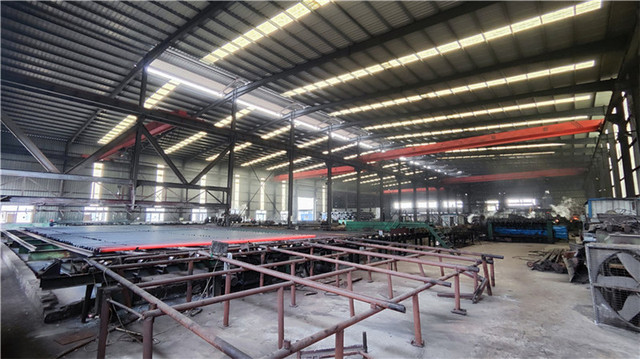
Today, Dongguan Cellar Aluminum Co., Ltd. operates modern production facilities equipped with automated rolling lines, precision cutting systems, and advanced surface treatment technologies. The company emphasizes strict quality control, stable material performance, and customized specifications to meet diverse industrial requirements. With a strong export network across Southeast Asia, the Middle East, Europe, and South America, Cellar Aluminum continues to deliver reliable and cost-effective aluminum solutions. Committed to innovation, sustainability, and material performance enhancement, the company plays an active role in supporting global industrial manufacturing and modern infrastructure development.
Our facility runs multiple state-of-the-art CNC machining blocks, high-precision hydraulic shear matrices, and chemical anodizing lines. We are capable of holding dimensional tolerances within ±0.05mm, which is critical for structural splice joints where misalignment could introduce structural eccentricities.
By controlling the process from hot-rolling to final micro-deburring, we ensure that every plate maintains uniform material density, eliminating structural micro-voids that lead to fatigue cracks under cyclic loading patterns.
Deciphering the supply chain advantages, vertically integrated ecosystems, and cost efficiencies of Chinese fabricators.
Chinese industrial clusters, particularly in Guangdong (Dongguan, Foshan) and Henan, house entire supply chains within a 50-kilometer radius. Raw primary aluminum smelters, secondary billet casting yards, extrusion plants, CNC post-processing workshops, and surface treatment facilities work in close proximity. This geographic density eliminates multi-state logistics costs and slashes prototype turnaround times from weeks to days.
By automating the drilling, milling, deburring, and quality checking processes through multi-axis CNC machines, factories like Dongguan Cellar Aluminum dramatically reduce per-unit labor costs. Furthermore, automated inspection protocols (such as laser measurement calipers) guarantee that structural splicing plates match digital CAD files flawlessly. Automated precision ensures that the alignment of holes, crucial for friction-grip bolt applications, is flawless.
Top-tier Chinese manufacturers operate under ISO 9001:2015 quality management systems. Splicing plates designated for structural steel or aluminum frames conform to global mechanical standards, including ASTM B209, EN 485, and GB/T 3880. Mill Test Certificates (MTC) stating chemical composition heat numbers, yield/tensile margins, and elongation rates are delivered standard with export consignments.
Exploring structural environments where splice connections act as the core stabilizing hardware.
In massive utility-scale solar projects, aluminium mounting rails must traverse hundreds of meters of uneven terrain. Heavy-duty aluminum press plates and splicing plates connect these rail channels, allowing structural continuity across thermal expansion joints. The splicing plates are slotted, allowing the profiles to expand and contract during extreme temperature swings without warping the solar panel mounts.
Additionally, anodized coatings with thicknesses exceeding 15 microns are specified to withstand outdoor UV exposure and corrosive micro-climates for up to 25 years.
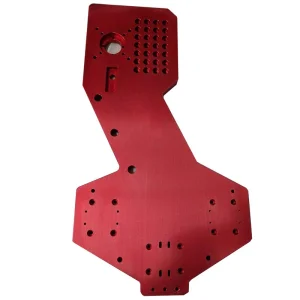
High-precision manufacturing gantry systems require rigid structural framing to handle fast, cyclic acceleration forces. CNC machined aluminum 6061-T6 heavy-duty machine gantry plates serve as splicing points to couple transverse guide rails. The lightweight nature of the aluminum plates minimizes inertial loads, reducing motor torque requirements and maximizing overall operational positioning accuracy.
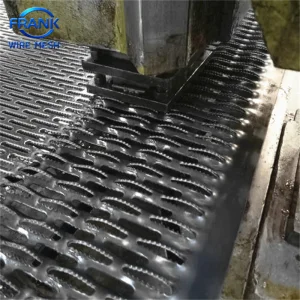
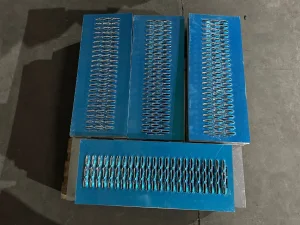
Offshore oil platforms, marine docks, and vessel gangways are subject to high salinity, humidity, and constant wave-induced vibration. Splicing plates here are engineered from marine-grade 5083 or 5052 alloys. These plates couple anti-corrosion grip-strut grating panels. The chemical addition of Magnesium (Mg) in these alloys minimizes corrosion rates, ensuring the walkways remain structurally sound over decades of exposure to ocean swells.
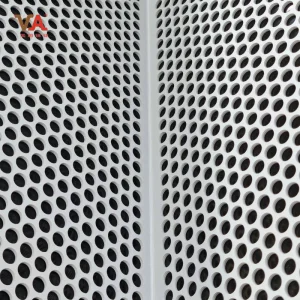
Modern architectural facade panel building systems rely on aluminum support grids. These exterior claddings must withstand dynamic wind loads, seismic movements, and gravity weight. Splicing plates act as the structural bridge between vertical mullions. By utilizing slotted bolt connections, they absorb building drift and deflection during minor seismic events, ensuring the glass or aluminum facade panels remain securely anchored.
As the industrial sector transitions toward net-zero targets, procurement managers are prioritizing "green aluminum" (smelted using hydroelectric power). Low-carbon aluminum sourcing minimizes Scope 3 upstream emissions, which is vital for infrastructure projects seeking LEED or BREEAM environmental certification.
Technologically, the industry is shifting toward smart CAD-to-CNC processing loops. In this workflow, engineers upload structural profiles directly, and automated CNC tooling pathways machine the plate, bevel its edges, tap the screw threads, and stamp traceability bar codes with zero human intervention. This advanced workflow reduces dimensional variability to negligible levels.
Cross-border procurement of metal elements involves significant logistics risks, from raw material price volatility to ocean freight disruptions. Smart purchasers mitigate these vulnerabilities through regional warehousing partnerships and strict contract terms.
At Dongguan Cellar Aluminum Co., Ltd., we offer structured delivery contracts (FOB, CIF, DDP) and maintain relationships with international freight lines. Our proximity to major shipping ports in Shenzhen, Guangzhou, and Hong Kong facilitates fast customs clearance and container loading. Additionally, we use moisture-barrier VCI plastic wraps and heavy-duty wooden crates to prevent oxidation during sea transport, ensuring your parts arrive in perfect condition.
| Shipping Method | Typical Transit (Days) | Ideal Order Weight | Protection Level |
|---|---|---|---|
| LCL Sea Freight | 20 - 45 days | 500 kg - 2,000 kg | Standard Wooden Box + VCI Wrap |
| FCL Sea Freight | 15 - 35 days | > 2,000 kg | Palletized + Strapped + Moisture Absorbers |
| Air Express / Courier | 4 - 8 days | < 500 kg | Reinforced Carton with Foam Inlay |
Technical clarifications on alloy performance, surface coating choices, manufacturing capabilities, and sourcing logistics.
The 6061-T6 alloy undergoes artificial age hardening, yielding a tensile strength of 310 MPa and yield strength of 276 MPa. This makes it structurally superior for handling shear and tensile stresses compared to 5052-H32 (yield strength 193 MPa) and 3003 (yield strength 120 MPa). It offers the best compromise between mechanical load capacity, machinability, and weldability.
For standard indoor environments, a class-II anodizing layer (10–15 microns) is sufficient. For outdoor industrial applications, solar trackers, or coastal facade structures, we recommend a class-I anodizing thickness of 20 to 25 microns. This thicker layer provides robust protection against corrosive atmospheric pollutants and prevents pitting.
When aluminum splicing plates connect steel profiles, galvanic corrosion can occur. We resolve this by applying an insulating barrier, such as non-conductive neoprene gaskets, plastic washers, or utilizing stainless steel fasteners (grade 304 or 316) coated with anti-seize compounds to interrupt the electrical path between the dissimilar metals.
Yes, our factory processes CAD files (.dwg, .dxf, .step, .igs) directly through automated CAM interfaces. This lets us mill custom shapes, create complex hole matrices, chamfer edges, and drill countersunk boreholes to your exact specifications.
Our standard CNC machining process maintains tolerances within ±0.05 mm, and hole diameter tolerances within H11. This precision ensures that structural bolts fit snugly, preventing slippage or dynamic shifting under reversing wind or seismic loads.
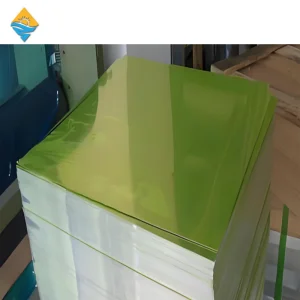
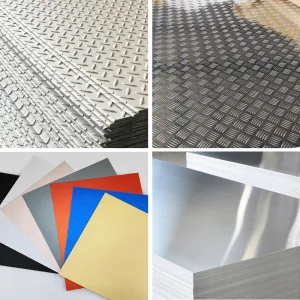
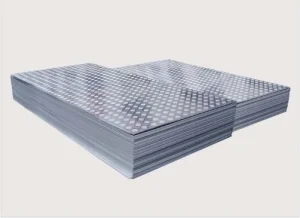
Explore our diverse catalog of high-strength plates, surface coatings, and industrial foil packaging.
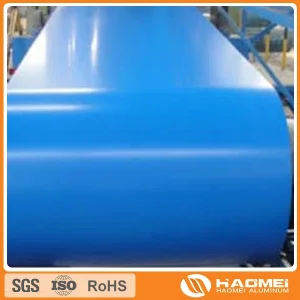
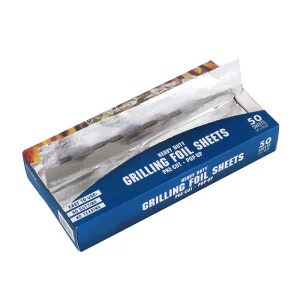
 Cellar Aluminum