10 Tips for How to Weld Aluminium Plate Correctly?

Time:2026-05-22 Author:Henry
0%

Welding aluminium plates correctly is crucial in industries like aerospace and automotive. According to a report by the Aluminium Association, approximately 80% of aircraft components use aluminium. However, improper welding can lead to weak joints and structural failures. This underlines the importance of mastering how to weld aluminium plate correctly.

Inadequate equipment selection or techniques often result in issues like warping or cracking. A study from the American Welding Society highlights that nearly 30% of welding failures stem from poor execution. Every welder must understand the unique properties of aluminium and adjust their methods accordingly. Factors like heat control and filler metal selection are vital for achieving strong welds.

As we explore effective strategies in this article, remember that welding requires continuous learning. Even seasoned professionals encounter challenges. Reflecting on past mistakes can enhance skill development. Understanding "how to weld aluminium plate correctly" is not just a technical skill; it's an evolving craft.
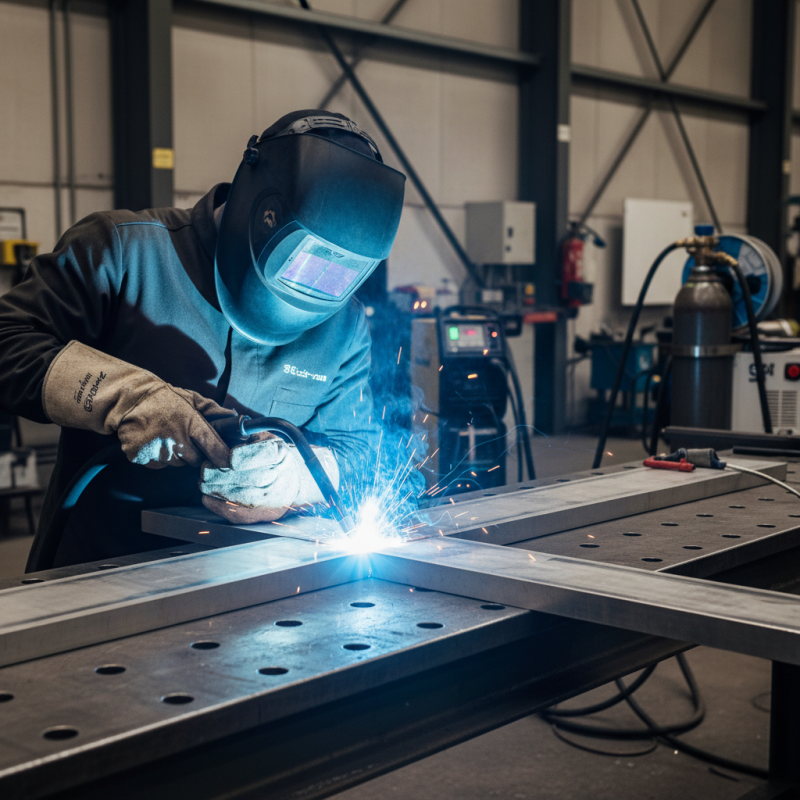
10 Tips for How to Weld Aluminium Plate Correctly?

Understanding the Basics of Aluminium Welding Techniques

Welding aluminium plate requires a solid understanding of its unique properties. Aluminium is lighter than steel, which makes it a popular choice in various industries. However, its thermal conductivity also poses challenges. When welding aluminium, it’s crucial to maintain proper heat control. Overheating can cause distortion or weaken the material.

Different techniques come into play based on the project. For instance, TIG welding is highly precise and excellent for thin materials. It requires steady hands and a firm grasp of technique. On the other hand, MIG welding is quicker, though it may not deliver the same level of detail. Both methods have their merits and drawbacks, forcing welders to choose wisely based on their specific needs.

Preparation is vital in aluminium welding. Proper cleaning removes oxides and ensures a strong bond. Welders should take the time to assess the condition of the aluminium plates. Consider using a dedicated aluminium wire for optimal results. Mistakes during the welding process can lead to weak joints. This is an area needing reflection and improvement. Strive to stay informed about best practices and learn continuously.

Choosing the Right Filler Material for Aluminium Plate Welding

When welding aluminium plates, selecting the right filler material is crucial. Aluminium comes in various alloys, each with distinct properties. The filler material should match closely with the base material for optimal results. For example, when welding 6061 aluminium, consider using 4047 filler. It offers good compatibility, reducing the risk of cracking.

The filler material directly impacts the weld strength and appearance. Some welders prefer using ER4047 for its high fluidity and excellent wetting ability. However, not all projects require the same filler. Reflect on the intended use of the welded structure. For structural applications, a stronger filler like ER5356 might be more appropriate. Always keep in mind the specific mechanical properties needed for your project.

It’s easy to overlook how filler material affects heat input. Using a filler that has a significantly different melting point can lead to problems. This might result in excessive distortion or even burn-through during the welding process. Evaluating the metallurgy of the chosen filler can prevent these issues. Be willing to experiment with different options to find what works best for both the aluminium alloy and the application at hand.

Preparing the Aluminium Surface for a Strong Weld Joint

Preparing the surface of aluminium is crucial for achieving a strong weld joint. Start by cleaning the aluminium thoroughly. Aluminium naturally forms a thin oxide layer that can weaken the weld. Use a wire brush or a clean, non-abrasive scouring pad to remove this layer. A solvent like acetone can also help eliminate any grease or oils. Remember, a clean surface leads to better weld quality.

After cleaning, it's essential to check for any visible defects. Look for scratches or dents that can cause weak spots in the weld. If there are imperfections, consider grinding them out. Ensure the edges fit snugly together; gaps can lead to issues during welding. Preheating the aluminium can also stabilize the surface, especially for thicker plates. Be mindful of the heat; too much can warp the metal. Taking these steps improves your chances of a durable weld that withstands stress and strain.

Controlling Heat Input to Prevent Distortion in Aluminium Plates

Welding aluminium plates can be tricky. One of the main challenges is controlling heat input. High temperatures can lead to distortion. Aluminium has a high thermal conductivity, which means heat spreads quickly. This can cause warping, leading to imperfect welds.

A study from the American Welding Society shows that a controlled heat input is crucial. It states that keeping the heat below 250°F per inch is ideal for thin aluminium plates. Using a lower welding speed can help manage this heat. It allows the material to cool down, reducing distortion risk.

Maintaining proper distance from the torch to the plate is essential. A distance of 1/8 inch to 1/4 inch is recommended. This technique allows for penetration while minimizing heat spread. However, it takes practice. New welders may struggle with the right distance. This requires careful observation and adjustment to avoid mistakes. Understanding these principles can make a significant difference in the quality of your welds.

Post-Weld Treatments to Enhance Strength and Durability

Post-weld treatments are crucial to improve the strength and durability of welded aluminum plate. One effective method is the process of aging. Research shows that aging can enhance the mechanical properties and corrosion resistance of aluminum alloys. During aging, the microstructure of the aluminum is optimized. This transformation can lead to a 30% increase in tensile strength.

Another significant post-weld treatment is stress relieving. Aluminum is prone to stress due to welding. Additionally, unrelieved stress may lead to distortions over time. Heat treatment, commonly referred to as stress relief, can alleviate these issues. Studies suggest that proper temperature control during this phase is essential. A temperature range of 350°F to 400°F for one hour can effectively reduce residual stresses by up to 40%.

Finally, surface treatments like anodizing can further enhance durability. Anodizing provides a protective oxide layer, which increases resistance to wear and corrosion. This can add an additional layer of protection, possibly extending the lifespan of the aluminum component significantly. However, it’s vital to follow proper procedures to avoid complications. Over-anodizing can lead to brittleness, necessitating careful application. Each of these treatments plays a vital role in the overall performance of welded aluminum plates.

10 Tips for How to Weld Aluminium Plate Correctly? - Post-Weld Treatments to Enhance Strength and Durability

Tip Number Welding Technique Post-Weld Treatment Benefits
1 TIG Welding Heat Treatment Increases strength and ductility
2 MIG Welding Surface Cleaning Improves surface finish and reduces corrosion
3 Friction Stir Welding Annealing Reduces residual stresses and hardening
4 Spot Welding Quenching Increases structural integrity
5 Laser Welding Protective Coatings Prevents oxidation and corrosion
6 Arc Welding Machining Enhances dimensional accuracy
7 Oxy-Fuel Welding Vapor Degreasing Ensures clean surfaces for better weld quality
8 Submerged Arc Welding Polishing Improves appearance and resistance to contamination
9 Plasma Arc Welding NDT Testing Ensures weld integrity and safety
10 Electron Beam Welding Heat Treatment Enhances fatigue resistance and overall performance

FAQS

: Why is selecting the right filler material important for aluminium welding?

: The right filler matches the base material closely, ensuring better weld strength and appearance.

What filler material is recommended for welding 6061 aluminium?

Consider using 4047 filler for its good compatibility and reduced risk of cracking.

How does filler material affect heat input during welding?

A filler with a different melting point can cause distortion or burn-through during the process.

What should be done to prepare the aluminium surface before welding?

Clean the aluminium thoroughly to remove the oxide layer and any grease or oils.

Why are visible defects on the aluminium surface a concern?

Scratches or dents can lead to weak spots in the weld, so they should be ground out.

What post-weld treatment can enhance the strength of aluminium?

Aging can increase tensile strength by optimizing the microstructure during the process.

What is the purpose of stress relieving after welding?

It alleviates residual stresses that can cause distortions over time, improving durability.

How can anodizing improve the longevity of aluminium?

Anodizing creates a protective oxide layer, increasing wear and corrosion resistance significantly.

What is a potential risk of over-anodizing?

Over-anodizing can lead to brittleness, so careful application is necessary.

Is it possible to experiment with different filler materials?

Yes, experimenting can help find the best option for specific aluminium alloys and project needs.

Conclusion

Welding aluminium plates requires a solid understanding of specific techniques to ensure a strong and durable joint. To learn how to weld aluminium plate correctly, it is crucial to start with the basics of aluminium welding methods and to select the appropriate filler material for the job. Preparing the aluminium surface must be your next step, as a clean surface is essential for achieving a strong weld joint.

Controlling heat input is also vital to prevent distortion of aluminium plates during the welding process. Finally, applying post-weld treatments can significantly enhance the overall strength and durability of the finished weld. By following these key tips, welders can master the skills necessary for effective aluminium plate welding.

Henry

Henry

Henry is a dedicated marketing professional with a profound expertise in the company's offerings. With years of experience in the industry, he possesses an impressive understanding of the market dynamics and consumer behaviors that drive success. Henry is committed to sharing his insights through......