When considering materials for construction or design, one key aspect often arises: how strong is aluminium tread plate? This versatile material is widely known for its durability and slip-resistant properties, making it a popular choice across various industries. Its structure features raised patterns that enhance grip, making it suitable for floors, truck beds, and equipment surfaces.
Aluminium is lightweight yet remarkably strong, carving out a niche for itself in both industrial and commercial applications. However, it’s essential to evaluate its strength in relation to specific needs. While aluminium tread plate can bear substantial weight, there are limits to its resistance. It's beneficial to consider factors like thickness and alloy composition. Every project has unique requirements, and sometimes aluminium may fall short, particularly in extreme conditions.
Understanding how strong is aluminium tread plate can lead to better decisions. Gathering insights from professionals is vital. Not all aluminium plates are created equal. By examining different grades and their applications, one can avoid potential pitfalls. Real-world results can differ from expectations; thorough research is crucial to determine if aluminium tread plate meets your project's demands.
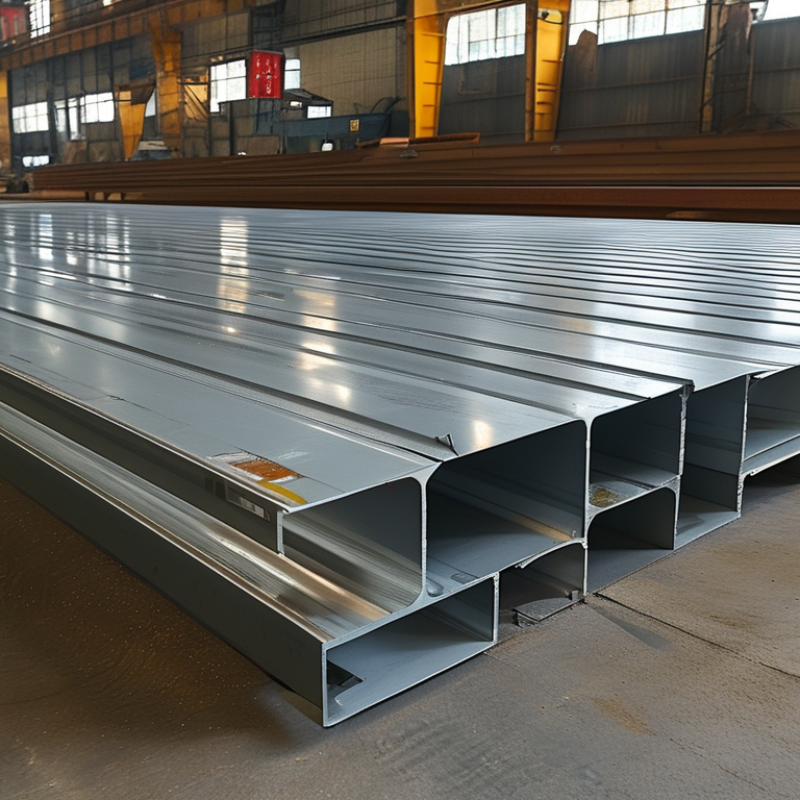
Aluminium tread plate is a popular choice due to its unique properties and versatility. It's primarily composed of aluminium alloy, typically 5052 or 6061, known for their high strength-to-weight ratio. This makes it robust yet lightweight, perfect for applications ranging from flooring to truck bodies. Studies show that the tensile strength can exceed 200 MPa, making it suitable for heavy-duty environments.
When selecting aluminium tread plate, consider thickness and pattern. Thicker plates offer better durability but may add weight. Common thickness ranges from 1.5 mm to 6 mm, with 3 mm being a popular choice. Patterns also play a role; a diamond pattern provides superior traction, reducing slip hazards in wet conditions.
Tip: Always check the specific properties of the alloy used for your project. Some aluminium alloys have better corrosion resistance, while others are more malleable. This can impact performance in environments exposed to harsh conditions.
Careful consideration of your precise needs can lead to optimal results. While aluminium tread plate excels in many areas, it's essential to assess how these properties align with your intended use. Don't skip the research; understanding your requirements can save money in the long run.
When assessing the strength of aluminium tread plate, several key factors come into play. One prominent aspect is thickness. Typically, aluminium tread plates range from 1.5mm to 10mm in thickness. Thicker plates offer enhanced structural strength. According to a report by the Aluminium Association, the tensile strength of 6061 aluminium alloy, commonly used in tread plates, can reach up to 310 MPa. This makes it suitable for various applications, including flooring in industrial settings.
Another critical factor is the pattern of the plate itself. The diamond or raised pattern not only provides slip resistance but also contributes to the material's overall strength. Research shows that tread patterns can increase load distribution, reducing localized stress on the plate. Additionally, environmental factors such as corrosion resistance are vital. While aluminium naturally forms a protective oxide layer, treatments can further enhance durability. Proper selection aligned with specific application needs is essential for optimal performance.
Although aluminium tread plates boast impressive strength, there's room for improvement in certain areas. Users must consider load requirements and potential wear over time. Regular maintenance can mitigate risks. Understanding these nuances is crucial for ensuring the material meets the demands of different environments, from commercial docks to residential applications. Balancing these factors will help in making a more informed decision on using aluminium tread plates.
This chart displays the tensile strength and shear strength of various aluminium tread plate thicknesses, which are crucial factors in determining their suitability for different applications.
Aluminium tread plates are utilized in a variety of industries due to their durability and slip-resistant properties. In the automotive sector, they are commonly used for truck bed liners and interior flooring. According to a 2021 industry report, the global market for aluminium tread plates is expected to grow by 4.5% annually, reflecting an increasing demand in transportation and construction. These plates provide weight savings compared to steel, while still maintaining strength, essential for efficient fuel economy.
In the construction industry, aluminium tread plates are preferred for stairs, walkways, and flooring in commercial buildings. Their ability to withstand harsh weather and environmental conditions ensures longevity. A study from the Aluminium Association noted that around 70% of construction companies opt for aluminium over other materials for these applications. However, variations in thickness and alloy composition can affect performance. This variability requires careful consideration during the design phase.
While aluminium tread plates offer numerous advantages, challenges remain. The initial cost can be higher than that of traditional materials, which may deter some buyers. Furthermore, the protective coatings on these plates can wear over time, diminishing their slip resistance. Professionals must weigh these factors to ensure the material meets specific safety standards and performance criteria in their applications.
Aluminium tread plates are known for their strength-to-weight ratio. According to the Aluminum Association, these plates weigh about one-third of steel while offering comparable strength. This makes them a popular choice in various industries. They are often used in automotive and aerospace applications where weight is critical.
When comparing aluminium tread plates to other materials like fiberglass or steel, the differences become apparent. Steel is heavier and can rust if not properly treated. Fiberglass, while lightweight, lacks the tensile strength found in aluminium. A study published in the Journal of Materials Science indicates that aluminium has a tensile strength of approximately 310 MPa, significantly higher than that of most fiberglass composites.
Consider the slip resistance offered by tread plates. The textured surface provides added safety in environments that require stable footing. However, this feature also raises questions about maintenance and cleaning. Over time, dirt and grime can accumulate in the grooves. This can reduce the effectiveness of the tread pattern. Users must balance the benefits with the practical aspects of keeping the surfaces clear and safe.
| Material | Tensile Strength (MPa) | Weight (kg/m²) | Corrosion Resistance | Cost (per kg) |
|---|---|---|---|---|
| Aluminium Tread Plate | 150 - 310 | 6.5 | Excellent | $3.00 |
| Steel Plate | 370 - 620 | 7.85 | Moderate | $2.00 |
| Stainless Steel Plate | 480 - 600 | 7.93 | Excellent | $4.50 |
| Plastic Composite Plate | 40 - 70 | 2.0 | Good | $1.50 |
| Carbon Fiber Plate | 500 - 800 | 1.5 | Excellent | $20.00 |
Aluminium tread plates are highly valued for their durability and slip resistance. However, proper maintenance is crucial to ensure their longevity. To keep aluminium tread plates in top shape, routine cleaning is essential. A solution of mild detergent and warm water works well. Scrub with a soft brush to remove dirt and grime, and rinse thoroughly with clean water. Regular cleaning prevents corrosion and maintains the plates’ appearance.
Even with care, certain challenges may arise. Scratches and dents can occur, especially in high-traffic areas. Addressing these imperfections should be a priority. Light scratches can often be polished out using appropriate cleaning products. For deeper damage, consider professional repair services. Overlooking these issues may lead to bigger problems over time.
Weather elements also take a toll on aluminium tread plates. UV exposure can cause fading and surface wear. Applying a protective sealant can help guard against these environmental factors. Ensure to reapply the sealant periodically, particularly after heavy usage or extreme weather. This not only maintains aesthetics but also enhances durability. The key is to establish a consistent maintenance routine tailored to your specific environment.
: Aluminium tread plate is primarily composed of aluminium alloys, often 5052 or 6061.
It is lightweight, robust, and has a high strength-to-weight ratio.
Common thickness ranges from 1.5 mm to 6 mm, with 3 mm being popular.
A diamond pattern provides superior traction and reduces slip hazards.
Aluminium tread plates have a tensile strength of about 310 MPa, surpassing most fiberglass composites.
Regular cleaning is essential to prevent dirt and grime accumulation in the grooves.
Different alloys have varying corrosion resistance and malleability, affecting performance in harsh environments.
No, aluminium does not rust like steel but can corrode under certain conditions.
Assess your specific needs and how the plate's properties align with your intended use.
While they are strong, the need for maintenance can be a challenge in busy environments.
Aluminium tread plate is a versatile material celebrated for its durability and strength, making it an ideal choice for various applications across multiple industries. Understanding how strong is aluminium tread plate involves examining its composition, which blends lightweight aluminum with protective traits. Key factors contributing to its strength include thickness, alloy composition, and surface pattern, all of which enhance its load-bearing capabilities.
When comparing aluminium tread plate with other materials, its unique properties often make it the superior option in terms of weight-to-strength ratio and resistance to corrosion. However, to ensure long-lasting performance, proper maintenance and care are essential. Regular cleaning and checking for signs of wear can significantly extend the durability of aluminium tread plate, making it a reliable choice for both industrial and commercial uses.

Cellar Aluminum