Aluminium tread plate is gaining attention among global buyers for its unique properties. But how strong is aluminium tread plate? This question is essential for anyone considering its use in various applications.
Aluminium tread plate is known for its durability and resistance to corrosion. It's lightweight yet strong, making it a practical choice for many industries. However, its strength can vary based on factors such as thickness and alloy composition. Buyers must consider these variables when assessing the material’s suitability for their needs.
Furthermore, while aluminium tread plate offers benefits, it isn’t perfect. Some users may find it more prone to scratches compared to steel. Understanding these strengths and weaknesses is crucial for informed purchasing decisions. Therefore, knowing how strong aluminium tread plate is can lead to better choices in materials for both construction and manufacturing.
Understanding Aluminium Tread Plate: Composition and Properties
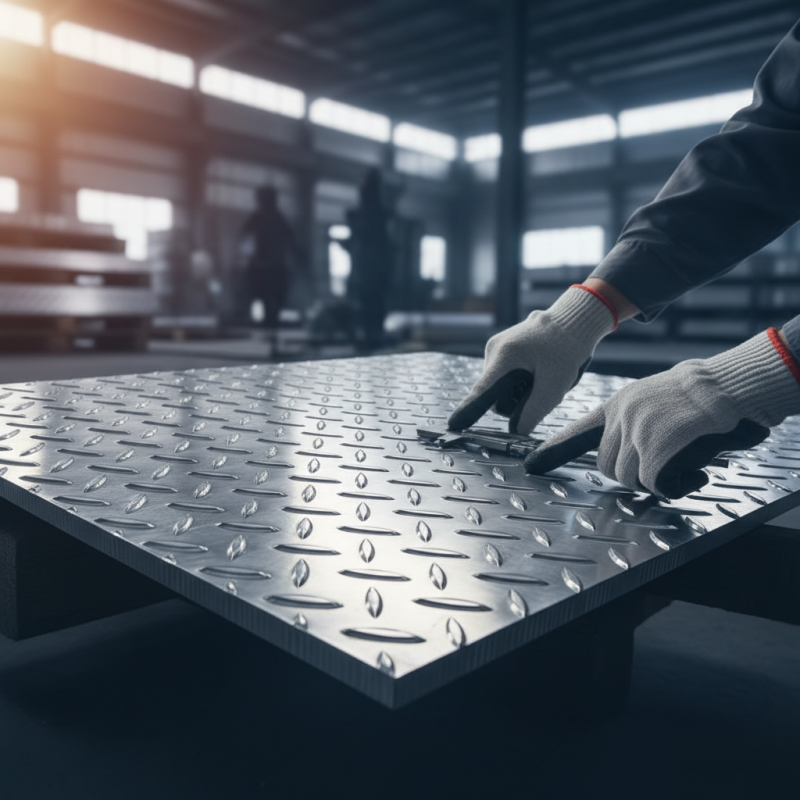
Aluminium tread plate, known for its unique surface patterns, has gained popularity in various industries. Its composition typically includes aluminum alloys like 5052 and 6061, which offer a balance of strength and lightweight properties. A study conducted by the Aluminum Association indicates that aluminium tread plates can exhibit tensile strength ratings ranging from 200 to 300 MPa, making them suitable for applications requiring durability.
One notable feature of aluminium tread plates is their corrosion resistance. The natural oxide layer on the surface protects against weathering. ASTM standards affirm that specific aluminium tread plates can withstand harsh environments without significant degradation. However, while aluminium offers lightweight advantages, it can be more susceptible to dents compared to other metals.
Flexibility is another key property. Aluminium tread plates can be easily cut, bent, and shaped, which provides versatility in design. Nevertheless, users should consider the specific load requirements of their projects. Industry reports suggest that while these plates are reliable, they might not be suitable for extremely heavy-duty applications. Therefore, understanding the composition and properties is crucial for making informed purchasing decisions.
Strength Characteristics of Aluminium Tread Plate Compared to Other Materials
Aluminium tread plate is renowned for its strength. Compared to steel and other materials, it holds up remarkably well. One key advantage is its high strength-to-weight ratio. This makes it a preferred choice for many applications where weight is a concern.
In terms of durability, aluminium tread plate resists corrosion. This property enhances its lifespan. However, it is essential to recognize that it may not be as strong as steel in heavy-load situations. In high-stress environments, using aluminium might require reassessment. Its performance in these cases can lead to questions about long-term reliability.
The comparison with other materials reveals important insights. While aluminium is lightweight, steel is heavier yet more robust. Buyers must consider the specific requirements of their projects. Do they prioritize weight or ultimate strength? This choice directly impacts the performance and longevity of the material used.
Applications of Aluminium Tread Plate in Various Industries
Aluminium tread plates are gaining traction across multiple industries due to their durability and versatility. In construction, they provide a robust solution for flooring and ramps. Their unique pattern offers slip resistance, which is crucial in high-traffic areas and places prone to moisture. According to industry reports, the global market for aluminium tread plates is projected to grow significantly, driven largely by infrastructure development.
In the automotive sector, aluminium tread plates contribute to vehicle lightweighting, enhancing fuel efficiency without sacrificing strength. The material is particularly favored for truck beds and trailer floors. A recent study by a leading market analysis firm highlighted that lightweight materials like aluminium can reduce vehicle weight by 10-30%, translating to substantial fuel savings.
In marine applications, aluminium tread plates are valued for their corrosion resistance. They are commonly used in boat decks and walkways, ensuring safety while maintaining structural integrity. However, the market faces challenges, such as fluctuating raw material costs and recycling concerns. While aluminium is recyclable, not all products reach the end of their lifecycle effectively. Addressing these issues is crucial for sustainable growth in industries utilizing this material.
Aluminium Tread Plate Applications across Various Industries
Factors Influencing the Durability of Aluminium Tread Plate
When considering the durability of aluminium tread plates, several key factors come into play. The alloy composition significantly impacts strength. For example, 5052 aluminum alloy shows excellent corrosion resistance and weldability, ideal for various applications. According to industry reports, this alloy demonstrates a tensile strength of around 220-300 MPa, making it robust yet lightweight.
Another crucial element is the surface treatment. Anodizing enhances resistance against scratches and oxidation. Reports indicate that anodized aluminium can last significantly longer in harsh environments compared to untreated surfaces. In practical use, coatings can increase service life by up to 25%, but attention must be given to the thickness of the coating. A thin layer might provide inadequate protection.
Environmental factors further influence the lifespan of aluminium tread plates. Exposure to extreme temperatures and humidity can lead to wear and tear. Industry studies recommend monitoring performance under varying conditions to ensure reliability. The need for regular maintenance is often overlooked, yet it plays a vital role in preserving structural integrity. Addressing these aspects will help buyers make informed decisions about aluminium tread plates.
How Strong is Aluminium Tread Plate for Global Buyers? - Factors Influencing the Durability of Aluminium Tread Plate
| Factor |
Measurement |
Impact on Durability |
| Material Alloy Type |
5000 series vs 6000 series |
5000 series offers higher corrosion resistance. |
| Thickness |
2mm, 3mm, 5mm, 6mm |
Increased thickness enhances load-bearing capacity. |
| Surface Finish |
Mill finish, anodized, painted |
Anodized finish improves corrosion resistance. |
| Heat Treatment |
T4, T5, T6 |
T6 treatment increases hardness and strength significantly. |
| Environmental Conditions |
Coastal, industrial, urban |
Coastal areas require higher corrosion resistance. |
| Load Requirements |
Static vs dynamic loads |
Dynamic loads require higher strength grades. |
Market Trends and Future Prospects for Global Buyers of Aluminium Tread Plate
Aluminium tread plates are gaining popularity among global buyers due to their versatility. These plates are known for their durability, making them ideal for various applications, including flooring, vehicle bodywork, and architectural designs. Market trends indicate increased demand driven by industrial growth and infrastructure development. Buyers should pay attention to these trends when sourcing materials.
Tip: When selecting aluminium tread plates, consider the thickness and finish. Different applications may require varying specifications. Thickness can influence strength, while the finish affects aesthetics and functionality.
Future prospects appear positive as innovations in production technology emerge. Manufacturers focus on enhancing the strength-to-weight ratio of aluminium tread plates. Sustainability also plays a key role, with more buyers seeking eco-friendly materials. However, market fluctuations and supply chain challenges can impact availability.
Tip: Stay informed about market pricing. This can help in making cost-effective decisions. Regularly check industry reports for insights. Finding a reliable supplier is crucial for consistent quality.
Conclusion
The article "How Strong is Aluminium Tread Plate for Global Buyers?" explores the essential aspects of aluminium tread plate, focusing on its composition, properties, and strength characteristics in comparison to other materials. It highlights the durability of aluminium tread plate, emphasizing its significant resistance to wear and corrosion, which enhances its application across various industries, including construction and transportation.
Furthermore, the article discusses the factors that influence the longevity of aluminium tread plate, such as environmental conditions and maintenance practices. With an eye on market trends, it also outlines future prospects for global buyers, indicating a growing demand for this material due to its unique combination of strength and lightweight properties. Overall, the piece provides valuable insights into how strong is aluminium tread plate and its relevance in today's market.

 Cellar Aluminum