How to Protect Aluminium from Oxidation for Global Buyers?

Time:2026-06-13 Author:Sienna
0%

Aluminium is widely used in various industries due to its lightweight and durability. However, it is prone to oxidation, leading to corrosion and diminishing its strength and aesthetic appeal. Knowing how to protect aluminium from oxidation is essential for manufacturers and buyers worldwide. This ensures the longevity and performance of aluminium products.

Effective protection methods include applying protective coatings, utilizing anodization, and employing sealants. Each method has its merits and considerations, requiring careful selection based on specific application needs. Additionally, proper storage and regular maintenance can significantly enhance the lifespan of aluminium components.

Addressing oxidation is not just about applying solutions; it often involves a reflection on processes and material quality. Companies must remain vigilant in monitoring environmental conditions that may accelerate oxidation. By prioritizing these strategies, buyers can ensure they make informed decisions and maintain the integrity of their aluminium investments.
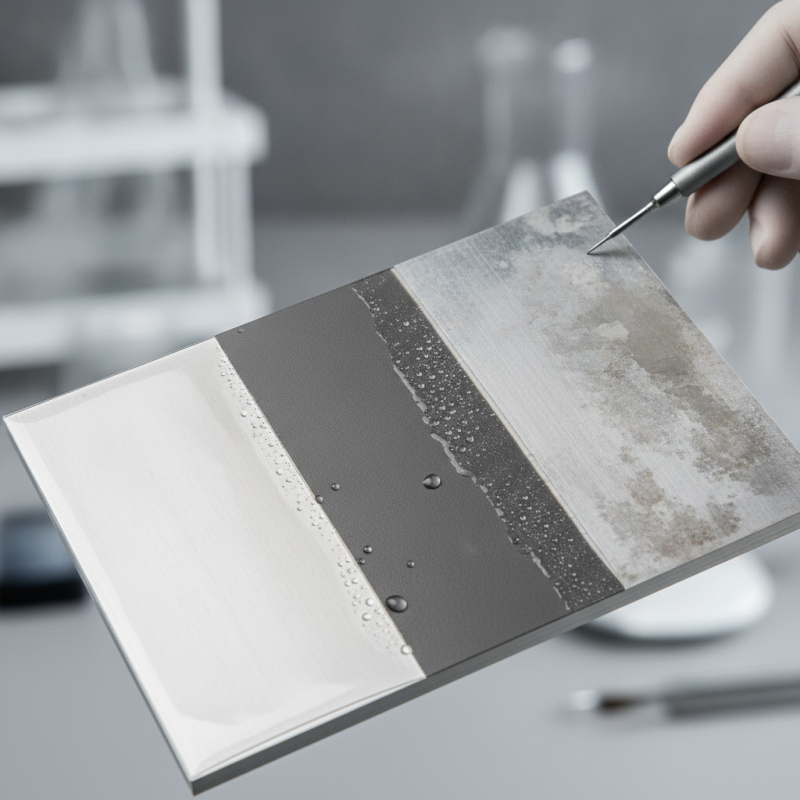
How to Protect Aluminium from Oxidation for Global Buyers?

Understanding Aluminium Oxidation: Causes and Effects

Aluminium is prone to oxidation, a chemical reaction that forms a protective oxide layer. This layer can be beneficial, but excessive oxidation weakens the metal, making it brittle over time. Factors such as humidity, temperature, and exposure to saltwater significantly increase the rate of oxidation. According to industry studies, up to 95% of aluminium failures in marine environments can be attributed to corrosion.

To mitigate oxidation, consider several tips. First, apply a protective coating, such as paint or a specialized sealant, to the aluminium surface. This barrier prevents moisture from reaching the metal. Second, regularly clean aluminium surfaces with mild detergents to remove contaminants that promote corrosion. Research suggests that regular maintenance can extend the lifespan of aluminium products by up to 50%.

Despite these measures, some oxidation may still occur. Observing early signs, like discoloration, is essential. It is crucial to act quickly to minimize damage as untreated oxidized aluminium can lead to costly repairs. A proactive approach not only enhances durability, but also ensures safety in various applications.

How to Protect Aluminium from Oxidation

This chart illustrates the common methods used to protect aluminium from oxidation and their effectiveness. The effectiveness is rated on a scale from 1 to 10, with 10 being the most effective.

Common Methods for Preventing Aluminium Oxidation

Aluminium oxidation is a significant concern for many industries. Protecting aluminium from corrosion involves several common methods. One effective approach is to apply a protective coating. This technique can increase the lifespan of aluminium parts by up to 50%, according to industry reports. The use of anodization creates a thick oxide layer, enhancing both durability and corrosion resistance.

Another method is to employ corrosion inhibitors. They can significantly reduce the oxidation of aluminium surfaces when immersed in corrosive environments. Studies indicate that using inhibitors can lower corrosion rates by 30% in certain conditions. Regular maintenance of aluminium products, including cleaning and inspection, is vital. Dirt and pollutants can accelerate oxidative processes, leading to premature failure.

Physical barriers, like paint, also serve an essential role. They prevent moisture contact and restrict chemical reactions that lead to oxidation. However, surface preparation is crucial for paint adhesion. Inadequate preparation can lead to peeling or flaking, undermining the protective layer. Continuous research into new materials and techniques aims to enhance aluminium protection. Despite advancements, challenges remain, reminding us of the complexity involved in preventing oxidation.

Protective Coatings: Types and Applications for Aluminium

When it comes to protecting aluminium, various protective coatings are pivotal. These coatings serve as barriers, preventing oxidation and corrosion. Powder coating is a popular choice; it offers a durable finish. It provides an excellent look while adding resistance against scratches and UV rays. This coating is also environmentally friendly, making it a great option for global buyers.

Another effective type of coating is anodizing. This electrochemical process thickens the natural oxide layer on aluminium. It enhances durability and increases resistance to wear and tarnishing. Additionally, anodized surfaces can be colored, allowing for aesthetic customization. However, not all anodized coatings are equal in quality, and some might require maintenance over time.

Tempering is a lesser-known method for protecting aluminium. It involves heating the metal to increase its strength and resistance. While this method can enhance durability, it may not always prevent oxidation. Proper surface treatment remains essential. Applying a suitable coating is often more effective and ensures long-lasting protection. Each option has its advantages and limitations, and global buyers should weigh these factors carefully.

Maintenance Practices for Longevity of Aluminium Products

Aluminium, known for its lightweight and strength, faces a significant challenge: oxidation. This process can diminish the metal's appearance and performance. Recent industry reports indicate that around 65% of aluminium products experience some level of corrosion over time. Understanding maintenance practices is crucial for enhancing the longevity of these products.

Regular cleaning is essential. Use mild detergents and soft cloths to prevent scratches. Avoid harsh chemicals, as they can accelerate oxidation. Annual inspections are also important. Look for signs of wear, scratches, or discoloration. If these issues are present, addressing them early can save both time and cost later. Keeping a protective coating on aluminium can reduce exposure to moisture and pollutants.

Storing aluminium items properly is another critical factor. Keep them in a dry, shaded area to minimize environmental impact. Educate staff on handling practices; improper techniques can lead to scratches and damage. Remember, neglecting maintenance can lead to a greater risk of oxidation. According to studies, a well-maintained aluminium surface can last up to three times longer than one that is not cared for.

Environmental Considerations in Aluminium Preservation Techniques

Aluminium is prone to oxidation, leading to degradation. Protecting it is important for longevity and appearance. When considering preservation techniques, environmental impact should be a priority. Many methods can be effective, yet not all are eco-friendly.

Natural coatings, like wax or oil, offer a reliable way to protect aluminium. These substances form a barrier without harmful chemicals. They minimize oxidation and have a lower environmental footprint. However, these coatings may require frequent reapplication, which some might find inconvenient.

Another approach involves anodizing. This process enhances corrosion resistance while creating a thicker oxide layer. Anodizing uses electricity and acid baths, raising concerns about wastewater management. Ensuring that these processes don't pollute ecosystems is essential. Each technique has trade-offs, reflecting the need for careful consideration in aluminium preservation strategies.

FAQS

: What is aluminium oxidation, and why is it a concern?

: Aluminium oxidation leads to corrosion, which can affect its appearance and performance significantly.

How can protective coatings help in preventing aluminium oxidation?

Protective coatings can increase aluminium lifespan by up to 50%.

What role do corrosion inhibitors play?

Corrosion inhibitors can reduce oxidation rates by 30% in certain conditions when aluminium is in corrosive environments.

Why is regular maintenance important for aluminium products?

Regular cleaning and inspection can prevent premature failure and extend the product’s lifespan.

What are some effective cleaning practices for aluminium?

Use mild detergents and soft cloths, avoiding harsh chemicals that could worsen oxidation.

How should aluminium items be stored for longevity?

Store them in a dry, shaded area to minimize exposure to moisture and pollutants.

What environmental considerations should be taken into account during preservation?

Some preservation methods can harm the environment, so eco-friendly options are essential to consider.

What is the downside of using natural coatings for aluminium?

Natural coatings may require frequent reapplication, which can be seen as inconvenient.

How does anodization enhance aluminium protection?

Anodization creates a thicker oxide layer that improves corrosion resistance.

What common mistakes should be avoided in aluminium maintenance?

Inadequate surface preparation for painting may lead to peeling, affecting the protective layer.

Conclusion

To understand how to protect aluminium from oxidation, one must first grasp the causes and effects of aluminium oxidation, which occurs when aluminium reacts with oxygen in the environment, leading to corrosion. Common methods for preventing this oxidation include applying protective coatings, which come in various types such as anodizing and powder coating, each suited for different applications. Regular maintenance practices are essential for prolonging the lifespan of aluminium products, including routine cleaning and inspections to identify any early signs of oxidation.

Additionally, environmental considerations play a crucial role in aluminium preservation techniques. Factors like humidity, temperature, and exposure to chemicals can significantly impact the effectiveness of protective measures. By combining the right protective coatings with diligent maintenance and awareness of environmental influences, global buyers can significantly enhance the durability and appearance of their aluminium products while effectively addressing how to protect aluminium from oxidation.

Sienna

Sienna

Sienna is a skilled marketing professional with a deep expertise in our company’s core products and services. With a passion for innovation and detail, she plays a pivotal role in crafting insightful blog posts that not only highlight the unique features of our offerings but also provide valuable......