Corrosion in aluminium materials poses a significant challenge across various industries. According to a report by the American Galvanizers Association, corrosion costs the U.S. economy around $276 billion annually. Understanding how to prevent corrosion in aluminium materials is essential for maintaining the longevity and integrity of products. This is especially relevant in sectors like aerospace, automotive, and marine, where structural integrity is critical.
Aluminium is lightweight and resistant to fatigue, but it is not immune to corrosion. Various environmental factors, such as humidity and exposure to salt, can accelerate this process. Implementing effective prevention methods is not just a best practice; it is crucial for safety. Research indicates that up to 25% of annual maintenance costs can be attributed to corrosion issues. Thus, industries must prioritize effective strategies to combat corrosion.
Preventing corrosion is an ongoing challenge that requires expertise. The solutions range from applying protective coatings to utilizing corrosion-resistant alloys. Not every method proves effective in all scenarios, revealing gaps in our knowledge. Companies should invest in research to identify the most suitable prevention techniques tailored to their specific needs. Focusing on this area can lead to significant long-term savings and improved product reliability.
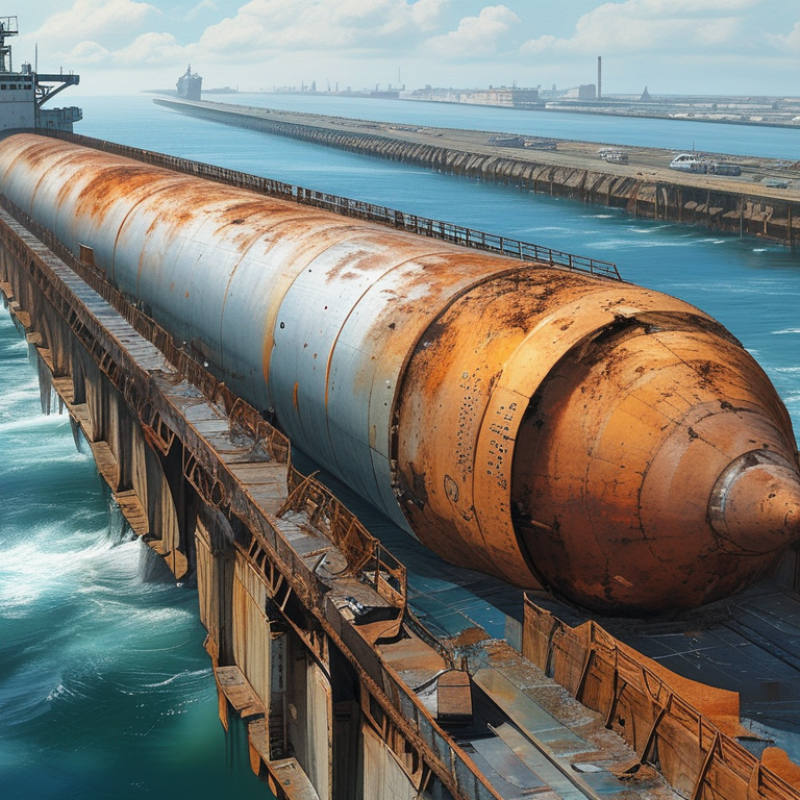
Corrosion in aluminium is a growing concern across various industries. Understanding its causes and impacts is crucial for effective prevention. Aluminium is naturally resistant to corrosion due to a protective oxide layer. However, environmental factors can compromise this layer. Salts, moisture, and pollutants are common culprits. According to the Aluminum Association, the economic impact of corrosion in aluminium structures exceeds $30 billion annually in the U.S. alone. This staggering figure showcases the need for better management strategies.
Corrosion can lead to significant material degradation and safety hazards. In aerospace, even minor corrosion can affect performance and safety. Research indicates that around 20% of maintenance costs in aircraft are related to corrosion issues. Engineers must recognize these risks and implement proactive measures. Studies suggest that regular inspections and proper surface treatments can effectively mitigate corrosion. Despite advancements, many industries still lack adequate protective protocols. This gap presents an opportunity for improvement and better practices in corrosion management. Emphasizing education and training in corrosion awareness is vital for the reliability of aluminium applications.
Protective coatings play a vital role in preventing corrosion of aluminium surfaces. According to a study by the Aluminium Association, unprotected aluminium can lose up to 50% of its strength in just a few months due to environmental exposure. This highlights the importance of applying coatings effectively. Coatings create a physical barrier, reducing moisture and oxygen contact with the metal. This combination significantly extends the lifespan of aluminium materials.
Moreover, coatings can be customized to enhance performance. For instance, fluoropolymer coatings provide excellent resistance to harsh chemicals and temperatures. A report from the International Journal of Materials Science shows that surfaces coated with fluoropolymers show a 40% increase in corrosion resistance compared to untreated aluminium. However, not all coatings are equally effective. Improper application can lead to flaws, compromising their protective ability. Ensuring proper preparation and application methods is essential to maximize the benefits.
The cost of corrosion-related damages is staggering, with the National Association of Corrosion Engineers estimating it at $2.5 trillion annually worldwide. Investing in quality protective coatings can reduce this financial burden. Businesses should consider not just initial costs but also long-term savings on maintenance and repairs. While protective coatings provide an effective defense, ongoing inspections and reapplication strategies are crucial for sustained efficacy.
Design plays a crucial role in minimizing corrosion risks in aluminium materials. One effective technique is ensuring proper drainage in designs. Water accumulation can lead to localized corrosion. By incorporating slopes or drainage channels, you can effectively reduce moisture retention.
Another key aspect is the use of protective coatings. These coatings act as barriers against corrosive elements. Selecting a suitable coating based on the environment is essential. For example, some coatings perform better in coastal areas, while others may suit industrial settings. However, it is important to regularly inspect these coatings for wear and damage.
Additionally, consider the importance of service conditions. Understanding the operating environment helps in selecting the right alloys and treatments. Some designs may inadvertently create crevices that trap moisture. Regular evaluations can help identify these issues, allowing for timely modifications to maintain integrity. This reflective approach can greatly enhance the longevity of aluminium structures.
Maintaining aluminium components is crucial for preventing corrosion. Regular inspections and cleaning are essential practices. According to a report by the Aluminium Association, nearly 30% of corrosion-related failures can be traced back to inadequate maintenance. This highlights the importance of making maintenance a priority.
Tips: Schedule monthly checks on exposed aluminium parts. Look for signs of oxidation or discoloration. Corrosion can begin small but escalate quickly, compromising structural integrity.
Using protective coatings can significantly enhance durability. Studies show that applying a suitable coating can increase lifespan by up to 50%. Ensure that all coatings are compatible with the aluminium type to avoid issues. It’s worth noting that neglecting these details can lead to unexpected failures and costly repairs.
Tips: Consider environmental factors when evaluating maintenance needs. Humidity and proximity to seawater can accelerate corrosion. Adjust your maintenance schedule based on local conditions. Regular upkeep is not just good practice; it’s a necessity for safety and longevity in aluminium materials.
Corrosion-resistant aluminium alloys play a critical role in various industries. The selection of the right alloy can significantly enhance durability. Consider alloys like 5000 and 6000 series, known for their resistance to corrosion. These alloys often undergo various treatments to improve resistance, such as anodizing or applying protective coatings.
Tips: Always choose the right alloy for your specific application. Each alloy has unique properties and is suited for different environments. Additionally, consider environmental factors like humidity. These elements can affect the level of corrosion risk.
Regular maintenance is crucial. Inspect aluminium components periodically for signs of wear or corrosion. If found, addressing issues promptly can avoid further damage. However, not all treatments are foolproof. Understanding the limitations of coatings and finishes is essential. Not every environment is forgiving, and awareness will help in making better material selections.
Tips: Keep records of maintenance and environmental conditions. This data can guide future decisions on materials and treatments. Relying solely on manufacturer claims without practical experience may lead to unexpected failures. Hence, hands-on knowledge is invaluable.
: They prevent corrosion, extending the lifespan of aluminium materials by reducing moisture and oxygen contact.
Unprotected aluminium can lose up to 50% of its strength within a few months from environmental exposure.
Certain coatings, like fluoropolymers, resist harsh chemicals and high temperatures effectively.
Flaws may occur, compromising the protective ability of coatings, which can lead to increased corrosion.
Incorporating slopes for drainage helps reduce water accumulation, limiting the risk of localized corrosion.
The right alloy depends on specific applications and environmental factors, like humidity and exposure types.
Periodic inspections can identify wear or corrosion issues early, preventing further damage.
Not all coatings are effective in every environment, making it essential to understand their limitations.
Service conditions inform the choice of alloys and treatments, affecting corrosion resilience.
Consider both initial costs and long-term savings in maintenance and repairs when investing in coatings.
Corrosion in aluminium materials can significantly affect their performance and lifespan, making it essential for industries to adopt effective strategies. To understand how to prevent corrosion in aluminium materials, one must first grasp the causes and impacts of corrosion. Protective coatings play a vital role in safeguarding aluminium surfaces, offering a barrier against environmental factors. Additionally, proper design techniques can minimize corrosion risks by considering the specific environment and stresses the materials will face.
Regular maintenance practices are also crucial, ensuring that aluminium components remain in optimal condition over time. Furthermore, selecting corrosion-resistant aluminium alloys and treatments can substantially enhance durability. By integrating these methods, individuals and organizations can effectively mitigate the risk of corrosion, ensuring the longevity and reliability of aluminium materials in various applications.

Cellar Aluminum