How to Maintain Aluminium Tread Plates for Optimal Longevity?

Time:2026-05-28 Author:Oliver
0%

Aluminium tread plates are renowned for their durability and anti-slip features. However, they require regular maintenance to achieve optimal longevity. According to a recent report from the International Aluminium Institute, proper upkeep can extend the life of tread plates by up to 40%. This is a significant factor for industries relying on these materials for safety and efficiency.

Renowned expert in aluminium materials, Dr. Mark Thompson, states, "How to maintain aluminium tread plates is crucial for safety and performance." His insights highlight the need for a systematic approach to maintenance. Simple actions, such as regular cleaning and inspection, can prevent deterioration. While many might overlook these details, neglect often leads to costly repairs or replacements.

Aluminium tread plates are an investment. Not prioritizing their care can shorten their lifespan significantly. Even minor scratches and stains can harbor corrosion if left untreated. Taking the time to address these issues is essential for maintaining safety standards in the workplace.
How to Maintain Aluminium Tread Plates for Optimal Longevity?

Understanding Aluminium Tread Plates: Features and Benefits

Aluminium tread plates are versatile and functional materials used in various applications. They feature a raised pattern designed for slip resistance, making them ideal for walkways, platforms, and ramps. Their lightweight nature means they can be easily installed while providing substantial durability. These plates are resistant to corrosion, which enhances their longevity in harsh environments.

One tangible benefit of aluminium tread plates is their ability to maintain aesthetic appeal over time. They can endure heavy foot traffic without showing significant wear. However, it's essential to keep them clean and free from debris. Regular maintenance includes cleaning them with mild soap and water. Neglect can lead to a dull appearance and may compromise their slip-resistant qualities.

While aluminium tread plates are sturdy, they can suffer from scratches or dents. Even a small imperfection can impact functionality. Regular inspections are necessary to identify these issues early. If not addressed, these flaws could lead to safety concerns. Reflection on your maintenance routine can help improve the lifespan of these valuable installations.

How to Maintain Aluminium Tread Plates for Optimal Longevity?

Feature Benefit Maintenance Tip Frequency
Durability Resistant to wear and tear Regular cleaning with mild detergent Monthly
Slip Resistance Provides safety especially in wet conditions Inspect for debris and wash off regularly Weekly
Corrosion Resistance Prevents rust and extends lifespan Apply protective coatings if necessary Annually
Versatility Useful in various applications from flooring to signage Assess condition based on usage As needed
Lightweight Easier to handle and install Check for dents or dings As needed

Essential Cleaning Techniques for Aluminium Tread Plates

Aluminium tread plates are widely used for their durability and anti-slip properties. However, maintaining them properly is crucial for their longevity. Regular cleaning helps avoid corrosion and keeps surfaces looking good. The Aluminium Stewardship Initiative reports that proper maintenance can extend the life of aluminium products by up to 50%.

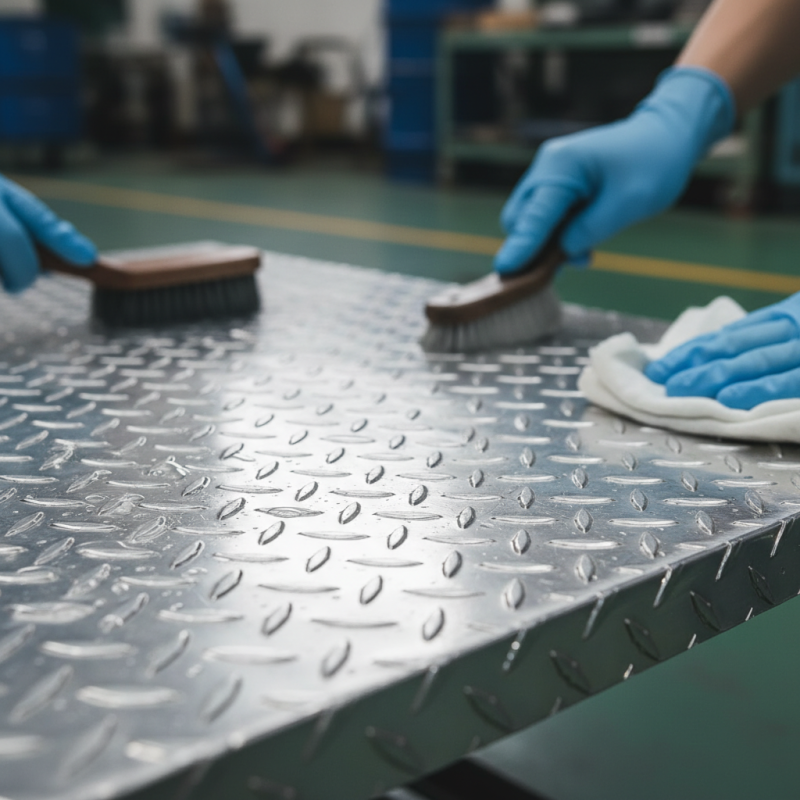
Cleaning aluminium tread plates requires specific techniques. Start by using a mild detergent mixed with warm water. A soft brush or sponge is ideal to remove dirt without scratching the surface. Avoid abrasive cleaners, as they can damage the finish. Rinse thoroughly to eliminate any residue, which can lead to spotting or corrosion over time. If stains persist, consider using a dedicated aluminium cleaner.

Tip: Regular maintenance is key. Clean your tread plates every few months, depending on their exposure to harsh conditions. Also, consider applying a protective sealant to reduce wear.

Another important aspect is the immediate removal of spills. Accumulated substances can lead to permanent staining. Prompt cleaning helps maintain the appearance and functionality of the tread plates. Much of the damage can be prevented with timely actions.

Tip: Keep a maintenance log. Track the cleaning dates and any observations about wear or discoloration. This can help identify patterns and inform future care strategies.

Preventing Corrosion and Damage on Aluminium Tread Plates

Aluminium tread plates are durable yet vulnerable to corrosion if not properly maintained. Preventing damage begins with regular cleaning. Use mild soap and warm water for weekly washes. Avoid abrasive cleaners, as they can scratch the surface. After cleaning, ensure they are dried thoroughly to prevent water spots.

For added protection, applying a sealant can be beneficial. Sealants create a barrier against moisture and contaminants. When applying, make sure to cover all areas uniformly. However, frequent reapplication is necessary to maintain effectiveness. You might find areas of damage or corrosion that need addressing. Ignoring these spots can lead to bigger problems later.

Regular inspections are key to longevity. Look for stains, scratches, or peeling. Small issues catch your eye more readily than you might expect. Address them promptly to prevent further deterioration. Sometimes, it’s easy to overlook maintenance until it’s too late. Stay vigilant and proactive to ensure your aluminium tread plates remain in optimal condition.

Maintenance Effectiveness of Aluminium Tread Plates

Storage and Handling Best Practices for Aluminium Tread Plates

Storing aluminium tread plates properly is vital for their longevity. These plates should be kept in a clean, dry environment. Moisture can lead to corrosion. Try to store them on a flat, elevated surface. Avoid direct contact with the ground. This helps prevent scratches and damage to the edges.

Handling also requires care. When moving the plates, ensure you have the right lifting techniques. Use protective gloves to avoid skin oils transferring to the metal. Transport them with adequate support to prevent bending. It’s important to avoid stacking them too high. Over time, this can cause warping or uneven pressure points.

Regular checks on stored plates can prevent larger problems. Look for signs of wear or surface blemishes. Addressing these issues early helps maintain their quality. Ensuring a consistent environment can also be beneficial. Temperature fluctuations may impact their structural integrity. Striving for optimal storage and handling practices will enhance their lifespan significantly.

Regular Maintenance Checks: Ensuring Longevity of Aluminium Tread Plates

Aluminium tread plates are vital for various applications, providing safety and durability. Regular maintenance checks help ensure their longevity and optimal performance. Performing routine inspections can reveal signs of wear or damage early. Look for dents, scratches, or corrosion. Addressing these issues promptly can prevent larger problems down the line.

Tips: Clean the tread plates regularly. Use a soft brush to remove debris. Avoid harsh chemicals that might harm the material. Applying a protective coating can also enhance lifespan. Inspect for any loose edges or areas where the plates are peeling. Tighten any fasteners if necessary.

Remember that neglecting these maintenance tasks can lead to higher repair costs. Schedule checks every few months or after heavy usage. Keeping track of conditions allows for informed decisions. Effective maintenance practices are not just about upkeep; they are about ensuring safety and reliability in everyday use.

FAQS

: How do I clean aluminium tread plates?

: Use a mild detergent mixed with warm water and a soft brush or sponge.

What should I avoid when cleaning these plates?

Avoid abrasive cleaners that can scratch the surface and damage the finish.

How often should I clean them?

Clean your tread plates every few months, depending on exposure to harsh conditions.

What can I do about spills on the plates?

Remove spills immediately to prevent permanent staining and maintain functionality.

Why is tracking maintenance useful?

Keeping a maintenance log helps identify wear patterns and improves future care strategies.

How can I prevent corrosion on the plates?

Regularly clean the plates and ensure they are dried thoroughly after washing.

Should I use a sealant on my aluminium tread plates?

Yes, applying a protective sealant can create a barrier against moisture and contaminants.

How can I identify damage on the plates?

Regularly inspect for stains, scratches, or peeling to address small issues promptly.

What happens if I ignore minor issues?

Ignoring these spots can lead to bigger problems later on, causing further deterioration.

Is maintaining aluminium tread plates easy?

It requires vigilance and timely actions, but neglecting it can lead to significant issues.

Conclusion

Maintaining aluminium tread plates is essential for ensuring their longevity and optimal performance. To understand how to maintain aluminium tread plates effectively, one must first recognize their features and benefits, including durability and slip resistance. Regular cleaning techniques, such as using mild detergents and non-abrasive materials, play a crucial role in preserving their appearance and functionality.

Furthermore, preventing corrosion is vital; this can be achieved by protecting the surfaces from moisture and harsh chemicals. Proper storage and handling practices, alongside regular maintenance checks, will help identify potential issues before they become significant problems. By following these guidelines, one can ensure that aluminium tread plates remain in excellent condition for years to come.

Oliver

Oliver

Oliver is a seasoned marketing professional with a wealth of expertise in driving brand awareness and engagement. With a deep understanding of our company's product offerings, he consistently delivers high-quality content that enriches our professional blog. His insights not only shed light on......