Understanding "what is the lifespan of aluminium materials" is essential for buyers in diverse industries. Aluminium is a popular choice due to its lightweight and durable nature. However, its longevity can vary based on several factors. These include environmental conditions, usage, and care.
In humid or coastal areas, aluminium might corrode faster. Regular maintenance can greatly improve its lifespan. Consider after-sales care when purchasing, as this can influence longevity. Buyers often overlook the impact of heavy loads or mechanical stress on aluminium materials. Understanding these aspects can help in making informed decisions.
Ultimately, buyers should weigh all factors. Knowledge about the lifespan of aluminium materials empowers better purchasing. Recognizing that even quality products may not last forever is crucial. A thoughtful approach leads to smarter investments in aluminium products.
Understanding Aluminium Materials: Types and Properties
Aluminium materials are used in various industries due to their lightweight, strength, and corrosion resistance. They come in different types, each with unique properties. For instance, 6061 aluminium is popular for its good mechanical properties and weldability. According to the Aluminium Association, the global demand for aluminium alloys is projected to rise significantly, reaching 120 million metric tons by 2025. This demand reflects the material's versatility and adaptability in construction and automotive sectors.
The properties of aluminium also influence its lifespan. Generally, aluminium can last for several decades with proper care. However, factors such as environmental exposure and intended use can shorten this lifespan. For example, untreated aluminium may corrode faster in coastal areas due to saltwater exposure. While anodizing or painting can extend durability, some users underestimate the importance of maintenance. A reliable maintenance routine can make a considerable difference in longevity.
Not all aluminium types are equally durable. Some varieties, like 7075, boast high strength but may be less resistant to corrosion compared to other alloys. This trade-off requires careful consideration for buyers. Reports indicate that 30% of aluminium products fail to meet expected performance due to improper selection and maintenance. Understanding aluminium types and their properties is essential for making informed purchasing decisions.
Lifespan of Aluminium Materials
Factors Influencing the Lifespan of Aluminium Materials
The lifespan of aluminium materials hinges on several crucial factors. Exposure to moisture and environmental conditions plays a significant role. Aluminium naturally forms a protective oxide layer, which can deteriorate in harsh environments. According to a study by Material Design Engineering, aluminium can last anywhere from 10 to 100 years, depending on these conditions.
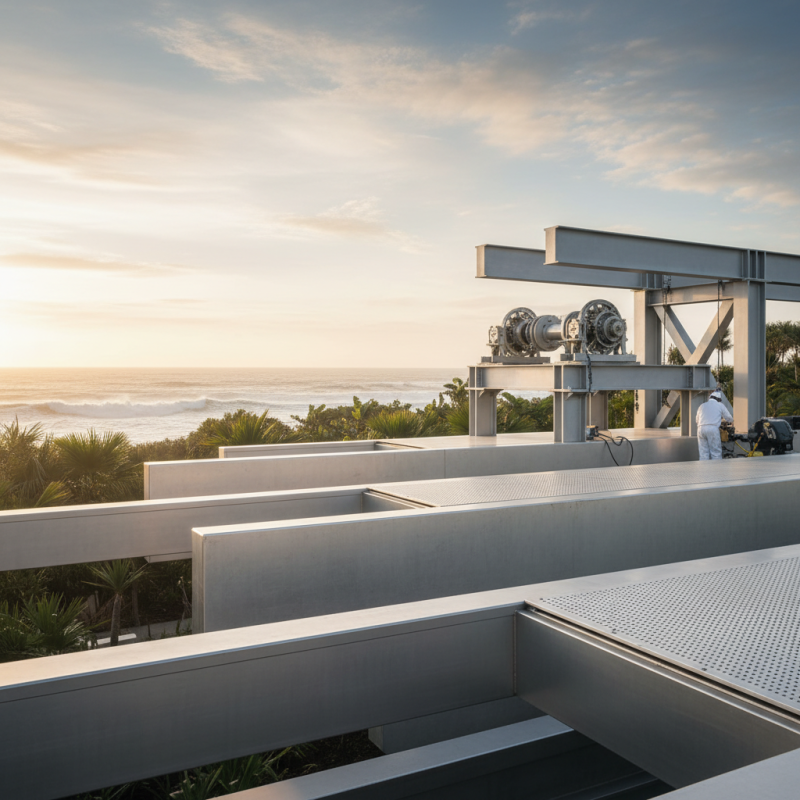
Corrosion resistance is another critical aspect. The presence of saltwater can accelerate aluminium degradation. In coastal areas, protective coatings can enhance durability. Interestingly, a report from the International Aluminium Institute states that properly treated aluminium exhibits a lifespan exceeding 50 years, making it suitable for various applications.
Manufacturing processes impact lifespan as well. The quality of alloying elements can determine structural integrity. A well-crafted aluminium product withstands wear and tear better than a poorly made one. Additionally, improper handling during installation can lead to future failures. Industry surveys indicate a need for training workers in the correct installation techniques to prolong lifespan.
What is the Lifespan of Aluminium Materials for Buyers? - Factors Influencing the Lifespan of Aluminium Materials
| Factors |
Lifespan (Years) |
Description |
| Environmental Conditions |
15-25 |
Exposure to moisture, temperature changes, and pollutants can affect corrosion rates. |
| Alloy Type |
20-50 |
Different alloys have varying resistance to corrosion and wear, impacting lifespan. |
| Coating Quality |
10-30 |
High-quality coatings can enhance resistance to environmental damage. |
| Maintenance Practices |
20-40 |
Regular cleaning and inspections can significantly extend lifespan. |
| Structural Design |
15-35 |
Design that minimizes stress and allows for drainage can reduce failure risk. |
Typical Lifespan of Aluminium in Various Applications
Aluminium materials are popular in various applications due to their lightweight and strong nature. The lifespan of aluminium can vary significantly depending on the environment and usage. For instance, in construction, aluminium can last 30 to 50 years. However, exposure to moisture can lead to corrosion, shortening its lifespan.
In the automotive industry, aluminium components can endure around 10 to 15 years of rigorous use. Regular maintenance, such as cleaning and inspections, can extend their life. Meanwhile, in aerospace applications, aluminium is tested to withstand several decades when properly treated and coated.
Tips: Always consider the specific environment where aluminium will be used. If installations are near the ocean, protective coatings can enhance durability. Regular checks for signs of wear and tear can prevent costly replacements down the road. Remember, not all aluminium is equal; thickness and alloy composition play a significant role in longevity.
Maintenance Practices to Extend Aluminium Lifespan
Maintenance is crucial for extending the lifespan of aluminium materials. Regular cleaning helps prevent corrosion. Simple soap and water can remove dirt and grime effectively. For tougher stains or oxidation, a gentle scrub with baking soda may work. Rinse well after cleaning to keep surfaces pristine.
Another key practice is applying protective coatings. These coatings act as a barrier against environmental elements. They can enhance durability and maintain the material's appearance. Over time, reapplication may be necessary. Skipping this step could lead to discoloration or deterioration.
Inspecting aluminium regularly is essential. Look for any signs of wear, scratches, or dents. Addressing minor issues early can prevent larger problems later. Be aware that exposure to harsh conditions may reduce lifespan. Therefore, take steps to shield aluminium installations from extreme weather whenever possible.
Recycling and Environmental Impact of Aluminium Materials
Aluminium is a widely used material with a significant environmental footprint. The recycling process for aluminium requires only 5% of the energy needed to produce new aluminium. This stark difference highlights the potential for reducing energy consumption and greenhouse gas emissions. By recycling, we can conserve natural resources. Yet, the reality is that not enough aluminium is recycled globally. Many consumers still throw away aluminium items instead of recycling them.
The environmental impact of aluminium production extends beyond energy use. Bauxite mining, the primary source of aluminium, can lead to deforestation and biodiversity loss. This unsustainable practice disrupts ecosystems. Additionally, improper disposal of aluminium products can result in soil and water contamination. Reflecting on these issues is crucial. We must consider our choices and their long-term effects on our planet.
Promoting aluminium recycling can lead to significant environmental benefits. However, awareness and education are necessary. People need to understand the value of recycling. Many still view it as an inconvenient task. This perception must change for the environment's sake. Tackling these challenges collectively can enhance the sustainability of aluminium materials and protect our ecosystems.
FAQS
: Aluminium is lightweight, strong, and resistant to corrosion. These traits make it suitable for various industries.
Aluminium can last several decades with proper care. Environmental exposure can affect its lifespan significantly.
Factors include environmental exposure, such as moisture and saltwater, which can lead to corrosion over time.
No, some alloys like 7075 are strong but less corrosion-resistant. Choosing the right type is vital.
Regular maintenance, such as cleaning and inspections, can extend the lifespan of aluminium products significantly.
Aluminium production can lead to deforestation and biodiversity loss. This disrupts delicate ecosystems.
Recycling uses only 5% of the energy needed for new aluminium production. It conserves resources and reduces emissions.
Many consumers still discard aluminium items instead of recycling them. Education on its value is crucial.
Moisture can lead to corrosion, shortening the lifespan of aluminium in various applications.
Increased awareness can change perceptions of recycling from inconvenience to essential practice for sustainability.
Conclusion
The article "What is the Lifespan of Aluminium Materials for Buyers?" delves into the various aspects that determine the longevity of aluminium materials. It begins with an overview of different types of aluminium and their inherent properties, which play a crucial role in lifespan. Factors such as environmental conditions, usage patterns, and treatment processes are explored for their influence on durability.
Typically, the lifespan of aluminium varies across applications, from construction and packaging to transportation. To maximize longevity, maintenance practices are recommended, ensuring that the aluminium is protected from corrosion and wear. Additionally, the recycling aspect highlights aluminium's sustainability, emphasizing its minimal environmental impact when properly managed. Overall, understanding what is the lifespan of aluminium materials can aid buyers in making informed decisions.

 Cellar Aluminum