Aluminium materials are at the forefront of innovation today. Industries are increasingly focused on sustainability and performance. As demands evolve, so do the materials used. This raises a crucial question: what are the latest trends in aluminium materials?
One significant trend is the push for lightweight alternatives. Companies seek ways to reduce weight without sacrificing strength. Another notable change is the increased use of recycled aluminium. This shift not only benefits the environment but also offers cost savings. Companies are finding that eco-friendly practices resonate with consumers.
Additionally, advancements in fabrication techniques are reshaping how aluminium is used. Additive manufacturing, for instance, allows for custom designs and intricate structures. Yet, the industry faces challenges in scaling these innovations. As trends evolve, experts continue to assess their reliability and impact. These developments spark critical reflection on the future of aluminium materials and their potential.
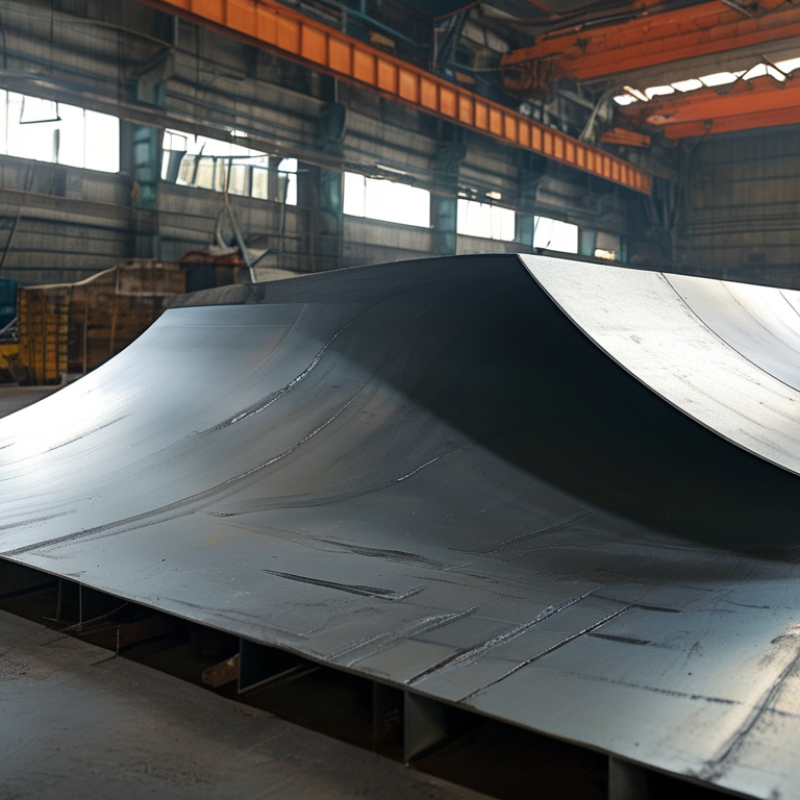
The realm of aluminium alloys is witnessing exciting changes. Emerging lightweight alloys are making waves in various industries. These innovations focus on enhancing strength while minimizing weight. This combination is crucial for sectors like aerospace and automotive. Manufacturers are seeking materials that provide durability without the hefty burden.
Recent developments include the incorporation of elements such as lithium and magnesium. These additions create alloys that boast improved mechanical properties. As a result, engineers can design more efficient structures. For instance, an aircraft that is lighter can enhance fuel efficiency. Yet, challenges remain in ensuring these materials meet stringent safety and performance standards.
Despite the advancements, the production process is not flawless. Many new alloys face issues related to cost and scalability. Balancing performance with affordability is a complex task. Researchers stress the importance of ongoing testing and feedback loops. This is necessary to refine the properties and usability of these alloys in real-world applications. The journey of innovation in aluminium composition is a continuous one, requiring careful examination and adaptation.
Sustainable production techniques for aluminium materials are gaining traction in various industries. The use of renewable energy sources is pivotal in this trend. Solar and wind energy are often harnessed in aluminium smelting processes. This reduces carbon emissions significantly. Many companies are now shifting their production methods to align with environmental goals.
Another notable technique is recycling. Aluminium has a unique property; it can be recycled indefinitely without losing quality. Implementing efficient recycling systems can save energy and reduce waste. Recycling aluminium requires only 5% of the energy needed for new production. This approach is already proving to be economically beneficial as well.
Some challenges remain, however. The infrastructure for recycling is still underdeveloped in many regions. Educating consumers and industries about the benefits of recycling aluminium is crucial. Additionally, ensuring that recycled material meets stringent quality standards poses a hurdle. Despite these issues, the move toward sustainable aluminium production is essential for reducing our environmental footprint.
Advanced coating technologies are transforming the aluminium industry. These innovations are crucial for enhancing the durability of aluminium products. They provide better resistance against corrosion, wear, and harsh environments. The application of advanced coatings often involves sophisticated processes. These processes include electroplating, powder coating, and anodizing, each tailored to meet specific needs.
The durability offered by these coatings is significant. For example, a properly coated aluminium surface can resist scratches and impacts. Such improvements lead to longer lifespans for various aluminium applications. However, not all coatings perform equally. Some methods may not yield the expected adhesion or protection, leading to failures in critical uses. Careful selection and application are essential.
Exploration of newer materials often reveals unexpected outcomes. The interaction between coatings and base aluminium can be complex. Researchers are continuously seeking ways to optimize these interactions. This ongoing quest helps industry professionals understand potential failures. Staying aware of these advancements allows for better design and application strategies in the aluminium sector.
This bar chart illustrates the popularity of the latest trends in aluminium materials, showcasing key aspects such as lightweight alloys, corrosion resistance, and recyclability. Each trend reflects the growing demand and technological advancements in the aluminium industry.
Aluminium is celebrated for its recyclability. This metal can be recycled endlessly without losing quality. As industries shift towards sustainability, the demand for recycled aluminium has surged. In fact, recycling aluminium saves up to 95% of the energy needed to produce new aluminium.
The circular economy of aluminium is evolving. Many companies are focusing on closed-loop systems, where aluminium products are recycled into new ones. This reduces waste significantly. However, challenges remain. Not all aluminium products are easy to recycle. Contamination and sorting issues can hinder efficient recycling processes.
Despite these challenges, advancements are being made. Innovations in recycling technology are improving efficiency. Some recycling facilities now use automated sorting systems. This can decrease contamination rates. Education on proper recycling practices is also crucial. Consumers often lack awareness of how to recycle aluminium effectively. Addressing these gaps can enhance the circular economy model for aluminium.
Aluminium is revolutionizing the aerospace and automotive industries. Lightweight yet strong, it's an ideal choice for advanced applications. In aerospace, aluminium reduces weight, enhancing fuel efficiency. Aircraft manufacturers increasingly utilize aluminium alloys for wings and fuselage structures. This trend helps meet environmental standards by lowering carbon emissions.
For the automotive sector, aluminium is becoming a key material in electric vehicles. Its use supports battery efficiency and improves range. Automakers are designing bodies and frames with aluminium to enhance performance. This shift requires engineers to adapt designs, focusing on sustainability.
**Tip:** Consider the recycling potential of aluminium. It can be reused with minimal energy, making it a sustainable choice for future applications.
Navigating aluminium's properties can be tricky. Understanding the right alloy for specific applications is essential. Engineers must balance strength and weight while ensuring cost-effectiveness. Continuous learning is vital, as materials technology evolves rapidly.
**Tip:** Stay updated on aluminium innovations. Attend industry conferences or read relevant journals to keep pace with trends.
| Trend | Description | Application Areas | Benefits |
|---|---|---|---|
| High-strength alloys | Development of new high-strength aluminium alloys for enhanced performance. | Aerospace components, automotive frames | Improved weight-to-strength ratio, increased durability. |
| Recyclable materials | Focus on using recycled aluminium to reduce environmental impact. | Car manufacturing, aircraft production | Lower carbon footprint, sustainable sourcing. |
| Advanced coatings | Innovative coatings for improved corrosion resistance and aesthetics. | Exterior automotive parts, aircraft surfaces | Extended lifespan, reduced maintenance. |
| Aluminium lithium alloys | Use of lithium to reduce density in aluminium alloys. | Aerospace structures, high-performance vehicles | Weight savings, improved fuel efficiency. |
| 3D printing with aluminium | Adoption of additive manufacturing techniques for aluminium parts. | Custom aerospace components, prototypes | Design flexibility, reduced waste. |
| Thermal management | Enhanced thermal conductivity aluminium for electronics cooling. | Electric vehicles, aerospace electronics | Improved performance, extended component life. |
| Aluminium foam | Lightweight aluminium foam structures for energy absorption. | Crash protection in vehicles, aerospace | Enhanced safety, reduced weight. |
| Composite materials | Integration of aluminium with polymers and other materials. | Hybrid vehicles, advanced aerospace | Superior mechanical properties, weight reduction. |
| Self-healing materials | Research into aluminium materials that can repair damage autonomously. | Long-term aerospace applications, automotive | Increased durability, reduced repair costs. |
: Emerging lightweight alloys are new materials designed to enhance strength while minimizing weight for various industries.
Lightweight alloys help create airplanes that are more fuel-efficient due to reduced weight.
Elements such as lithium and magnesium are added to improve the mechanical properties of aluminium alloys.
Challenges include high production costs and scalability issues that affect broader adoption.
Recycling aluminium significantly reduces energy usage and waste while maintaining the material's quality.
Recycling aluminium requires only about 5% of the energy needed for new production.
Ongoing testing helps refine properties and ensures that alloys meet safety and performance standards.
Sustainable production techniques decrease carbon emissions by using renewable energy sources like solar and wind.
The recycling infrastructure is underdeveloped in many areas, limiting efficient recycling practices.
Some believe recycled aluminium lacks quality, but it can be recycled indefinitely without losing its integrity.
In recent years, the aluminium industry has witnessed significant advancements, leading to the emergence of several innovative trends. One major focus has been on developing lightweight alloys through novel compositions, which enhances performance while reducing weight in applications such as aerospace and automotive sectors. Sustainable production techniques are also gaining traction, aiming to minimize environmental impact and promote eco-friendly manufacturing processes.
Additionally, advanced coating technologies have emerged, enhancing the durability and longevity of aluminium materials, which is crucial for various applications. The recycling of aluminium has become a cornerstone of a circular economy, as industry leaders adopt practices that prioritize recyclability and resource conservation. In summary, when exploring what are the latest trends in aluminium materials, it becomes evident that innovation, sustainability, and durability are at the forefront of industry developments.

Cellar Aluminum