How to Bend Aluminium Sheet Without Cracking

Time:2026-09-09 Author:Sienna
0%

Learning how to bend aluminium sheet without cracking starts with understanding the metal, not forcing it into shape. Aluminium alloys behave differently under pressure. A soft 5052 sheet may bend smoothly, while a harder 6061-T6 sheet can split along the outside radius. Temper, thickness, grain direction, and bend radius all influence the result.

In practical workshop work, I inspect the sheet before touching the brake. Scratches, sharp notches, and uneven edges can become crack starters. I also check the supplier’s alloy and temper information. When details are unclear, I test a small offcut first. That simple step often prevents wasted material. It is not exciting, but it works.

The right tooling matters. A rounded punch and a generous die opening reduce concentrated stress. Bending across the grain is often safer than bending with it, although the exact result depends on the alloy and forming direction. Clean surfaces also help reveal early damage. Bend slowly, watch the outer surface, and stop if a pale line appears. Do not chase a perfect angle in one aggressive movement. Small adjustments are safer.

This guide explains how to bend aluminium sheet without cracking through material selection, preparation, tooling, bend-radius control, and practical testing. It also addresses common mistakes, including bending hardened sheet too tightly or ignoring springback. Some workshop advice conflicts, and no single method fits every alloy. That uncertainty deserves attention. Always confirm critical dimensions and forming limits with the material supplier or a qualified fabricator. Hands-on experience helps, but careful verification protects both the workpiece and the final result.
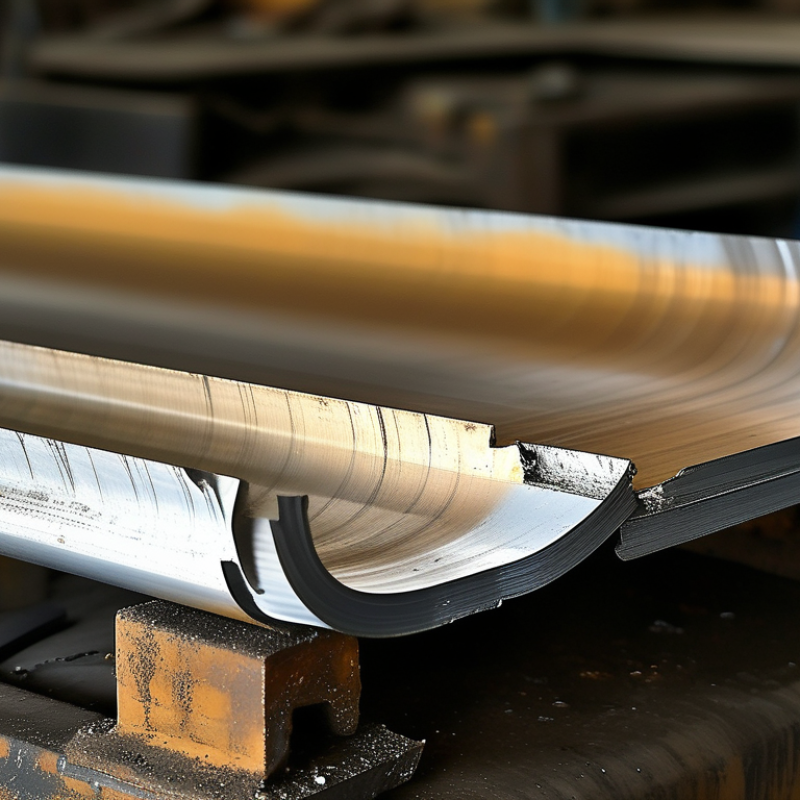
How to Bend Aluminium Sheet Without Cracking

Understanding Aluminium Alloy Behavior During Bending

How to Bend Aluminium Sheet Without Cracking

Understanding Aluminium Alloy Behavior During Bending

Aluminium does not bend as one uniform material. Alloy, temper, thickness, grain direction, and forming speed all change the result. Technical tables in The Aluminum Association’s Aluminum Standards and Data show substantial differences in elongation between common sheet alloys. Softer 3xxx and 5xxx tempers generally tolerate tighter bends than hardened 6xxx sheet. Temper matters greatly.

A 5052-H32 sheet often provides better forming reliability than 6061-T6. The latter can crack along the outer bend surface when the inside radius is too small. ASM Handbook guidance links cracking risk to reduced ductility and local tensile strain. In practice, I inspect the rolling direction before bending. Bending across the grain usually offers better resistance to cracking. Not always, though.

Keep the punch radius practical, not merely convenient. For many aluminium sheets, a radius near one to two times the thickness is a safer starting point. Exact limits depend on alloy and temper data from ASTM B209 material specifications. Springback also increases with stronger tempers. A test coupon helps reveal the real angle.

A clean edge matters. Tiny notches can become visible cracks. Deburr cut edges before forming. I once trusted a calculated radius and ignored a rough sheared edge. The bend failed early. That mistake still influences my inspection routine. Form slowly, check the first part, and record the actual radius, grain direction, and final angle.

Selecting the Right Sheet Thickness, Temper, and Bend Radius

How to Bend Aluminium Sheet Without Cracking

Selecting the right sheet thickness, temper, and bend radius starts with the alloy’s forming behavior. Thin aluminium sheet may bend easily, but it can also distort near holes and edges. Thicker sheet needs greater force and usually a larger inside radius. Thickness alone does not predict cracking. Alloy and temper matter just as much.

Soft, annealed sheet is generally the safest choice for tight bends. Harder tempers offer higher strength, but they tolerate less stretching at the outer bend surface. I normally check the material certificate before forming. If the temper is unknown, I test a small coupon first. A 90-degree trial bend reveals more than a quick visual inspection. Leave extra material around punched holes, because cracks often begin there.

The inside bend radius should suit both thickness and temper. A useful starting point is a radius equal to the sheet thickness, then increase it for harder material or sharper angles. Bend across the grain when the supplier’s guidance allows it; bending parallel to the grain can raise cracking risk. Watch the bend line under bright light. Fine white marks are an early warning. I once trusted a familiar setting and produced a clean-looking bend that split during assembly. The lesson was uncomfortable: springback and cracking must be checked after forming, not assumed beforehand. Keep tooling clean, support the sheet evenly, and record the successful radius for repeat work.

How to Bend Aluminium Sheet Without Cracking: Selecting the Right Sheet Thickness, Temper, and Bend Radius
Aluminium Alloy and Temper Typical Sheet Thickness Relative Formability Recommended Minimum Inside Bend Radius Suitable Bend Approach Cracking Risk and Practical Guidance
3003-H14 0.8–3.0 mm Good 0.5–1.0 × thickness Air bending or bottoming with a suitable die opening Generally easy to form. Use a larger radius as thickness increases or when the bend runs across the rolling direction.
5052-H32 0.8–6.0 mm Good to very good 1.0–2.0 × thickness Air bending is preferred for general fabrication Reliable for brackets, enclosures, and tanks. Avoid sharp tooling, scratches, and repeated rebending at the same location.
5052-O 1.0–6.0 mm Excellent 0.5–1.0 × thickness Suitable for tighter bends and complex shapes Annealed material has substantially better ductility than H32. It may be heat-treated or naturally strengthened later only when the design permits.
6061-T6 1.0–6.0 mm Fair to poor 2.0–3.0 × thickness Use a generous radius and controlled air bending High risk of cracking in tight bends. Consider 6061-O or a more formable alloy for forming, then use an approved post-forming heat-treatment process if required.
6061-O 1.0–6.0 mm Good 1.0–2.0 × thickness Air bending with gradual forming More suitable for bending than T6 temper. Final strength and dimensional requirements should be checked after forming.
7075-T6 1.0–4.0 mm Poor 3.0–5.0 × thickness Use only with validated tooling and forming trials Very crack-sensitive in tight bends. Use a larger radius, bend parallel to the rolling direction when appropriate, or specify a more formable temper or alloy.
Aluminium Sheet, Any Alloy Up to 1.0 mm Depends on alloy and temper At least 1.0 × thickness for a conservative starting point Use a sharp, clean punch with adequate die clearance Thin sheet can crease or distort even when it does not crack. Support wide flanges and use test coupons before production.
Aluminium Sheet, Any Alloy 1.0–3.0 mm Depends on alloy and temper 1.0–3.0 × thickness Air bending is usually the safest starting method Increase the radius for harder tempers, transverse bends, visible surface finishes, or parts with a high crack-consequence requirement.
Aluminium Sheet, Any Alloy Over 3.0 mm Depends on alloy and temper 2.0–5.0 × thickness Use a wider die opening and verify press-brake capacity Thicker material requires higher forming force and is less forgiving of edge damage. Deburr cut edges and inspect the outside of the bend.
Important reference note: Bend-radius values are practical starting guidelines, not universal limits. The actual minimum radius depends on alloy chemistry, temper, thickness tolerance, rolling direction, grain structure, edge condition, tooling, bend method, and surface finish. Always validate the selected radius with a representative trial piece and inspect the outside tension surface for cracks.

Preparing Tools, Materials, and the Aluminium Sheet

Bending aluminium sheet without cracking begins with careful preparation. I usually identify the alloy, thickness, and temper before touching the sheet. Soft aluminium bends more easily than hardened or heavily worked material. Grain direction also matters, although it is not always visible. When possible, bend across the grain rather than directly along it.

Prepare a clean workbench, a steel ruler, a fine marker, clamps, and a non-marring vise. Keep a rubber or plastic mallet nearby. Use smooth tools only. Small scratches can become crack starters. Wear cut-resistant gloves and eye protection, because sheet edges are surprisingly sharp. Remove protective film only when necessary, and wipe away oil, dust, and metal chips. Measure the bend line twice. A small error can ruin the final fit.

The inside bend radius deserves attention. A tight corner increases the risk of splitting, especially with thicker or harder sheet. Make a simple test bend from a leftover piece first. It may feel wasteful. It is cheaper than damaging the finished panel. I once marked a line from the wrong reference edge, and the bend was accurate but useless. That mistake changed my habit: I now label the inside face, outside face, bend line, and allowance before clamping. Avoid hammering aggressively. Controlled pressure produces a cleaner curve and less surface damage.

How to Bend Aluminium Sheet Without Cracking

Preparing the correct tools, material, and sheet condition is essential before bending aluminium. The chart shows typical starting values for the minimum inside bend radius, expressed as a multiple of sheet thickness. Softer alloys generally allow tighter bends, while harder tempers require a larger radius to reduce cracking.

Practical starting guidelines: 3003-H14 ≈ 1.0× thickness, 5052-H32 ≈ 1.5× thickness, and 6061-T6 ≈ 3.0× thickness. Actual limits vary with sheet thickness, grain direction, tooling, and bend angle; always verify with a test piece.

Bending Aluminium Sheet Step by Step Without Surface Damage

How to Bend Aluminium Sheet Without Cracking

Bending aluminium sheet safely starts with identifying its alloy and temper. A soft 3003-H14 sheet behaves differently from a harder 6061-T6 sheet. Hard tempers can crack at tight radii, especially across the rolling direction. ASM Handbook guidance recommends selecting the minimum inside radius according to alloy, thickness, and temper, rather than guessing from appearance. I mark the bend line with a non-abrasive pencil, then clean the surface with a mild solvent. Dirt can press into the sheet like tiny stones.

Place the sheet on a smooth, properly aligned die. Use a wide, polished punch with a suitable radius. A protective film or thin plastic layer can reduce scratches, but it may hide early surface damage. Make one controlled bend, not several quick corrections. Springback is normal, so I measure the angle after unloading and adjust the tool slightly.

The International Aluminium Institute reports that recycled aluminium can use about 95% less energy than primary aluminium production. However, recycled content does not guarantee better bendability; temper and processing history still matter. I sometimes expect a clean result and still find a faint crease. That is worth examining.

Tips: Test a small coupon first. Keep the bend radius generous. Bend with the rolling direction when the application allows it. Avoid hammering the flange after forming. Record thickness, alloy, radius, and angle for repeatable work. Surface protection helps, but careful tool alignment matters more.

Inspecting the Bend and Correcting Common Cracking Problems

Inspecting the Bend and Correcting Common Cracking Problems

Cracks usually begin at the outer bend surface, where tensile strain is highest. Inspect the bend under bright, angled light before using magnification. Look for fine white lines, opened grain, or a sharp color change near the tangent points. A crack that catches a fingernail needs rejection, not polishing. ASTM E290 recommends controlled bend testing, while ISO 7438:2020 provides a structured method for evaluating metallic material ductility.

Material condition matters more than many operators expect. ASM Handbook, Volume 14B, lists much tighter forming guidance for hard tempers than soft tempers. As a practical reference, 5052-H32 often accepts an inside radius near one sheet thickness. 6061-T6 may require several thicknesses, depending on thickness and direction. These are not universal limits.

Alloy, grain orientation, tooling, and edge quality can change the result. I have seen a clean-looking edge fail after bending because the shearing burr faced the tension side. That mistake is easy to miss.

Tips: Deburr both edges and inspect them at 10× magnification. Bend across the rolling grain when the drawing permits. Increase the inside radius gradually, rather than forcing a tight bend. Check the actual radius with a gauge. If cracks remain, verify the temper certificate and slow the forming speed. A useful correction may be simple, but guessing is not a process. Even experienced fabricators occasionally blame the tool first.

FAQS

: Why does aluminium sheet crack during bending?

: Cracking depends on alloy, temper, thickness, grain direction, radius, and forming speed. Hard tempers stretch less. Small notches can worsen failure.

Which aluminium temper is easier to bend?

Softer or annealed tempers usually tolerate tighter bends than hardened tempers. A soft 3003 or 5052 sheet may form more reliably than 6061-T6.

What inside radius should I use?

Start with a radius near the sheet thickness. For harder material, increase it to one or two times the thickness. Test before production.

Does grain direction affect bending?

Yes. Grain direction changes cracking resistance and springback. Many applications benefit from bending across the rolling direction. Supplier guidance still matters.

How can I prepare the sheet before bending?

Deburr cut edges and remove dirt with a mild cleaner. Inspect holes, corners, and notches under bright light. Tiny white marks matter.

How should I test an unfamiliar aluminium sheet?

Cut a small coupon from the same material. Make one controlled 90-degree bend, then measure the unloaded angle. A quick test beats guessing.

How can I reduce surface damage?

Use a clean, aligned die and a smooth, polished punch. A thin protective layer can reduce scratches. It may hide early cracks.

What should I do about springback?

Measure the angle after releasing the sheet. Adjust the tool slightly, then test again. I once trusted the setup too quickly. That was a mistake.

Does recycled aluminium bend better?

Recycled content does not automatically improve bendability. Alloy, temper, thickness, and processing history remain more important. Check the actual material.

What records improve repeatable bending?

Record alloy, temper, thickness, grain direction, radius, tool setting, and final angle. Keep the successful coupon nearby. Memory is unreliable.

Conclusion

Learning how to bend aluminium sheet without cracking begins with understanding how alloy type, temper, thickness, and grain direction affect its flexibility. Softer tempers generally tolerate tighter bends, while harder materials require a larger bend radius to reduce stress. Before starting, choose suitable tools, confirm the sheet is clean and free from deep scratches, and prepare a smooth, stable work surface. Accurate measurements and properly aligned bending equipment also help prevent uneven pressure and surface damage.

During the bending process, apply force gradually and support the sheet along the bend line. Avoid sudden impacts, excessive clamping, or forcing the material beyond its recommended radius. After bending, inspect both the inner and outer surfaces for hairline cracks, whitening, dents, or distortion. If problems appear, review the material condition, radius, alignment, and forming speed. Adjusting these factors, or using a more suitable temper or thicker sheet, can produce a cleaner and more reliable bend.

Sienna

Sienna

Sienna is a skilled marketing professional with a deep expertise in our company’s core products and services. With a passion for innovation and detail, she plays a pivotal role in crafting insightful blog posts that not only highlight the unique features of our offerings but also provide valuable......