Finding a reliable aluminium supplier is crucial for any business depending on quality materials. Understanding how to find a reliable aluminium supplier can make a significant difference in product quality and cost-effectiveness. Many factors must be considered, from the supplier's experience to their reputation in the industry.
A dependable supplier should offer not only competitive pricing but also a robust quality assurance process. It is vital to examine their past performance and client feedback. Look for a supplier with a proven track record. This can prevent future setbacks that may arise from subpar materials. Finding a partner with expertise in aluminium sourcing should not be overlooked.
You will face challenges in the selection process. Not all suppliers are created equal. Some may promise much but deliver little. Evaluating their certifications can help in assessing their credibility. Ask for samples to ensure their products meet your standards. Ultimately, conducting thorough research and due diligence is the key. This approach ensures the partnership you choose is both beneficial and long-lasting.
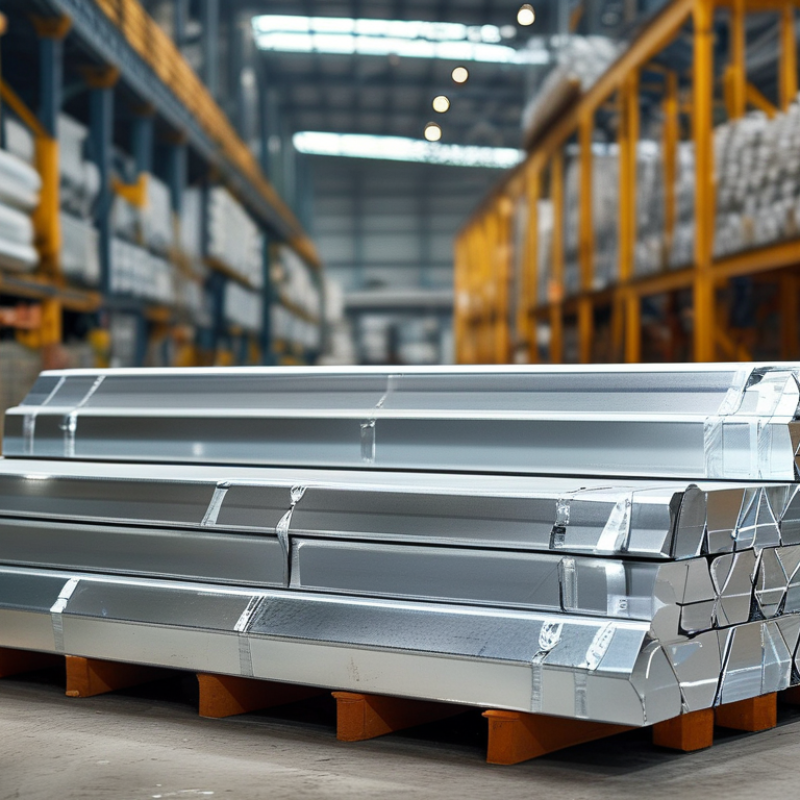
Identifying your specific aluminium needs is crucial. Start by considering the intended use of the aluminium products. Are you building structures or creating components? Each application has different grade requirements. Some projects demand high strength, while others prioritize weight or corrosion resistance. Knowing these factors will guide your search for a supplier.
Next, assess the forms you need. Aluminium is available in sheets, bars, and extrusions. Each form serves unique purposes. For example, sheets are ideal for packaging, while extrusions are better for frameworks. Understanding these distinctions can prevent missteps and reduce costs.
Moreover, weigh your quantity requirements. Are you ordering for a small project or a large-scale production run? Understanding your volume needs helps suppliers provide accurate pricing. Reflect on your budget too; sometimes, quality comes at a higher cost. This reflection can lead to better decision-making. Finding reliability in an aluminium supplier takes time and careful consideration, but these details are essential in ensuring you make a sound choice.
When researching aluminium suppliers, you must focus on their credentials. Start by checking their certifications. Valid qualifications ensure that the supplier adheres to industry standards. Look for ISO certifications, which indicate a commitment to quality. This detail can often reveal how reliable and knowledgeable the supplier is in their field.
Evaluate their experience in the industry. Suppliers with years of experience usually understand customer needs better. They can advise on the best aluminium products for specific projects. Don’t hesitate to ask for case studies or examples of past work. These can provide insights into their capabilities and customer satisfaction levels.
Inquire about their sourcing practices. Trustworthy suppliers should be transparent about where they obtain their materials. This transparency reflects accountability and ethical considerations. Engage in conversations to gauge their response. Some companies may struggle to provide clear answers. That can be a red flag. Your ultimate choice should rely on thorough research, solid credentials, and open communication.
When searching for a reliable aluminium supplier, evaluating product quality is paramount. Certifications and industry standards serve as benchmarks. A report by the Aluminium Association reveals that only 30% of suppliers meet international quality standards consistently. Understanding these certifications is crucial. Look for ISO 9001, which indicates an efficient quality management system. This standard highlights a supplier’s commitment to ongoing improvement.
Moreover, compliance with ASTM (American Society for Testing and Materials) standards showcases material reliability. According to industry surveys, suppliers adhering to ASTM standards report significantly lower rates of product defects. It’s also wise to consider environmental certifications like ISO 14001. They reflect a supplier’s commitment to sustainable practices. However, not all certified suppliers deliver quality. Some may merely use certifications as marketing tactics.
Evaluate past performance carefully. References from previous clients can provide insight. It’s not uncommon to find discrepancies between advertised certifications and actual product quality. Always verify claims with third-party documentation. A transparent supplier will gladly share their compliance records. Trust is built on reliability, and that starts with thorough questioning.
When looking for a reliable aluminium supplier, assessing customer reviews and testimonials is crucial. Positive feedback from previous clients can indicate not only quality but also exceptional service. Look for comments that highlight the supplier's response times and willingness to address issues. Engaging with customers on forums shows suppliers' commitment to transparency.
However, it's essential to be critical of testimonials. Some reviews may be overly positive or fabricated. Genuine reviews often discuss both strengths and weaknesses. Be wary if all feedback seems too good to be true. Seek platforms that verify these reviews. Pay attention to detailed experiences instead of generic praise. A varied selection of reviews can uncover potential red flags.
Additionally, consider the length and detail of the reviews. A comprehensive review with specifics reflects real user experiences. If a review focuses on customer service, infrastructure, or delays, take note. This can offer insights into potential issues. Prioritizing suppliers with consistent, thoughtful feedback can lead to more reliable partnerships. Trustworthy suppliers will inevitably accumulate feedback that reflects their true capabilities.
Establishing clear communication with your aluminium supplier is crucial. Define your service expectations upfront. This sets a professional tone and avoids misunderstandings later. When discussing specifications, use concrete terms. For example, mention sizes, grades, and finishes explicitly. This precision helps in avoiding costly mistakes down the line.
Engage in an open dialogue about delivery timelines. Inquire how they handle delays. A reliable supplier should have a clear plan for unforeseen circumstances. Don't hesitate to ask for references or past performance records. This practice boosts your confidence in their reliability.
Consider conducting regular check-ins during the early stages of the partnership. This fosters a responsive environment where problems can be addressed promptly. Maintaining transparency about your needs and their capabilities strengthens the relationship. A balance of expectations is vital for mutual growth, ensuring that both parties can adapt to changes and challenges.
| Tip Number | Tip Description | Importance Level | Comments |
|---|---|---|---|
| 1 | Research potential suppliers online. | High | Use platforms like industry directories. |
| 2 | Check supplier certifications and standards. | High | Ensure compliance with industry regulations. |
| 3 | Request samples before placing orders. | Medium | Evaluate quality firsthand. |
| 4 | Compare pricing from multiple suppliers. | High | Look for competitive but fair pricing. |
| 5 | Evaluate the supplier's production capacity. | Medium | Ensure they can meet your demand. |
| 6 | Assess customer reviews and testimonials. | High | Gain insight into their reliability. |
| 7 | Engage in direct communication. | High | Clarify expectations and service quality. |
| 8 | Visit the supplier’s facilities if possible. | Medium | Assess operations and practices. |
| 9 | Negotiate payment and delivery terms. | High | Ensure terms are clear and agreeable. |
| 10 | Establish a long-term partnership. | Medium | Focus on building strong relations. |
: Identifying specific needs helps guide product selection based on intended use, strength, weight, or corrosion resistance.
Aluminium is available in sheets, bars, and extrusions. Each form serves unique purposes for different applications.
Knowing your required quantity helps suppliers give accurate pricing. It also assists with budgeting for projects.
Focus on suppliers' credentials, certifications, and industry experience to ensure reliability and quality standards.
Customer reviews indicate quality and service. They provide insights into supplier reliability and past client satisfaction.
Look for detailed feedback discussing both strengths and weaknesses. Be cautious of overly positive or generic reviews.
Trustworthy suppliers should be transparent about material sourcing. This accountability reflects their ethical standards.
Experienced suppliers generally understand customer needs better. They can offer valuable advice for specific projects.
Engage in conversations and assess their willingness to answer questions. Lack of clarity can be a red flag.
Balancing quantity and quality is essential. Sometimes, higher quality can lead to better long-term outcomes despite initial costs.
Finding a reliable aluminium supplier is crucial for any project involving this versatile metal. To begin, it's essential to identify your specific aluminium needs and requirements, as this will guide your search. Once you have a clear understanding of what you need, research potential suppliers to verify their credentials and experience in the industry. Evaluating product quality through relevant certifications and industry standards will help ensure you are making a smart investment.
Additionally, assessing customer reviews and testimonials is vital for establishing trustworthiness with a supplier. It is also important to establish clear communication and service expectations to foster a good working relationship. By following these steps on how to find a reliable aluminium supplier, you can ensure that you choose a partner who meets your quality standards and business needs.

Cellar Aluminum