How to Effectively Recycle Aluminium Sheet Materials for Profit?

Time:2026-06-01 Author:Henry
0%

Recycling aluminium sheet materials offers environmental benefits and potential profits. Many industries overlook this resource. Understanding how to recycle aluminium sheet materials effectively can unlock new revenue streams.

Many businesses discard scrap aluminium sheets, not realizing their value. The recycling process may seem complex but knowing key steps can simplify it. Firstly, sorting and cleaning the materials ensure quality. Each type of aluminium can yield different returns.

Next, collaborating with local recycling facilities is essential. They have the expertise and resources to maximize profit. However, it's crucial to evaluate their credentials and reliability. This may require some research. Ultimately, successful recycling hinges on knowledge and partnership. Embracing this process can create a win-win situation for the environment and your bottom line.
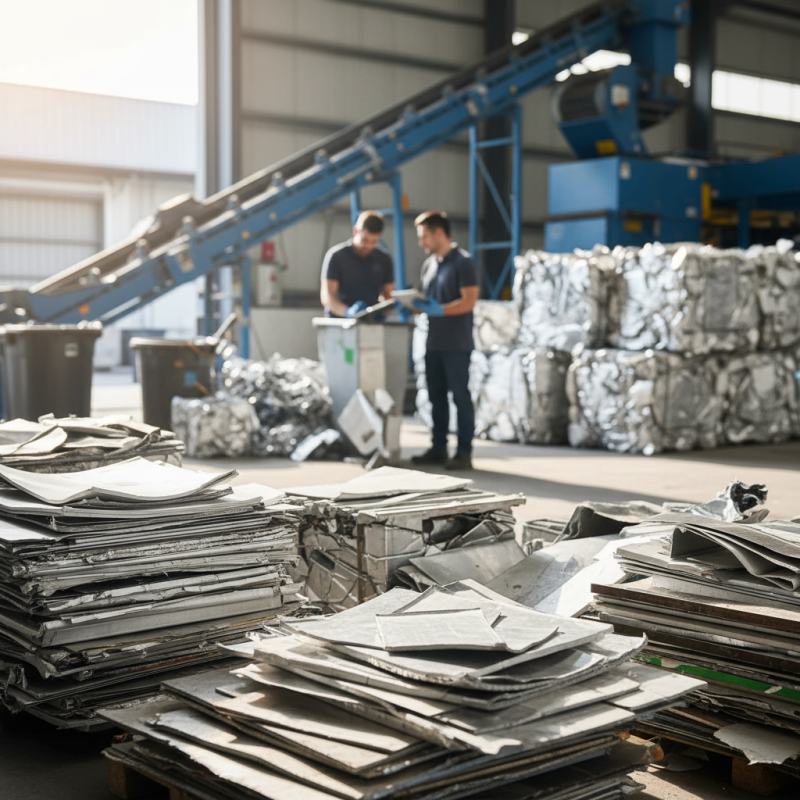
How to Effectively Recycle Aluminium Sheet Materials for Profit?

Understanding the Value of Aluminium Sheet Recycling in the Market

Recycling aluminium sheet materials presents both environmental and economic benefits. The market for aluminium recycling has been growing steadily. Aluminium is lightweight yet strong, making it essential in various industries. Its recyclability allows it to be processed repeatedly without losing quality. This is important for manufacturers and recyclers alike.

The value of aluminium sheet recycling stems from multiple factors. First, recycled aluminium requires significantly less energy to produce than new aluminium. This energy savings translates into lower production costs. Additionally, the demand for aluminium in sectors like automotive and construction continues to rise. Companies are eager to source recycled materials for sustainability goals. Some recyclers might overlook the importance of maintaining quality in the recycling process. Impurities can lower the material's market value.

Raising awareness about aluminium recycling can improve profitability. Individuals and businesses need a deeper understanding of market trends. Engaging in local recycling programs can enhance community involvement. The journey towards better recycling practices needs constant refinement and attention. Emphasizing the value of high-quality recycled aluminium materials will benefit all parties involved.

Identifying Sources for Collecting Aluminium Sheet Materials

When seeking sources for collecting aluminium sheet materials, it's essential to tap into both local businesses and community initiatives. Many manufacturers discard surplus materials during production. Building relationships with factories can yield substantial scraps. Consider visiting fabrication shops and contractors. They often have waste that could be of value to recyclers.

Recycling aluminum sheet materials also involves engaging with construction sites. They frequently discard old scaffolding and partitions made from aluminum. Networking with construction managers can open doors to collection opportunities. Recycling centers may also offer leads on available materials. Always present a clear proposal on how this partnership can benefit them too.

Keep in mind that not every lead will be fruitful. Some businesses might not have surplus or the willingness to share. Occasionally, you might find yourself with excess materials that you cannot process effectively. Reflecting on these experiences can guide your next approach, making your effort more fruitful. Adaptability and perseverance are key in identifying sources for aluminium sheet materials.

Processing Aluminium Sheets: Techniques for Efficient Recycling

Aluminium sheet recycling has gained momentum as industries shift towards sustainability. Efficient processing of these materials plays a crucial role in enhancing recycling profitability. The Global Aluminium Recycling Market Report highlights a staggering 75% of all aluminium ever produced is still in use today. This reflects the potential for utilizing recycled aluminium sheets.

Techniques for processing aluminium sheets are diverse. Shredding, for instance, allows for the quick breakdown of large sheets into manageable pieces. This process reduces space during storage and increases efficiency during melting. According to the Institute of Scrap Recycling Industries (ISRI), the recycling process can save up to 95% of energy when compared to primary aluminium production. However, achieving this requires proper sorting and cleaning of contaminants, which is often overlooked.

Investment in advanced machinery can enhance the recycling process. Laser cutting technology can provide precision, reducing waste significantly. Yet, the sheer cost of these machines may deter smaller operations. As companies pursue higher margins, it’s essential to address the balance between investing in technology and maintaining profitability. Continuous improvement and methodical assessment are vital for optimizing these strategies.

How to Effectively Recycle Aluminium Sheet Materials for Profit?

Material Type Weight per Sheet (kg) Recycling Rate (%) Profit per Sheet ($) Market Demand (Tons/month)
Aluminium 1100 2.5 95 1.20 300
Aluminium 5052 3.0 90 1.50 250
Aluminium 6061 4.0 85 1.80 200
Aluminium 7075 5.0 80 2.00 150

Maximizing Profit: Selling Recycled Aluminium Sheets

Recycling aluminium sheet materials can be a profitable endeavor. The key lies in understanding the market and where to sell your recycled materials. Aluminium sheets are often used in construction, manufacturing, and even artwork. Recognizing the right buyer can significantly enhance your profits.

Tips: Research local recycling centers and scrap yards. Some facilities pay well for sorted loads. Moreover, consider using online marketplaces to connect with buyers. These platforms can help you find customers willing to pay top dollar for high-quality materials.

Sorting and processing your aluminium before selling is crucial. Clean and separate the sheets from other materials. This increases their value and attracts buyers. Be aware that not all buyers may appreciate the effort put into sorting. Some may undervalue well-prepared materials, so this can be a point for negotiation.

Don’t underestimate small quantities. Selling smaller batches might yield less profit but can generate consistent income. It’s essential to stay informed about market trends. Prices for recycled aluminium fluctuate regularly. Keeping track of these changes can lead to better timing in sales and higher profits.

Navigating Regulations and Best Practices in Aluminium Recycling

Navigating the landscape of aluminium recycling requires a clear understanding of regulations. In the United States, the Recycling Partnership reports that only about 50% of aluminium is recycled each year. This presents a significant opportunity for businesses to intervene and optimize their recycling processes.

Regulations vary significantly across regions. For instance, some areas impose strict guidelines on the handling of scrap materials, requiring proper documentation and waste management practices. Compliance is essential to avoid fines and legal issues. Companies should invest in training their staff on local regulations. This minimizes risks and promotes a culture of responsible recycling.

Beyond regulations, best practices enhance profitability. Sorting aluminium by alloy type can dramatically increase its market value. According to the Aluminium Association, recycling one tonne of aluminium saves about 9 tonnes of CO2 emissions. This not only supports sustainability but enhances corporate social responsibility initiatives. In search of profitability, businesses should also consider partnerships with local collection centers. These collaborations can streamline operations and improve overall efficiency, while still adhering to the necessary regulations.

FAQS

: What are the benefits of recycling aluminium sheets?

: Recycling aluminium sheets provides environmental and economic benefits. It conserves energy and reduces production costs.

How does recycling aluminium save energy?

Recycled aluminium requires less energy to produce than new aluminium. This energy efficiency is crucial for manufacturers.

Why is aluminium's recyclability important for industries?

Aluminium can be recycled repeatedly without losing quality. This is vital for sectors that demand durable materials.

What role does quality play in aluminium recycling?

Maintaining high quality is essential. Impurities can decrease the market value of recycled aluminium.

How can community involvement improve aluminium recycling?

Engaging in local recycling programs enhances awareness and participation. This can lead to better recycling practices.

What regulations should businesses be aware of in aluminium recycling?

Regulations differ by region. Proper waste management and documentation are often required to avoid legal issues.

How does sorting aluminium by alloy type affect its value?

Sorting aluminium enhances market value significantly. High-quality, sorted materials fetch better prices.

What is the significance of CO2 savings when recycling aluminium?

Recycling one tonne of aluminium saves about 9 tonnes of CO2 emissions. This supports sustainability efforts.

How can businesses navigate local recycling regulations?

Investing in staff training on regulations minimizes risks and promotes responsible recycling practices.

Why should businesses partner with local collection centers?

Partnerships can streamline operations and improve efficiency while ensuring compliance with regulations.

Conclusion

Recycling aluminium sheet materials is a lucrative opportunity that requires a strategic approach. First, understanding the market value of aluminium sheets is essential for identifying profitable recycling opportunities. Sources for collecting these materials can range from construction sites to local industries, ensuring a steady supply. Processing techniques, such as shredding and melting, play a crucial role in efficient recycling, enhancing the quality and value of the end product.

Maximizing profit involves selling the recycled aluminium sheets to the right buyers, often at higher prices due to the increasing demand for sustainable materials. Additionally, it is vital to navigate the regulations and best practices in aluminium recycling to ensure compliance and maintain a reputable business. By learning how to recycle aluminium sheet materials effectively, individuals and businesses can contribute to environmental sustainability while generating revenue.

Henry

Henry

Henry is a dedicated marketing professional with a profound expertise in the company's offerings. With years of experience in the industry, he possesses an impressive understanding of the market dynamics and consumer behaviors that drive success. Henry is committed to sharing his insights through......