When exploring the world of aluminium products, one often encounters the terms "aluminium plate" and "aluminium sheet." Both are essential materials in various industries, yet they serve different purposes. This article seeks to clarify what is the difference between aluminium plate and sheet.
Aluminium plates are typically thicker, starting from 6 mm or more. Their strength makes them suitable for applications that require durability, such as construction and manufacturing. On the other hand, aluminium sheets are generally thinner, often less than 6 mm, which allows them to be easily shaped and formed. They are commonly used in applications like automotive parts and light structural components.
Understanding these distinctions can significantly influence material selection for projects. However, even experts can find the nuances challenging at times. Factors such as thickness, weight, and intended application should guide choices. This article will delve deeper into the characteristics and uses of these materials, helping you make informed decisions.
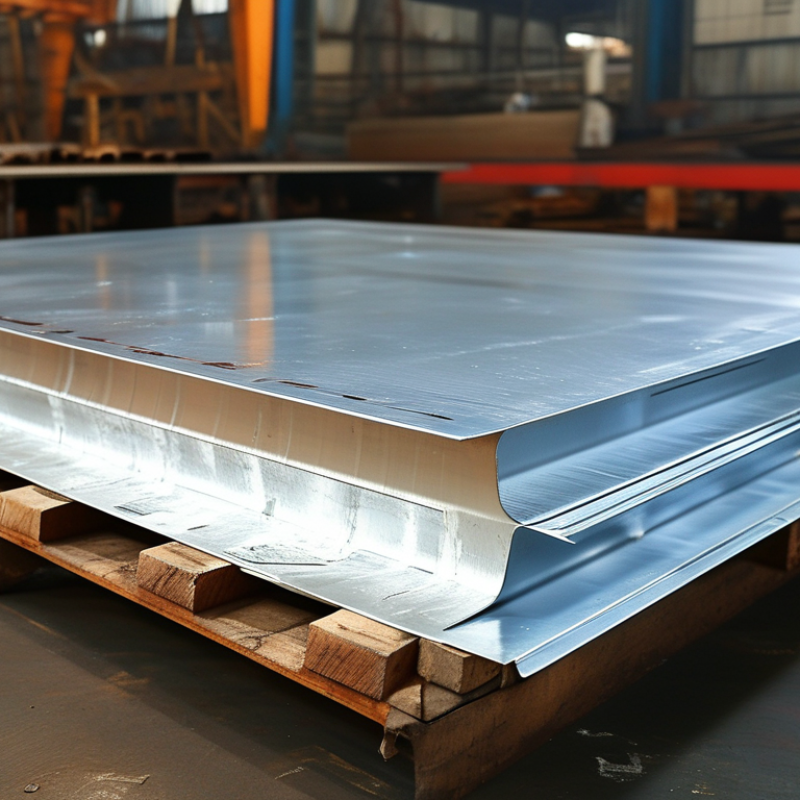
Differences in Thickness: Aluminium Plates vs. Sheets
Aluminium plates and sheets are distinct materials used in various industries. The primary difference lies in their thickness. Aluminium sheets typically have a thickness less than 6mm, while plates are thicker, often exceeding 6mm. This difference significantly influences their applications, performance, and fabrication processes.
When considering which to use, think about your project's needs. For lighter applications, sheets work well. They are easier to cut and shape, making them ideal for crafts and lightweight structures. In contrast, plates offer more strength and durability. They are preferred for heavy-duty applications, like construction and manufacturing processes.
Tip: Always measure the thickness required for your project. Choosing the wrong thickness can lead to structural issues.
While working with these materials, be mindful of their properties. Aluminium sheets can be more flexible but may not withstand heavy loads. Plates are rigid but can be more challenging to work with.
Tip: Evaluate how you will process these materials. Some might need cutting-edge tools for plates, while sheets can often be handled with simpler equipment.
Understanding these differences helps in making informed decisions. Observing your project's demands and material properties is vital for optimal results.
Common Applications of Aluminium Plates and Sheets
Aluminium plates and sheets find numerous applications across various industries due to their unique properties. Engineers and manufacturers often prefer these materials for their lightweight yet sturdy nature. According to a market research report by Grand View Research, the global aluminium sheet market was valued at over $120 billion in 2021, driven by rising demand in transportation and construction sectors.
In construction, aluminium sheets are commonly used for cladding and roofing. Their resistance to corrosion enhances building durability. On the other hand, aluminium plates, with greater thickness, are employed in heavy-duty applications. For instance, aerospace engineers utilize plates for aircraft components, where strength-to-weight ratios are crucial. The automotive industry also benefits, as lighter materials lead to better fuel efficiency.
Tips: When selecting materials, consider the specific environment. Coastal regions may require more corrosion-resistant options. Additionally, ensure proper handling during installation to avoid any inadvertent damage. Remember, choosing the right thickness impacts the overall integrity of your project. Quality should never be compromised for cost savings, as long-term reliability can save resources later.
Difference Between Aluminium Plate and Sheet
This chart compares the differences between aluminium plates and sheets across various dimensions such as thickness, weight, common applications, bending strength, and cost. Aluminium plates typically have greater thickness and strength, while sheets are lighter and more versatile for various applications.
Manufacturing Processes for Aluminium Plates and Sheets
The manufacturing processes for aluminium plates and sheets are pivotal in various industries. Aluminium sheets typically range from 0.2 mm to 6 mm in thickness. Meanwhile, aluminium plates start from 6 mm and can exceed 200 mm. The production methods for both products differ significantly.
For aluminium sheets, common processes include rolling and stamping. Hot rolling is predominant. This method involves heating the metal to high temperatures, allowing it to be shaped more easily. According to industry reports, about 60% of aluminium production is utilized for rolled products. On the other hand, plates are often produced through processes such as CNC machining and precision casting. These techniques provide more control over the final dimensions, which is crucial for industries requiring high precision.
The choice of manufacturing process impacts not only cost but also performance. For instance, sheets exhibit greater flexibility, which can be a benefit in various applications. However, plates provide strength, making them suitable for structural components. The industry grapples with sustainability, aiming to reduce energy consumption during production. As of recent data, approximately 25% of the energy used in production can be attributed to inefficient practices. This statistic highlights a significant area for improvement in the sector.
Mechanical Properties and Strength Comparisons
When comparing aluminium plates and sheets, mechanical properties play a crucial role. An aluminium plate is generally thicker than a sheet, which influences its strength and applications. Plates, often exceeding 6 mm in thickness, exhibit higher tensile strength. For instance, typical tensile strengths for aluminium plates can reach 310 MPa, while sheets commonly range around 200 MPa. This difference often determines their use in industries such as aerospace and construction.
Structural integrity is paramount in these applications. Aluminium plates are ideal for load-bearing structures due to their sturdiness. Conversely, sheets are preferred for lighter applications, like automotive body panels. The flexibility of sheets allows for easy shaping. Reports suggest that the elongation percentage in sheets is typically higher, often around 12-20%, making them more ductile. This leads to discussions about the practical trade-offs between these materials.
In practical terms, the choice between plate and sheet hinges on specific application needs. Engineers need to balance strength with weight considerations. While plates are robust, their added weight may not be suitable for every project. Understanding these nuances is vital for informed material selection. The mechanical properties guide decision-making, ensuring safety and performance in final products.
Difference Between Aluminium Plate and Sheet Explained
| Property |
Aluminium Plate |
Aluminium Sheet |
| Thickness |
More than 6mm |
Up to 6mm |
| Weight |
Heavier due to thickness |
Lighter due to thinness |
| Applications |
Structural applications, automotive parts |
Packaging, decorative use, and general manufacturing |
| Strength |
Higher tensile strength and stiffness |
Lower tensile strength, more malleable |
| Cost |
Generally more expensive |
More cost-effective |
Cost Factors and Economic Implications of Plates vs. Sheets
When comparing the cost of aluminium plates and sheets, multiple factors come into play. The thickness and manufacturing process significantly influence pricing. Aluminium sheets generally cost less per square foot than plates. This is mainly due to their thinner profile and lower material usage. According to the Aluminum Association, prices for sheets can be up to 30% lower than for plates, depending on the grade and temper of the material.
However, it's essential to consider the application. For structural purposes, plates offer superior strength and durability, which can justify their higher price. According to a report by IBISWorld, industries such as aerospace and automotive often prefer plates despite the cost. This is due to their unique requirements for strength and performance. The initial investment in plates can lead to lesser maintenance costs and longer lifespan, making them cost-effective in the long run.
In contrast, sheets are more suitable for lighter applications. Cost-effectiveness becomes a double-edged sword here. While cheaper, sheets may not hold up under heavy loads as well as plates. Limited applications can lead to increased waste if the wrong type is chosen. Companies must weigh these economic implications carefully before making a procurement decision. Balancing upfront costs against long-term performance is vital.
FAQS
: Aluminium sheets range from 0.2 mm to 6 mm, while plates start at 6 mm and can exceed 200 mm.
Aluminium sheets are typically produced using rolling and stamping, with hot rolling being the main method.
Thicker aluminium plates exhibit higher tensile strength, reaching 310 MPa, while sheets average around 200 MPa.
Aluminium sheets are preferred for lighter applications, such as automotive body panels, due to their flexibility.
Aluminium plates are sturdier, making them ideal for load-bearing structures in industries like aerospace and construction.
Aluminium sheets generally cost less, around 30% lower per square foot than plates, influenced by thickness and production process.
Although plates are pricier, their strength can reduce maintenance costs and extend lifespan, potentially being more cost-effective overall.
While cheaper, sheets may not withstand heavy loads like plates, leading to increased waste if misapplied.
Approximately 25% of energy used in aluminium production comes from inefficient practices, highlighting areas for improvement.
Knowing the mechanical properties helps engineers balance strength and weight, ensuring safety and performance in applications.
Conclusion
In exploring the question of "what is the difference between aluminium plate and sheet," it’s crucial to begin with their thickness. Aluminium plates are typically thicker than sheets, with plates generally measuring over 6mm, while sheets are thinner, usually less than 6mm. This difference in thickness directly influences their applications; sheets are often used for lightweight structures and packaging, while plates are common in heavier-duty applications like structural components and industrial equipment.
The manufacturing processes for both forms vary, affecting their mechanical properties and strength. Plates may undergo processes that enhance their durability, leading to increased strength compared to sheets. Additionally, there are cost factors to consider; plates tend to be more expensive due to their thicker nature and the manufacturing processes involved. Understanding these distinctions is key for industries selecting the right material for their specific needs.

 Cellar Aluminum