Cutting aluminum sheets can seem daunting, but it is a skill that can be mastered with the right techniques. Knowing how to cut aluminium sheet properly ensures precision and efficiency. Many enthusiasts face challenges in achieving clean edges or the right dimensions. Mistakes can lead to wasted materials and frustration, so understanding the right tools and methods is essential.
No matter your experience level, there are key principles to follow. Using the correct equipment, like a suitable saw or cutter, is crucial. Additionally, preparation is vital. Marking your cuts accurately can save time and minimize errors. It is important to remember that haste often leads to regret. Reflecting on previous projects may highlight areas for improvement.
Safety should never be overlooked. Protective gear is essential when working with metal. Sharp edges can cause injuries if not handled properly. Staying mindful of these details will enhance your cutting experience. By learning how to cut aluminium sheet properly, you equip yourself with the knowledge to achieve outstanding results and avoid common pitfalls.
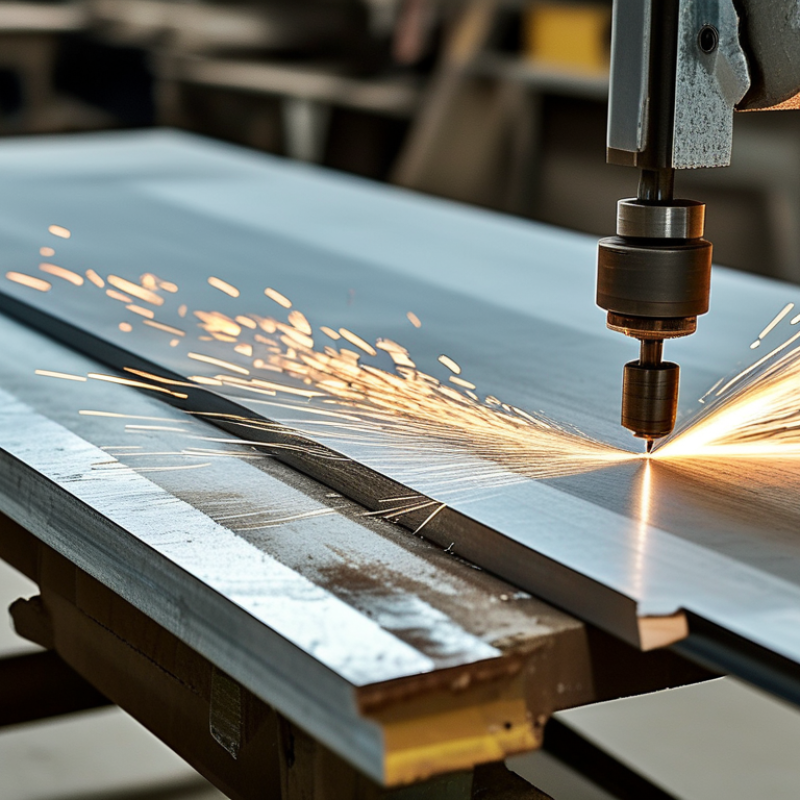
Cutting aluminium sheets requires precision and the right tools. A common choice for this task is a circular saw. It provides clean edges and is efficient for larger projects. Reports indicate that using carbide-tipped blades with appropriate teeth count greatly enhances cut quality. A blade with 80-100 teeth is often recommended for aluminium. This ensures a smooth finish and reduces the risk of burr formation.
Another effective tool is the jigsaw, which is suitable for intricate cuts. Jigsaws are versatile, but selecting the right blade is critical. Bi-metal blades work best for aluminium, achieving both speed and accuracy. Industry studies suggest that using a lubricant during cutting can prolong the blade's life and improve performance. It’s important to keep in mind that improper tool selection can lead to jagged edges and wasted materials.
When preparing to cut, measuring accurately is essential. Even minor errors can result in flawed pieces. Many professionals argue that cutting aluminium sheets is as much about technique as it is about tools. Practicing proper setup and technique can prevent costly mistakes. Adjusting techniques based on the sheet's thickness and alloy type can further enhance results. Reflecting on past projects can provide insights for better performance in future tasks.
| Tool Type | Recommended Size | Material Compatibility | Cutting Technique | Safety Tips |
|---|---|---|---|---|
| Tin Snips | 10" to 12" | Thin Sheets (up to 1/16") | Freehand Cutting | Wear gloves, avoid sharp edges |
| Circular Saw | 7-1/4" | Thick Sheets (up to 1/2") | Straight Cuts with Guide | Use eye protection, secure the workpiece |
| Jigsaw | Variable Blade Sizes | Sheets of Varying Thickness | Curve or Straight Cuts | Keep hands clear of blade, secure the sheet |
| Laser Cutter | Depends on Model | All Thicknesses | Precision Cutting | Use in well-ventilated area, safety goggles required |
| Angle Grinder | 4-1/2" to 7" | Thick Aluminium | Heavy Cutting | Protective gear required, stable base needed |
: A circular saw is common for larger projects. Jigsaws are great for intricate cuts.
Using a carbide-tipped blade with 80-100 teeth improves finish and reduces burrs.
Small errors can lead to flawed pieces and increased waste. Precision is key.
Using a saw guide provides a straight edge and minimizes cutting deviation.
Yes, factors like feeding speed and lack of support can create rough edges.
Ensure tools are sharp and suitable for aluminium to enhance cut quality.
Reflecting on past projects helps improve techniques over time and avoid mistakes.
Occasionally producing jagged edges due to inconsistent feeding or support.
Yes, using lubricant can prolong blade life and improve cutting performance.
Regular reflection on imperfections can help develop better methods in aluminium fabrication.
Cutting aluminium sheets can be a straightforward process when you know how to cut aluminium sheet properly. The process begins with selecting the right tools, such as saws or shears designed specifically for metal. Ensuring your work area is well-prepared helps facilitate smoother cutting, which involves securing the aluminium sheet firmly to prevent any movement during the process.
For straight cuts, techniques such as using a straight edge or a guide will yield clean results, while curved cuts can be achieved with specialized tools or methods that maintain the integrity of the material. Always remember to prioritize safety precautions, including wearing protective gear and ensuring good ventilation, to prevent accidents and injuries when cutting aluminium sheets.

 Cellar Aluminum