Common Defects in Aluminium Processing You Need to Know?

Time:2026-06-16 Author:Madeline
0%

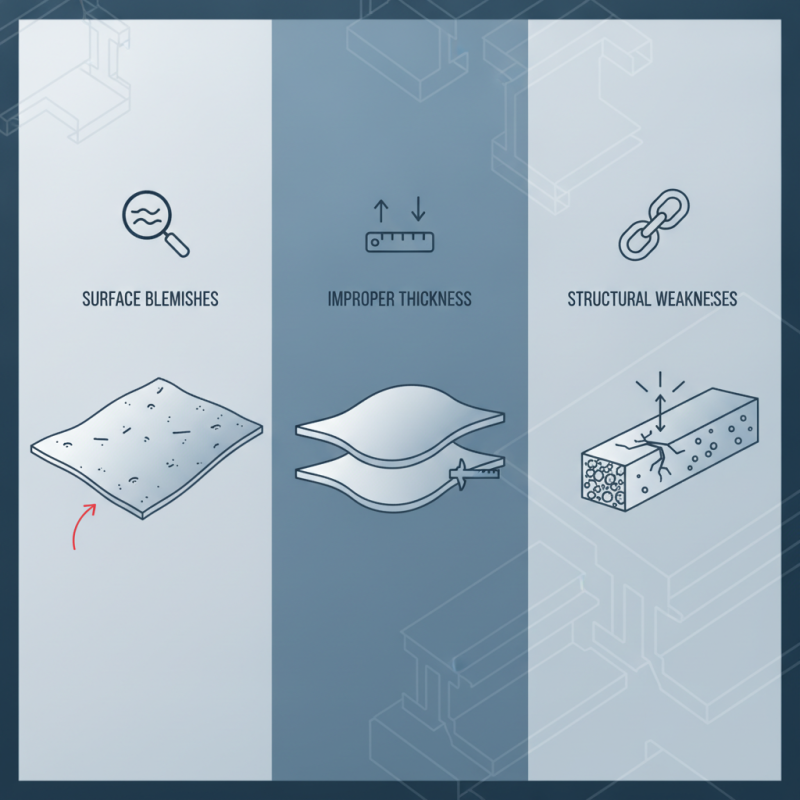
Aluminium processing is vital across various industries, but defects can undermine product quality. Understanding what are common defects in aluminium processing is crucial for manufacturers and engineers. Issues like surface blemishes, improper thickness, and structural weaknesses can lead to significant production losses.

If not addressed, these flaws can affect performance and safety. For instance, surface imperfections may result in reduced corrosion resistance. Similarly, inconsistency in thickness can lead to difficulties during manufacturing or assembly. These defects often stem from inadequate techniques or poor material selection.

Recognizing these common defects allows for proactive measures. This knowledge equips professionals to refine their processes and improve outcomes. Ultimately, a focus on quality can elevate the entire production chain, ensuring reliability and customer satisfaction in aluminium products.
Common Defects in Aluminium Processing You Need to Know?

Common Types of Defects in Aluminium Processing: An Overview

Aluminium processing is critical in various industries. Understanding the common defects in this field can help improve product quality. Data from the Aluminum Association indicates that nearly 30% of processed aluminium suffers from defects that can compromise performance.


One prevalent issue is surface imperfections. These include scratches, dents, and discoloration. Such flaws often arise during handling or processing. According to a report by the International Aluminium Institute, over 15% of defects reported are related to surface quality. These imperfections can lead to structural weaknesses and reduced aesthetic appeal.


Another significant defect category involves dimensional inaccuracies. These can result from improper machining or miscalculations in design. Research from industry experts shows that around 20% of aluminium components fail to meet required specifications. This can delay production and increase costs. Addressing these defects warrants attention to detail in every processing stage, from alloy selection to final inspection.

Impact of Temperature Fluctuations on Aluminium Quality During Processing

Temperature fluctuations play a significant role in the quality of aluminum during processing. When temperatures vary unpredictably, they can lead to defects such as warping or grain boundary separation. These issues arise because aluminum requires precise temperature control to maintain its structural integrity. Even small deviations can cause significant quality loss.

Moreover, different phases of processing are especially sensitive to temperature shifts. For example, during melting, too much heat may lead to oxidation, while insufficient heat may leave impurities. Poor temperature management can affect the final outcome, often resulting in materials that do not meet industry standards. Such defects are not always visible until later stages, underscoring the need for careful monitoring.

Efforts to improve temperature stability are ongoing, yet challenges remain. Equipment may not always function as expected, leading to inconsistent results. Operators need to maintain awareness of these potential pitfalls. They should regularly calibrate equipment and adjust settings as needed to ensure optimal conditions. Continuous learning and adaptation are vital in addressing these heating challenges effectively.

Understanding Inclusions: Causes and Effects in Aluminium Manufacturing

Inclusions in aluminium manufacturing refer to unwanted particles embedded in the metal matrix. These inclusions can arise from various sources, including the raw materials used and the processing environment. During melting, reactions between aluminium and contaminants can introduce oxides or carbides. Moreover, improper handling can lead to residues contaminating the metal. Understanding these interactions is vital in preventing inclusions.

The presence of inclusions can significantly affect the mechanical properties of aluminium. They can create stress concentration points, leading to potential failures in usage. Inclusions can also hinder welding processes, causing defects during structural applications. Observing the size, distribution, and type of inclusions is crucial. Practitioners often overlook small-scale impurities, which can result in larger issues down the line.

Identifying and mitigating inclusions requires rigorous quality control. Regular sampling and testing of aluminium batches help in early detection. However, achieving complete purity is nearly impossible. A balance must be struck between cost-effectiveness and stringent quality measures. Continuous education on best practices in the industry is essential for improving outcomes and reducing defects. Each defect presents an opportunity for learning and advancement.

Common Defects in Aluminium Processing You Need to Know: Understanding Inclusions

Inclusion Type Causes Effects Mitigation Strategies
Oxide Inclusions Reacting with moisture during melting Weakens material strength Improve handling processes and use dry environments
Silicon Inclusions Excess silicon in melt Impairs ductility and toughness Control composition of the alloy
Nitrides High nitrogen atmosphere during casting Brittleness and cracking Adjust furnace gasses and monitor environment
Alumina Inclusions Contamination during processing Reduces welding quality Proper cleaning and handling procedures
Carbides Carbon contamination during processing Affects weldability and machinability Control carbon levels in all materials

Identifying Surface Defects: Scratches, Dents, and Oxidation Issues

When processing aluminum, surface defects can significantly impact the final product. Common issues include scratches, dents, and oxidation. Each defect affects the material's integrity and appearance. Scratches are often caused by improper handling or tooling. They might be minor, but they can weaken the aluminum. Dents are more apparent and are often a result of impact during transportation. Oxidation presents a unique challenge as it not only affects aesthetics but can also compromise the metal’s strength.

To avoid scratches, always handle aluminum with care. Use gloves to prevent oils from your skin. For safe transportation, ensure that sharp tools or hard surfaces do not come into direct contact with the aluminum. Dents can be minimized by using padded equipment or protective coverings during transit. Inspecting your materials regularly can help catch these defects early.

Oxidation requires a different approach. Proper surface treatment can help. Applying a protective coating is a good preventive measure. Always store aluminum in a cool, dry place away from moisture. These tips can help maintain the quality of your aluminum products. Regular inspections and proper care are essential to avoid defects. Consider revisiting your processes to identify areas for improvement. Reflecting on these practices will lead to better quality control.

Ensuring Dimensional Accuracy: Tolerances and Draft Angles in Aluminium Parts

When it comes to aluminium processing, dimensional accuracy is crucial. Tolerances and draft angles play significant roles in achieving precision in the final parts. According to a report from SME, nearly 60% of defects in aluminium parts arise from incorrect tolerances. This statistic highlights the importance of understanding how to set and maintain appropriate tolerances throughout the manufacturing process.

Draft angles, which facilitate the easier release of parts from molds, should not be overlooked. For instance, a draft angle of 1 to 2 degrees is commonly recommended for aluminium castings. However, many manufacturers neglect this aspect, resulting in parts that are harder to remove and often damaged during extraction. Proper draft angles can significantly reduce rejection rates, with studies indicating a potential decrease in defect rates by up to 30% when correctly applied.

Moreover, maintaining consistent tolerances can be challenging due to variations in material properties. Factors such as temperature and tooling wear can cause deviations. These variations can lead to both over-tolerance and under-tolerance conditions. Understanding these nuances is vital for fabricators aiming to enhance quality and efficiency. Regular training and reviews of machining processes are essential steps for addressing these common pitfalls.

FAQS

: What are inclusions in aluminium manufacturing?

: Inclusions are unwanted particles embedded in aluminium, arising from raw materials and processing environments.

How do inclusions affect aluminium properties?

Inclusions create stress points, leading to potential failures and defects during welding processes.

What is the importance of quality control in aluminium production?

Rigorous quality control helps detect inclusions early, but achieving total purity is nearly impossible.

How can scratches occur on aluminium surfaces?

Scratches are often caused by improper handling or tooling, even if they seem minor.

What causes oxidation on aluminium?

Oxidation occurs due to moisture exposure, affecting both aesthetics and strength of the metal.

What are effective ways to minimize dents during transport?

Using padded equipment and protective coverings can help minimize dents on aluminium products.

Why are tolerances important in aluminium processing?

Incorrect tolerances are responsible for nearly 60% of defects in aluminium parts, highlighting their importance.

What is a recommended draft angle for aluminium castings?

A draft angle of 1 to 2 degrees is commonly recommended to facilitate part removal from molds.

How do temperature variations affect aluminium tolerances?

Temperature and tooling wear can cause deviations, leading to over-tolerance or under-tolerance conditions.

What should manufacturers do to improve aluminium quality?

Regular training and reviews of machining processes can address common pitfalls and enhance product quality.

Conclusion

This article provides a comprehensive overview of what are common defects in aluminium processing, highlighting various issues that can arise during manufacturing. It explores the impact of temperature fluctuations on the quality of aluminium, emphasizing how inconsistent temperatures can lead to structural weaknesses and inconsistencies. The article also delves into the significance of inclusions, detailing their causes and effects on the integrity of aluminium products.

Additionally, the text addresses surface defects such as scratches, dents, and oxidation, which can affect both the aesthetics and functionality of aluminium components. It concludes by discussing the importance of ensuring dimensional accuracy, focusing on tolerances and draft angles essential for producing high-quality aluminium parts. Overall, understanding these common defects is crucial for manufacturers aiming to enhance aluminium processing and product reliability.

Madeline

Madeline

Madeline is a dedicated marketing professional with a wealth of expertise in our company's core offerings. With a keen understanding of the industry, she brings a unique perspective to her role, consistently delivering high-quality content that highlights the superior aspects of our products. As......