Choosing the right thickness for aluminium plates is crucial in various applications. Many people frequently ask, "what thickness aluminium plate should I use?" This question often arises during construction, manufacturing, or DIY projects, where strength and weight are vital.
Aluminium plates come in various thicknesses, impacting their performance and durability. A thicker plate offers greater strength, but it also adds weight. Conversely, a thinner plate is lightweight but may not support heavy loads effectively. Understanding project requirements is essential before selecting a thickness.
Exploring the specifics can be challenging. One must consider factors such as intended use, stress levels, and budgets. Not all thicknesses suit every situation. It's crucial to find the perfect balance for each unique scenario. Choosing wrongly can lead to project failures or unnecessary expenses. Making informed decisions is imperative for success.
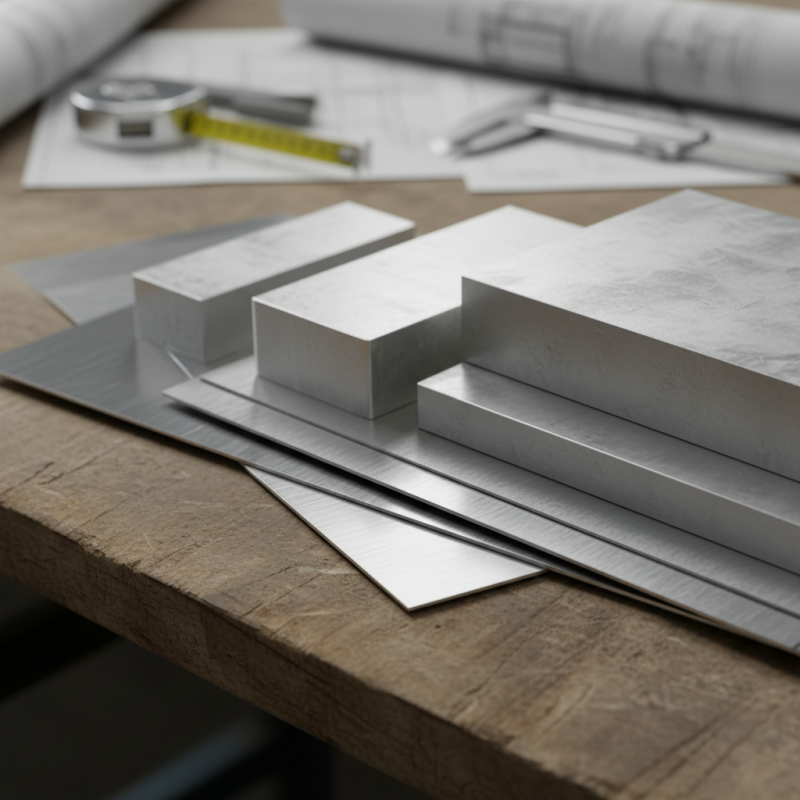
When selecting the right thickness for aluminium plates, there are several important factors to consider. The application of the plate plays a crucial role in determining the ideal thickness. For instance, structural applications often require thicker plates for strength. Conversely, applications like decorative elements might need thinner plates for ease of handling and aesthetics.
Material properties are also significant. Aluminium's lightweight nature can simplify handling and installation. However, a thicker plate can better resist bending and deformation under heavy loads. For projects involving high temperatures or corrosive environments, thicker aluminium can offer additional durability and resistance.
**Tips:** Always assess the load requirements based on your specific project. Consulting with experienced professionals can provide valuable insights. Remember, selecting the wrong thickness may complicate future modifications or repairs. Consider testing a sample plate if unsure about the thickness. It’s worth noting that it is better to have slightly more thickness than risk failure with inadequate support.
When selecting the right thickness for aluminium plates, understanding their applications is crucial. Aluminium plates are versatile materials used across various industries. Their strength-to-weight ratio makes them ideal for structural components in aviation and automotive sectors. A thicker plate can provide added strength for load-bearing applications, while a thinner plate may be sufficient for decorative or packaging purposes.
Different thicknesses suit different needs. For example, in construction, plates of 6mm or more are often used to support structures. In contrast, thinner plates, around 3mm, can be ideal for applications like signage or HVAC systems. However, using the wrong thickness may lead to structural failure or increased costs. It’s essential to consider the environmental factors that the plates will face, such as corrosion and weight load.
Testing materials in real-world environments can highlight what works best, but this requires careful planning and execution. Some applications may suffer from unexpected wear or deformation due to insufficient thickness. Understanding the specific needs of each application helps avoid potential mishaps, ensuring efficiency and safety. The key is to align the thickness of the aluminium plate with its intended use, acknowledging that every choice carries its own risks and rewards.
The thickness of aluminium plates plays a crucial role in their performance across various applications. Thicker plates offer higher strength and durability, making them suitable for heavy-duty environments. For instance, an aircraft component may require a thickness of 6mm to withstand extreme pressure and vibrations. In contrast, a lightweight framework might only need 2mm thickness.
Selecting the right thickness also affects weight management. Thinner plates reduce overall mass, enhancing efficiency in transportation and installation. This is particularly important in automotive and aerospace industries. A vehicle's fuel efficiency can be significantly impacted by using thinner aluminium parts. However, one must consider trade-offs. While thinner plates can save weight, they might not provide sufficient strength for structural integrity in certain scenarios.
Another consideration is heat resistance. Thicker aluminium can withstand higher temperatures without deforming. This is critical in applications like heat exchangers. Yet, there’s a fine line. An excessively thick plate can lead to higher costs and increased handling difficulty. Designers and engineers must reflect on these factors and balance performance needs with practical constraints, ensuring optimal choices for specific projects.
| Thickness (mm) | Weight (kg/m²) | Yield Strength (MPa) | Tensile Strength (MPa) | Applications |
|---|---|---|---|---|
| 3 | 7.35 | 210 | 310 | Lightweight structures, decorative applications |
| 6 | 14.70 | 240 | 335 | Automotive, construction |
| 10 | 24.50 | 260 | 350 | Heavy machinery, aerospace |
| 12 | 29.40 | 270 | 360 | Shipbuilding, structural supports |
| 15 | 37.05 | 280 | 370 | Industrial applications, trailers |
When choosing the right thickness for aluminium plates, understanding common specifications is essential. Aluminium plates come in various thicknesses, typically ranging from 1mm to over 100mm. Each thickness serves different applications. For example, thinner plates are suitable for lightweight structures, while thicker plates provide enhanced strength for heavy-duty uses.
One common specification is the 3mm thickness, often used in automotive applications. It offers a balance between weight and strength. For aerospace applications, thicker plates like 6mm are more common, ensuring durability under stress. Each project may require specific thicknesses depending on factors such as weight constraints, load-bearing needs, and environmental exposure.
Tips: Always consider the intended use of your aluminium plate. If you are uncertain, consult with a manufacturer or an expert. Gathering multiple opinions is helpful. It’s crucial to understand that choosing the wrong thickness can lead to structural issues or wasted resources. Reflect on your project's needs before making a decision.
When considering aluminium plate thickness, cost is a major factor. Thicker plates generally come with a higher price tag. This increase often reflects enhanced durability and strength. However, for some applications, thin plates might suffice and save your budget. Analyzing the specifics of your project can guide this decision.
Understanding the intended use of the aluminium plate is crucial. For structural applications, investing in thicker plates might save costs in repairs later. Yet, over-specifying thickness can lead to unnecessary spending. It's vital to strike a balance between quality and price. Estimating long-term needs and potential wear can help determine the ideal thickness.
Delving into market prices can reveal trends. Prices rarely remain static; they fluctuate based on demand and material costs. Keep a close watch on the market to catch any favorable pricing. Seeking expert opinions can also shed light on cost-effective thickness options. Sometimes, what seems economical upfront may lead to higher costs down the line if not assessed carefully. Always reflect on the implications of your choice.
: Consider the specific application and environmental factors like load and corrosion resistance.
Typically, plates of 6mm or thicker are suitable for supporting structures effectively.
Yes, thinner plates around 3mm are often used for decorative purposes or lightweight structures.
It may lead to structural failures or increased costs due to inefficiencies.
Thicker plates generally cost more due to enhanced strength and durability.
A 3mm thickness is commonly used, balancing weight and strength effectively.
Not necessarily; over-specifying can lead to unnecessary costs without added benefits.
Testing in real-world environments can reveal potential wear and better guide your choice.
Insufficient planning can result in application failure and increased long-term expenses.
Yes, consulting experts can help clarify the most appropriate thickness for your project.
When considering the question of "what thickness aluminium plate should I use," several factors come into play. The application of the aluminium plate significantly influences the appropriate thickness; for instance, structural applications may require thicker plates for added strength, while aesthetic applications may benefit from thinner options. It's essential to understand how the thickness impacts performance, as it can affect durability, weight, and cost-effectiveness.
Common thickness specifications for aluminium plates range widely, and each application may dictate a different requirement. Additionally, cost considerations are crucial, as thicker plates typically incur higher material costs and may impact overall project budgets. By evaluating these factors, one can make an informed decision on the ideal thickness for specific needs, ensuring optimal performance and cost efficiency.

Cellar Aluminum