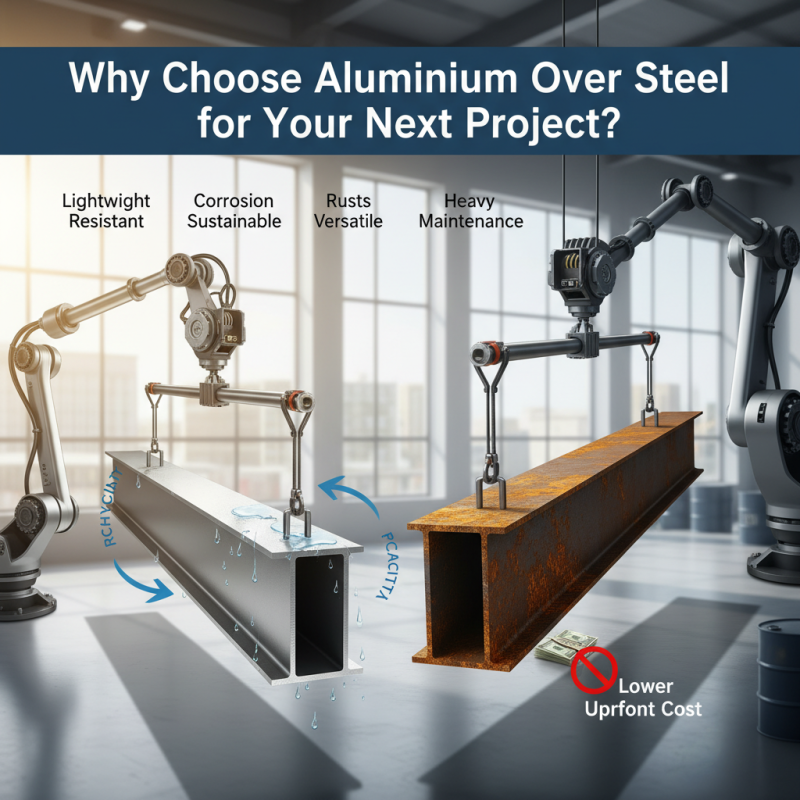
When considering materials for your next project, a key question arises: what are the advantages of aluminium over steel? This inquiry touches on the fundamental characteristics that make aluminium an appealing choice in various applications. Aluminium is known for its lightweight nature, which significantly reduces transportation costs and eases handling during construction. Its resistance to corrosion enhances longevity, making it a reliable option in diverse environments.
In contrast, steel, while strong, can rust and deteriorate over time without proper treatment. This aspect often leads to increased maintenance expenses. The versatility of aluminium also allows it to be easily shaped and molded, providing design flexibility that can be crucial for innovative projects. However, one might ponder if aluminium’s higher upfront cost is justifiable compared to steel’s lower price point.
Ultimately, it’s essential to assess specific project requirements and weigh the long-term benefits of using aluminium. Considering factors such as weight, strength, and maintenance will bring clarity to this material choice. In a world that increasingly values sustainability, aluminium’s recyclability adds another layer to its advantages. Thus, understanding these elements is vital for making informed decisions about material selection.
Advantages of Aluminium: Lightweight and Strength Benefits
Aluminium's lightweight nature makes it a preferred choice for various construction and manufacturing projects. According to a report by the Aluminium Association, aluminium weighs about one-third as much as steel. This significant weight reduction can lead to easier handling during the assembly process. Lighter materials can also improve energy efficiency in transportation and construction.
In terms of strength, aluminium exhibits a high strength-to-weight ratio. The Aerospace Industries Association highlights that aluminium alloys can be as strong as steel while providing a lighter option. This property is crucial in industries such as aerospace and automotive, where weight savings translate to improved fuel efficiency and performance.
However, it is essential to consider potential downsides. Aluminium is generally more expensive per kilogram compared to steel, which can strain budgets for large-scale projects. Additionally, while aluminium is resistant to corrosion, it may require regular maintenance in certain environments. Balancing these factors is vital for project managers deciding between these two materials.
Advantages of Aluminium Over Steel
This chart compares the key properties of Aluminium and Steel. Aluminium is significantly lighter than Steel, making it advantageous for applications where weight is a crucial factor. Additionally, while Steel has greater tensile strength, Aluminium offers excellent corrosion resistance and high electrical conductivity, making it suitable for various projects.
Corrosion Resistance: How Aluminium Outlasts Steel in Harsh Environments
Aluminium stands out for its impressive corrosion resistance, particularly in harsh environments. Unlike steel, which can rust when exposed to moisture, aluminium forms a protective oxide layer. This layer significantly slows down the corrosion process. Data from the International Aluminium Institute indicates that aluminium can last up to 50 years in environments with high salinity and humidity, whereas steel may fail in as little as five years without protective coatings.
In marine applications, aluminium's lightweight nature is an added benefit. Structural integrity remains intact without the risk of rust. According to a study by the American Society of Civil Engineers, aluminium structures require less maintenance, saving up to 30% in lifecycle costs compared to steel. Such savings significantly contribute to project efficiency.
When choosing materials, assess your environment. If exposure to water or salt is likely, aluminium is often the best choice. For outdoor projects, consider using anodized aluminium for double the protection. Always consult material performance data to avoid potential failures. Ensure that corrosion resistance is a priority in your decision-making. Remember, the initial investment in aluminium may pay off in the long run.
Cost Analysis: Comparing Long-Term Expenses of Aluminium vs. Steel
When evaluating aluminium and steel, a detailed cost analysis reveals compelling differences. A report by the Aluminium Association highlights that aluminium can be 30-40% lighter than steel. This weight advantage can significantly reduce shipping and handling costs. For large-scale projects, transportation efficiency becomes crucial.
Long-term expense is another consideration. According to research from the International Aluminium Institute, aluminium’s resistance to corrosion increases its longevity. Over a 20-year span, maintenance costs for aluminium structures can be nearly 50% lower than those for steel. However, the initial cost of aluminium may be higher. This discrepancy can complicate decision-making.
Additionally, while both materials have their strengths, project requirements vary. For instance, steel excels in high-strength applications. Yet, for many projects, aluminium’s durability outweighs its upfront costs. Cost analysis should incorporate factors such as lifecycle costs and recyclability. This often leads to rethinking material choices entirely. The options are vast, but careful consideration of expenses reveals the strategic advantage of aluminium in many scenarios.
Sustainability Factors: The Eco-Friendly Aspects of Aluminium Production
Aluminium is gaining attention for its eco-friendly production methods. Unlike steel, which requires extensive energy and natural resources, aluminium can be produced with a significantly lower carbon footprint. The recycling process for aluminium is highly efficient. It uses only 5% of the energy needed for primary production. This means that using recycled aluminium not only conserves resources but also reduces greenhouse gas emissions considerably.
The extraction of bauxite, the primary source of aluminium, poses its own environmental challenges. Deforestation and habitat loss are concerns. However, advancements in mining techniques are improving sustainability. Many companies now focus on responsible sourcing and land rehabilitation. This shift is essential as the demand for sustainable materials grows.
Consider the longevity of aluminium as well. It doesn't corrode easily, extending the lifespan of products made from it. This durability contributes to less waste over time. Still, the initial mining impact on ecosystems cannot be overlooked. Consumers must weigh the benefits of aluminium against its environmental costs. Each project requires careful thought about material choices.
Versatility in Applications: Where Aluminium Excels Over Steel
Aluminium stands out in various applications due to its unique properties. It is lightweight, making it easier to handle and transport. This feature is crucial for industries that require quick assembly and frequent relocations. Aluminium can be formed into intricate shapes. This versatility allows for innovative designs that steel often cannot accommodate.
In construction, aluminium is highly resistant to corrosion. This characteristic extends its lifespan in harsh environments, reducing maintenance costs. Applications such as window frames or roofing benefit significantly from this durability. The non-magnetic nature of aluminium allows it to be used in electrical applications. This can enhance safety and efficiency, where steel may introduce magnetic interference.
Reflecting on the choice between aluminium and steel, it is essential to consider specific project needs. While aluminium offers many advantages, it may lack the tensile strength found in steel. Some applications may require the robustness that only steel can provide. Understanding the balance between these materials is key to making informed decisions.
Why Choose Aluminium Over Steel for Your Next Project? - Versatility in Applications: Where Aluminium Excels Over Steel
| Application Area |
Aluminium Properties |
Steel Properties |
Advantages of Aluminium |
| Aerospace |
Lightweight, Corrosion resistance |
Heavier, Prone to rust |
Improved fuel efficiency |
| Construction |
Flexibility, Thermal conductivity |
Rigidity, Conductivity |
Design versatility |
| Automotive |
Weight reduction, Malleability |
Durability, Cost-effectiveness |
Enhanced performance |
| Packaging |
Lightweight, Non-toxic |
Heavier, Requires coatings |
Recyclability, Lower transportation costs |
FAQS
: Aluminium has a lower carbon footprint and requires less energy during production.
Recycling aluminium uses only 5% of the energy needed for primary production.
Bauxite extraction leads to deforestation and habitat loss.
Yes, many are focusing on responsible sourcing and land rehabilitation.
Aluminium doesn't corrode easily, which extends product lifespan and reduces waste.
Yes, weighing benefits against environmental impacts is crucial for informed choices.
Its lightweight nature and ability to be formed into intricate shapes allow for innovative designs.
Aluminium is corrosion-resistant and requires less maintenance, making it ideal for harsh environments.
Steel has superior tensile strength, which is needed in some robust applications.
Specific project needs, material properties, and the balance between weight and strength are essential considerations.
Conclusion
When considering materials for construction and manufacturing, one may ask, "what are the advantages of aluminium over steel?" Aluminium stands out primarily due to its lightweight yet strong nature, allowing for structural efficiency without sacrificing durability. Moreover, its exceptional corrosion resistance means that aluminium can withstand harsh environments better than steel, requiring less maintenance and reducing replacement costs over time.
In addition to these mechanical benefits, aluminium's sustainability is noteworthy. The production of aluminium is increasingly eco-friendly, utilizing recycling processes that significantly lower its environmental impact. Furthermore, aluminium's versatility enables its use across a vast array of applications, from transportation to architecture, where it often outperforms steel. Overall, the combination of strength, longevity, sustainability, and versatility makes aluminium a compelling choice for various projects.

 Cellar Aluminum