In 2026, choosing the right aluminium for building facades is crucial. The global aluminium facade market is projected to reach $21 billion by 2027, indicating a significant growth opportunity. Facades not only enhance aesthetics but also improve energy efficiency. In fact, buildings with well-designed facades can reduce energy consumption by up to 30%.
Understanding how to choose aluminium for building facades involves considering durability, maintenance, and sustainability. Many architects recommend using extruded aluminium for its strength and lightweight properties. The right finish and coating can enhance longevity and visual appeal. However, it’s important to reflect on the balance between cost and quality. Selecting cheaper options may lead to higher long-term maintenance costs.
With increasing regulations on building materials, it's essential to verify the aluminium's compliance with industry standards. Building professionals often discuss the importance of sourcing from reliable suppliers. This ensures both performance and aesthetic quality. As the industry evolves, keeping an eye on innovations in aluminium technology remains essential. Ultimately, making informed choices will shape the future of building facades.
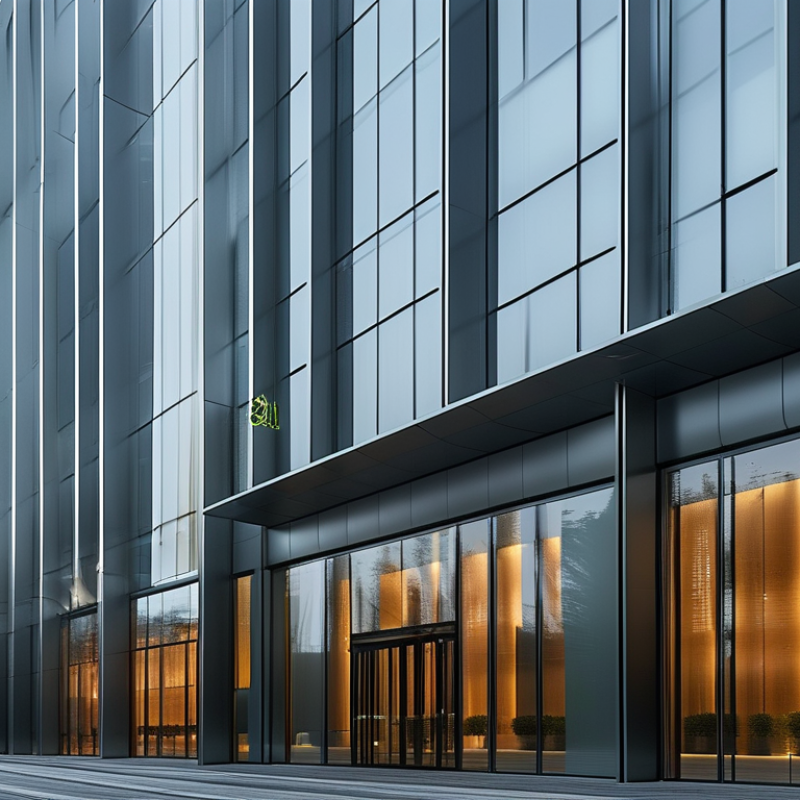
Aluminium has become a preferred material in building facades. Its lightweight nature provides significant advantages for modern architecture. This material offers a perfect blend of strength and durability. Buildings need materials that withstand various weather conditions. Aluminium meets this requirement with ease.
Design flexibility is another critical aspect of using aluminium. It can be shaped into various forms, allowing architects to explore creative possibilities. This adaptability can enhance the aesthetics of a building. However, it's essential to consider how the colour and finish might change over time. Some finishes may fade more than others, which could impact the building's visual appeal.
Sustainability is increasingly important in today’s construction practices. Aluminium is recyclable, reducing the environmental impact of building projects. However, choosing the right type and treatment of aluminium is crucial. Not all aluminium products are created equal. Builders should reflect on the long-term costs and benefits of their choices. Ensuring the right specifications and quality will lead to better buildings in the long run.
Choosing aluminium for building facades involves careful consideration of several key factors. One significant factor is the alloy type. Different alloys have varying strengths and corrosion resistance levels. Understanding these differences can impact the durability and maintenance needs of the facade. For instance, certain alloys are better suited for coastal environments where salt exposure is a concern.
Another important aspect is the finish of the aluminium. Finishes can affect both aesthetics and functionality. Powder coating offers a range of colors and can enhance resistance to environmental damage. However, it's essential to choose high-quality finishes. Poor finishes may fade over time and require frequent reapplication. This adds to long-term costs.
Sustainability is also a crucial factor. Many architects now prioritize environmentally friendly options. Recyclable materials are a great choice, as they reduce the carbon footprint. Aluminium's lightweight nature can also decrease energy usage during transport and installation. Reflecting on these criteria is necessary for making informed decisions. It’s easy to overlook details, but these choices significantly impact the project's success.
Choosing aluminium for building facades in 2026 requires careful consideration of sustainability and environmental impact. Aluminium is known for its lightweight and durable properties, but its extraction and production can be resource-intensive. The mining process, for instance, can lead to significant habitat destruction. It's essential to evaluate the source of the aluminium and ensure it complies with environmental standards.
Recycling plays a crucial role in mitigating aluminium's impact. Over 75% of aluminium ever produced is still in use today. This eco-friendly aspect reduces energy consumption and dumpsite waste. Incorporating recycled aluminium in facade designs can minimize the carbon footprint. However, the market must continue to innovate in recycling processes for greater efficiency.
Another factor to consider is the lifecycle analysis of aluminium products. Many assume that aluminium is a sustainable choice outright. However, this can mask negative production impacts. Transparent assessments and local sourcing can enhance sustainability efforts. It’s vital for stakeholders to engage in ongoing evaluations and improvements in materials and processes.
When considering aluminium for building facades in 2026, aesthetics play a crucial role. The visual appeal of a facade can define a structure's character. Soft curves or sharp lines? Both options are available with aluminium. Finishes can include matte, glossy, or even textured surfaces. Each choice impacts light reflection and shadow play, creating different atmospheres for the space.
Design options extend beyond color and finish. Perforations and patterns can add depth and interest. Some designers experiment with varying panel sizes, creating stunning visual effects. Even within sustainability, aesthetics matter. An eco-friendly facade should not sacrifice beauty. Sometimes, this balance is tricky to achieve. Designers often face challenges in integrating innovative designs while maintaining functionality.
Lighting also comes into play. Thoughtful illumination can enhance the facade's features at night. However, it requires careful planning. Choosing the wrong light can wash out the facade's unique qualities. Designers must reflect on their choices, ensuring that each element works harmoniously.
Choosing aluminium for building facades requires careful consideration of cost-effectiveness and longevity. Recent industry reports indicate that aluminium can have a lifespan of 30 to 50 years, making it a durable choice for modern architecture. The 2023 Aluminium Association's report notes that using high-quality aluminium can reduce maintenance costs by up to 20%. Such data highlights the economic benefits of selecting robust aluminium systems that withstand weathering and corrosion.
However, the initial material costs of aluminium can be higher than those of alternatives like vinyl or wood. A 2022 survey by the Construction Industry Institute found that while aluminium facades require a larger upfront investment, the return on investment often justifies this expense through energy efficiency. In fact, buildings with aluminium facades can save approximately 15% on energy costs over their lifetime due to superior thermal performance.
Despite these advantages, some considerations must not be overlooked. The production process of aluminium can be energy-intensive, raising sustainability concerns. Additionally, not all aluminium solutions are created equal. Variability in alloys and coatings impacts not just performance but longevity, too. When selecting aluminium for facades, consider both the environmental impact and the specific needs of your project for a balanced decision.
| Aluminium Type | Cost per Square Meter (USD) | Weight (kg/m²) | Durability (Years) | Recyclability (%) |
|---|---|---|---|---|
| Aluminium Composite Panels | $50 | 6 | 30 | 90 |
| Powder Coated Aluminium | $60 | 7 | 25 | 95 |
| Anodized Aluminium | $70 | 5 | 40 | 97 |
| Thermal Break Aluminium | $80 | 8 | 35 | 92 |
: Aluminium is lightweight, durable, and withstands various weather conditions, making it an excellent choice for modern architecture.
Aluminium can be shaped into various forms, allowing architects to create diverse and innovative building designs.
The finish affects aesthetics and durability. Some finishes fade over time, impacting the building's long-term visual appeal.
Aluminium is recyclable, lowering environmental impact. Builders should choose sustainable options to enhance their projects’ eco-friendliness.
Different alloys vary in strength and corrosion resistance. Choosing the right one is vital for durability, especially in harsh environments.
Yes, but it's challenging. Designers must balance beauty with functionality while ensuring eco-friendly designs don't compromise appearance.
Proper lighting enhances a facade’s features, but poor choices can diminish its unique qualities, requiring careful planning.
No, quality varies significantly. Selecting high-quality products is crucial for long-term success and maintenance of building facades.
Low-quality finishes may need frequent reapplication, leading to increased long-term maintenance costs and reduced visual appeal.
By reflecting on choices, considering sustainability, and examining quality factors, architects can better align their designs with project goals.
In the article "How to Choose Aluminium for Building Facades in 2026?", the significance of aluminium in modern architecture is emphasized, highlighting its versatility and durability. Key factors for selecting aluminium materials include strength, weight, and resistance to environmental challenges. Additionally, evaluating the sustainability and environmental impact of aluminium is crucial, as building practices increasingly prioritize eco-friendly solutions.
Aesthetics and design also play a vital role, allowing architects to explore innovative and visually appealing facade options. Lastly, assessing the cost-effectiveness and longevity of aluminium solutions is essential to ensure a balance between budget and quality. By understanding these aspects, stakeholders can make informed decisions on how to choose aluminium for building facades, ensuring that their projects meet both functional and aesthetic requirements.

Cellar Aluminum