When discussing aluminium materials, particularly in industrial applications, understanding "what is the difference between aluminium plate and sheet" is critical. Aluminium plates typically have a thickness greater than 6mm, making them ideal for heavy-duty applications. Conversely, aluminium sheets are thinner, ranging from 0.2mm to 6mm, which caters to different industrial needs. According to the Global Aluminium Market report, the demand for sheets is growing at a CAGR of 4.5%, influenced by industries like automotive and aerospace.
The choice between these two types can significantly impact product performance. Plates are favored for their strength and durability in structural applications, whereas sheets offer flexibility and ease of fabrication. However, it is important to note that not all aluminium alloys suit every application. For instance, 5052 alloy is commonly used for sheets due to its excellent corrosion resistance, while 6061 is preferred for plates. The oversight in selecting the right material can lead to inefficiency and increased costs.
In a competitive marketplace, understanding these differences can provide manufacturers an edge. Misjudging material needs can result in weak structures or additional expenses. Thus, detailed knowledge of aluminium specifications is not merely beneficial—it is essential for success.
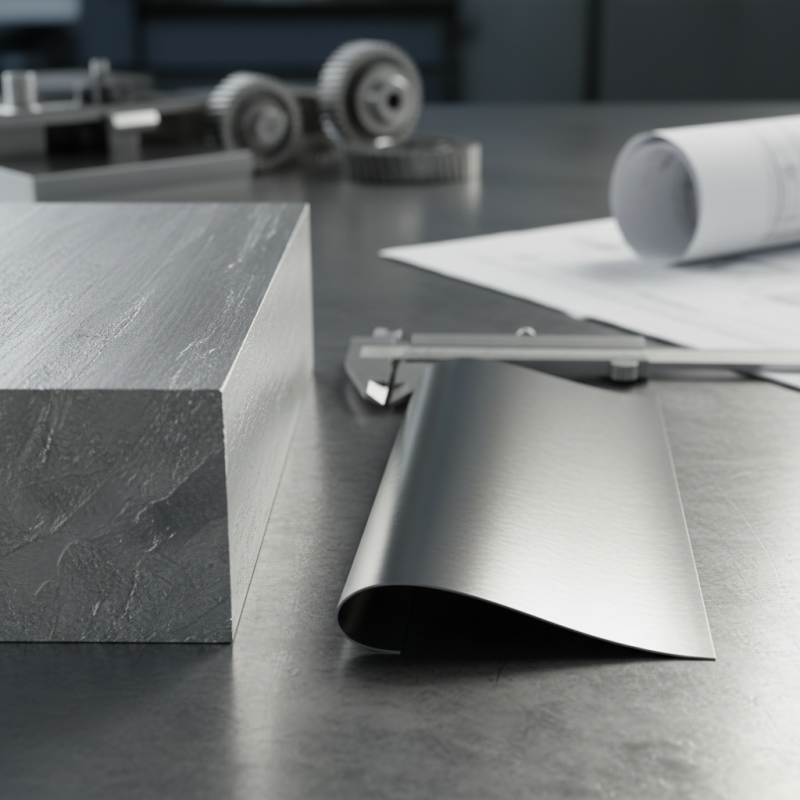
China Aluminium Plate: Definition and Key Characteristics
Aluminum plates and sheets play significant roles in various industries. Understanding the key characteristics of aluminum plates is essential. Aluminum plates are thicker than sheets, typically starting at 6 mm. This thickness provides superior strength and durability. Consequently, plates are ideal for heavy-duty applications.
Aluminum plates often demonstrate excellent resistance to corrosion. This quality makes them suitable for environments exposed to moisture. They are frequently used in aerospace, marine, and construction projects. The ability to withstand harsh conditions adds to their reliability.
On the other hand, aluminum sheets are thinner and more pliable. They find use in everyday applications, such as residential siding. However, while versatile, sheets may lack the robustness of plates. Users sometimes overlook the importance of choosing the correct material for specific projects. Selecting the wrong type can lead to structural issues later. Proper knowledge about these differences is crucial for effective application.
China Best Aluminium Plate vs Sheet - Key Differences
| Dimension/Characteristic |
Aluminium Plate |
Aluminium Sheet |
| Thickness |
Typically over 6mm |
Typically less than 6mm |
| Weight |
Heavier due to thickness |
Lighter and easier to handle |
| Applications |
Structural components, shipbuilding, aerospace |
Roofing, siding, decorative uses |
| Strength |
Higher tensile strength |
Lower tensile strength |
| Cost |
Generally more expensive |
More cost-effective for large areas |
China Aluminium Sheet: Definition and Key Characteristics
Aluminium sheets are versatile materials frequently used across various industries. These sheets typically vary in thickness and dimensions, making them suitable for a wide range of applications. The most common thickness for aluminium sheets ranges from 0.2 mm to 6 mm. Their lightweight nature contributes to their popularity, especially in aviation and automotive industries. According to a report by MarketsandMarkets, the global aluminium sheet market is expected to reach 78.7 million tons by 2025.
Additionally, aluminium sheets possess excellent corrosion resistance. This quality is crucial, particularly in marine applications, where exposure to the elements is a concern. The 2022 Aluminium Association report indicated that around 20% of aluminium production goes into building and construction, reflecting their importance in creating sustainable infrastructure. The reflectivity of aluminium sheets also makes them ideal for energy-efficient applications.
Tips: When selecting an aluminium sheet, consider its intended application and thickness requirements. Conduct thorough inspections for quality assurance. Always verify the specifications to ensure compatibility for your specific needs. Remember, the wrong thickness can lead to performance issues and inefficiencies.
Comparative Analysis: Mechanical Properties of Plates vs Sheets
When comparing aluminium plates and sheets, the differences in mechanical properties stand out. Aluminium plates are typically thicker than sheets. This thickness gives plates increased strength, making them suitable for heavy-duty applications. They can withstand greater stress and are often used in construction and transportation.
In contrast, aluminium sheets are thinner and more malleable. They are easier to cut and shape, which makes them ideal for intricate designs. However, this flexibility comes at the cost of strength. Sheets can be prone to denting and deformation under significant pressure. Their lighter weight allows for easier handling but limits their use in heavy-load situations.
Assessing the mechanical properties involves understanding tensile strength and yield strength. Plates excel in these areas, providing robust support under load. Yet, sheets offer an advantage in applications requiring lightweight materials. Each has its unique advantages and challenges, reflecting the need for thoughtful selection based on specific project requirements. Recognizing these properties can help in making informed choices for aluminium applications.
Applications and Industry Uses for Aluminium Plates and Sheets
Aluminium plates and sheets serve distinct purposes across various industries.
Plates are thicker, often exceeding 6 mm, making them suitable for heavy load-bearing structures.
Industries like aerospace and automotive frequently utilize aluminum plates for frames and components.
The material’s high strength-to-weight ratio makes it ideal for applications requiring durability without excessive weight.
On the other hand, aluminium sheets typically range from 0.2 mm to 6 mm thick.
They are used commonly in construction and manufacturing.
For example, aluminum sheets are popular for cladding buildings or creating lightweight vehicle body panels.
Their flexibility allows for easy shaping and designing, catering to artistic and functional needs.
Tips: When choosing between plates and sheets, consider your project's specific requirements.
If strength is critical, opt for plates. For flexibility in design, sheets may be the better choice.
Always check material specifications to ensure suitability for your application.
Understanding the nuances of each can prevent costly mistakes or rework down the line.
Market Trends and Production Statistics in China's Aluminium Sector
China's aluminium sector is witnessing significant shifts. The production of aluminium plates and sheets shows varying trends. Plates are thicker and often used in heavy-duty applications. Conversely, sheets are thinner and favored for their lightweight properties. Understanding these differences is crucial for manufacturers and consumers alike.
Recent market analysis indicates a growing demand for aluminium sheets due to the rise of industries such as construction and automotive. With sustainability in focus, lightweight materials gain preference. Moreover, production statistics reveal that China's output has increased steadily, making it a key player in the global market.
Tip: When choosing between aluminium plate and sheet, consider your specific application needs. Evaluate weight, strength, and cost-effectiveness for optimal results.
Despite the growth, challenges remain. Overcapacity and fluctuating raw material prices can impact stability. Industry experts suggest staying informed about market trends for better decision-making. Engaging with knowledgeable suppliers can also mitigate risks.
Tip: Regularly review your suppliers and market conditions to adapt to changes. This proactive approach can lead to better long-term strategies.
FAQS
: Aluminum plates are thicker than sheets, typically starting at 6 mm. This adds strength.
They are used in aerospace, marine, and construction projects. Their durability is crucial in these fields.
Aluminum sheets are thinner and more pliable. They are suitable for lightweight uses like residential siding.
Evaluate weight, strength, and cost-effectiveness based on your specific application needs.
There's a rising demand for aluminum sheets due to construction and automotive industries focusing on lightweight materials.
Overcapacity and fluctuating raw material prices can affect market stability. This requires careful planning.
Engage with knowledgeable suppliers and stay informed about market trends. This can improve your decision-making.
Using the wrong type of aluminum can lead to structural issues. Proper knowledge helps in effective applications.
Users sometimes overlook the importance of choosing the correct material for specific projects, which can be detrimental.
Regularly review suppliers and market trends. This active approach helps in developing better long-term strategies.
Conclusion
The article "China Best Aluminium Plate vs Sheet: What is the Key Difference" explores the essential distinctions between aluminium plates and sheets. It begins by defining each term and highlighting their key characteristics, such as thickness and durability. The comparative analysis delves into their mechanical properties, illustrating how plates and sheets differ in terms of strength and flexibility.
Furthermore, the article discusses the various applications and industry uses for both aluminium plates and sheets, showcasing their versatility in sectors like construction and manufacturing. Finally, it presents market trends and production statistics in China's aluminium sector, providing insights into the demand dynamics. In summary, understanding what is the difference between aluminium plate and sheet is crucial for industries looking to optimize their material selection for specific applications.

 Cellar Aluminum