How to Boost the Durability of Aluminium Plates for Buyers?

Time:2026-06-19 Author:Mason
0%

In today's competitive manufacturing landscape, understanding how to increase the durability of aluminium plates is crucial for buyers. According to a report by the Aluminum Association, the demand for high-durability aluminium products is expected to grow by 20% in the next five years. This trend highlights the need for effective strategies to enhance the longevity of aluminium materials.

Durability can significantly impact performance and cost-effectiveness. Buyers should be aware that factors like alloy composition and surface treatment play a vital role in durability. Studies indicate that using specific alloys can improve resistance to corrosion and wear by up to 30%. However, not all manufacturers meet these standards, which may lead to suboptimal product choices.

Challenges remain in ensuring consistent quality across suppliers. Buyers must conduct thorough evaluations before finalizing partnerships. A lack of industry benchmarks can complicate decision-making. Ultimately, understanding how to increase durability of aluminium plates will not only meet current demands but also pave the way for innovation in materials science. It’s essential to approach this process with a critical eye, recognizing that some traditional methods may need refinement.
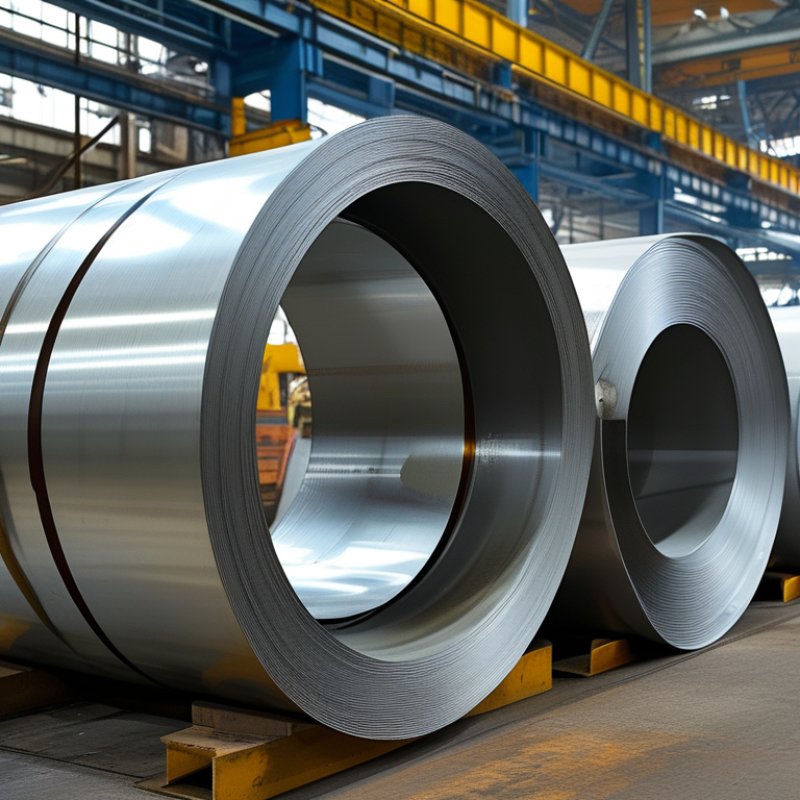
How to Boost the Durability of Aluminium Plates for Buyers?

Understanding the Properties of Aluminium and Its Durability Factors

Aluminium is well-known for its lightweight and corrosion resistance. However, understanding its durability properties is crucial for buyers seeking long-lasting solutions. A report from the Aluminium Association highlights that aluminium can endure up to 80 years in outdoor environments. This characteristic stems from its natural oxide layer, which protects against further degradation. Buyers must consider the role of alloy composition in enhancing these traits.

Factors affecting aluminium's durability include alloying elements like magnesium and silicon. These materials can improve strength and toughness. According to the International Journal of Fatigue, alloys like 6061 and 7075 exhibit exceptional resistance to fatigue under cyclic stresses. However, buyers must recognize that certain processes can alter these properties. For instance, improper welding can lead to vulnerabilities, reducing overall life expectancy.

Maintenance also plays a significant role. While aluminium resists corrosion, its surface can stain or dull without proper care. Regular inspections can identify wear early on. Not all finishes provide equal protection, so understanding the specific requirements for each application is critical. The industry continues to evolve, but knowing these factors helps buyers make informed decisions.

How to Boost the Durability of Aluminium Plates for Buyers?

Property Description Impact on Durability
Tensile Strength Resistance to being pulled apart. Higher tensile strength leads to better durability under stress.
Corrosion Resistance Ability to withstand deterioration due to atmospheric conditions. Improves lifespan in various environments.
Weight Lightweight material compared to steel. Easier handling can lead to reduced mechanical wear during use.
Alloying Elements Addition of elements like copper and magnesium. Enhances strength and resistance to corrosion.
Heat Treatment Process to increase strength by altering microstructure. Improves mechanical properties significantly.
Surface Finish Protective layers like anodizing or powder coating. Enhances resistance to wear and environmental factors.

Importance of Surface Treatments to Enhance Aluminium Plate Longevity

Surface treatments play a vital role in enhancing the longevity of aluminium plates. According to a report by the Aluminium Association, treated aluminium can last significantly longer than untreated surfaces, with up to a 50% increase in lifespan. Surface treatments like anodizing create a protective layer, improving resistance to corrosion and wear. This is crucial for applications exposed to harsh environments.

Research indicates that the right treatment can reduce maintenance costs. For instance, untreated aluminium can degrade quickly when exposed to moisture and pollutants. Conversely, surfaces that undergo proper treatments show a drastic reduction in oxidation rates. Properly treated aluminium plates demonstrate remarkable durability, even in challenging climates.

However, not all surface treatments are equal. Some methods are more effective than others, requiring careful selection. Poorly executed treatments can lead to delamination or flaking, undercutting their intended benefits. Therefore, it is essential for buyers to weigh the costs against the long-term advantages. Ultimately, investing in high-quality surface treatments can yield substantial dividends in durability and longevity.

Best Practices for Storing and Handling Aluminium Plates

Proper storage and handling of aluminium plates is crucial for maintaining their integrity and performance. When stacking aluminium plates, avoid direct contact with the ground. Elevate them on pallets to keep them dry. This simple action helps prevent moisture-related corrosion. Use protective covers to shield them from dust and debris, which can scratch the surface.

Handling requires caution. Always wear gloves to prevent oils from your hands transferring onto the plates. This minor detail can dramatically reduce the risk of surface imperfections. When transporting plates, use padded supports. This helps prevent bending or warping during movement. Even minor impacts can create lasting damage.

Lastly, consider temperature variations. Storing aluminium plates in extreme environments can lead to warping. It's best to keep them in a controlled area. Remember, paying attention to these practices can extend the lifespan of aluminium plates. Small efforts can lead to significant benefits over time.

Exploring Alloy Options for Increased Durability in Aluminium Plates

When considering aluminium plates, the choice of alloy plays a critical role in durability. Different alloys respond uniquely to stress and environmental factors. For example, 6061 and 7075 are popular choices among manufacturers, known for their strength and corrosion resistance. Each has its pros and cons. 6061 offers excellent weldability, while 7075 is stronger but less weldable. This variation in properties can affect the end use.

The selection process isn’t always straightforward. Buyers must weigh strength against flexibility. Some projects require lightweight materials that still provide structural integrity. Consideration of factors such as temperature extremes, moisture exposure, and mechanical stresses is crucial. Each factor can significantly influence the longevity of the aluminium plates.

Understanding surface treatments also adds complexity. Anodizing can enhance resistance to wear and corrosion, but it may not be suitable for all alloys. Overlooking these details can lead to premature failure. The challenge lies in balancing specifications with practical applications. Engaging with experts can help navigate these choices. Experienced professionals can offer invaluable insights to make informed decisions.

Regular Maintenance Tips for Prolonging the Life of Aluminium Products

Aluminium products can serve many purposes, but maintaining their durability is essential. Regular maintenance not only enhances their lifespan but also preserves their appearance. Cleaning is a fundamental step. Use a soft cloth and mild detergent to wipe down surfaces regularly. Avoid abrasive cleaners. They can scratch the aluminium, leading to corrosion over time. If you notice any dirt accumulation, address it promptly to prevent lasting damage.

Inspect your aluminium items for signs of wear and tear. Look for scratches, dents, or discoloration. Even small imperfections can become problematic. An untreated scratch can lead to oxidation, weakening the material. Apply a protective coating if necessary. This step can significantly extend the life of your aluminium products.

Storage conditions play a crucial role as well. Keep aluminium in a dry place to avoid moisture buildup. Avoid direct sunlight, as UV rays can degrade the finish. If you use aluminium outdoors, check for any signs of environmental damage. Adopting these practices can be challenging but is crucial for ensuring durability. Regular attention and care may seem tedious but will pay off in the long run.

FAQS

: What are the key properties of aluminium?

: Aluminium is lightweight and resistant to corrosion, making it a popular material choice. Its natural oxide layer protects against degradation.

How long can aluminium last outdoors?

Aluminium can endure up to 80 years in outdoor environments, primarily due to its protective oxide layer.

How do alloying elements affect aluminium durability?

Alloying elements like magnesium and silicon improve strength and toughness, enhancing durability in various applications.

What role does maintenance play in aluminium durability?

While aluminium resists corrosion, maintenance is critical. Regular checks can spot wear early and prevent long-term issues.

How do surface treatments benefit aluminium plates?

Surface treatments can increase lifespan by up to 50%, improving corrosion resistance and reducing maintenance costs.

Are all surface treatments effective for aluminium?

No, not all treatments are equal. Poorly executed treatments can harm the material, leading to flaking or reduced benefits.

What factors should buyers consider when choosing aluminium alloys?

Buyers should weigh strength, flexibility, environmental exposure, and specific project needs when selecting alloys.

How does anodizing affect aluminium?

Anodizing enhances wear and corrosion resistance but may not be suitable for all types of aluminium alloys.

Why is it essential to engage with experts in aluminium selection?

Experts can provide insights on specifications, helping navigate complex decisions regarding alloys and treatments.

What challenges might buyers face when selecting aluminium materials?

Balancing strength with flexibility and understanding surface treatments can be challenging and requires careful consideration.

Conclusion

The article "How to Boost the Durability of Aluminium Plates for Buyers?" delves into various strategies aimed at enhancing the toughness and lifespan of aluminium plates. It begins by explaining the inherent properties of aluminium and the factors that contribute to its durability. Additionally, the piece highlights the significance of surface treatments, which can significantly improve the longevity of these materials by providing added protection against environmental factors.

The discussion extends to best practices for storing and handling aluminium plates, ensuring they remain undamaged during transport and use. Furthermore, it explores different alloy options that offer increased durability, allowing buyers to make informed choices based on their specific needs. To cap off the insights, the article provides regular maintenance tips to help users understand how to increase durability of aluminium plates, ensuring they remain in optimal condition over time.

Mason

Mason

Mason is a seasoned marketing professional with a deep expertise in the company's offerings and a passion for driving brand awareness. With a strong background in digital marketing strategies, he has an innate ability to connect with diverse audiences and effectively communicate product benefits.......