Bending aluminium sheets without cracking is a crucial skill in metalworking. According to a report by the Aluminum Association, improper techniques can lead to significant material waste and increased costs. Experts emphasize the importance of precision in this process. John Smith, a renowned metallurgist, states, "Understanding the alloy's properties and the right bending method is essential to avoid cracks."
Many factors influence how to bend aluminium sheet without cracking. For instance, the thickness of the sheet and the bending radius are key aspects. Industry standards suggest maintaining a bending radius of at least twice the material thickness to minimize the risk of failure. However, achieving the perfect bend requires not only knowledge but also practice and experience.
Without proper techniques, cracks can appear during the bending process. Even experienced workers sometimes encounter challenges. Recognizing these pitfalls is vital for improvement. Emphasizing training and continuous learning can help professionals refine their skills and reduce errors.
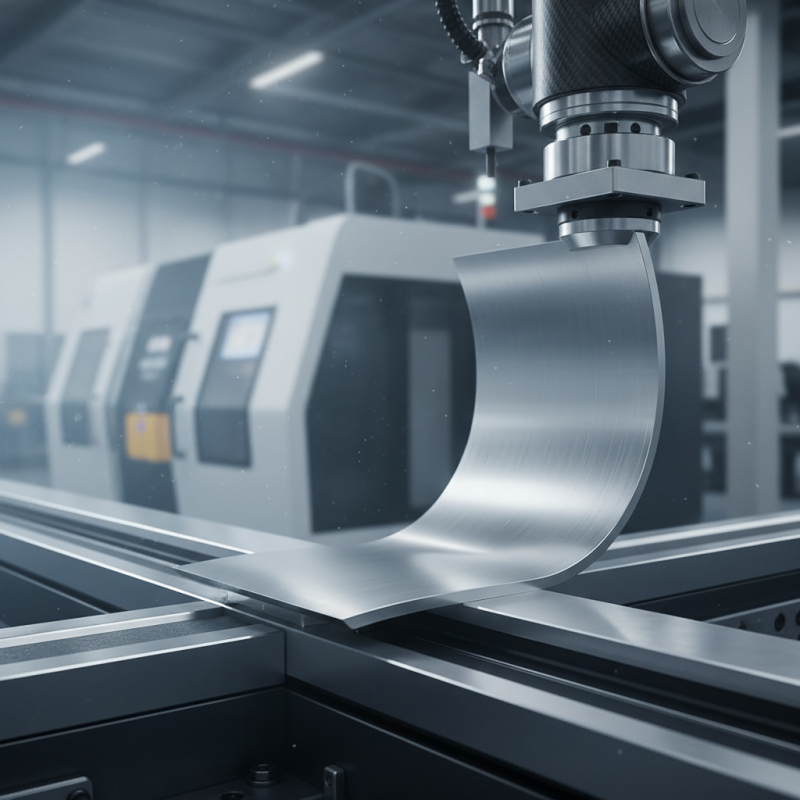
Aluminium sheets are widely used in various applications due to their lightweight and durability. Understanding the properties of these sheets is crucial for effective bending. The yield strength of aluminium alloys typically ranges from 70 to 700 MPa, depending on the alloy. Higher strength alloys can crack more easily during bending, which is a key consideration during processing.
When bending aluminium sheets, pay attention to the thickness. Thinner sheets tend to bend more easily without cracking. The ideal bending radius is usually about 1-2 times the sheet thickness. This prevents excessive strain and helps maintain the integrity of the material.
Tips: Always conduct a test bend on a scrap piece first. Recognize that not every technique may work with every alloy. Additionally, the temperatures during bending should be monitored. Heating the material can improve malleability but requires precise control to avoid overheating. Effective temperature management can ensure better outcomes.
Educating yourself on the specific alloy you are using will enhance your bending strategies. Some alloys may require specific lubricants during processing to minimize surface damage. Remember that achieving the perfect bend may take several attempts and adjustments. Balancing technique with awareness of material properties is essential for success.
When bending aluminium sheets, having the right tools is crucial for achieving precise results. A good quality sheet metal brake is essential. It allows for accurate bends without compromising the sheet's integrity. The brake can handle various thicknesses, ensuring versatility in projects. Additionally, clamps are important to secure the sheet. They prevent movement during the bending process, which helps achieve clean lines.
A cutting tool, such as a snip or shears, is necessary for preparing the aluminium. A deburring tool is also handy. It smoothens edges and reduces the risk of injury during handling. Safety gear, including gloves and goggles, should not be overlooked. Bending can create sharp edges that may cause cuts, so protecting yourself is vital.
It's worth noting that mistakes can happen. Sometimes the bend may crack or the sheet might warp. It's a learning experience. Reassessing your technique and tools can lead to better outcomes in future projects. Proper practice and the right equipment contribute to success in bending aluminium sheets effectively.
Bending aluminium sheets can be tricky. Cracking is a common issue. Proper techniques can minimize this risk. Start by selecting the right thickness for your project. Thinner sheets bend easier but can be more prone to cracking. For thicker sheets, apply greater care.
When preparing to bend, consider using a heat source. Heating the aluminium can increase its ductility. This allows for smoother bends without damage. Remember, controlled heating is essential. Too much heat may distort the material. Monitor the temperature closely to avoid this.
Use proper tools for bending. A dedicated brake or a press can provide better control. Ensure the bending die matches the sheet thickness. This prevents uneven stress along the bend line. After bending, inspect for any signs of cracking. If cracks appear, reflect on the methods used. Adjust your approach in future projects to achieve better results.
Bending aluminium sheets requires a keen understanding of optimal angles and radii to avoid cracking. The material behaves differently at various thicknesses and necessitates precise measurements. Generally, a bend radius that is at least equal to the thickness of the sheet is preferred. For instance, a 1mm thick sheet should be bent with a minimum radius of 1mm. Using incorrect radii can lead to potential structural failures.
Achieving the right bending angle is equally important. A common guideline is to stay within a 30-90 degree range for most applications. However, the specifics can vary based on the sheet's temper and alloy. Experimentation with small samples can yield valuable insights. Miscalculations could lead to wasted materials and time.
**Tips:** Always perform a test bend before the final application. Observe how the aluminium reacts to different radii. If you notice cracks, reconsider your approach. Keeping a record of successful settings can also provide a good reference for future projects. Remember, even skilled fabricators sometimes face unexpected challenges with aluminium bending.
| Bending Method | Optimal Angle (Degrees) | Recommended Radius (mm) | Material Thickness (mm) | Notes |
|---|---|---|---|---|
| V-Bending | 90 | 1.5 | 2.0 - 6.0 | Common method for various alloys. |
| Roll Bending | Variable | Larger than Thickness | 1.0 - 3.0 | Best for arcs and circular shapes. |
| Air Bending | 90 | 3.0 | 2.0 - 5.0 | Lower risk of cracking, suitable for thinner sheets. |
| Bottom Bending | 90 | 1.5 - 3.0 | 0.5 - 4.0 | Ideal for precise angles and supports. |
Post-bending treatments are crucial for enhancing the durability and flexibility of aluminium sheets. The process of bending can induce stresses that lead to micro-cracking. A report from the Aluminium Association indicates that properly treating the material post-bend can reduce cracking rates by up to 30%. Techniques like annealing can help relieve these stresses. This process involves heating the aluminium to a specific temperature, followed by controlled cooling. It optimizes the metal's ductility, ensuring it can withstand further manipulation without failure.
Another vital treatment is surface coating. Coatings not only protect the aluminium from corrosion but also improve its surface hardness. According to the American Society for Metals, a well-applied anodized layer can increase corrosion resistance by 15 times compared to untreated sheets. However, achieving a uniform coating can be challenging and requires precision. If overlooked, variations in thickness might compromise performance, leading to long-term degradation.
Finally, proper inspection after bending and treatment cannot be overstated. Emerging technologies such as non-destructive testing methods provide valuable insights into the integrity of the bends. Reports show that implementing these inspections can mitigate 40% of the issues detected in untreated sheets. Investing in both treatment and inspection ensures the longevity of aluminium structures, keeping them functional and safe.
: The bend radius should generally equal the sheet's thickness. For a 1mm thick sheet, use a 1mm radius.
The bending angle affects structural integrity. Staying within a 30-90 degree range is typically recommended.
Always perform a test bend first. If cracks appear, rethink your approach to avoid material waste.
Techniques like annealing relieve stresses caused by bending, reducing micro-cracking up to 30%.
Coatings protect against corrosion and can enhance hardness. A well-applied coating is essential for performance.
Proper inspections reveal issues that could arise from untreated sheets, mitigating up to 40% of potential problems.
Variations in coating thickness can compromise performance. Precision in application is key to avoiding degradation.
Thicker sheets require careful measurement and may behave differently, impacting bend success.
Miscalculations can lead to wasted materials and structural failures, emphasizing the need for precision.
Yes, even experienced professionals encounter unexpected issues, reinforcing the importance of testing and adjustments.
Bending aluminium sheets can be a challenging task, especially when it comes to avoiding cracks. Understanding the properties of aluminium is crucial for successful bending; this includes its malleability and thickness variations. To start, having the right tools and equipment, such as a bending brake and appropriate clamps, is essential for achieving precise bends.
In the process of learning how to bend aluminium sheet without cracking, following step-by-step techniques can minimize the risk of damage. It’s important to consider optimal angles and radii during the bending process, as these factors greatly influence the sheet's ability to flex without compromising its structural integrity. Lastly, applying post-bend treatments can enhance the material's durability and flexibility, ensuring that the finished product withstands both stress and environmental factors.

Cellar Aluminum