Cutting aluminium sheets can be challenging. Knowing how to cut aluminium sheet properly is essential for both quality and safety. According to a report by the Aluminium Association, improper cutting techniques can lead to 25% more material waste and safety hazards. Expert Michael Thompson emphasizes, "Precision in cutting is not just about tools; it’s about understanding the material."
When buyers consider the best methods to cut aluminium sheets, they often overlook important factors like blade selection and cutting speed. For instance, using a fine-tooth blade can significantly enhance the cut quality. Additionally, maintaining a slower feed rate might reduce the risk of deformation or rough edges. However, many still rush the process, leading to subpar results.
Buyers should also be aware of the potential for inconsistency in their cuts. Factors such as the thickness of the sheet and the type of alloy can complicate the cutting process. Without a structured approach, mistakes are inevitable. Learning from industry leaders and expert advice can pave the way to improved methods in cutting aluminium sheets accurately.
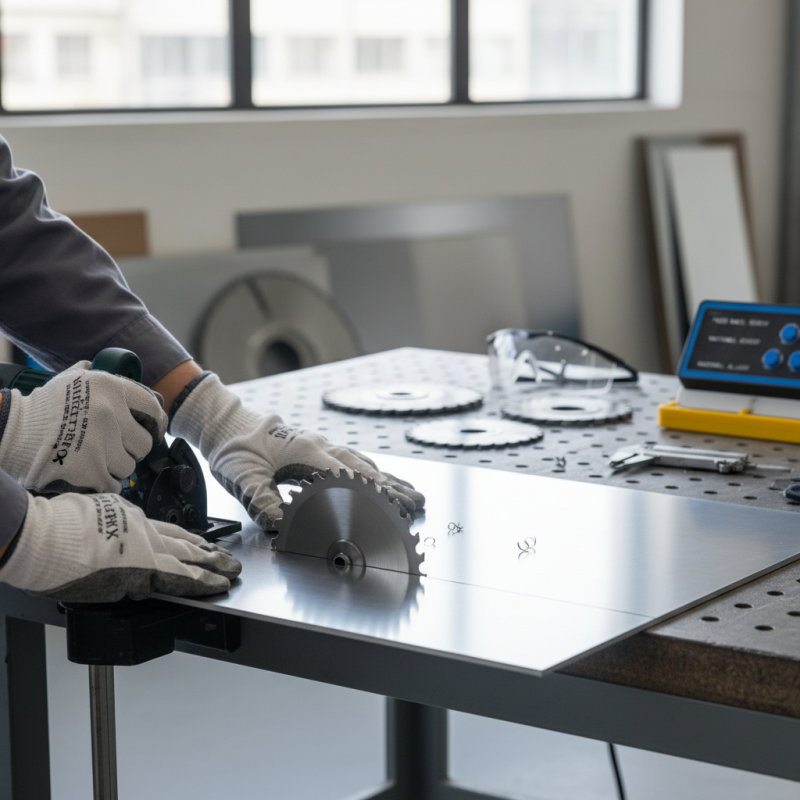
When shopping for aluminium sheets, understanding the types available is crucial. There are several varieties, including 3003, 5052, and 6061. Each serves different purposes. For example, 3003 sheets are known for their excellent workability. They are commonly used in cooking utensils and chemical equipment. Meanwhile, 5052 sheets offer good corrosion resistance and are often used in marine environments.
Thickness and finish also play vital roles. Sheets come in various gauges, affecting flexibility and strength. A thinner gauge might bend more easily, but it can also be more challenging to cut. Surface finishes can range from smooth to brushed. These details influence how you should handle the sheets during the cutting process. The right combination of type and finish can enhance your project's durability.
Many buyers overlook the importance of selecting suitable aluminium sheets. An improper choice can lead to difficulties in cutting and shaping. It is essential to consider your specific needs, such as weight and application. Engaging with suppliers for advice can provide valuable insights. However, not all advice is perfect. Always ask questions and seek clarity to make informed decisions.
Cutting aluminum sheets requires the right tools for precision and safety. A good-quality circular saw with a fine-tooth aluminum cutting blade is essential. It ensures clean cuts without burrs. For smaller, detailed work, a jigsaw with a metal cutting blade is effective. Always wear protective goggles to shield your eyes from flying debris.
Another useful tool is a metal shears. They can cut through thin sheets easily and are great for intricate shapes. A straight edge or a square helps guide your cuts, ensuring accuracy. Mistakes can happen, leading to wasted materials, so double-check measurements before cutting.
Using a utility knife is also an option for thin sheets. Score the aluminum, then bend along the line for a clean break. This method requires practice and care. Each tool has its quirks, and sometimes, the final cuts do not match your expectations. Evaluating your approach after each cut can lead to improvements. Embrace the learning process as you refine your technique.
When working with aluminium sheets, accurate measuring and marking are crucial. Begin by gathering your tools: a ruler, a marker, and a square. Clear your workspace. Ensure it is flat and free of debris. This sets a solid foundation for precise measurements.
Measure the aluminium sheet accurately. Use the ruler to get the dimensions you need. Mark your cut lines clearly. A straight edge will help. Ensure that your marks are visible but not too dark, as they can interfere with cutting later. It’s easy to make mistakes, so double-check your measurements before proceeding. Always think twice about the marks. Sometimes, errors can lead to wasted material, which is frustrating.
Post-measuring, allow yourself a moment to rethink. Have you accounted for the blade's width? Consider if you need to adjust your cutting lines. Taking extra time now prevents setbacks. This careful approach in measuring and marking ensures a smoother cutting process later on. Small details make a big difference in the end outcome.
When it comes to cutting aluminium sheets, choosing between manual and power tools can be daunting.
Manual methods, such as hand shears or snips, offer precision. They are ideal for small projects and intricate cuts. However, they require physical strength and can be time-consuming.
For a novice, the learning curve can be steep. This approach is seldom efficient for larger jobs.
Power tools, such as circular saws or jigsaws, are faster and more efficient. They can handle large sheets with ease. One must be cautious, though. The speed can lead to mistakes if the user isn’t attentive.
A dull blade can create jagged edges, requiring further finishing. It’s essential to find a balance between speed and precision.
Choosing the right method depends on your project’s scale and detail needed. For larger, straight cuts, power tools shine. For tighter, more detailed work, manual tools may be best. Yet, relying solely on one can limit your work quality.
Therefore, mastering both techniques can elevate your skills, ensuring optimal results for each project.
When cutting aluminium sheets, achieving clean edges is crucial. Improper cutting can lead to jagged edges and create safety hazards. According to a report by the Aluminium Association, over 30% of aluminium products fail quality tests due to poor cutting techniques. This highlights the importance of mastering proper cutting methods.
One common mistake is using dull tools. Sharp blades significantly enhance cutting precision. Tools should be checked regularly. Additionally, many buyers undervalue the importance of blade selection. Using the right blade type can decrease the chance of errors. For instance, a saw with fine teeth often provides smoother cuts.
Another frequent issue is the lack of support during cutting. Without proper support, the aluminium sheet can flex, leading to uneven cuts. Setting up a sturdy cutting surface is essential. Even small discrepancies in setup can lead to significant errors in the final product. It's also vital to clean the cutting area to avoid debris, which can cause unforeseen complications. This attention to detail can significantly improve the cutting process and overall result.
: Accurate measuring prevents mistakes and reduces material waste. Clear measurements guide your cuts.
You need a ruler, a marker, and a square. Keep your workspace flat and clean.
Use a straight edge for clarity. Marks should be visible but not too dark for cutting.
Rethink your measurements, check for blade width, and adjust cutting lines if needed.
Hand shears or snips are manual methods. They offer precision but require physical strength.
Power tools cut faster and handle larger sheets easily. However, they require attention to avoid mistakes.
Using dull tools can create jagged edges and reduce precision. Regularly check your blades.
Ensure your tools are sharp and use a suitable blade type. Support the sheet during cutting.
A sturdy cutting surface prevents the sheet from flexing. Even small discrepancies can cause errors.
Clean your cutting area thoroughly. Debris can lead to unforeseen complications in cutting.
In the quest to learn how to cut aluminium sheet properly, understanding the various types of aluminium sheets available is essential for buyers. Each type serves different purposes and requires specific cutting techniques. Equipping yourself with the right tools, whether manual or power, is crucial for effective and safe cutting.
The process begins with a thorough guide to measuring and marking the sheet accurately, ensuring precision in your cuts. Imparting skills in different cutting techniques can significantly enhance your results, with a strong emphasis on achieving clean edges and avoiding common mistakes. By following these detailed steps, buyers can confidently navigate the cutting process and achieve professional-quality results with their aluminium sheets.

Cellar Aluminum