Marine grade aluminium is a vital material in various industries, particularly for maritime applications. It is widely known for its resistance to corrosion, lightweight properties, and strength. Experts emphasize its significance in crafting durable solutions for marine environments. According to Dr. James Thornton, a leading authority in materials science, "Marine grade aluminium offers unparalleled strength while resisting the harshness of saltwater."
Many global buyers are intrigued by what marine grade aluminium is used for. Its applications span from boat hulls to yacht construction and even offshore structures. Manufacturers leverage its properties to enhance safety and longevity. The versatility of this material is staggering; it can be found in everything from small craft to large vessels.
However, challenges remain. Not all aluminium castings and sheet products are created equal. Buyers must be cautious in selecting the right type for their specific use. Understanding the precise characteristics of marine grade aluminium is crucial. Misjudging its applications can result in costly errors.
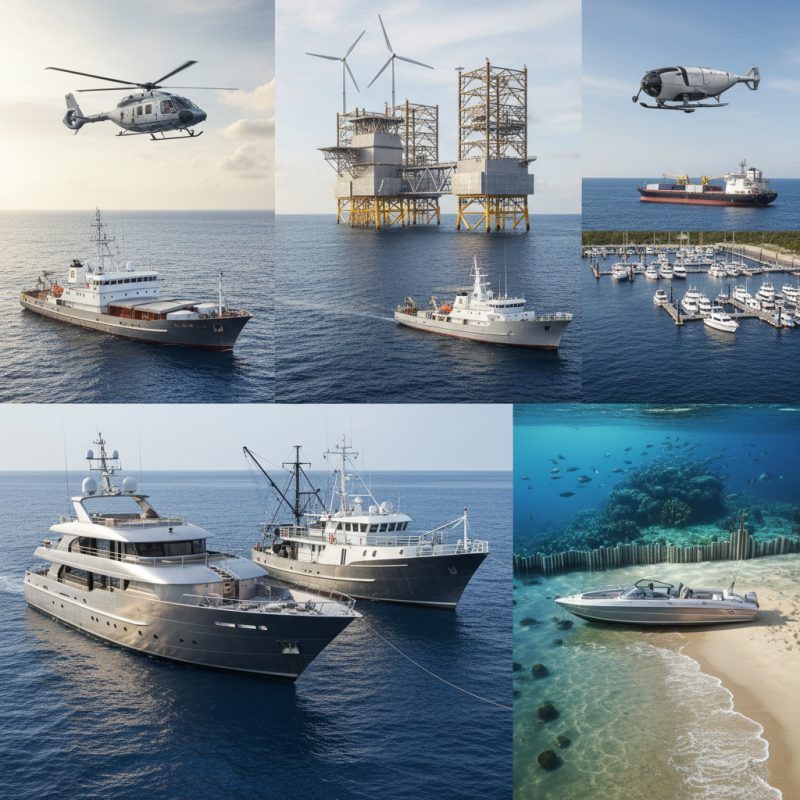
Best Applications of Marine Grade Aluminium in Shipbuilding and Yachting
Marine grade aluminium plays a critical role in
shipbuilding and yachting.
Its resistance to corrosion makes it an ideal choice for vessels exposed to
saltwater. The lightweight nature of this material allows for increased
fuel efficiency during long journeys. In yacht design, marine grade
aluminium offers flexibility in shaping, enabling unique and innovative designs that attract buyers.
Constructors appreciate its strength-to-weight ratio. This characteristic
ensures durability without compromising performance. Different
grades of marine aluminium are tailored for specific applications. For instance, some grades are suited for
hulls, while others are ideal for superstructures. Each application requires careful
consideration of the conditions the vessel will face.
It’s worth noting that selecting the right type of marine grade aluminium can be challenging. Not all alloys
provide the same level of resistance and durability. Builders must stay updated with industry standards and
advancements. While marine grade aluminium offers many benefits, its performance ultimately hinges on proper
selection and craftsmanship. A knowledgeable team can help navigate these complexities, ensuring
optimal results in shipbuilding and yachting projects.
Durable Marine Structures: Using Aluminium for Docks and Piers
Marine grade aluminium is known for its excellent durability and resistance to corrosion. This makes it an ideal choice for constructing docks and piers. These structures must withstand harsh marine environments, including saltwater, wind, and moisture. The weight-to-strength ratio of aluminium proves advantageous for building reliable, long-lasting facilities.
When designing a dock, consider using a thicker grade of aluminium. Thicker materials provide added strength and can better resist the elements. Additionally, a well-planned layout can reduce stress on the aluminium, extending the life of the structure. Regular maintenance checks are necessary to identify any signs of wear or corrosion. Even small issues can escalate if not addressed promptly.
Another tip is to incorporate anti-slip surfaces. When wet, aluminium can become slippery, presenting safety hazards. Using textured finishes or adding non-slip coatings can enhance safety for users. Ensuring suitable drainage systems is also critical. Poor drainage can lead to water pooling, which may weaken the aluminium over time. Effective designs prioritize longevity and user safety.
10 Best Uses of Marine Grade Aluminium for Global Buyers
Marine Grade Aluminium in Fishing Gear and Equipment Manufacturing
Marine grade aluminium is a popular choice for fishing gear and equipment manufacturing. Its resistance to corrosion makes it ideal for the harsh marine environment. Fishermen rely on tools made from this material to withstand saltwater exposure. This reliability can enhance the longevity of fishing boats, rods, and nets. Lightweight yet strong, marine grade aluminium helps in creating durable products that are easy to handle.
Fishing enthusiasts often find that the equipment made from this material improves their overall experience. For example, boat components can be designed for maximum efficiency. However, the manufacturing process isn't without flaws. Sometimes, inconsistencies in the material quality can arise. Producers need to maintain high standards to ensure reliability. Proper inspection must accompany production to prevent poor outcomes.
In fishing gear, the ergonomic design can be enhanced by using marine grade aluminium. This allows for better handling during long fishing trips. However, it is important to remember that even the best materials can't eliminate all issues. Regular maintenance is necessary to address wear and tear, reinforcing the need for ongoing vigilance and care in fishing activities.
Corrosion Resistance: Benefits for Offshore Oil and Gas Industries
Marine grade aluminium has emerged as a game-changer in offshore oil and gas industries. Its exceptional corrosion resistance is crucial in harsh environments. A 2021 report from the International Marine Organisation noted that over 70% of offshore structures experience corrosion-related issues. This data underscores the necessity for materials that can withstand saltwater and the harsh climate.
When choosing materials, consider the environment. Marine grade aluminium's unique properties allow structures to last longer. Recent studies revealed that structures made with this material could exceed a lifespan of 50 years, significantly reducing maintenance costs. Additionally, marine grade aluminium is lighter than steel, leading to decreased transport expenses and easier handling on-site.
Tips for choosing marine grade aluminium include checking the alloy’s properties. Look for aluminium alloys like 5083 and 6061, known for their durability. Ensure compliance with engineering standards for safety and reliability. Regular inspections are vital, as even high-quality materials can develop issues over time. Implementing a robust maintenance plan can help mitigate these risks. Even top-rated materials require attention.
Innovative Applications in Recreational and Commercial Watercraft Design
Marine grade aluminum is prominent in the design of both recreational and commercial watercraft. This alloy is known for its
exceptional resistance to corrosion and durability, making it essential for boats and yachts. Its lightweight nature enhances fuel efficiency, a critical factor for many boaters. When shopping for vessels, buyers often look for designs that prioritize these qualities.
In recreational applications, marine grade aluminum is used in various elements. From hulls to railings, its versatility stands out. Innovative designs leverage this material for features such as
integrated seating or storage compartments. However, some designs compromise aesthetics for function, sparking debate in the boating community.
Commercial craft often implement aluminum for its cost-effectiveness and strength, but the challenge lies in
balancing utility with user comfort. These applications reflect a blend of creativity and practicality. As industry trends evolve, gaps remain in optimizing aluminum's capabilities for watercraft. Continuous improvements and re-examinations of design choices are needed to enhance performance while ensuring safety.
The marine sector must remain focused on sustainable practices, considering both ecological impact and material efficiency.
FAQS
: Marine grade aluminium is a corrosion-resistant material essential for offshore oil and gas industries. It withstands harsh environments.
It extends the lifespan of structures beyond 50 years, significantly lowering maintenance costs over time.
Check alloy properties, like 5083 and 6061, and ensure it meets engineering standards for reliability and safety.
Regular inspections are crucial since even high-quality materials can develop issues. A strong maintenance plan is necessary.
Its lightweight nature enhances fuel efficiency and durability, making it ideal for hulls, railings, and other structural components.
Some boat designs prioritize function over aesthetics, which can lead to debate among users about design choices.
Balancing utility and user comfort remains a significant challenge in commercial craft using marine grade aluminium.
The marine sector must focus on sustainable practices while considering ecological impacts and material efficiency in designs.
Continuous assessment of design and material capabilities is vital for enhancing performance and ensuring safety over time.
Yes, ongoing innovations and re-examination of design choices are needed to maximize the benefits of this material in watercraft.
Conclusion
Marine grade aluminium is a versatile material known for its corrosion resistance and lightweight properties, making it ideal for various applications in maritime industries. What is marine grade aluminium used for? It is primarily utilized in shipbuilding and yachting, where its durability and resistance to harsh marine environments contribute to the longevity of vessels. Additionally, this aluminium is employed in constructing robust marine structures like docks and piers, enhancing their durability against the elements.
In the fishing industry, marine grade aluminium is crucial for manufacturing gear and equipment, ensuring both lightweight handling and resistance to corrosion from saltwater. Moreover, its benefits extend to offshore oil and gas industries, where corrosion resistance is paramount for safety and operational efficiency. Lastly, innovative applications of marine grade aluminium can be seen in both recreational and commercial watercraft design, allowing for creative and efficient vessel solutions that meet the demands of modern maritime activities.

 Cellar Aluminum