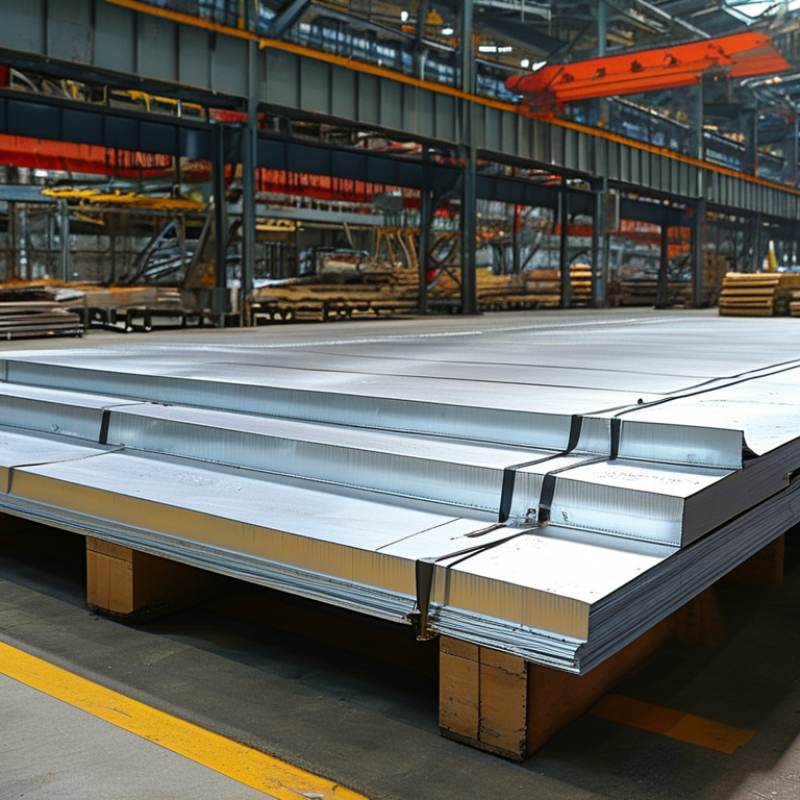
Aluminium plates are a versatile material used in various industries. They are lightweight yet strong, making them ideal for numerous applications. As global demand increases, understanding what are aluminium plates used for becomes crucial for buyers.
In construction, aluminium plates provide structural support. They resist corrosion and require low maintenance, making them a reliable choice. In the automotive sector, manufacturers utilize these plates for body panels and frameworks. Their durability contributes to safety and longevity in vehicles.
These plates also play a significant role in manufacturing food and packaging solutions. Their non-reactive nature helps maintain food quality. However, one must be cautious about sourcing to ensure quality and compliance. This guide will explore the best uses of aluminium plates and provide insights for global buyers.
Best Uses of Aluminium Plates in Aerospace Industry for 2026
The aerospace industry is increasingly recognizing the advantages of aluminum plates for various applications. These plates are lightweight yet strong, making them ideal for aircraft components. In 2026, we expect this trend to continue, given the ongoing push for fuel efficiency and performance.
Aluminum plates are often used in the fuselage, wings, and tail sections of aircraft. Their corrosion resistance helps ensure longevity, reducing maintenance costs over time. Engineers often grapple with challenges in balancing weight and strength. Aluminum plates offer a reliable solution here, but sourcing high-quality materials remains a crucial concern.
Furthermore, the versatility of aluminum allows for easy machining and custom fabrication. Companies can create specific shapes suited to their needs. However, the precision required in aerospace applications means not all suppliers meet industry standards. Careful selection of materials and manufacturers is paramount. As we move forward, ongoing innovations in aluminum processing could further enhance its role in aerospace design.
Innovative Applications of Aluminium Plates in Automotive Manufacturing
Aluminium plates are becoming increasingly important in automotive manufacturing. These lightweight materials contribute to fuel efficiency and overall performance. They are often used in body structures and panels because they offer strength without adding excess weight. This balance is critical as car manufacturers strive to meet stricter environmental regulations.
Innovative applications emerge as engineers explore new designs. For instance, aluminium plates can enhance crash safety while reducing overall vehicle mass. However, challenges remain in welding and joining these materials effectively. New methods are needed to ensure structural integrity. The quest for better techniques continues as the industry evolves.
Using aluminium plates also presents environmental considerations. While they are recyclable, the energy used in production is high. Manufacturers must explore sustainable methods to minimize carbon footprints. These considerations are essential for future innovations in automotive design, ensuring that performance and environmental responsibility go hand in hand.
2026 Best Uses of Aluminium Plates in Automotive Manufacturing
Enhancing Construction Projects with Aluminium Plates in 2026
Aluminium plates are becoming essential in construction projects. Their lightweight structure, corrosion resistance, and versatility make them ideal for various applications. According to the Aluminium Association, the global market for aluminium plates is projected to reach $160 billion by 2026. This trend reflects the material's growing popularity among builders and engineers.
In 2026, leveraging aluminium plates in construction ensures enhanced structural integrity. The plates are often used for facades, roofing, and interior structures. Their durability allows for long-lasting installations with minimal maintenance. Interestingly, aluminium's malleability allows for complex designs, giving architects more creative freedom.
Tips: When selecting aluminium plates, consider thickness and finish. These factors significantly impact the material's performance. Also, verify supplier certifications for material quality. Regularly evaluate project requirements to maximize the benefits of using aluminium plates. As usage increases, it’s crucial to monitor environmental impact and promote recycling initiatives for waste reduction.
2026 Best Uses of Aluminium Plates for Global Buyers
| Application Area |
Thickness Range (mm) |
Common Alloy |
Benefits |
| Construction |
3 - 10 |
6061 |
Lightweight, durable, corrosion-resistant |
| Aerospace |
2 - 5 |
2024 |
High strength-to-weight ratio, excellent fatigue resistance |
| Transport |
4 - 12 |
5083 |
Excellent corrosion resistance, tough |
| Marine |
6 - 15 |
5005 |
Resists saltwater corrosion, aesthetic appeal |
| Architecture |
1 - 8 |
1100 |
Finishes well, enhances aesthetic value |
Aluminium Plates in the Marine Industry: Key Applications and Benefits
Aluminium plates play a crucial role in the marine industry. They are known for their light weight and high strength, essential for shipbuilding. According to a recent report by the International Aluminium Institute, the marine sector consumed approximately 1.5 million metric tons of aluminium in 2022. This number is projected to rise by 5% annually as the industry shifts toward more sustainable materials.
One of the key applications of aluminium plates in marine construction is in hull fabrication. These plates resist corrosion, which prolongs the lifespan of vessels. Aluminium's ability to withstand harsh marine environments enhances safety. Additionally, these plates are easier to shape than traditional materials, allowing for innovative designs. However, welding aluminium remains a challenge due to its thermal properties. Experts highlight the need for specialized training in this area to improve efficiency.
The benefits extend to maintenance, as aluminium structures require less upkeep compared to steel. A 2021 study indicated that ships made from aluminium could reduce maintenance costs by up to 30%. Despite these advantages, the higher initial cost of aluminium plates can deter some buyers. The marine industry must weigh immediate costs against long-term benefits when considering materials.
Sustainable Practices: Recycling and Repurposing Aluminium Plates Globally
Aluminium plates have versatile applications, making them a popular choice worldwide. Their lightweight nature and strength are appealing to many industries. However, the environmental impact of production is a concern. Recycling and repurposing are essential for sustainable use.
Sustainable practices are crucial in maximising the lifecycle of aluminium plates. Many companies focus on recycling old plates. This not only reduces waste but also conserves energy. For instance, recycled aluminium uses 95% less energy compared to new aluminium. Supporting local recycling programs can enhance sustainability too.
Tips for recycling aluminium plates include washing them before disposal. Clean plates help in the recycling process. Identify local recycling facilities that accept aluminium. Engaging in community awareness programs about recycling can also stimulate better practices. Reflect on the products you use daily—are they recyclable? Every small step counts towards a greener future.
Conclusion
The article "2026 Best Uses of Aluminium Plates for Global Buyers" delves into the diverse applications of aluminium plates across various industries. It highlights their critical role in the aerospace sector, where lightweight and durable materials enhance aircraft performance and fuel efficiency. In automotive manufacturing, aluminium plates are innovatively used to improve vehicle design and safety, contributing to the industry's shift towards more sustainable practices.
Furthermore, the construction industry benefits from aluminium plates due to their strength and versatility, allowing for innovative architectural designs. The marine industry also finds essential applications in building robust and corrosion-resistant vessels. Finally, the article addresses sustainable practices by emphasizing the importance of recycling and repurposing aluminium plates, answering the question of what are aluminium plates used for in a way that promotes environmental responsibility and resource efficiency.

 Cellar Aluminum