Aluminium has become a pivotal material in modern construction. Many industry experts consistently highlight its advantages. For instance, John Smith, a leading architect, once stated, "Aluminium’s versatility and strength make it a top choice for building projects." This statement embodies a key reason for its widespread use: durability.
Why is aluminium used in construction? The answer lies in its unique properties. Aluminium is lightweight yet strong, allowing for innovative designs that are both functional and aesthetically appealing. It resists corrosion, ensuring longevity even in harsh environments. These characteristics foster creativity in architecture, leading to remarkable structures.
However, despite its benefits, aluminium is not without challenges. Issues such as energy consumption during production cannot be overlooked. It’s crucial for industry stakeholders to reflect on these factors. Building sustainably requires a careful balance between material choice and environmental impact. Overall, aluminium remains a significant player in the construction world, continually provoking discussions about innovation and sustainability.
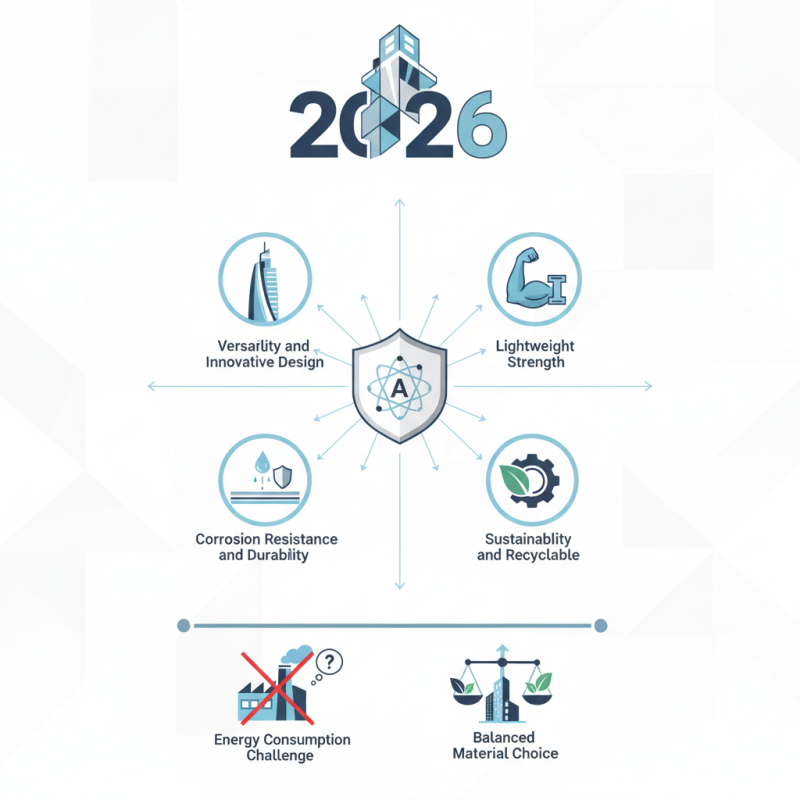
Aluminium offers significant advantages in construction. It is lightweight yet strong, making it ideal for various building applications. Structures benefit from its ability to resist corrosion. This feature ensures longevity and reduces maintenance costs dramatically. In environments with harsh weather, aluminium truly shines.
Its versatility is noteworthy. Aluminium can be molded into various shapes and designs. This flexibility allows architects to explore creative options. However, the initial cost can be a concern for some projects. Investing in aluminium pays off in the long run due to its durability and performance.
Another significant perk is its recyclability. Nearly 75% of all aluminium ever produced is still in use today. This contributes to sustainability efforts within the construction industry. While there are challenges, like thermal conductivity, innovations are addressing these issues. Overall, aluminium continues to establish itself as a preferred material in modern construction.
Aluminium is becoming a top choice in construction due to its lightweight properties. This metal is about one-third the weight of steel. This lightness translates into significant benefits for structural efficiency. Buildings require less foundation support, which can reduce costs and material usage. According to the International Aluminium Institute, lighter materials enhance design possibilities while maintaining safety.
Using aluminium allows for innovative designs that include expansive spaces and large windows. The reduced weight also minimizes transportation costs. Data from the Aluminium Stewardship Initiative reveals that using aluminium in construction can lead to a 15% reduction in energy consumption during assembly.
Tips: When considering aluminium, factor in its recyclability. This can lessen environmental impact. Always assess how reducing weight can affect the overall durability of the structure. Engineers must re-evaluate designs to optimize material performance. It’s essential to balance lightweight properties with sufficient strength to ensure safety.
Aluminium's resistance to corrosion makes it a top choice for construction. This metal weathers well in various environments. It forms a natural oxide layer that protects against rust and degradation. This durability ensures structures last longer, even in harsh conditions. Coastal buildings benefit from its strength against saltwater. Urban constructions withstand pollution effects better with aluminium.
Aluminium’s lightweight nature complements its strength. This balance makes handling and assembly easier on-site. Nevertheless, aluminium is not entirely invincible. It can still corrode under extreme conditions. Factors like pH levels and moisture affect its integrity. Regular maintenance is necessary to address any potential weaknesses.
Professionals must understand aluminium's vulnerabilities. This knowledge promotes better design choices. Selecting the right alloys and coatings can enhance aluminium's performance. As construction evolves, continuous research is essential. It helps identify innovative ways to maximize aluminium's benefits while mitigating any risks. Building with aluminium offers promising longevity when handled correctly.
Aluminium's role in modern construction is increasingly recognized for its sustainability and recyclability. A report by the International Aluminium Institute indicates that recycling aluminium requires 95% less energy than producing it from raw materials. This significant reduction in energy consumption highlights aluminium's eco-friendliness. The construction sector can greatly benefit from using recycled aluminium, as it reduces the carbon footprint and demand for natural resources.
About 75% of all aluminium ever produced is still in use today. Its permanence is crucial for sustainable development. Not only does aluminium last long, but it is also highly versatile. Many buildings utilize aluminium for windows, roofs, and facades. This adaptability allows architects to design energy-efficient buildings that require less heating and cooling.
However, the production of new aluminium can be energy-intensive. Although recycling mitigates some of these concerns, the initial processes can raise environmental questions. Addressing these issues is essential for the industry's future. As the demand for sustainable practices shines, the construction sector must weigh aluminium's advantages against its production impacts.
This chart illustrates the importance of key factors that make aluminium a preferred material in modern construction. Sustainability and lightweight properties are considered the most crucial, alongside its recyclability and cost-effectiveness.
Aluminium has become a popular choice in modern architecture due to its design versatility. It allows architects to explore unique shapes and structures. This metal can be easily molded and shaped into various forms, enabling innovative designs that capture the eye. Buildings today often feature sweeping curves and striking angles, thanks to aluminium's flexibility.
Moreover, the aesthetic potential of aluminium is significant. Its sleek finish can be used in a range of color options, from bold hues to subtle metallic shades. This adaptability helps in enhancing the visual appeal of a building. Many structures incorporate aluminium in facades and cladding to create a modern look.
However, while aluminium offers many benefits, it does have some drawbacks. Its thermal conductivity can lead to energy inefficiencies if not managed properly. Design professionals must consider insulation and climate factors. Despite these challenges, the transformative impact of aluminium in architecture continues to inspire creativity and innovation. Balancing aesthetics with functionality remains crucial in leveraging this material effectively.
: Aluminium is lightweight and strong, resists corrosion, and reduces maintenance costs. Its durability ensures long-lasting structures.
Aluminium weighs about one-third of steel, reducing foundation needs and costs while enhancing design possibilities and safety.
Yes, aluminium is highly recyclable. About 75% of all aluminium ever produced is still in use, supporting sustainability efforts.
Yes, aluminium resists corrosion and performs well in coastal and urban settings, but it needs regular maintenance to address potential corrosion.
Balance its lightweight properties with strength. Engineers must evaluate designs to ensure durability and safety while optimizing material use.
Initial costs can be higher compared to other materials. Additionally, aluminium can corrode in extreme conditions, requiring careful selection and maintenance.
Using aluminium can lead to a 15% reduction in energy usage during assembly due to its lightweight nature, lowering overall costs.
Aluminium’s flexibility allows for creative shapes and large openings, enhancing aesthetics, but requires thoughtful engineering to maintain safety.
No, while durable, aluminium can still corrode under harsh conditions. Understanding and mitigating vulnerabilities is crucial for long-term performance.
Selecting appropriate alloys and coatings enhances performance. Continuous research helps improve understanding and optimize aluminium’s benefits in construction.
Aluminium has become a popular choice in construction for several compelling reasons. One of the primary advantages is its lightweight properties, which significantly enhance structural efficiency without compromising strength. This characteristic allows for easier transportation and installation, ultimately reducing project timelines and costs. Furthermore, aluminium's corrosion resistance ensures longevity and durability across various environments, making it an ideal material for both residential and commercial structures.
Sustainability is another key factor in why aluminium is used in construction, as it is highly recyclable, contributing to environmentally friendly building practices. Additionally, the design versatility of aluminium offers architects and designers the opportunity to create innovative and aesthetically pleasing structures, transforming the architectural landscape. Overall, the multifaceted benefits of aluminium highlight its integral role in modern construction, addressing both functional and ecological considerations.

Cellar Aluminum