Anodized aluminium is a material with diverse applications in many industries. It is crucial to understand what is anodized aluminium used for in various sectors. This process enhances the surface of aluminium, increasing its corrosion resistance and aesthetic appeal. Many industries utilize anodized aluminium for its durability and lightweight properties.
In the aerospace industry, manufacturers choose anodized aluminium for aircraft components. This is vital for improving performance and safety. The automotive sector also benefits from this material. It plays a significant role in making lightweight but strong vehicle parts. Anodized aluminium helps in reducing overall vehicle weight, which improves fuel efficiency.
However, not all applications showcase its strengths. Some may question the cost-effectiveness of anodized aluminium compared to alternatives. Additionally, issues like scratching and color fading can arise. Reflecting on these challenges is necessary to better understand its potential and limitations across industries.
What Is Anodized Aluminium?
Anodized aluminium is a metal treatment process that increases corrosion resistance. By thickening the natural oxide layer, this process enhances durability. The resulting finish is not only appealing but also functional. It adds protection against wear and scratches. This makes anodized aluminium ideal for various industries.
In the aerospace sector, anodized aluminium is critical. Aircraft components require lightweight yet strong materials. Anodized aluminium meets these needs while offering resistance to harsh conditions. Similarly, the automotive industry relies on it for parts exposed to the elements. This treatment helps maintain a vehicle's appearance and performance over time.
Architectural applications also benefit from anodized aluminium. It is used in building facades, window frames, and even interior designs. The treatment allows for various colors and textures, enhancing aesthetic appeal. However, achieving consistent quality can sometimes be a challenge. Variability in anodizing conditions may lead to mismatched finishes, which could affect the final product's look.
The Anodizing Process Explained
Anodizing is a vital process in the aluminium manufacturing sector. It enhances the metal's properties by creating a protective oxide layer. This layer improves durability and corrosion resistance, making it suitable for various applications. The anodizing process involves immersing the aluminium in an electrolytic solution. An electrical current then facilitates oxidation. According to a report by the International Aluminium Institute, anodized aluminium shows a remarkable increase in wear resistance, often up to 20 times that of untreated aluminium.
Different industries utilize anodized aluminium for specific needs. In the aerospace sector, lightweight materials are crucial. Anodized aluminium provides strength without adding weight, essential for fuel efficiency. The automotive industry also benefits. Anodized components resist scratches and environmental damage, prolonging the lifespan of vehicles. A study from the Society of Automotive Engineers shows a 30% increase in component durability when using anodized aluminium versus non-anodized forms.
In architectural applications, anodized aluminium offers aesthetic options without compromising durability. It can be finished in various colors, appealing to designers. However, imperfections can arise during the anodizing process. An inconsistent current may lead to uneven thickness in the oxide layer. Such flaws require careful inspection post-treatment. Overall, the anodizing process is impressive yet demands precision and expertise.
Key Properties of Anodized Aluminium
Anodized aluminum has become a popular choice across various industries due to its distinct properties. One key feature is its enhanced corrosion resistance. This makes it perfect for construction, especially in climates prone to moisture. The anodization process forms a thick oxide layer, which protects the metal underneath. As a result, structures made from anodized aluminum can last much longer than those made with untreated aluminum.
Another important property is its improved surface hardness. Anodized aluminum is tougher than its untreated counterpart. This is particularly beneficial in the automotive industry, where wear and tear are significant concerns. The harder surface resists scratches and impacts. Anodized components also maintain their appearance over time. However, despite these advantages, some in the industry express concerns over the process's initial costs. It's vital to weigh the long-term benefits against upfront expenditures. Some applications may not justify the investment in anodized aluminum.
Aesthetics also play a role. Anodized aluminum can be dyed in various colors, allowing for creative designs. This feature is appealing in consumer electronics and architectural settings. Companies appreciate the versatile options this provides. However, the dyeing process can sometimes lead to uneven coloration. Thus, achieving consistent results requires careful quality control. Overall, while anodized aluminum has distinct advantages, it also presents challenges that need addressing.
Applications of Anodized Aluminium in Various Industries
Applications in the Automotive Industry
In the automotive industry, anodized aluminum plays a vital role due to its unique properties. This process enhances aluminum's durability and resistance to corrosion. As vehicles face various weather conditions, anodized aluminum components provide long-lasting performance. The lightweight nature of aluminum also helps in improving fuel efficiency. Manufacturers often use this material for trim pieces, wheels, and even engine components.
One key application is in the production of automotive body panels. These panels, often subjected to rough handling and environmental stress, benefit significantly from anodization. The aesthetic appeal increases with a wide range of colors and finishes available. However, it is important to consider the balance between aesthetics and functionality. Some finishes may not hold up well over time under certain conditions.
In addition to exterior applications, anodized aluminum is also found in interior components. Dashboard elements, control knobs, and decorative trims often use this material. The surface treatment not only enhances appearance but also increases wear resistance. However, achieving the right texture can be challenging. Finding a balance between appeal and practicality requires careful consideration during the design process.
Uses in the Aerospace and Aviation Sectors
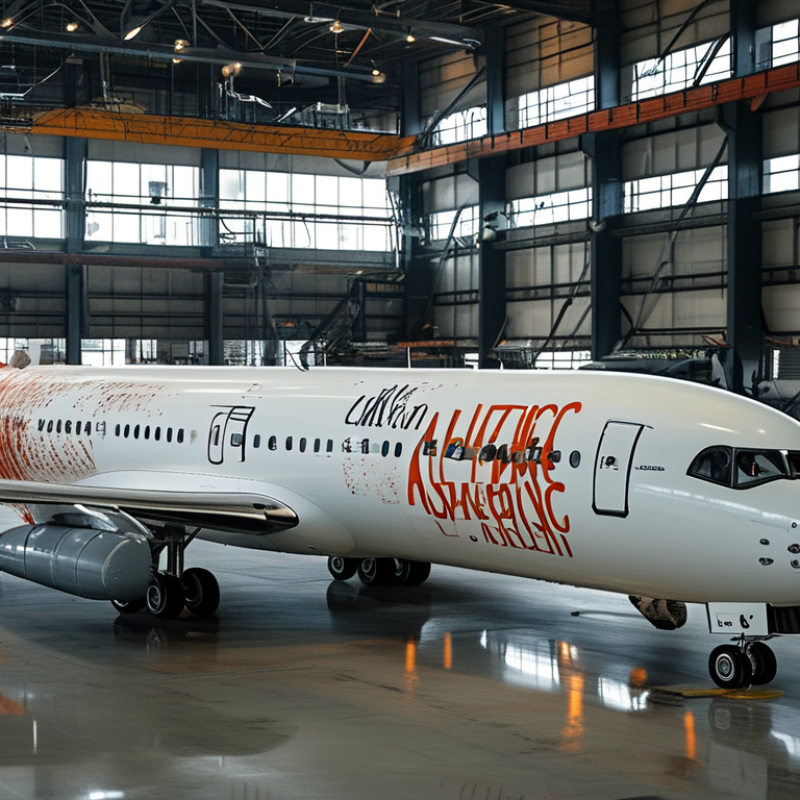
Anodized aluminum plays a pivotal role in the aerospace and aviation sectors. Its lightweight and strong properties make it a favorite among manufacturers. Anodizing increases the thickness of the natural oxide layer on aluminum, enhancing its resistance to corrosion. This is critical in aviation, where aluminum components face harsh environmental conditions.
Airplanes rely on anodized components for fuselage, wing structures, and various internal fittings. The anodized finish not only protects but also improves adhesiveness for paints and other coatings. It helps ensure the longevity of these critical components. Yet, the process must be precisely controlled. Insufficient anodization can lead to inadequate protection over time.
Surface treatments are crucial. Choosing the right anodizing specification can affect the performance of parts. Regular inspections can highlight potential weaknesses. A thorough understanding of anodized aluminum properties can help engineers choose better materials. This fosters reliability in aircraft operations, reducing the risk of failure.
Anodized Aluminium in Consumer Products and Electronics
Anodized aluminium is a versatile material widely used in consumer products and electronics. This surface treatment enhances the metal's durability and resistance to corrosion. For example, you can find anodized aluminium in mobile phone housings, laptop casings, and even kitchen appliances.
The anodizing process creates a protective oxide layer that is both lightweight and aesthetically pleasing, making it a prime choice for modern design.
In the electronics sector, anodized aluminium offers several advantages. The thermal conductivity of this material helps improve heat dissipation in devices. Moreover, the anodized layer can be formulated to achieve various colors, allowing for customization in product design. However, not all anodized finishes are created equal, and some may wear over time. It's essential for manufacturers to consider the quality of the anodized layer to ensure longevity.
Consumers appreciate anodized aluminium for its sleek look and practicality. Yet, the process does have limitations. Depending on the thickness of the anodized layer, it can be susceptible to scratching and chipping. This can lead to challenges in maintaining the product's appearance. Users should understand that, while anodized aluminium provides excellent performance, regular care is necessary to keep it looking new.
FAQS
: Anodized aluminum is treated metal with enhanced corrosion resistance and improved durability.
It is lightweight and resistant to harsh conditions, meeting the needs of aircraft components.
The anodizing process adds color options and textures, enhancing the aesthetic appeal of products.
Variability in anodizing can create mismatched finishes, impacting the final product's look.
Yes, anodized aluminum has improved surface hardness, making it more resistant to scratches and wear.
While initial costs may be high, anodized aluminum's durability can lead to cost savings over time.
It is often used for body panels, wheels, and interior components due to its durability and aesthetics.
The dyeing process can lead to uneven coloration, requiring careful quality control.
Its lightweight nature contributes to better fuel efficiency in vehicles.
They must balance aesthetics and functionality, especially regarding texture and durability.
Conclusion
Anodized aluminium is a versatile material that undergoes an electrochemical process to enhance its natural oxide layer, providing greater durability and corrosion resistance. This treatment not only improves the aesthetic appeal of aluminium but also increases its lifespan, making it valuable across various industries. Key properties of anodized aluminium include increased surface hardness, better wear resistance, and resistance to fading, which collectively contribute to its widespread usage.
Regarding what anodized aluminium is used for, its applications span multiple sectors. In the automotive industry, it is commonly found in components that require lightweight and durable materials, such as trim and hardware. In aerospace and aviation, anodized aluminium is utilized for structural components and interior fittings due to its strength-to-weight ratio. Additionally, in consumer products and electronics, anodized aluminium is favored for casings, heat sinks, and decorative elements, emphasizing its importance in enhancing both functionality and design.

 Cellar Aluminum