2026 What is Anodized Aluminium Used for in Industries?

Time:2026-05-13 Author:Mason
0%

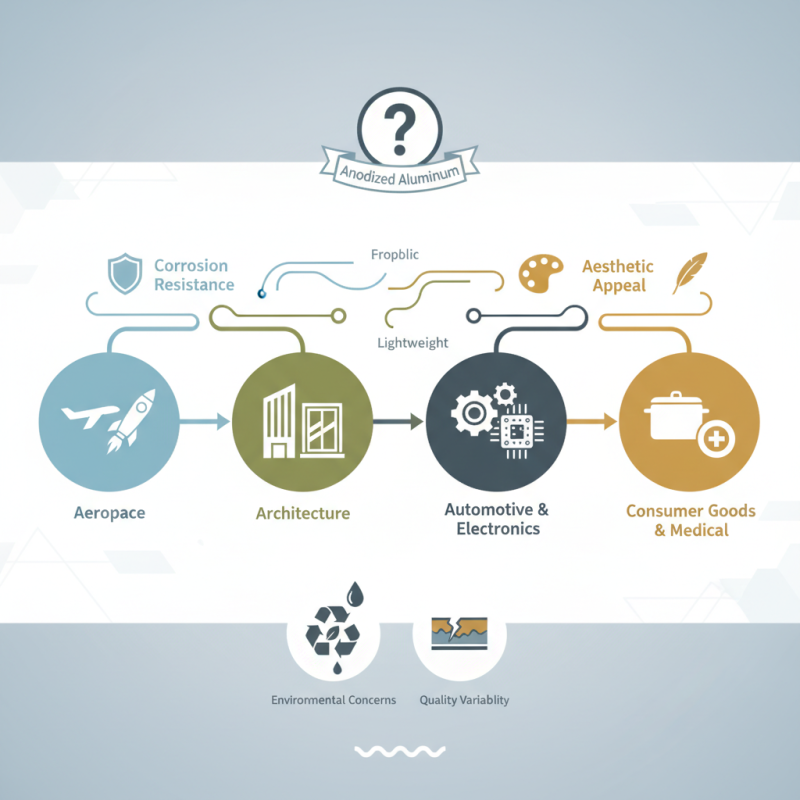
Anodized aluminium plays a vital role in various industries. Its corrosion resistance and aesthetic appeal make it a preferred material. According to industry expert Dr. Sarah Thompson, "Anodized aluminium is essential for any application requiring durability and design."

What is anodized aluminium used for? This question leads us to explore many sectors. From aerospace to architecture, anodized aluminium contributes to functionality and beauty. In the aerospace industry, its lightweight nature helps improve fuel efficiency. Architectural facades benefit from its vibrant colors and weather resistance. Each application reflects the versatility of this material.

Despite its advantages, there are challenges. The anodizing process can produce waste, raising environmental concerns. Additionally, not all anodized coatings are equal. Variability in thickness and quality affects performance. Thus, understanding what is anodized aluminium used for is crucial for making informed decisions in industrial applications.
2026 What is Anodized Aluminium Used for in Industries?

Applications of Anodized Aluminium in Aerospace Engineering

Anodized aluminum plays a crucial role in aerospace engineering. Its lightweight nature is vital for applications where weight reduction is paramount. According to a 2021 report by the International Journal of Aerospace Engineering, anodized aluminum can reduce aircraft weight by up to 20%. This reduction leads to enhanced fuel efficiency and lower operational costs.

In aerospace construction, anodized aluminum is used in components such as fuselage frames, engine casings, and wing structures. The anodization process increases corrosion resistance, essential for materials exposed to harsh environments. Statistics reveal that anodized surfaces resist oxidation 30% more effectively than untreated aluminum. This property is invaluable in maintaining structural integrity during flights.

Challenges exist in working with anodized aluminum. The coating can sometimes be uneven, leading to weak spots. Engineers often need to closely monitor the anodization process to ensure reliability. Pursuing improvements in this area remains a priority to enhance durability and safety standards in aerospace applications.

Role of Anodized Aluminium in Automotive Manufacturing Efficiency

Anodized aluminium plays a critical role in automotive manufacturing. This process enhances the durability and corrosion resistance of aluminium components. As a lightweight material, anodized aluminium contributes to overall vehicle efficiency. Automakers utilize it for various parts, from frames to engine components. However, the manufacturing process can be complex and time-consuming.

On the assembly line, anodized aluminium reduces weight, potentially improving fuel efficiency. It can also allow for greater design flexibility. A variety of finishes can enhance aesthetic appeal. Yet, the cost of anodizing needs consideration. Balancing performance and expense remains a challenge for manufacturers.

Excessive reliance on anodized aluminium may not be ideal. Factors like supply chain disruptions can impact production. Continuous improvement in anodization techniques is essential. Companies must weigh advantages against potential drawbacks in their processes. Adapting to changing industry standards requires ongoing innovation and collaboration.

2026 What is Anodized Aluminium Used for in Industries? - Role of Anodized Aluminium in Automotive Manufacturing Efficiency

Application Area Benefits of Anodized Aluminium Common Uses
Automotive Exteriors Enhanced corrosion resistance, lightweight Car bodies, trims, and frames
Interior Components Aesthetic appeal, durability Dashboard panels, console casings
Heat Exchange Systems Improved thermal conductivity Radiators, intercoolers
Structural Components High strength-to-weight ratio Chassis parts, roll bars
Electrical Components Electrical insulation, heat dissipation Wiring harnesses, connectors

Anodized Aluminium Utilization in Construction and Architecture Design

Anodized aluminum is a key material in construction and architectural design. Its surface treatment provides durability and corrosion resistance. This makes it ideal for cladding and facades. Buildings in urban areas benefit from its ability to withstand harsh weather. The finish can be tailored to various aesthetics, adding visual interest to structures.

Architects are increasingly drawn to anodized aluminum for its lightweight properties. This reduces the overall load on buildings. Easy installation is another advantage. However, the color options may be limited compared to paint. Some designers find it challenging to match anodized finishes with other materials. These aspects can lead to creative concerns during the design process.

Despite these limitations, anodized aluminum has made a significant impact. Its use in window frames and door systems is notable. The material’s thermal efficiency enhances energy conservation. However, cost factors can be a barrier for some projects. Designers must weigh the benefits against budget constraints. This tension between quality and cost is a common discussion in many projects.

Impact of Anodized Aluminium on Consumer Electronics Durability

Anodized aluminium is increasingly popular in consumer electronics. This material significantly improves the durability of devices. In a recent report by the Aluminium Association, anodized surfaces can boost resistance to wear and corrosion by up to 50%. This durability is vital for electronics exposed to daily use.

Many consumers report fewer scratches on anodized devices. The process enhances the thickness of the protective layer. This layer is non-conductive, which is essential for electronic components. However, while anodization offers benefits, it is not foolproof. Some users have noted that the finish can wear over time, especially with heavy use.

Another intriguing aspect is the aesthetic appeal. Anodized aluminium can come in various colors while maintaining functionality. It allows manufacturers more design freedom without sacrificing durability. Still, challenges remain in ensuring uniform quality across batches. Manufacturers must pay attention to these factors.

Anodized Aluminium in the Food and Beverage Packaging Industry

Anodized aluminum has found a significant place in the food and beverage packaging industry. Its surface treatment enhances resistance to corrosion and wear. This durability extends the shelf life of products while ensuring safety. With anodized aluminum, the risk of contamination is considerably reduced. As a result, it’s increasingly chosen for packaging solutions.

The appealing finish of anodized aluminum offers not just functionality but aesthetic appeal. It can be dyed into various colors, making it attractive for branding. Consumers often respond positively to visually appealing packages. However, companies should carefully consider the environmental impact of materials used. Striking a balance between functionality and sustainability remains a challenge in packaging today.

**Tips:** When selecting anodized aluminum for packaging, focus on quality certifications. Ensure the materials comply with food safety standards. Always consider how the packaging interacts with the food and beverages. Sustainability should be a key factor in your decision-making. This approach can lead to a better reputation among consumers.

Anodized Aluminium Usage in the Food and Beverage Packaging Industry (2026)

FAQS

: What is the main benefit of anodized aluminum in aerospace engineering?

: Anodized aluminum reduces aircraft weight by up to 20%, enhancing fuel efficiency.

How does anodized aluminum help with corrosion resistance?

It resists oxidation 30% better than untreated aluminum, vital for structural integrity.

What are some challenges of anodized aluminum in aerospace applications?

The coating can be uneven, causing potential weak spots requiring close monitoring.

Why is anodized aluminum popular in consumer electronics?

It boosts durability, increasing resistance to wear and corrosion by up to 50%.

Can anodized aluminum finishes wear over time?

Yes, some users report wear on finishes, especially with heavy use.

What aesthetic advantages does anodized aluminum provide?

It can be dyed in various colors, giving manufacturers design flexibility without loss of durability.

How does anodized aluminum benefit food and beverage packaging?

It enhances durability, extending shelf life while reducing contamination risks.

What should companies consider regarding anodized aluminum packaging?

They should focus on quality certifications and environmental impact for sustainability.

How important is sustainability in anodized aluminum packaging?

Balancing functionality and sustainability helps build a positive consumer reputation.

What is a common consumer perception of anodized aluminum products?

Consumers often appreciate the attractive finish and reduced scratch visibility on devices.

Conclusion

Anodized aluminium is a versatile material widely utilized across various industries due to its enhanced properties. In aerospace engineering, its lightweight yet durable nature contributes to the safety and efficiency of aircraft. In automotive manufacturing, anodized aluminium aids in improving manufacturing efficiency and reducing overall vehicle weight, which can enhance fuel economy. Additionally, in construction and architecture design, its aesthetic appeal and resistance to corrosion make it an ideal choice for building facades and structural components.

Furthermore, when considering what is anodized aluminium used for in consumer electronics, its durability ensures that devices can withstand daily wear and tear, thereby prolonging their life span. The food and beverage packaging industry benefits from anodized aluminium's non-toxic properties, making it safe for food contact while maintaining freshness. Overall, the applications of anodized aluminium reflect its importance and adaptability in modern engineering and design.

Mason

Mason

Mason is a seasoned marketing professional with a deep expertise in the company's offerings and a passion for driving brand awareness. With a strong background in digital marketing strategies, he has an innate ability to connect with diverse audiences and effectively communicate product benefits.......