The process of how aluminium sheet is made is crucial for global industries. Renowned metallurgist Dr. Emily Carter states, "Understanding the production of aluminium sheets helps buyers make informed choices." This highlights the importance of knowledge in sourcing quality materials.
Aluminium sheets are created through a series of stages. First, raw aluminium is extracted and refined. This entails grinding bauxite ore into a fine powder. The concentrated powder is then treated to remove impurities. Next, the purified aluminium undergoes a smelting process to produce liquid metal.
Once the metal is ready, it is cast into large blocks. This allows for easier handling. Finally, these blocks are rolled into thin sheets using heavy-duty machinery. Despite advancements, challenges remain in achieving consistent thickness and quality. These factors can affect the final product's durability and performance. Buyers must consider these aspects when asking, how is aluminium sheet made.
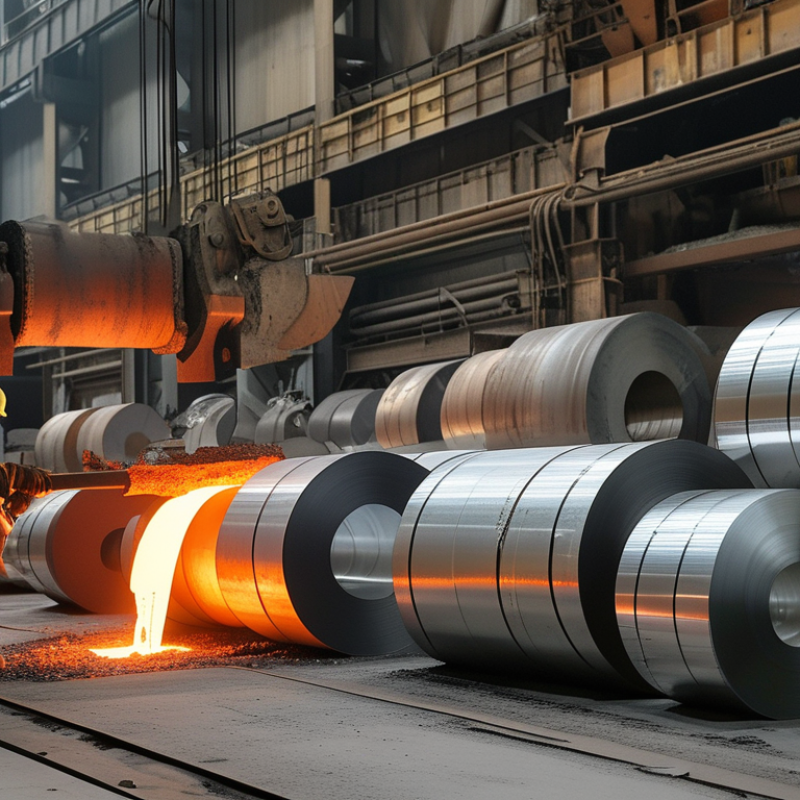
Understanding the Aluminium Sheet Manufacturing Process
Aluminium sheet manufacturing is a complex process that combines advanced technology with skilled craftsmanship. The process begins with bauxite ore, which is the primary source of aluminium. After refining the bauxite, aluminium oxide undergoes electrolysis in a smelting process. According to the International Aluminium Institute, about 90% of the energy used in this phase is from renewable sources, highlighting the industry’s move toward sustainability.
Once the aluminium is extracted, it is heated and rolled into sheets. This process, known as hot rolling, can create sheets that are as thick as 0.5 mm to several centimeters. The sheets are then cooled, cut, and often subjected to cold rolling for thickness reduction and improved surface quality. Specifically, the global aluminium sheet market is projected to grow by 6% annually, driven by increasing demand from sectors such as automotive and construction.
Tip: When selecting aluminium sheets, consider the thickness and specific application requirements. Check the material properties to ensure suitability.
The entire process is energy-intensive, and waste management is crucial. Notably, considerable scrap material is generated, prompting manufacturers to implement recycling procedures. Industry reports indicate that around 90% of aluminium can be recycled without loss of quality, making sustainability an essential focus.
Tip: Always inquire about the recycling practices of your aluminium supplier to promote responsible sourcing.
Raw Materials Used in Aluminium Sheet Production
Aluminium sheets are primarily produced from bauxite, a natural ore composed mainly of aluminium oxide. Bauxite is extracted through both open-pit and underground mining methods. According to the International Aluminium Institute, over 100 million tonnes of bauxite are mined annually, highlighting its crucial role in the aluminium production chain.
Once bauxite is mined, it undergoes refining to produce alumina. This process involves using caustic soda and high-pressure conditions to extract aluminium oxide. The Bayer process, a dominant refining method, yields approximately 90% of the world's alumina. Subsequently, the alumina is smelted through the Hall-Héroult process, where electrolysis splits the aluminium from oxygen. The production of one tonne of aluminium requires around 2 tonnes of alumina, illustrating the extensive material requirement.
Key additives also play a significant role in enhancing the properties of aluminium sheets. Elements like silicon, magnesium, and copper are often incorporated to modify strength and corrosion resistance. Industry data suggests that aluminium with magnesium content between 1% and 3% exhibits excellent weldability. However, not all materials maintain quality through processing; some may suffer degradation or inconsistency, underscoring the importance of quality control in sourcing raw materials.
Aluminium Sheet Production: Raw Material Breakdown
Key Steps in the Aluminium Sheet Production Line
Aluminium sheet production involves several key steps, each critical for ensuring quality and efficiency. The process begins with material selection. High-grade aluminium ingots are essential. Research shows that around 80% of the world’s aluminium production is from recycled sources. This promotes sustainability but poses challenges in quality control.
Next is the melting phase. The ingots are heated in furnaces at temperatures exceeding 660°C. This process requires precise temperature management to prevent contaminations. After melting, the molten aluminium is cast into slabs.
Rolling is the next significant step. Hot rolling transforms the slabs into thinner sheets. Typically, the thickness can go down to
0.2 mm. Cold rolling may follow to achieve even finer sheets. Reports indicate that around
55% of rolled aluminium is used in the transportation sector. This showcases its importance in modern manufacturing.
Surface treatment comes next, often involving
anodizing or
coating to enhance durability. Nevertheless,
quality assurance can be an ongoing issue. Variations in thickness or surface defects frequently arise. In response, manufacturers must engage in constant monitoring and testing. It is crucial for maintaining standards and meeting global buyer expectations.
Quality Control Measures in Aluminium Sheet Manufacturing
In the manufacturing of aluminium sheets, maintaining quality control is crucial. Manufacturers implement various measures to ensure the product meets stringent standards. Regular inspections at different stages are common. This helps in identifying defects early in the process.
Testing for thickness and tensile strength is also vital. These metrics determine how well the sheets will perform in real-world applications. Some manufacturers may overlook these tests, risking product failure. It's essential that all sheets comply with international quality benchmarks. Consistency in production processes makes a significant difference.
Additionally, feedback loops are necessary for continuous improvement. Engaging with clients often reveals areas needing attention. Quality control should not be a checkbox; it requires persistent effort. Even minor flaws can lead to costly issues down the line, making it imperative to pay attention to every detail.
Future Trends in Aluminium Sheet Production for Global Markets
As the global demand for lightweight materials grows, aluminium sheet production is evolving. Manufacturers are turning to advanced technologies. Innovations like automated processes enhance efficiency. These methods can reduce waste and energy consumption.
Another trend is the focus on sustainable practices. Recycling aluminium is becoming standard in the industry. Producers seek to minimize their carbon footprint. However, challenges remain in ensuring quality during recycling. There's often a trade-off between using recycled materials and maintaining the desired properties.
Adapting to market needs also plays a critical role. Customization in size and thickness is increasingly common. This flexibility allows manufacturers to meet a variety of requirements. Yet, balancing cost with quality can be difficult. As the industry evolves, producers must stay informed and adaptable. This constant change demands a commitment to research and development.
FAQS
: Material selection is crucial. High-grade aluminium ingots are necessary for quality.
Ingots are heated in furnaces above 660°C. Precise temperature management is key.
The molten aluminium is cast into slabs for further processing.
Hot rolling transforms slabs into thinner sheets, with thickness down to 0.2 mm.
Surface treatment, like anodizing, enhances durability but can introduce quality issues.
Regular inspections and tests for thickness and strength are essential for quality control.
Some may prioritize speed over quality, risking product performance and safety.
It helps identify areas for improvement, making quality control dynamic and effective.
Yes, even small defects can lead to significant problems later in the process.
It requires strict adherence to established processes and ongoing monitoring for defects.
Conclusion
The article "How is Aluminium Sheet Made for Global Buyers?" provides a comprehensive overview of the aluminium sheet manufacturing process, catering to the needs of international consumers. It begins by exploring the raw materials that are fundamental to production, emphasizing the importance of quality inputs for optimal results. The key steps in the aluminium sheet production line are then detailed, highlighting the intricate processes involved in transforming raw materials into finished products.
Quality control measures are a critical focus in aluminium sheet manufacturing, ensuring that the final products meet global standards and customer expectations. Furthermore, the article discusses future trends in aluminium sheet production, including innovations that aim to enhance efficiency and sustainability in the industry. Overall, it provides valuable insights into how aluminium sheet is made, emphasizing the intricate blend of technology and quality standards that define this essential manufacturing process.

 Cellar Aluminum